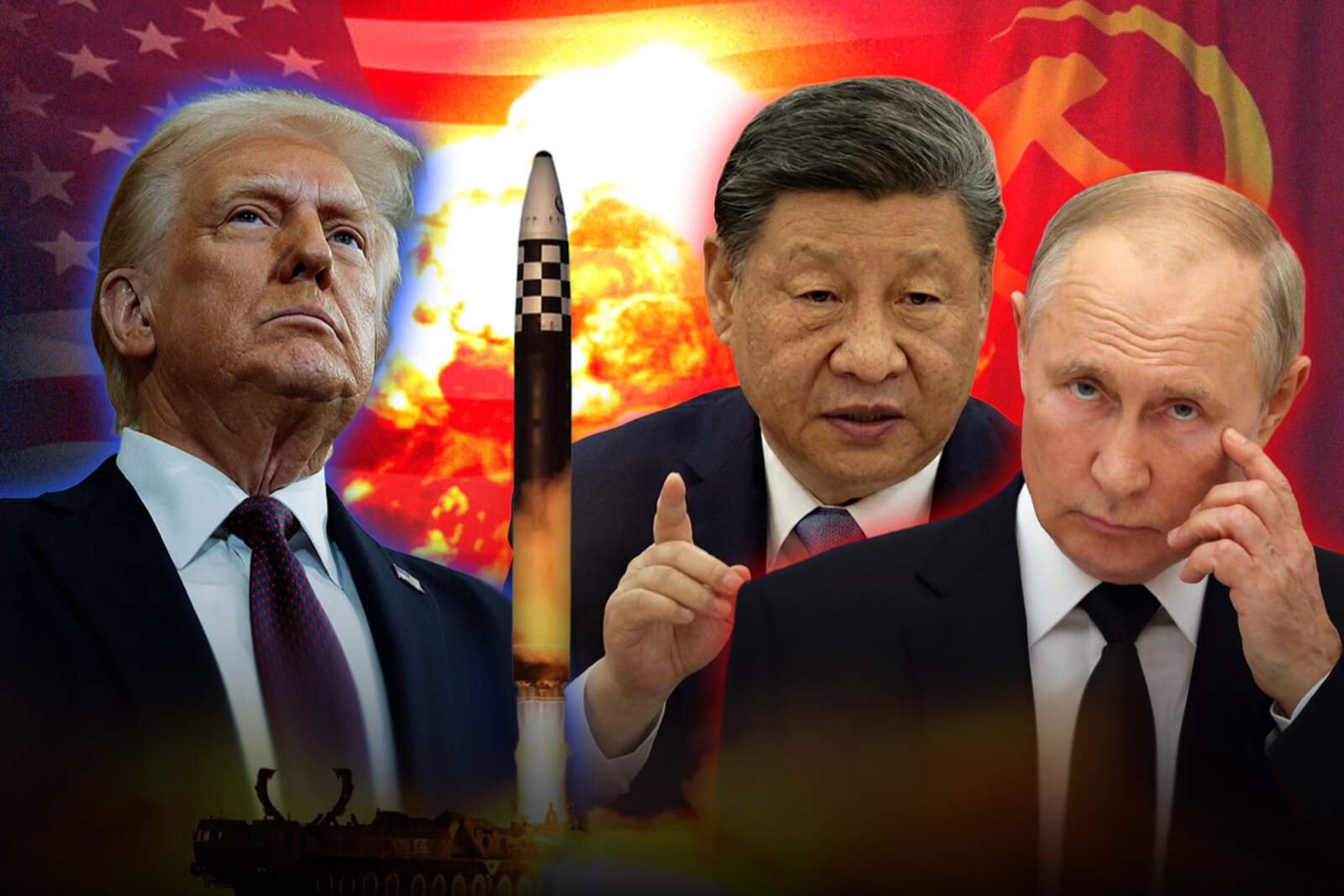
The head of United States diplomacy spoke out about nuclear proliferation and the end of the START agreement
Compartir:
Last Thursday, the last nuclear arms control treaty between the United States and Russia that was still in force expired. The expiration of that agreement signed in 1972 means that the atomic arsenals of both superpowers will not have any restriction or limit for the first time in more than half a century.
Experts in the field fear that the termination of the START treaty will lay the groundwork for the development of an unprecedented nuclear arms race, at the very moment when both powers are planning new generations of nuclear weapons.
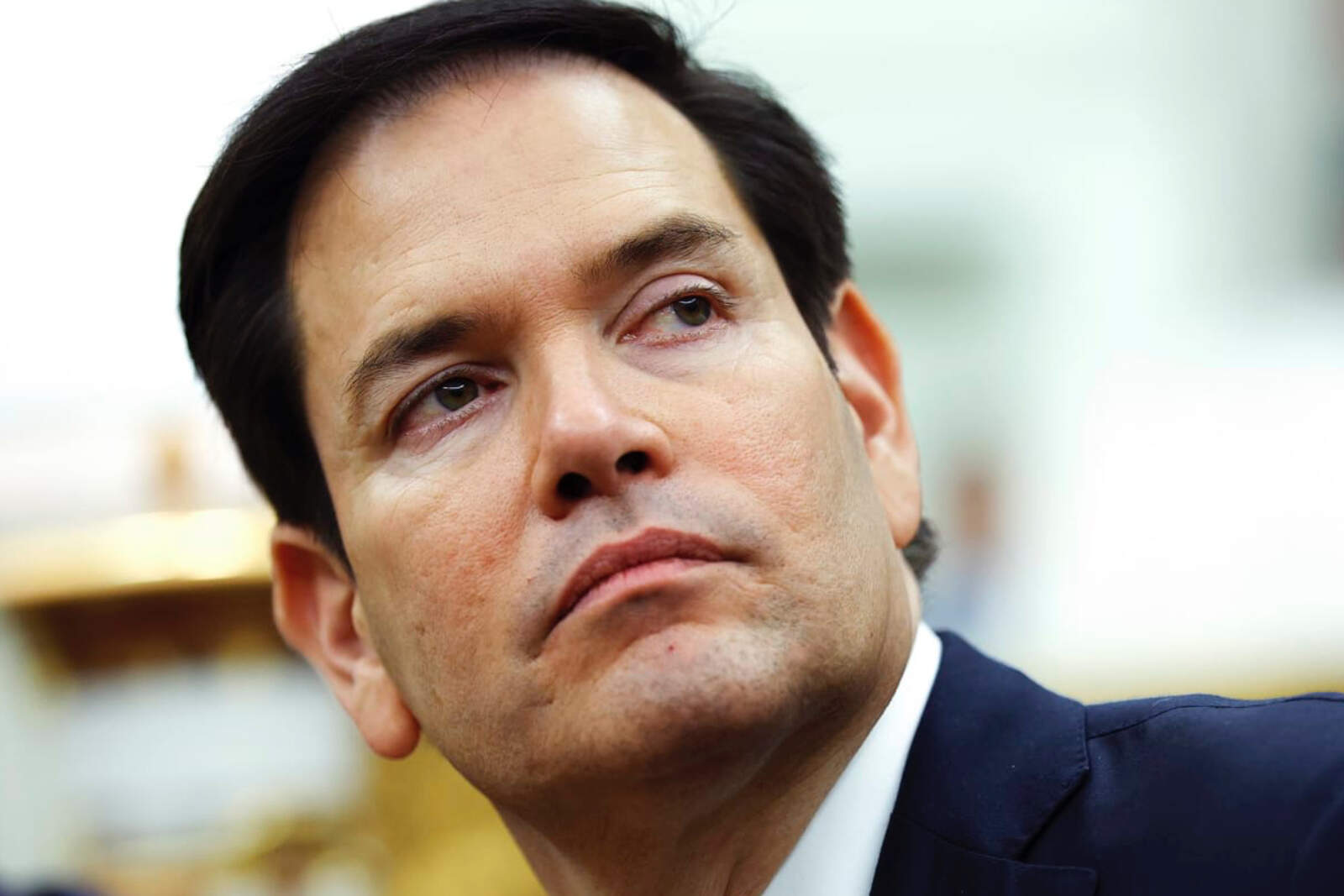
Talks on a new treaty, or perhaps an informal extension of the current one, never took off, frozen by the war in Ukraine. In this regard, Secretary of State Marco Rubio, in an article published on Substack, argues that its expiration doesn't represent the start of a new arms race, but rather the recognition of a different strategic reality.
Fin del acuerdo de control nuclear entre EEUU y Rusia: Marco Rubio explicó la visión de Trump para lograr la seguridad global
The Chinese threat
When Russia stopped complying with the treaty in 2023, Rubio says, it made it unfeasible for the US to remain unilaterally bound to its limits. The head of US diplomacy emphasized that any agreement Russian President Vladimir Putin offers Trump has become obsolete due to the rapid expansion of China's nuclear arsenal.
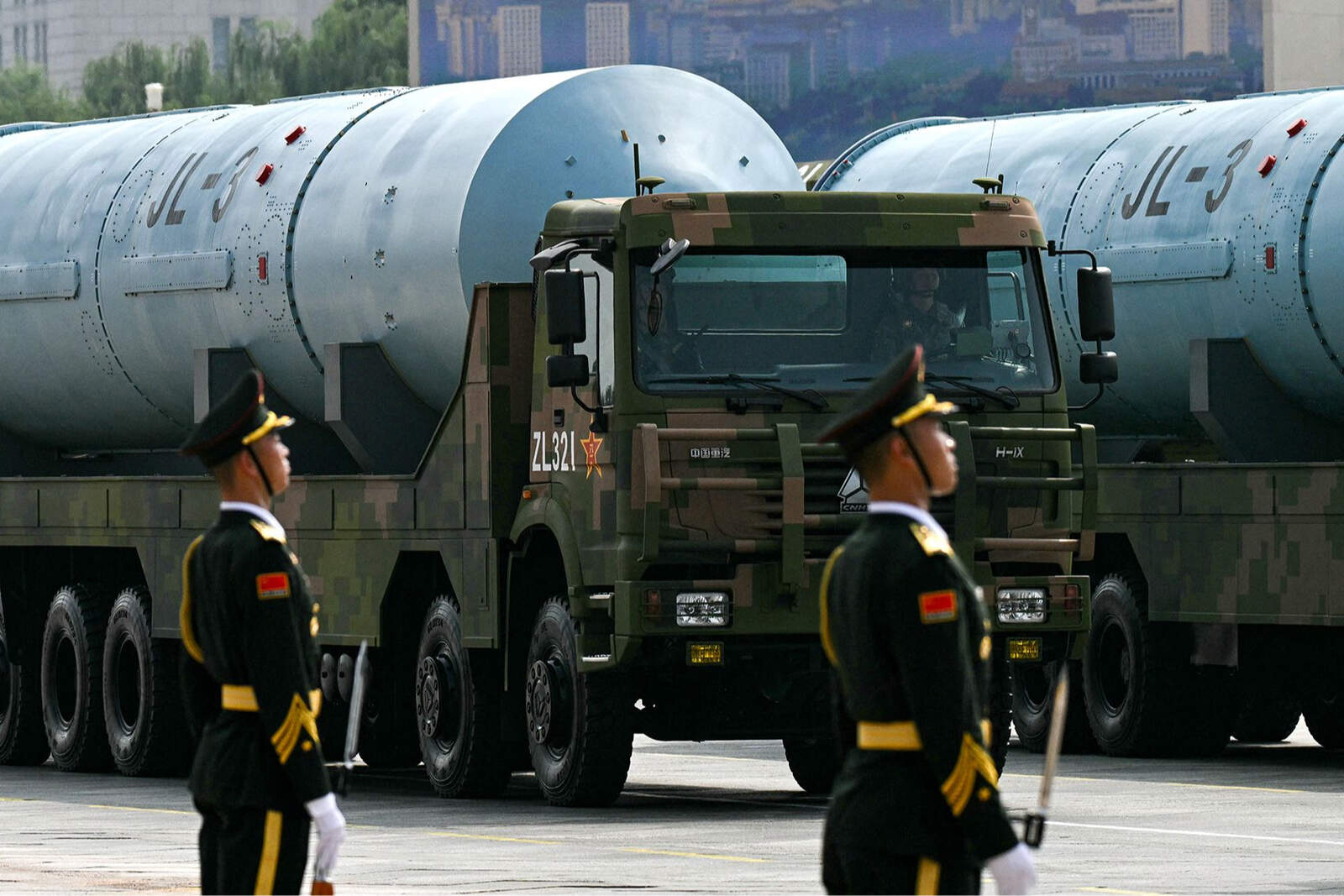
Trump is aware that a new framework that ignores China, with Russian support, would put the national security of the Anglosphere country at risk and that's why he is pursuing a change of scenario. China's arsenal could exceed 1,000 warheads by 2030 and the communist regime that governs the country has already stated that it has little interest in negotiating this fact.
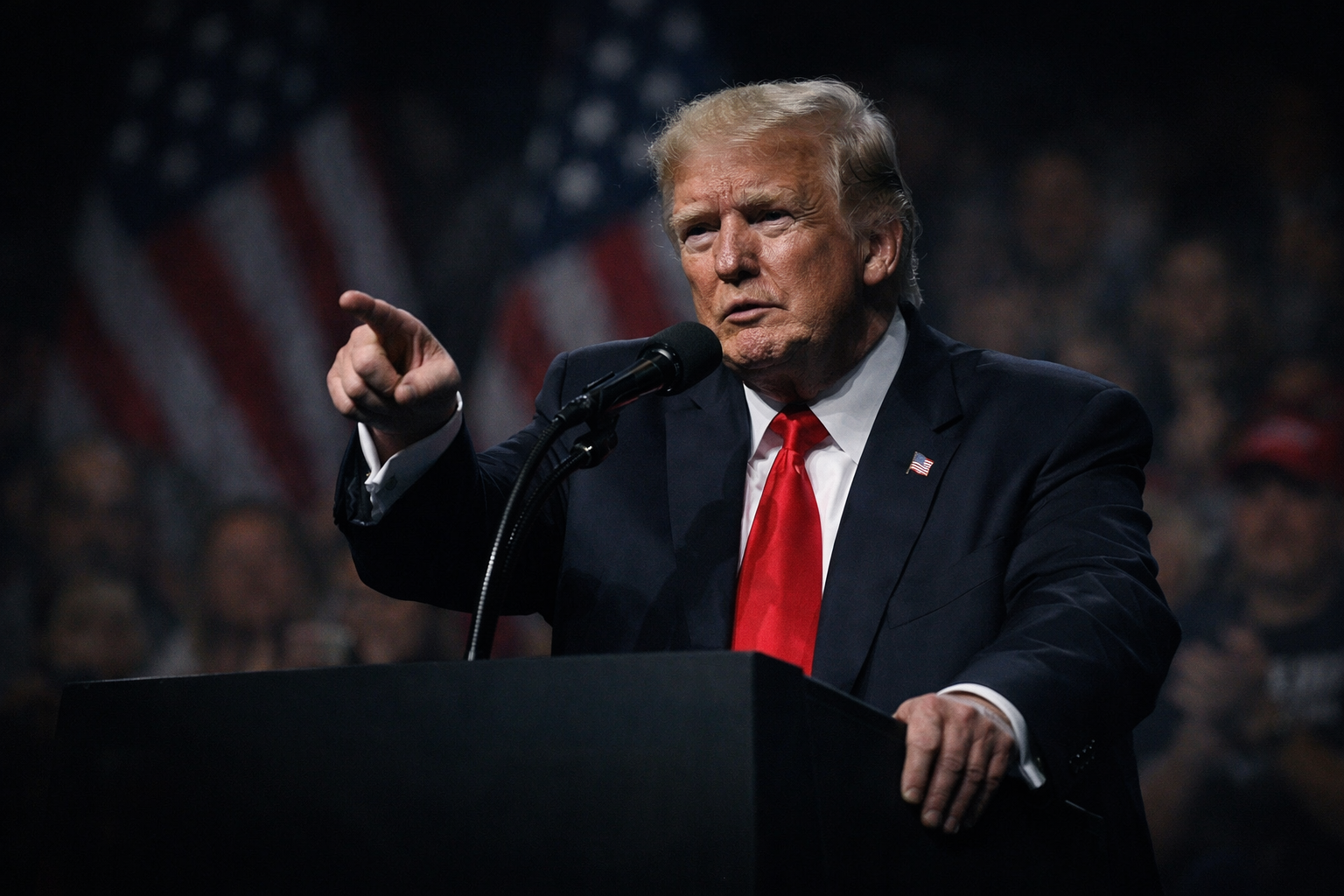
That same Thursday, Trump reiterated his call for a new START agreement, denouncing the previous one as "a poorly negotiated deal" and declaring that "we should have our nuclear experts work on a new, improved, and modernized treaty that can last for a long time into the future".
Fin del acuerdo de control nuclear entre EEUU y Rusia: Marco Rubio explicó la visión de Trump para lograr la seguridad global
Trump gets ready
However, Trump didn't comment on the possibility of freezing US and Russian arsenals at current levels, as Putin had proposed at the time, leaving open the possibility of a new arms race.
In fact, the US is already preparing for such a possibility, with the Navy ready to deploy more nuclear warheads on its state-of-the-art submarines.
Rubio pointed out that negotiations for the signing of a new START will be long and complex, and that Trump has been clear that the future of nuclear control must be multilateral. From the US side, officials think it's key to maintain a credible and modernized deterrent atomic arsenal while they seek to truly reduce the global nuclear threat.