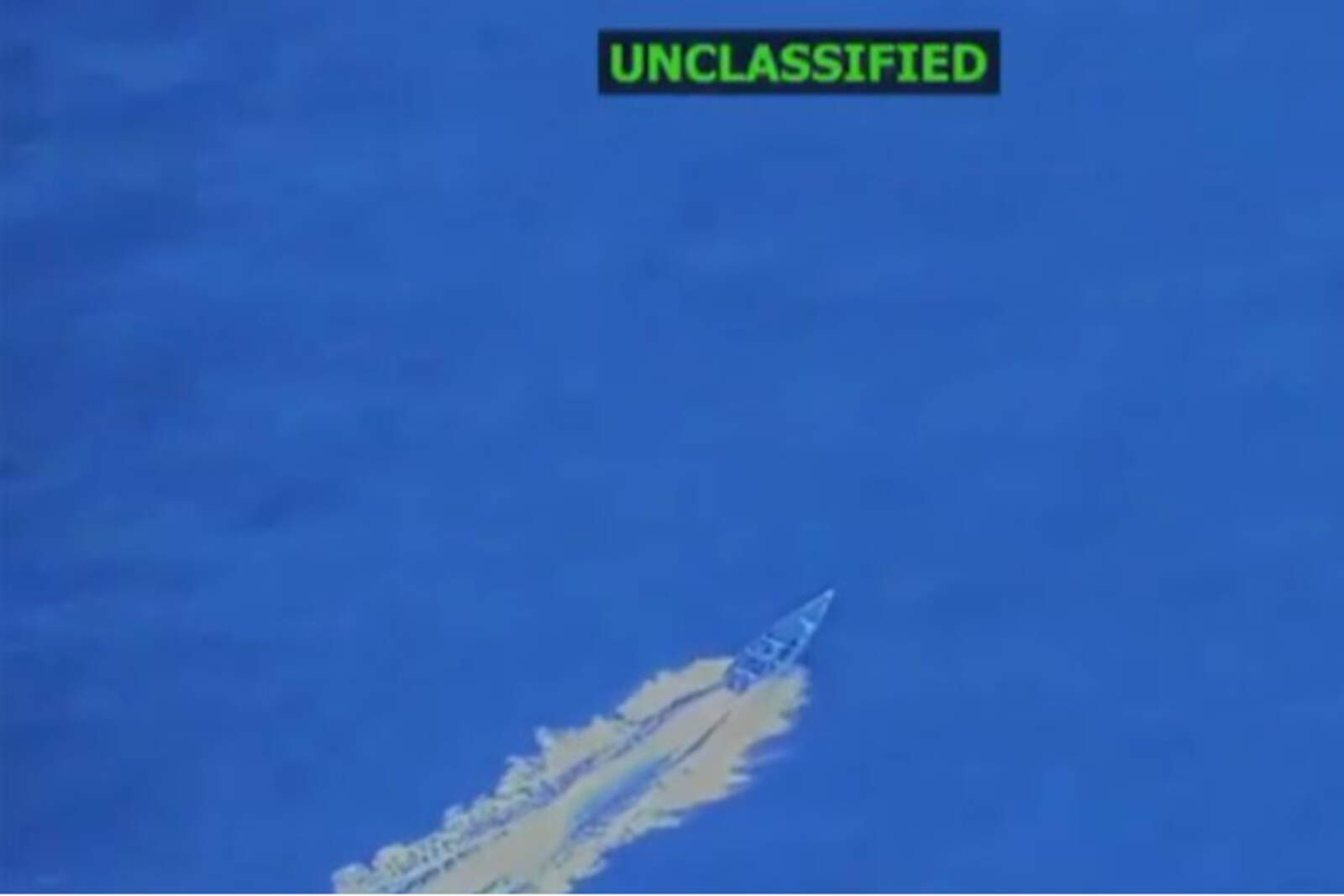










The administration considers that a more forceful approach, including direct actions against vessels linked to maritime drug trafficking, is necessary to disrupt the logistics chain that sustains the flow of synthetic opioids into the United States.
Journalistic sources indicate that the exact number of authorized or executed attacks is unknown, but sources close to the process state that the strategy aims to raise the operating cost for criminal groups and show that Washington won't tolerate activities it considers a "chemical" threat.
For supporters of the measure, this stance sends a clear and deterrent message to criminal organizations, which have historically benefited from legal loopholes and limitations in international cooperation.
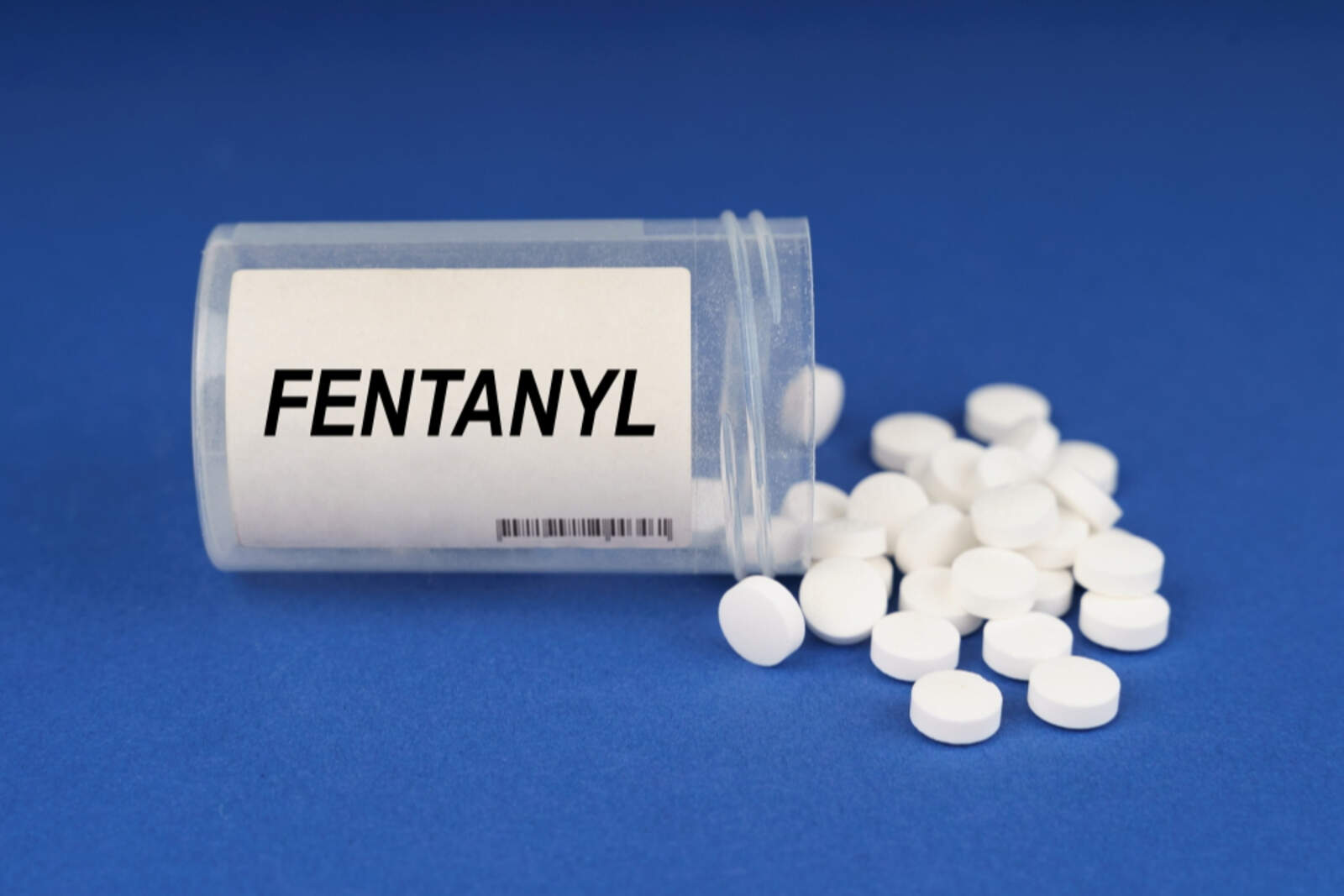
The use of the "chemical threat" framework marks a significant shift in the way the United States addresses drug trafficking, interpreted by its supporters as a necessary adjustment in the face of the cartels' growing sophistication.