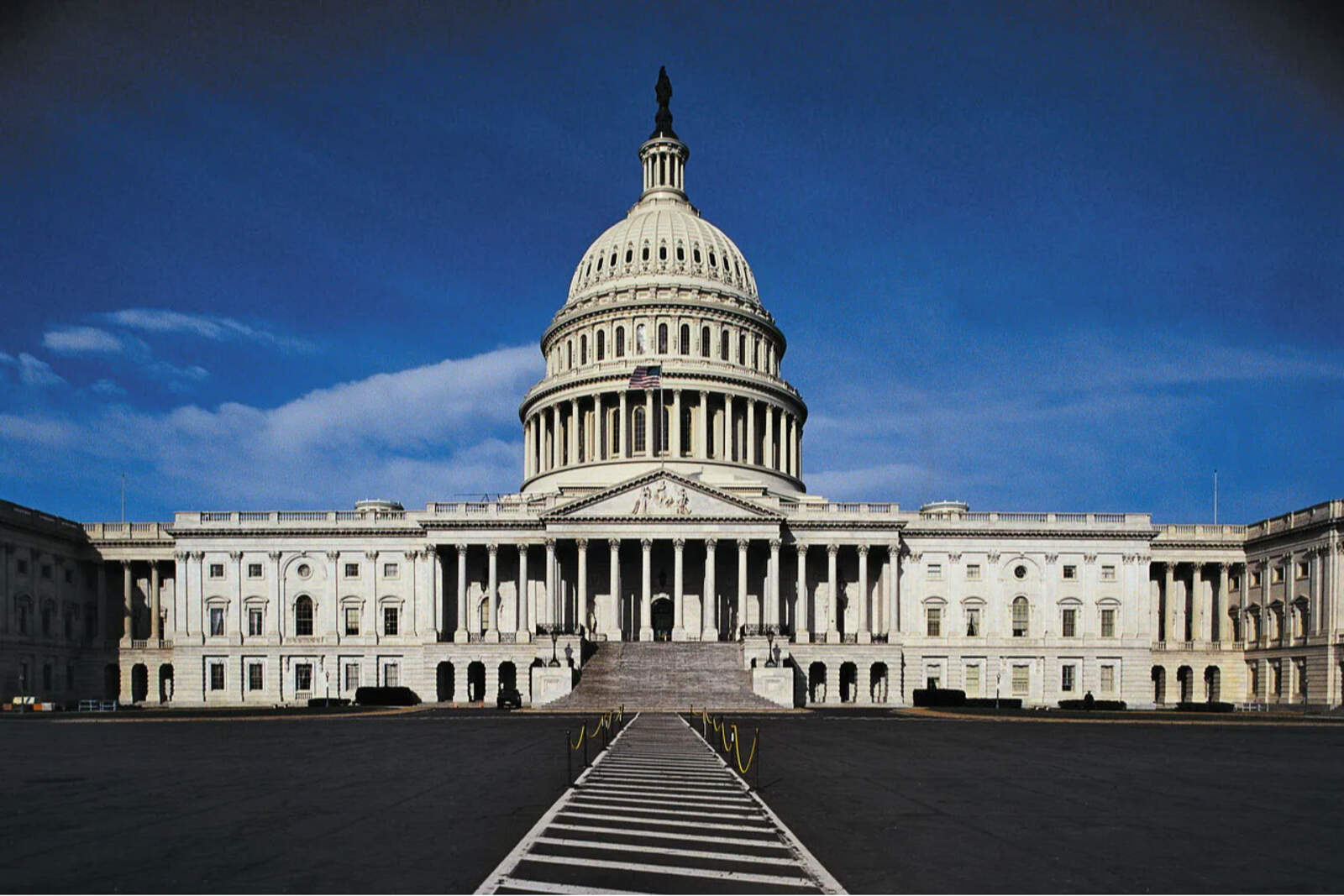
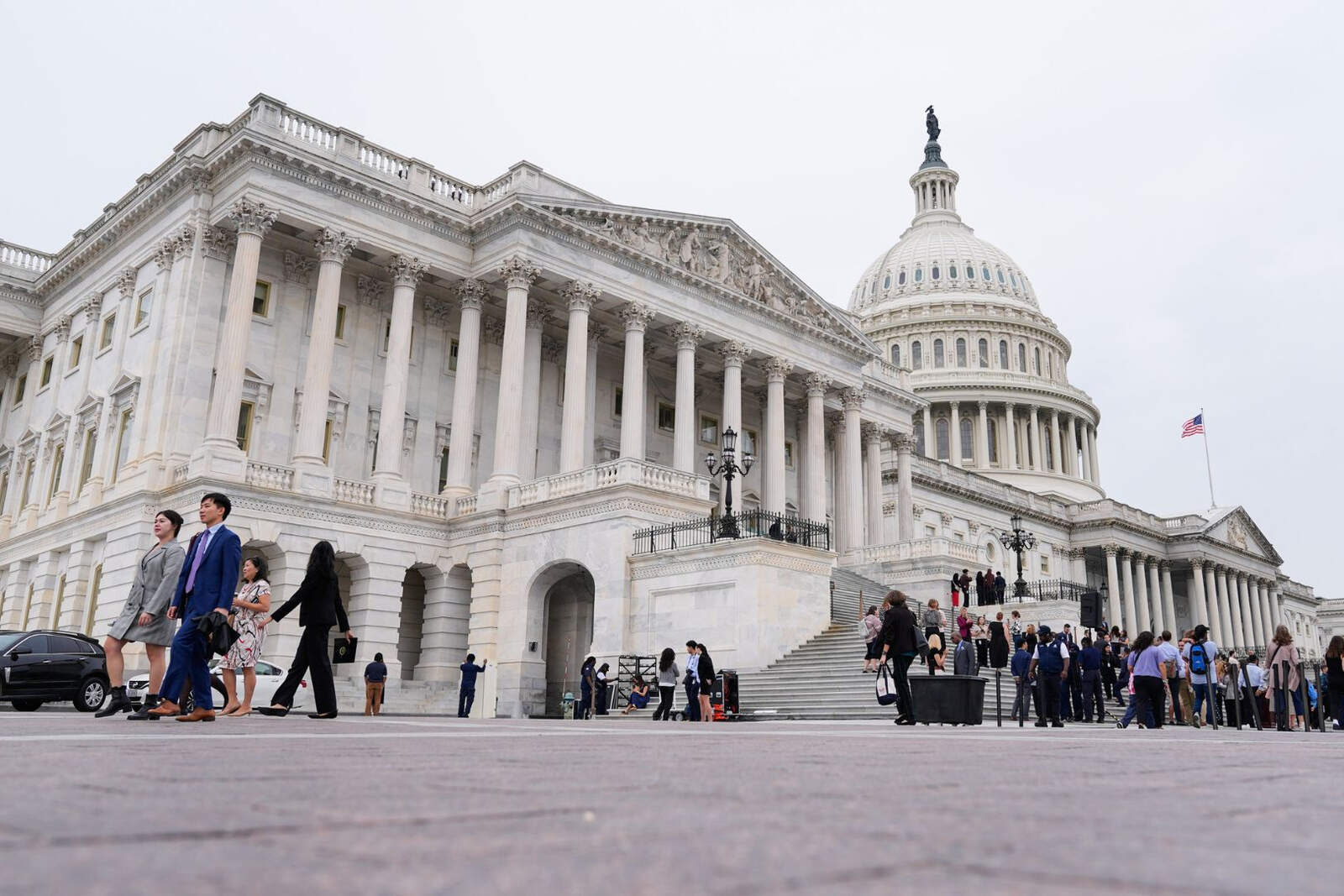
The United States government entered into an almost complete shutdown of its payments, which means it will not disburse money except for essential activities
The United States federal government went into a partial shutdown at midnight on Wednesday, after a majority of Democratic senators—all but three—voted against a temporary funding bill previously approved by the House of Representatives.
The measure failed to reach the 60 votes needed in the Senate, falling five votes short of approval, which forced a temporary suspension of non-essential government operations.
This shutdown is the first since December 2018, when the government remained partially closed for 35 days. As in that instance, tens of thousands of federal employees have been placed on unpaid leave or have been ordered to work without pay until the situation is solved.
After the failed vote, the director of the White House Office of Management and Budget, Russ Vought, instructed federal agencies to implement their plans for an orderly shutdown. In a memorandum, Vought emphasized that it is unclear how long the shutdown will last, due to what he described as an "unsustainable stance" by Democrats.
El gobierno estadounidense no erogará dinero a excepción de ciertas actividades esenciales
The bill blocked in the Senate would have kept government funding at current levels through November 21. It was supported by nearly all Senate Republicans and by President Donald Trump.
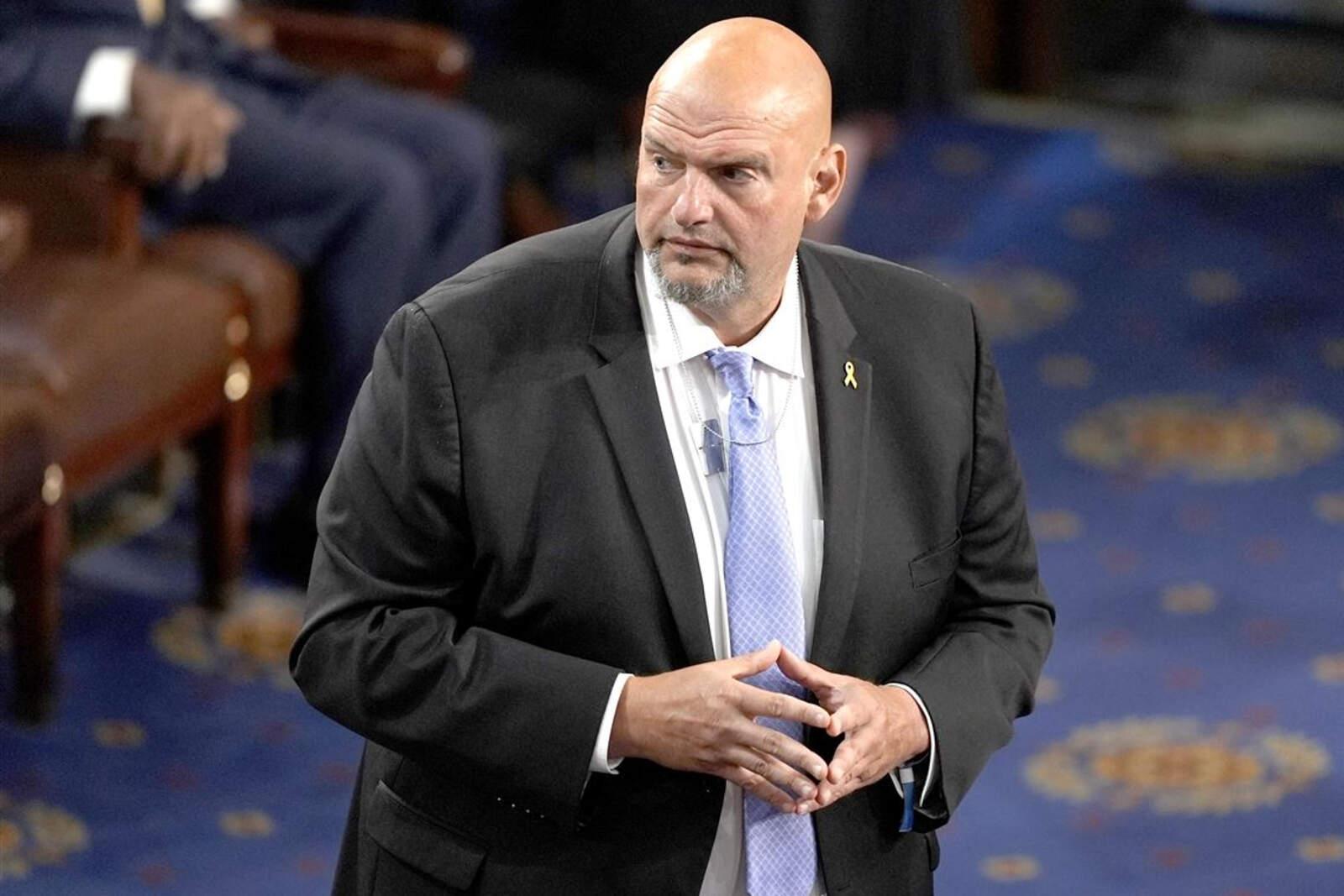
Three lawmakers who generally align with Democrats, Senators John Fetterman (Pennsylvania), Catherine Cortez Masto (Nevada), and Angus King (Independent from Maine), voted in favor of the bill.
The main point of disagreement was the Democrats' refusal to support the measure without including extensions to pandemic-era health subsidies, and the restoration of billions of dollars in foreign aid and other programs previously cut by Trump.
El senador demócrata John Fetterman votó a favor del presupuesto junto con los republicanos
The Senate Republican majority leader, John Thune (South Dakota), stated that they will attempt another vote and that he hopes more Democrats will change their stance.
A poll showed that 65% of registered voters oppose a government shutdown, even if it means Democrats do not achieve their demands. Among independent voters, 59% were against a shutdown under any circumstances, while opposition among Republicans was 92%.
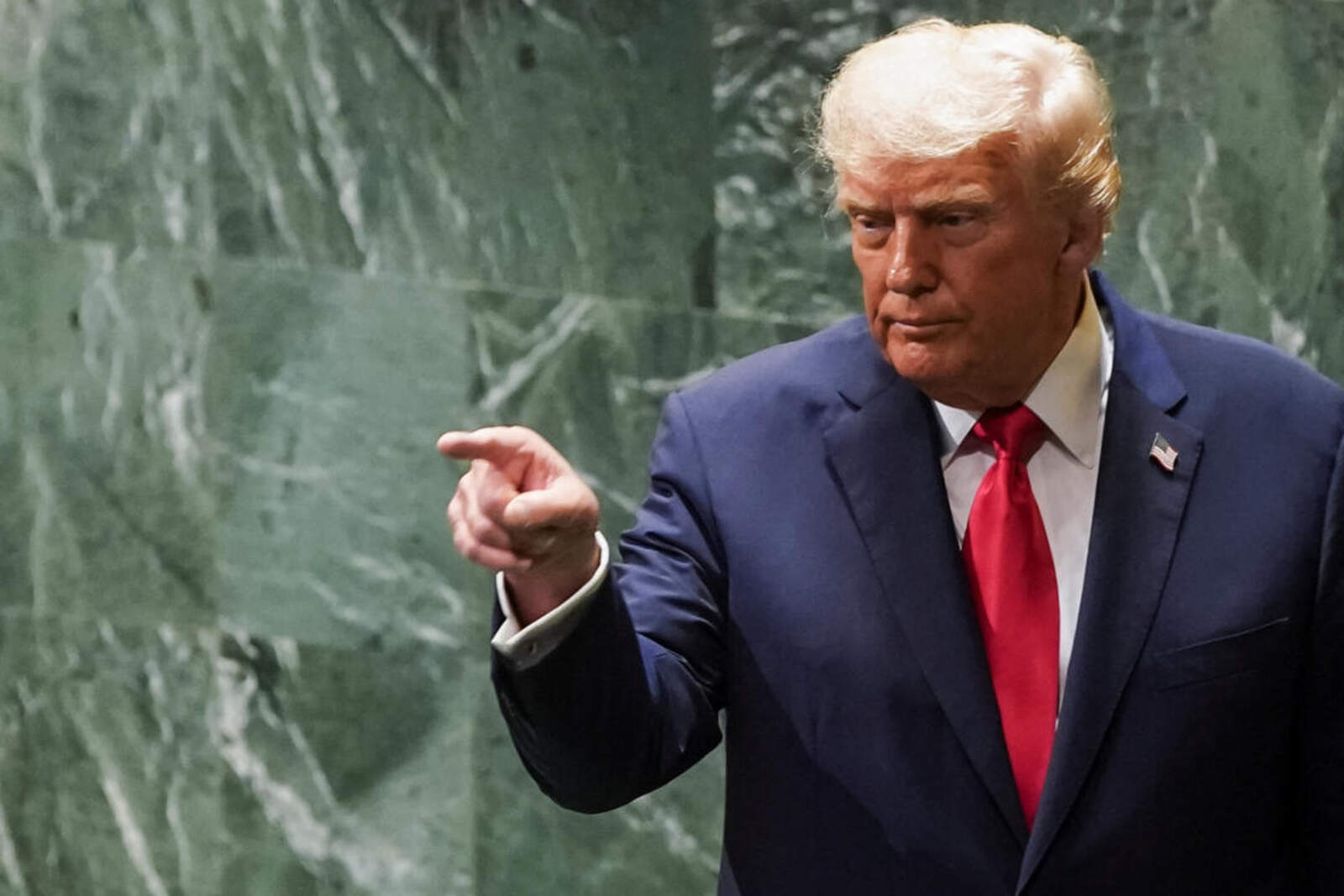
Amid the crisis, Trump met with Democratic congressional leaders,Chuck Schumer and Hakeem Jeffries, at the White House. Later, he posted images of the meeting on his social media, some of them edited to mock Democrats.
He also hinted that during the shutdown “irreversible” measures could be taken, such as mass layoffs of non-essential employees, which was supported by Vought's directives to federal agencies.
Donald Trump se reunió con los líderes demócratas en el senado para revertir la situación
The White House placed a countdown on its website with the message: "Imminent Democratic shutdown" and shared videos in which Democrats themselves explained the negative effects of a government shutdown, seeking to blame them directly for the situation.
Democrats, meanwhile, falsely claim that Republicans are blocking key health aid and critical funds for social programs. Schumer argued that President Trump has the power to solve the situation simply by agreeing to Democratic demands.
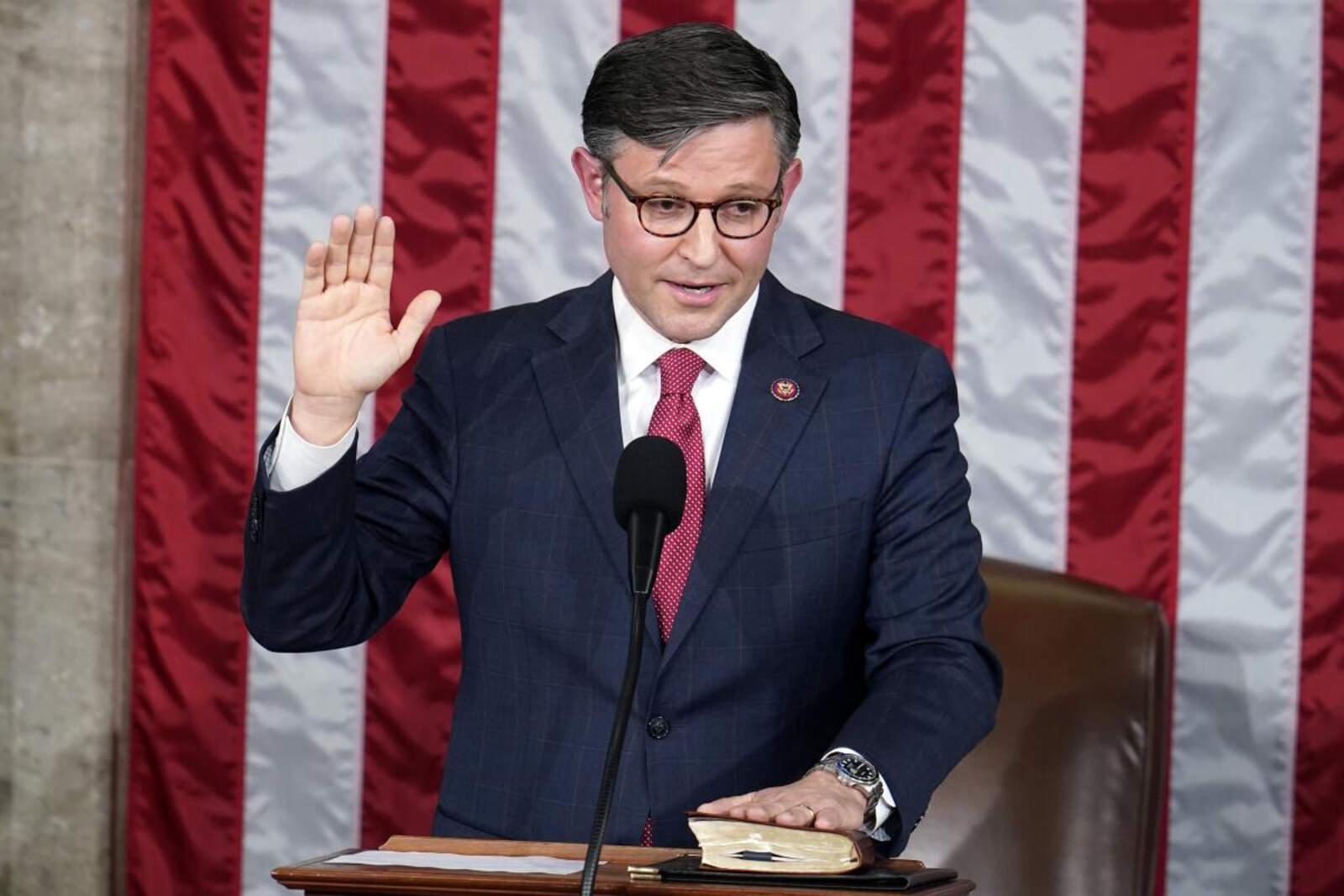
The Speaker of the House of Representatives, Mike Johnson (Republican-Louisiana), warned of the serious consequences of the shutdown: from the suspension of payments to troops and security agents, to delays in emergency services such as FEMA, just as two hurricanes approach the country.
El presidente de la cámara baja advirtió de las consecuencias que traerán el cierre
Despite the shutdown, some essential services continue to operate. Federal benefits such as Social Security, Medicare, Medicaid, and the SNAP program (food stamps) will continue to be distributed.
Essential employees such as air traffic controllers, postal workers, and security agents will also continue working, although many of them will do so without receiving their salaries until a new funding package is approved.