The United States has formally requested information from Spain regarding the activities of former Socialist minister José Bono, whom the Trump Administration considers a key figure in the network that linked Zapaterismo with Chavismo. The request comes within the framework of the United States' tougher policy against Nicolás Maduro, following his recent designation as a terrorist organization.
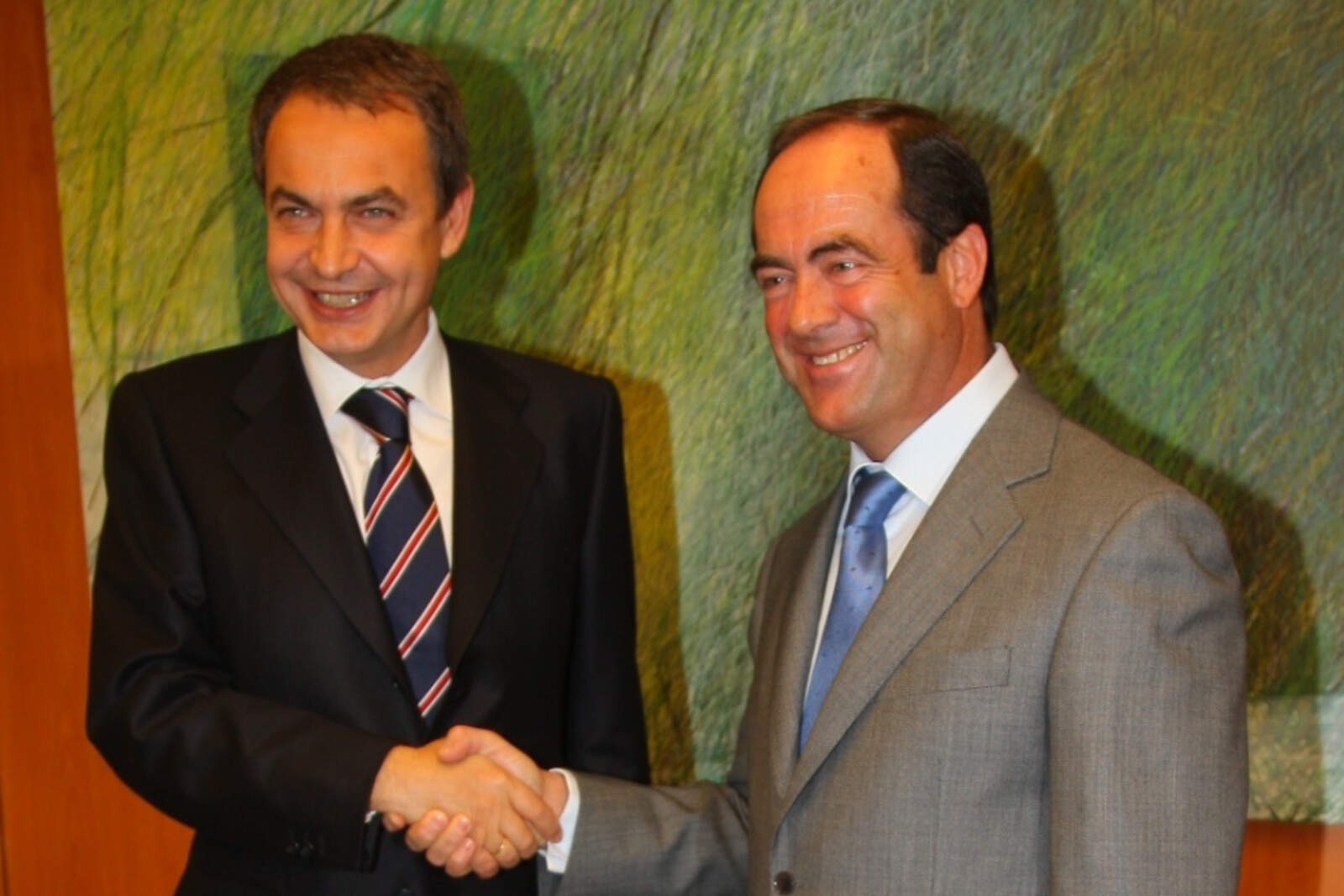
According to judicial sources linked to the case of Hugo "El Pollo" Carvajal, Washington has been investigating Bono for months as a possible "introducer" of José Luis Rodríguez Zapatero to the Bolivarian leadership. For U.S. prosecutors, the former minister may have been the "initial link" that opened the doors of Miraflores to Spanish socialists. José Bono junto a José Luis Zapatero.
The judicial offensive is not limited to the political sphere. The United States has asked Spain for detailed information about commercial operations and decisions made during Bono's tenure as head of the Ministry of Defense. Several of those actions—including private, business, and corporate activities in the Dominican Republic—are under suspicion. That Caribbean country also appears in the investigations, expanding the scope of the inquiry beyond Venezuela and Spain.
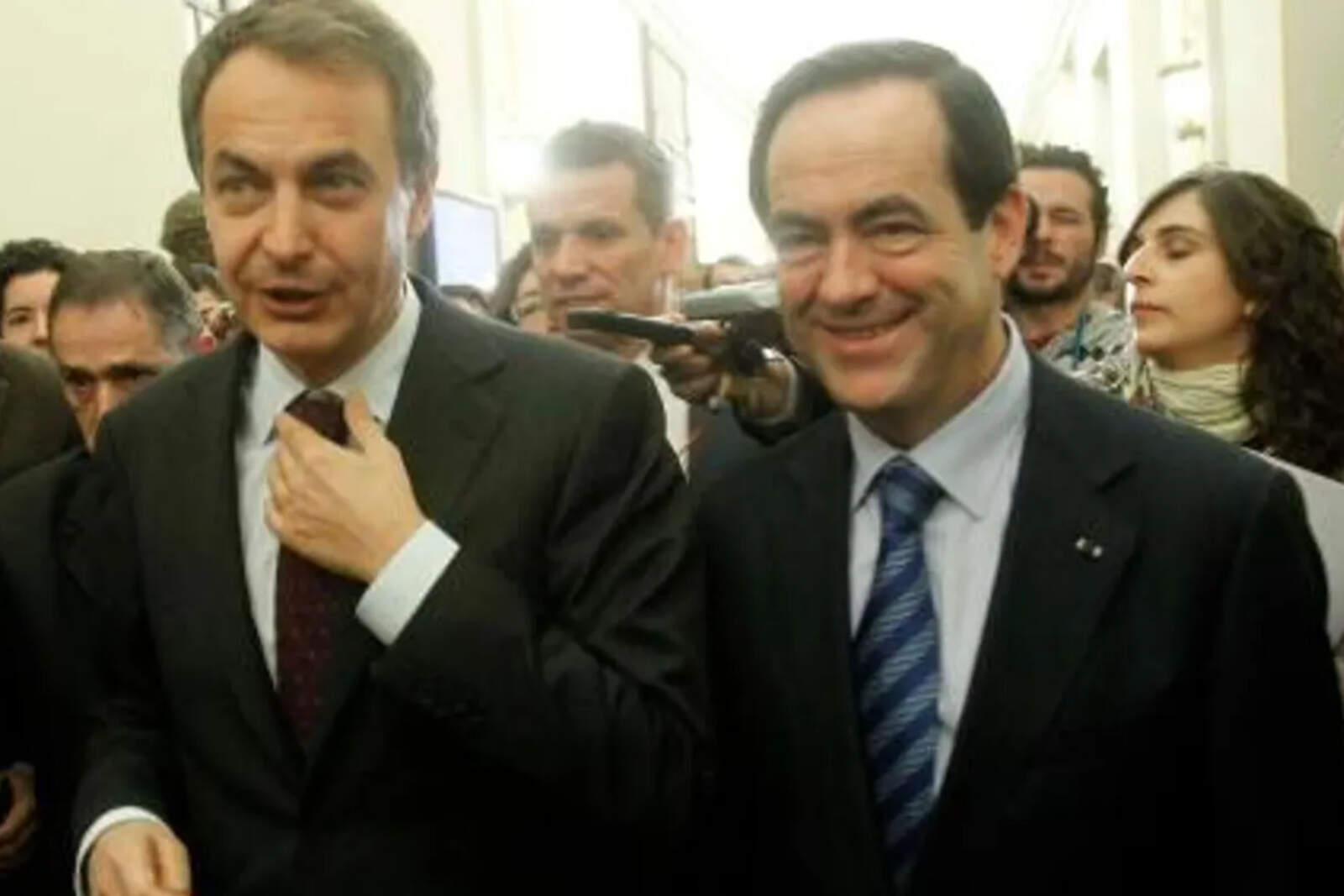
The critical period, according to investigators, coincides with the years when "El Pollo" Carvajal led Venezuelan intelligence (2004–2011) and Bono held the Defense portfolio. One of the most sensitive episodes is included there: the 2005 sale of Spanish transport aircraft and patrol boats to the Venezuelan Navy. The contract, supervised by Ambassador Raúl Morodo and Carvajal himself, caused a strong diplomatic conflict between Washington and the Zapatero Government, although it resulted in economic benefit for Spanish shipyards. Today, that operation is back at the center of the stage due to possible related payments and commissions. José Bono junto a José Luis Zapatero.
In addition to the above is the documentation delivered years ago by former Venezuelan prosecutor Luisa Ortega Díaz, currently exiled, which included references to alleged acts of corruption and commissions linked to Navantia. The judicial trajectory of Morodo—convicted in Spain for collecting millions from PDVSA after leaving the embassy—further reinforces the picture of suspicion surrounding the pro-Chavista lobbying network built by former Socialist leaders.
The Trump Administration is moving forward with an increasingly aggressive strategy against the structures of Chavismo and those who collaborated with them politically. The shift of focus toward Bono—a figure historically shielded in Spain—opens a high-risk scenario for the former minister, now under international scrutiny in a case that exposes the depth of the connections between Spanish socialism and a regime classified as terrorist.