The closure of the border with Brazil once again highlights the regional impact of the Chavista regime's decisions. For years, Maduro's regime has used border control as a political tool, without considering the humanitarian consequences for the civilian population.
The measure, adopted after a high-impact episode such as the capture of the head of state, reinforces the perception of improvisation and disconnection from the daily reality of millions of Venezuelans.
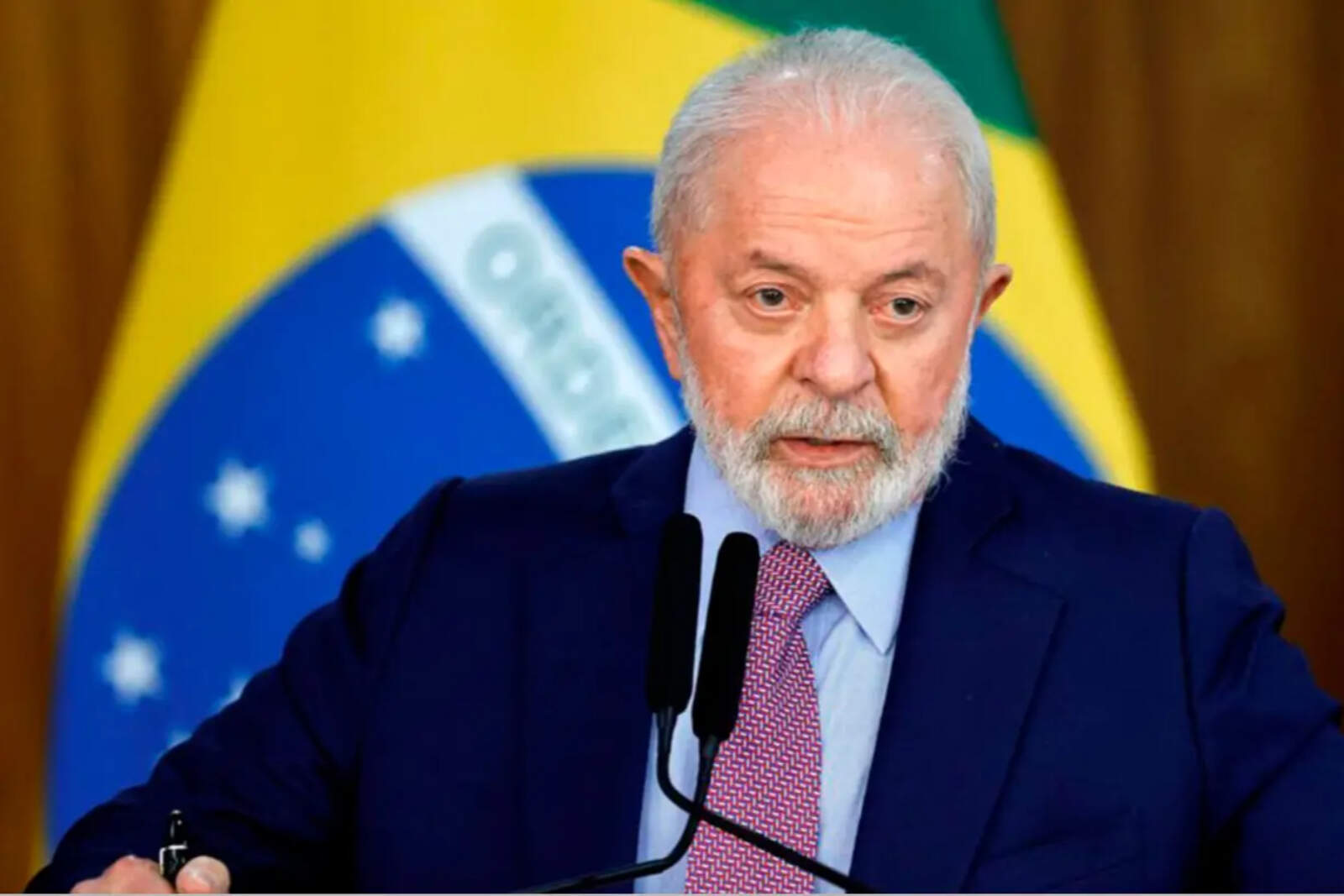
At the same time, the silence and caution of the Brazilian government have been the subject of criticism. Lula da Silva's administration, which has maintained an ambiguous stance toward Chavismo and has opted for diplomatic normalization with Caracas, is now being questioned for its apparent lack of foresight in the face of a scenario of instability that directly affects Brazil.
El comunista Lula da Silva ha mantenido el silencio frente al cierre de la frontera
The border closure hits Roraima hard, a state that has already borne enormous migratory pressure in recent years and that depends on effective coordination between both countries.
The lack of a clear strategy in the face of a possible power vacuum in Venezuela could translate into a new disorderly migratory flow, affecting Brazil as well as the rest of the region.
Meanwhile, inside Venezuela, spokespersons of the ruling party are trying to regroup their bases. In Sucre state, Governor Johanna Carrillo called for a rally in Plaza Bolívar in Cumaná in support of Maduro, in a context in which many citizens express fear and uncertainty about the country's immediate future.
The closure of the border with Brazil not only deepens Venezuela's isolation, but also exposes the fragility of regional responses to the crisis.
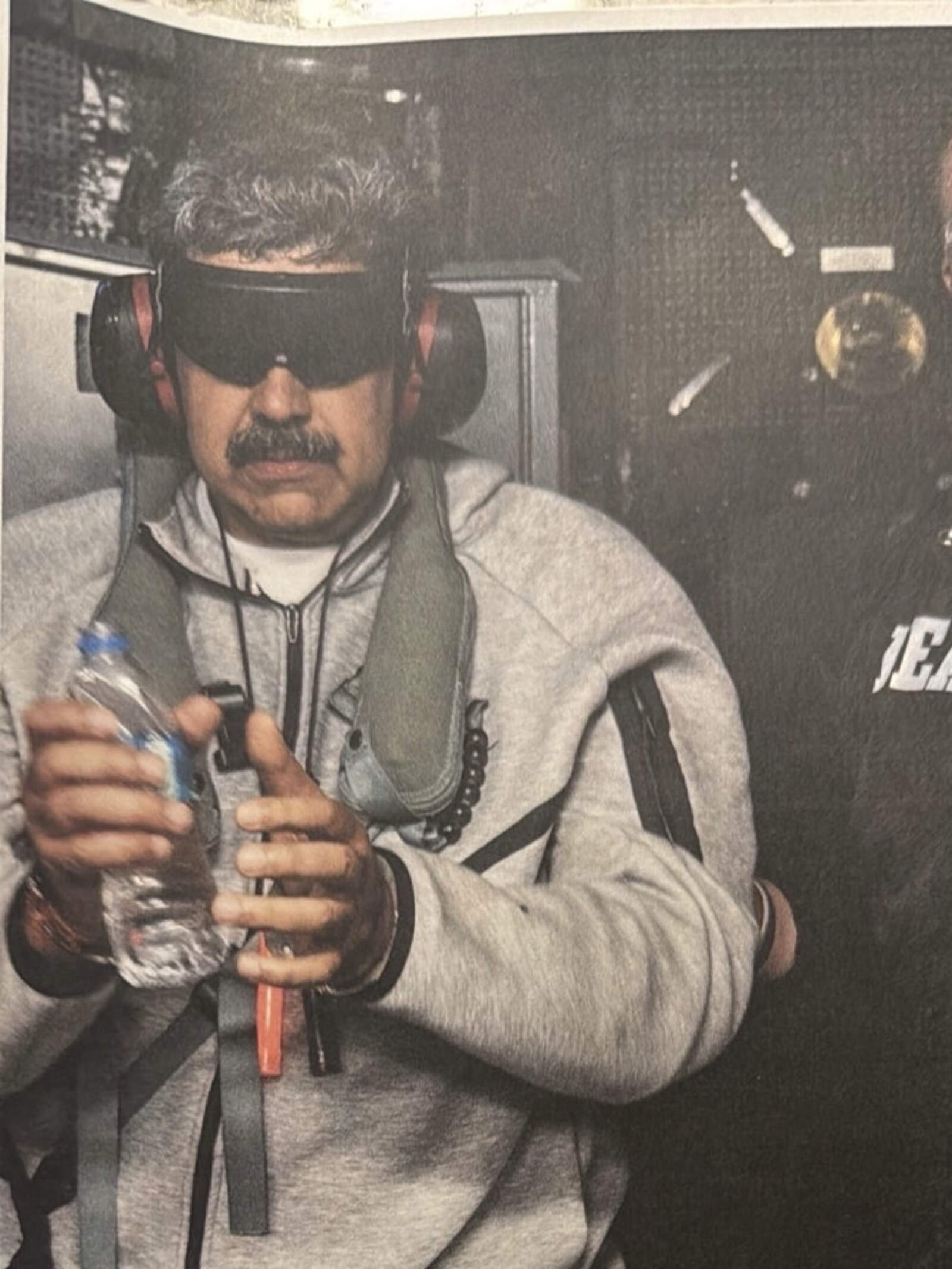
La foto del dictador Maduro capturado.
Venezuela carried out an exhaustive closure of its border with Brazil, confirmed on Saturday morning after the capture of Nicolás Maduro and his wife Cilia Flores by United States forces, which has increased uncertainty and tension in the border regions, while generating strong criticism of both the Chavista regime and the Brazilian government of Luiz Inácio Lula da Silva.
The measure, reported by residents of Pacaraima and Santa Elena de Uairén, took place a few hours after the bombings recorded in Caracas and other states of the country.
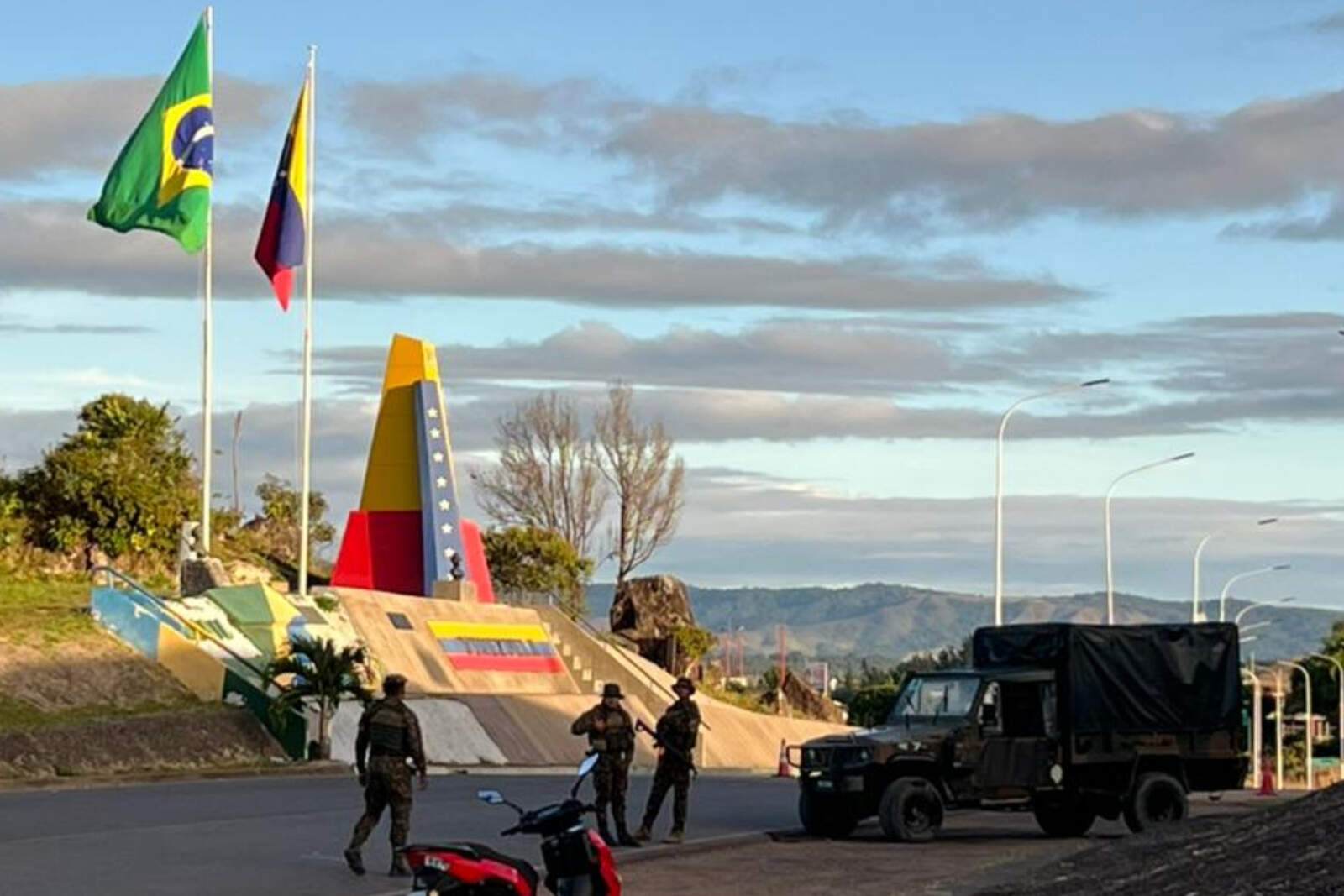
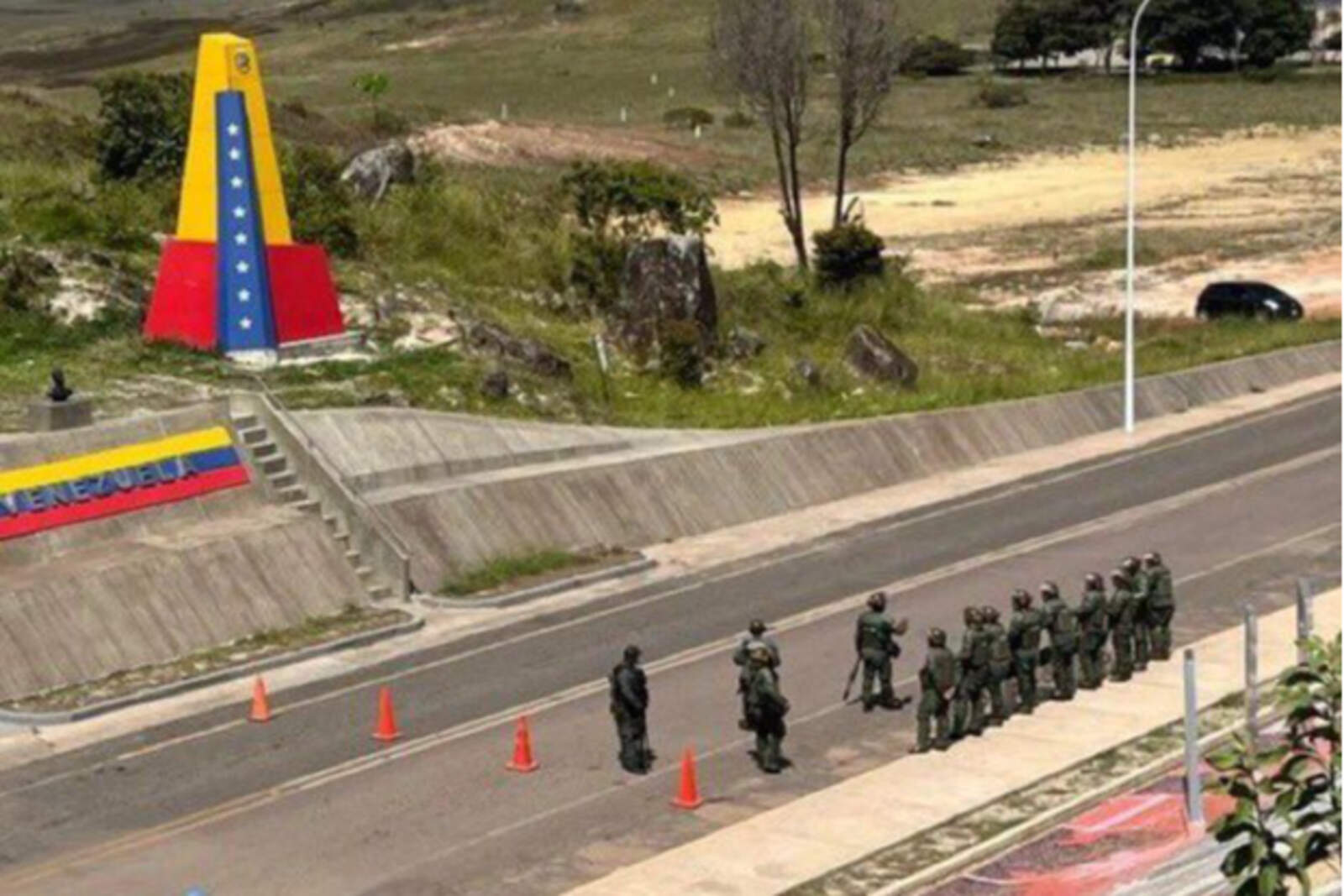
Images released from Santa Elena de Uairén show cones and checkpoints at customs on the Venezuelan side, confirming the closure of the border crossing.
En la localidad de Santa Elena de Uairén se reportaron controles fronterizos con acciones militares
The decision directly affects one of the most sensitive areas in the south of the country, where thousands of Venezuelans depend on informal trade, daily transit, and migration to Brazil as an escape route from the economic and social crisis that Venezuela has been going through for years.
In contrast to the official secrecy, residents of the Gran Sabana municipality reported an atmosphere of relative calm during the morning, although it was marked by uncertainty.
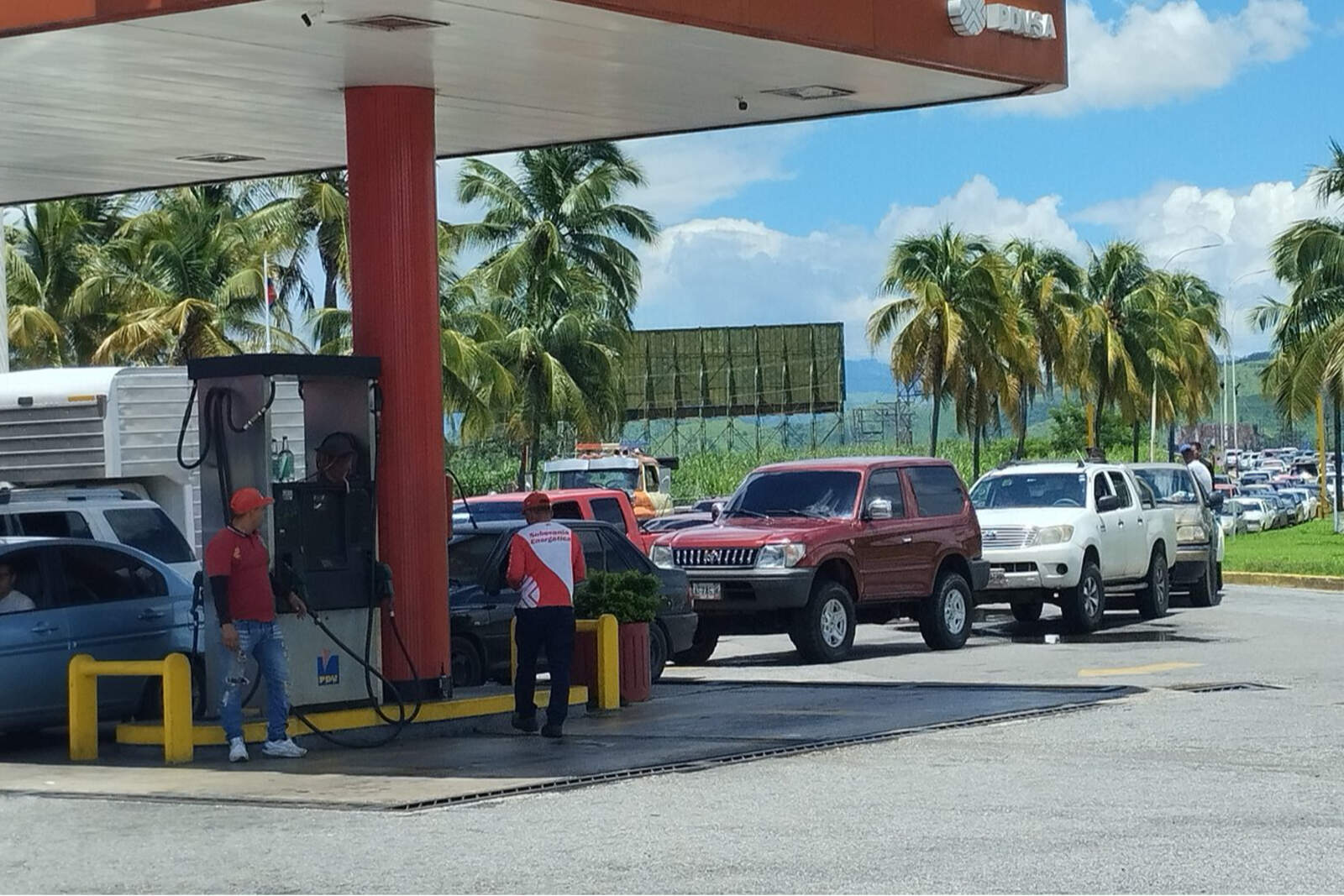
In other regions of the country, the citizens' reaction was immediate. In Maracay, Aragua state, from 6:00 a.m. users were waiting for public transportation at the Central Terminal, while long lines were reported to fill up with gasoline at the Constitución service station, the only one operating in the downtown area of the Girardot municipality.
Similar scenes were repeated in Ciudad Guayana and Cumaná, where citizens went early to supermarkets and service stations to stock up on food and fuel, out of fear of a worsening of the crisis.
Grandes filas para cargar nafta se registraron en varias localidades de Aragua