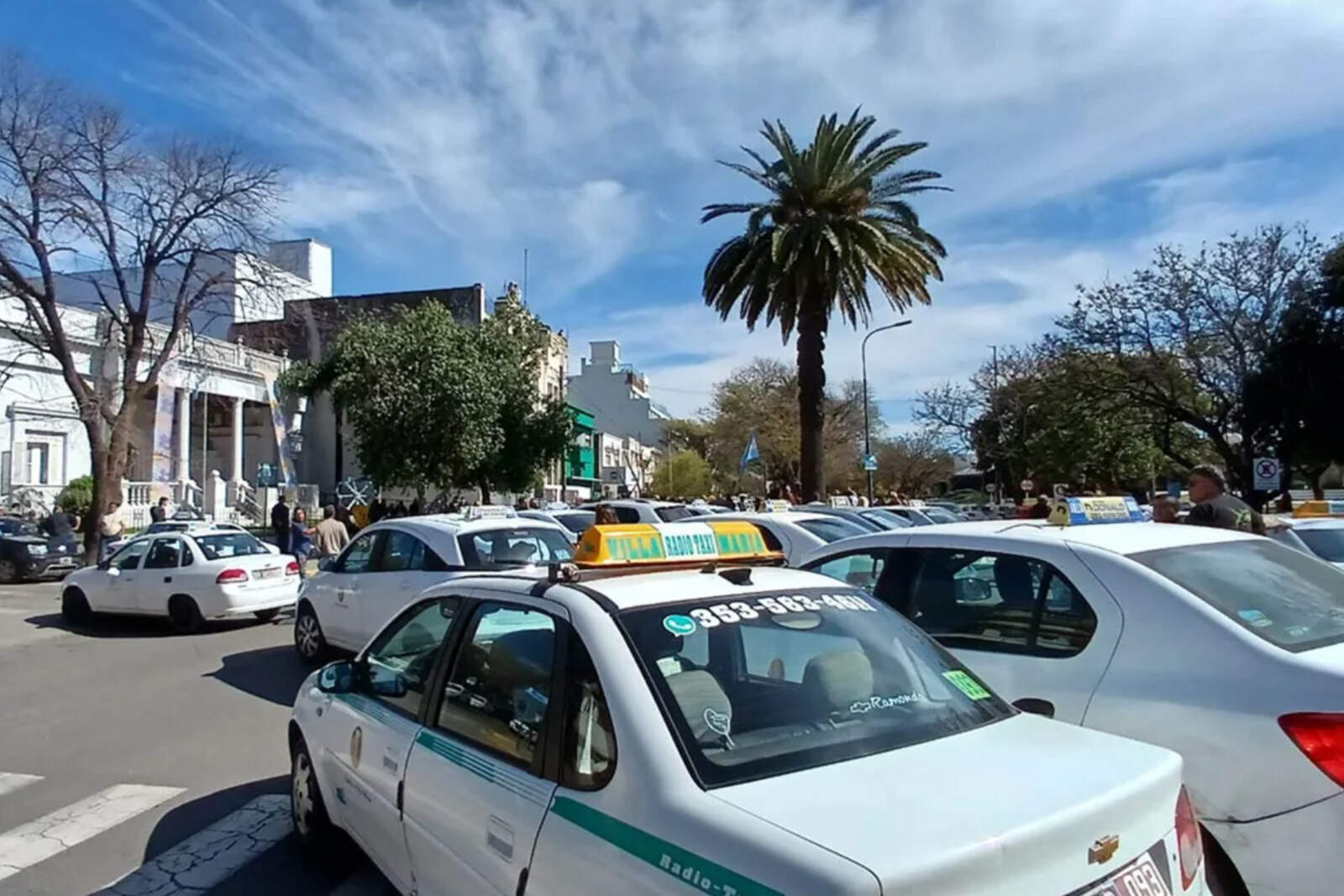

The acting federal judge of Villa María decided not to intervene in the claim filed by digital platform workers. Carlos Ochoa declared the lack of federal jurisdiction in the class action filed by 54 Uber drivers. The measure leaves the service providers unprotected in the face of the municipal ordinance that regulates and restricts transportation activity.
The legal action promoted by attorney Pablo Maccarini sought to stop the advance of statism over private initiative. The drivers requested the unconstitutionality of regulation 8232 because they consider that it distorts competition and access to the market. The ruling represents a setback for those who seek to work freely outside traditional corporations.
The group of workers reported that the local regulation imposes requirements and prohibitions that violate the Consumer Protection Law. The drivers maintain that they are victims of a regime that negatively impacts their freedom to work and generate income. The judicial decision prolongs uncertainty for hundreds of families that depend on this source of work.
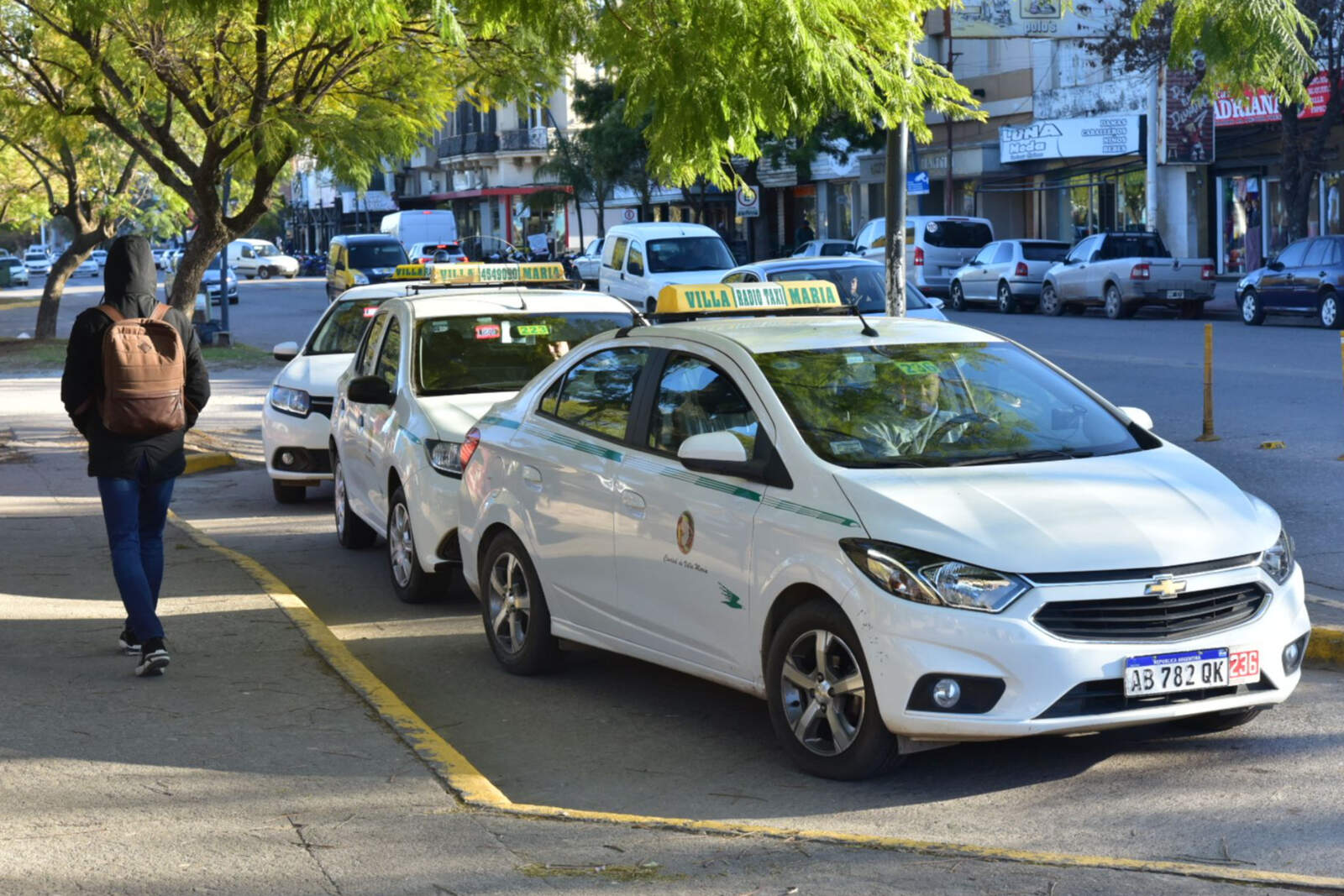
Judicial bureaucracy and abandonment
The magistrate argued that intervening would imply a violation of provincial autonomies and disregarded the federal nature of the conflict. Ochoa closed the case, alleging that the discussion must take place in ordinary courts and not in the court of exception. This position delays the resolution times while municipal inspectors continue the persecution.
For the judge there is no interjurisdictional commerce even though technology and payments operate through global infrastructures. This interpretation denies the reality of platform economies and subjects innovation to regulations from the last century. The ruling ignores that users have already validated the service through their free and voluntary choice.