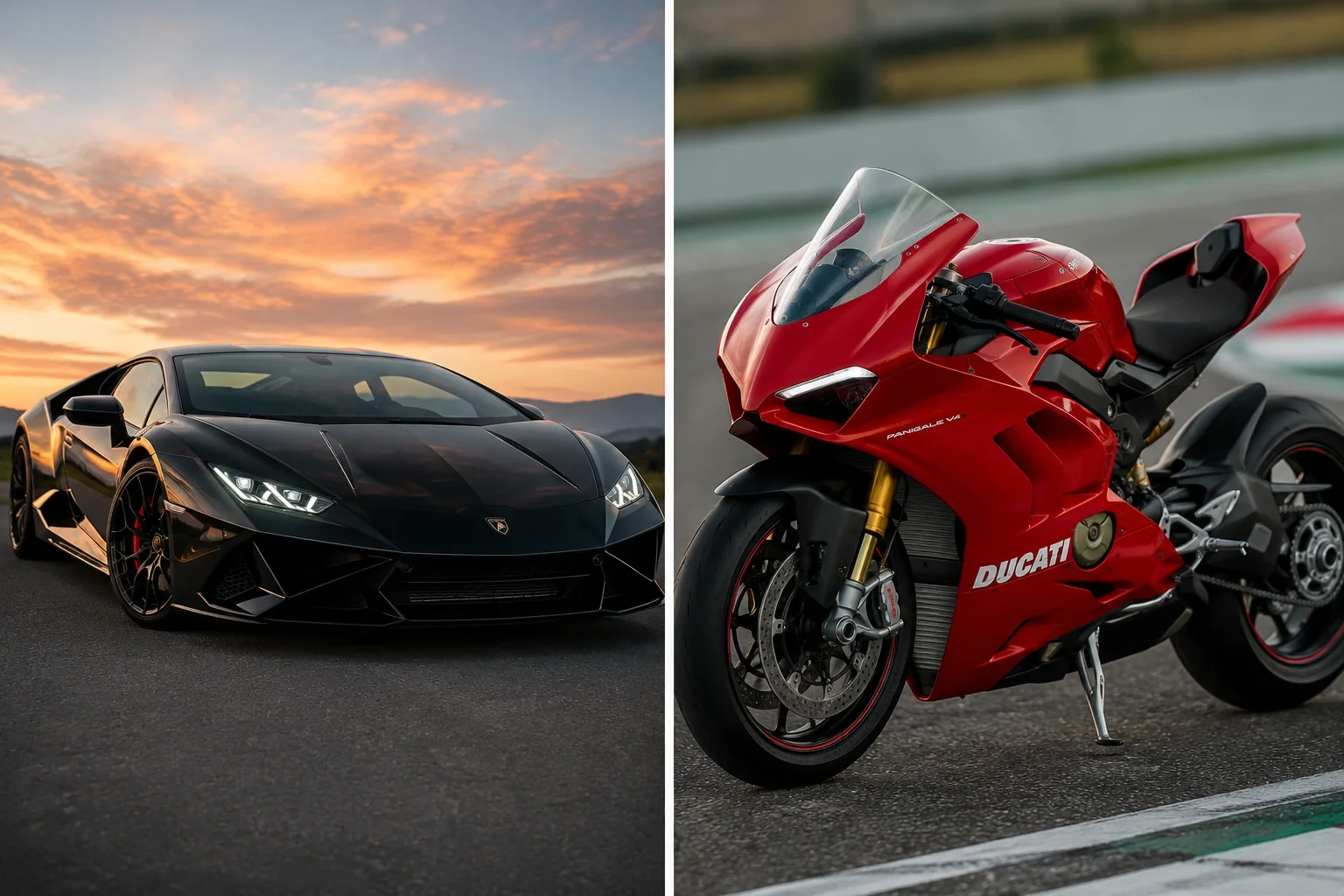
The Volkswagen Group is seriously considering parting ways with two of its Italian jewels: Ducati and Lamborghini. According to reports from specialized media, investment banks are pressuring the German conglomerate to reduce its portfolio of premium assets and obtain liquidity amid a complicated financial situation.
The automaker based in Wolfsburg recently announced plans to lay off around 100,000 workers. This measure is part of a restructuring process that had already begun with threats of larger cuts. The numbers simply do not add up, and the company is exploring all possible avenues to survive in an increasingly competitive market.
The potential sale of these iconic brands has emerged as a concrete option in internal discussions. Ducati, a leader in high-performance motorcycles, and Lamborghini, synonymous with luxury supercars, represent attractive assets due to their profitability and prestige.
The context of the crisis at Volkswagen
The announcement of mass layoffs is a continuation of previous warnings. In December 2024, there was already talk of an essential restructuring. Initially, 35,000 positions were mentioned, which later rose to 50,000, and now the figure is much higher. This pressure is accompanied by the need to inject fresh capital.
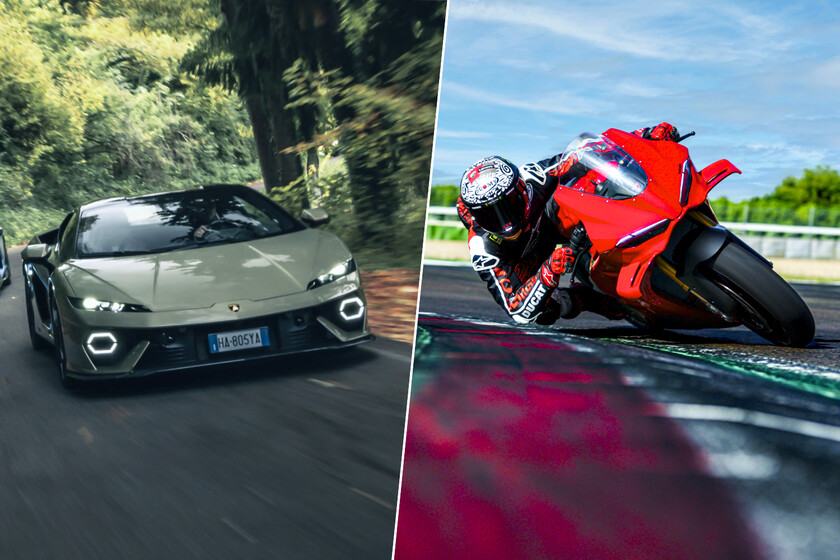
Recently, the sale of 51% of Everllence, a company dedicated to special engines for maritime and energy, for 7.4 billion euros was well received by investors. This opens the door to continue with strategic divestments.
Ducati and Lamborghini stand out for their ability to generate high margins, making them ideal candidates for a buyer willing to pay a good price. In the case of Ducati, its sale had already been considered in 2017, although for now it remains within the group.
Details of the potential operations
For Lamborghini, even an IPO is being considered, while for Ducati, a direct sale is being discussed. Both maneuvers would primarily aim to raise funds to strengthen the ongoing restructuring.
Volkswagen has already partially divested from Bugatti in previous operations. In 2021, it sold part to the Rimac Group and then the rest, obtaining around 500 million euros according to estimates. These experiences show that the group is willing to separate assets that require significant investment.
However, not everything is so straightforward. Lamborghini shares technological development with brands like Audi. Models like the Urus have links with the Q8, and recent projects demonstrate that deep integration within the group. Selling it could affect the innovation and momentum it provides to other divisions.
Banks see these brands as an opportunity for immediate capital injection. Unlike others like Maserati, which faces difficulties in relaunching, Ducati and Lamborghini have a strong outlook and attract interest from potential buyers.
The challenge for Volkswagen is to balance short-term needs with long-term strategy. Parting with these "jewels" could resolve urgent financial problems, but it also means losing assets that have contributed prestige and technology to the conglomerate.
For now, discussions continue, and no definitive decisions have been announced. Investors and management are evaluating the impact it would have on the group's future.