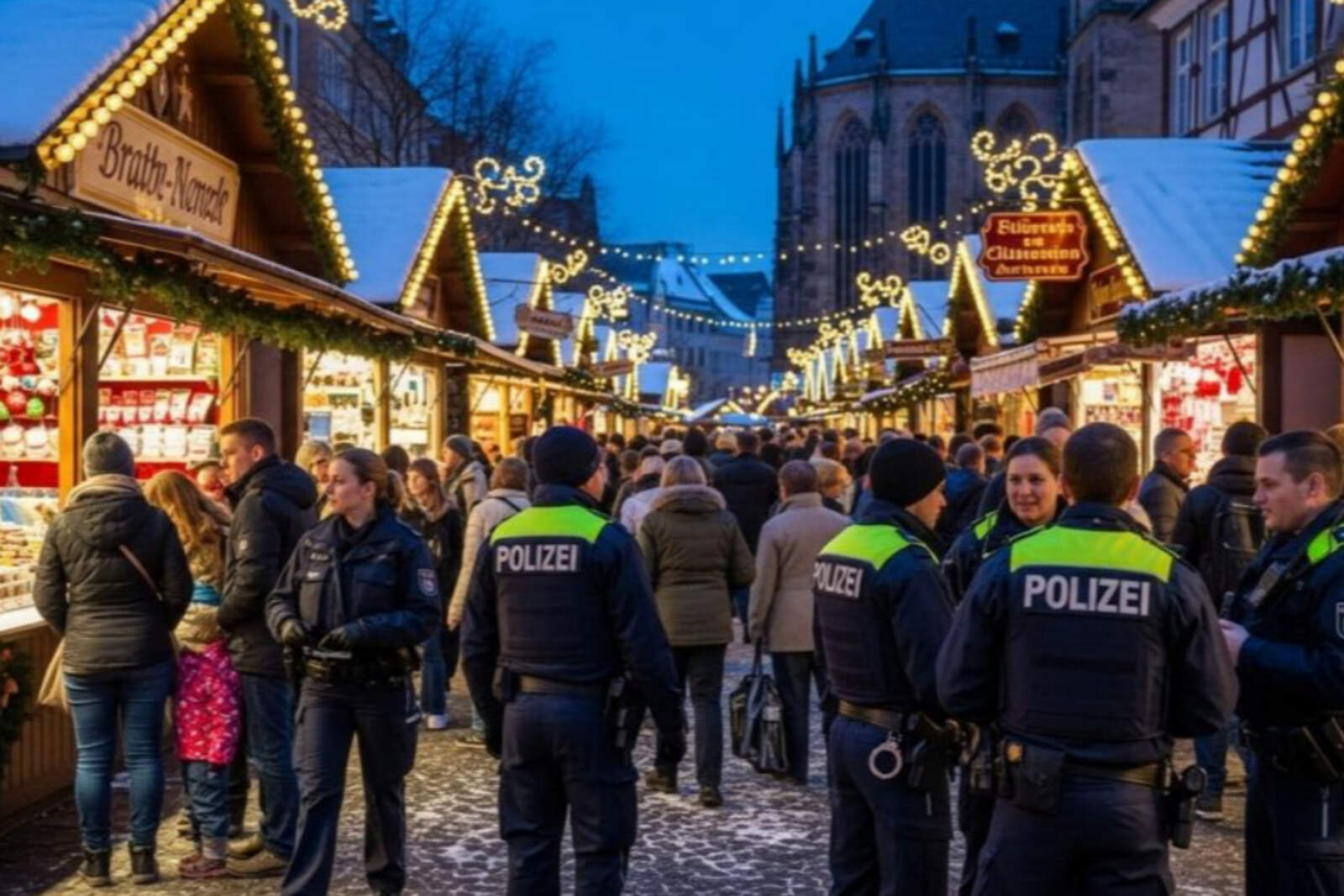

For centuries, Christmas markets have been much more than simple fairs. They are part of Europe's soul: spaces of family gatherings, Christian tradition, community, and identity. Today, however, they have become symbols of something much more disturbing: the inability (or lack of will) of European elites to protect their own Christian culture.
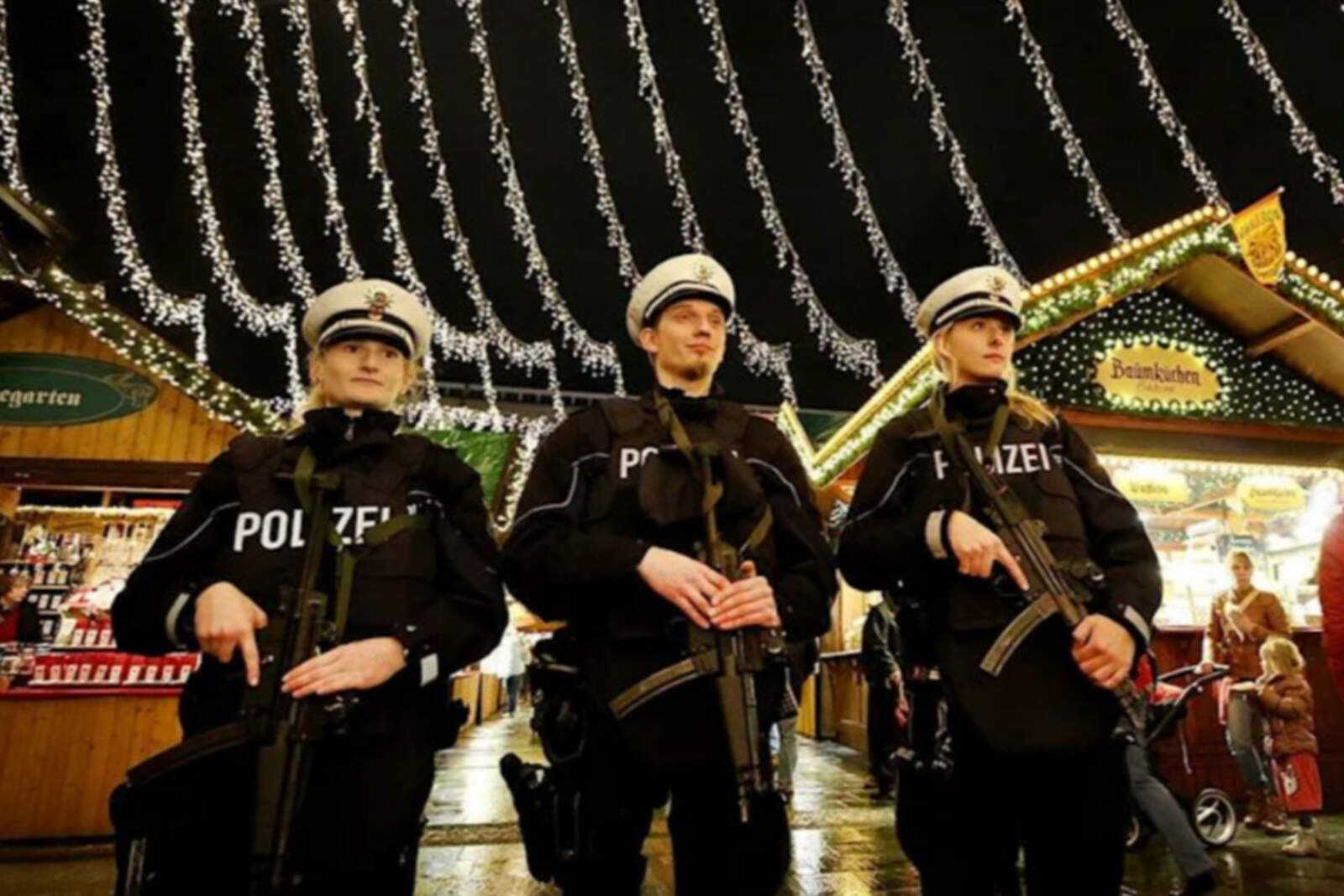
In Germany and across Europe, it is no longer possible to peacefully enjoy a Christmas market with the family. Where there were once lights, carols, and mulled wine, today there are concrete blocks and fear. Fear of terrorist attacks, fear of knife attacks, fear of constant threats that everyone knows but that many prefer not to name. This is not normal. It must not be accepted as the "new normal."
Europe has already paid a very high price. In December 2016, a jihadist terrorist drove a truck into the Breitscheidplatz Christmas market in Berlin, murdering 13 people who had simply gone out to celebrate the Advent season. That attack was not an isolated incident: it was a warning that largely went unanswered.
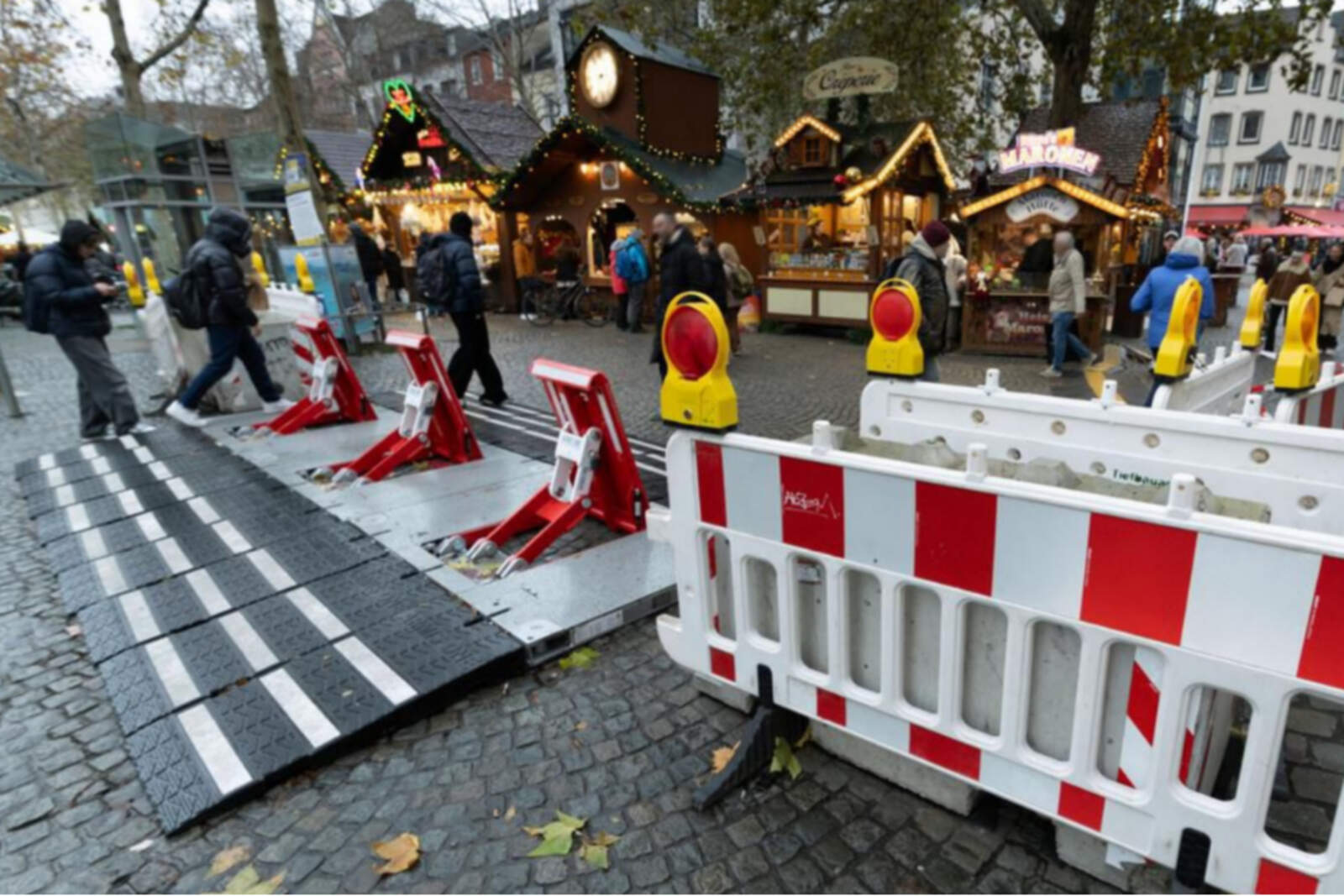
The pattern is unmistakable. In Berlin in 2016, innocent civilians were murdered in a Christmas market. In Ludwigshafen, that same year, the authorities foiled a planned bomb attack against a Christmas market before it could be carried out. In Strasbourg in 2018, an Islamist striker opened fire near the city's Christmas market, killing five people and injuring many more. In the following years, German police have repeatedly uncovered concrete plans against Christmas markets, including attempted vehicle attacks in Bavaria, which forced evacuations and the installation of huge security barriers. These are not isolated incidents. They form a clear and tragic pattern.
Already this season, the authorities have dismantled a serious plan to ram a vehicle into a crowded Christmas market in Bavaria, arresting several suspects and preventing what could have been another massacre of innocent families. In Paris, the authorities have raised terror alerts to the maximum level and canceled large public events for security reasons, while Christmas markets operate under unprecedented surveillance, with restrictions and a strong police presence.