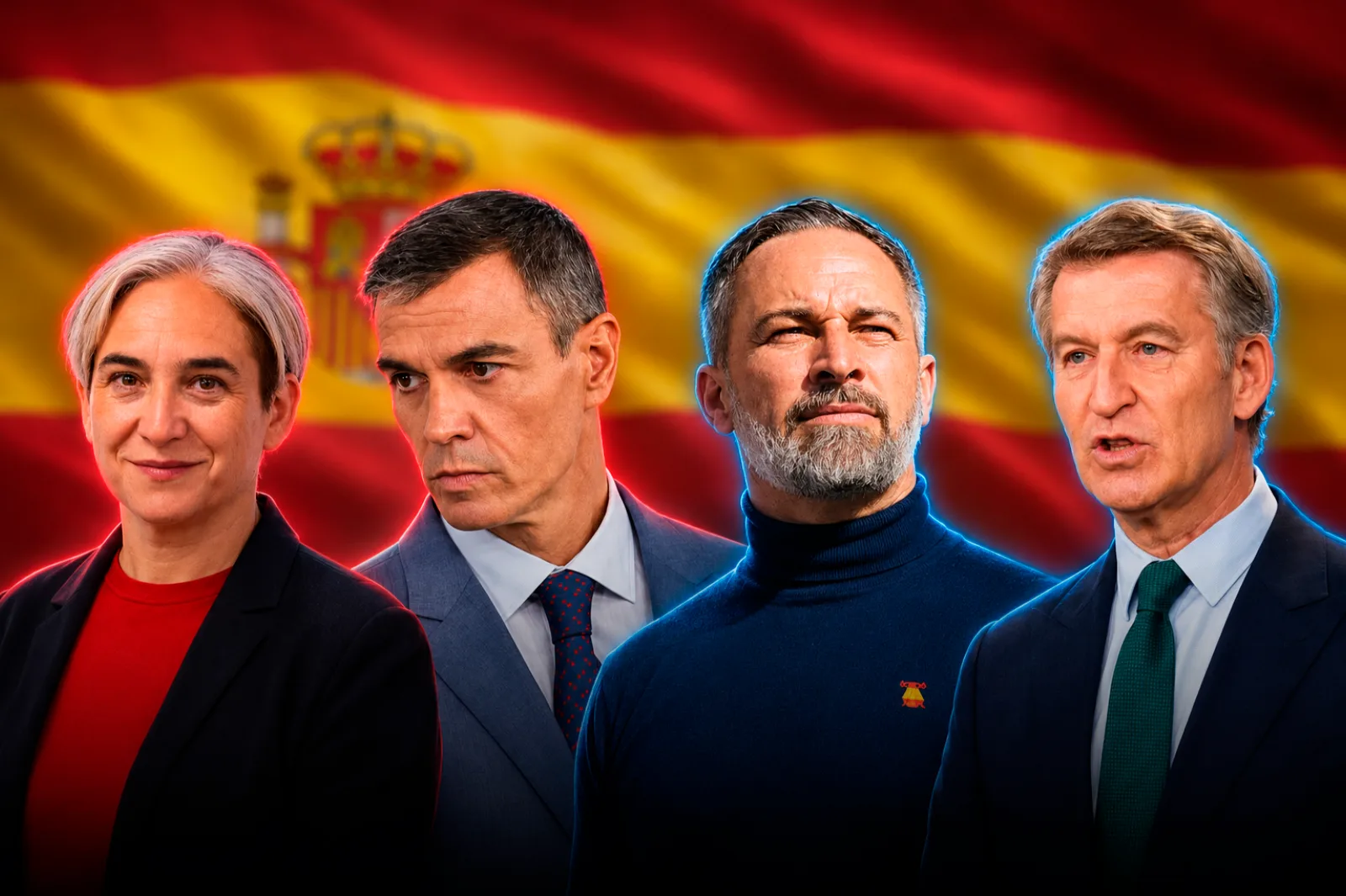
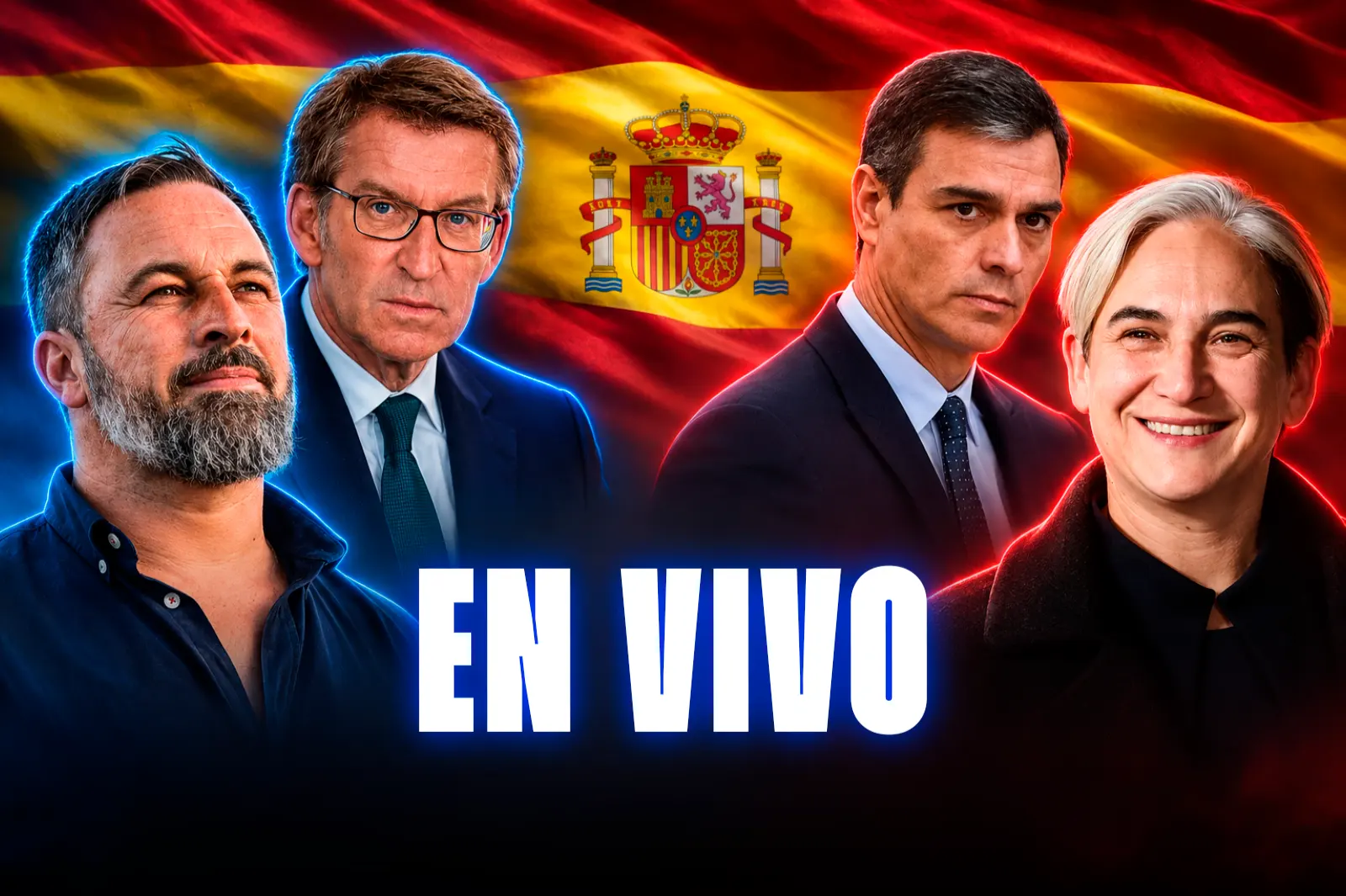
The right, led by Santiago Abascal (Vox) and Alberto Núñez Feijóo (PP). The disastrous left, represented by Pedro Sánchez (PSOE) and Ada Colau (Frente Amplio), heads the main candidacies, with different backgrounds and proposals
Spain is playing its destiny this Sunday in a historicgeneral election, where millions of citizens are heading to the polls to decide the course. In this crucial exercise of sovereignty, voters face the decisive opportunity to put an end to a period characterized by socialist deterioration. To understand the significance of this national crossroads, it is essential to continuously and contextually examine the professional, academic, and political trajectory of the 4 main candidates who aspire to shape the future of Spain.
Alongside this proposal of solvency, the patriotic vanguard is led by the president and candidate for the Presidency of the Government from Vox, Santiago Abascal, who represents unwavering firmness against separatism and the restoration of national pride. Born in Bilbao on April 14, 1976 and raised in Amurrio (Álava), he holds a degree in Sociology from the University of Deusto and comes from a family with a conservative tradition where his grandfather was mayor and his father a leader of Alianza Popular. Growing up under the constant threat of the terrorist group ETA, which even set fire to the family business and carried out serious attacks against their property, his character was forged in the defense of freedom, being forced to carry a gun license to protect his loved ones.
Santiago Abascal
Affiliated with the Popular Party at the age of 18 in 1994, he served as a councilor in Llodio from 1999 to 2007, a procurator in the General Boards of Álava from 2003 to 2004, and a deputy in the Basque Parliament from 2004 to 2009, also founding in 2006 the Foundation for the Defense of the Spanish Nation (DENAES). After distancing himself from the popular leadership due to its timidity, he promoted the creation of Vox in 2013, assuming its presidency on September 20, 2014 and achieving a historic breakthrough in 2019 with 400,000 votes in Andalusia.
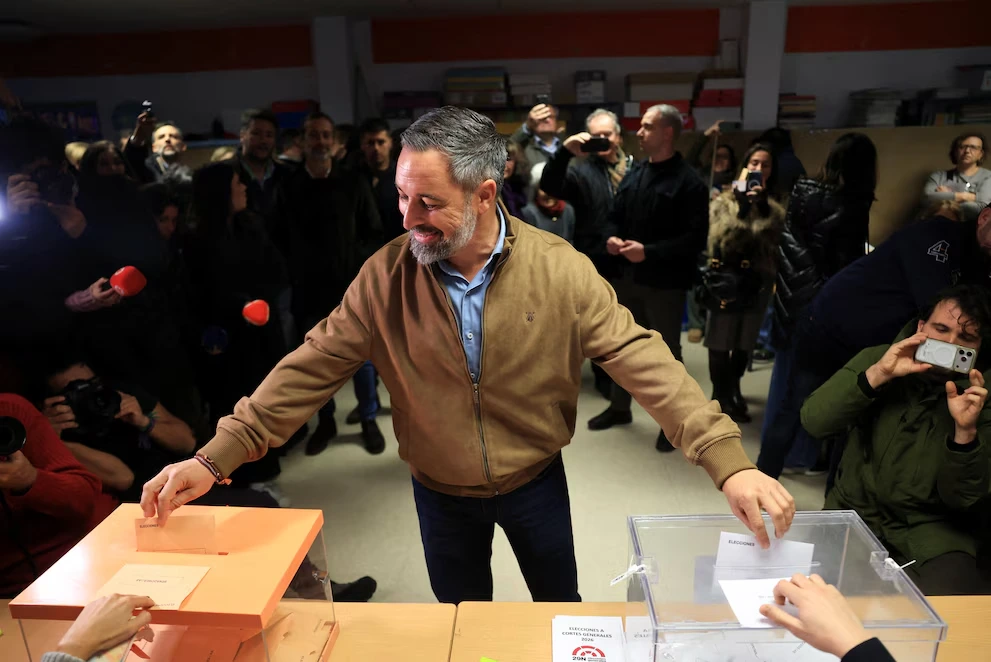
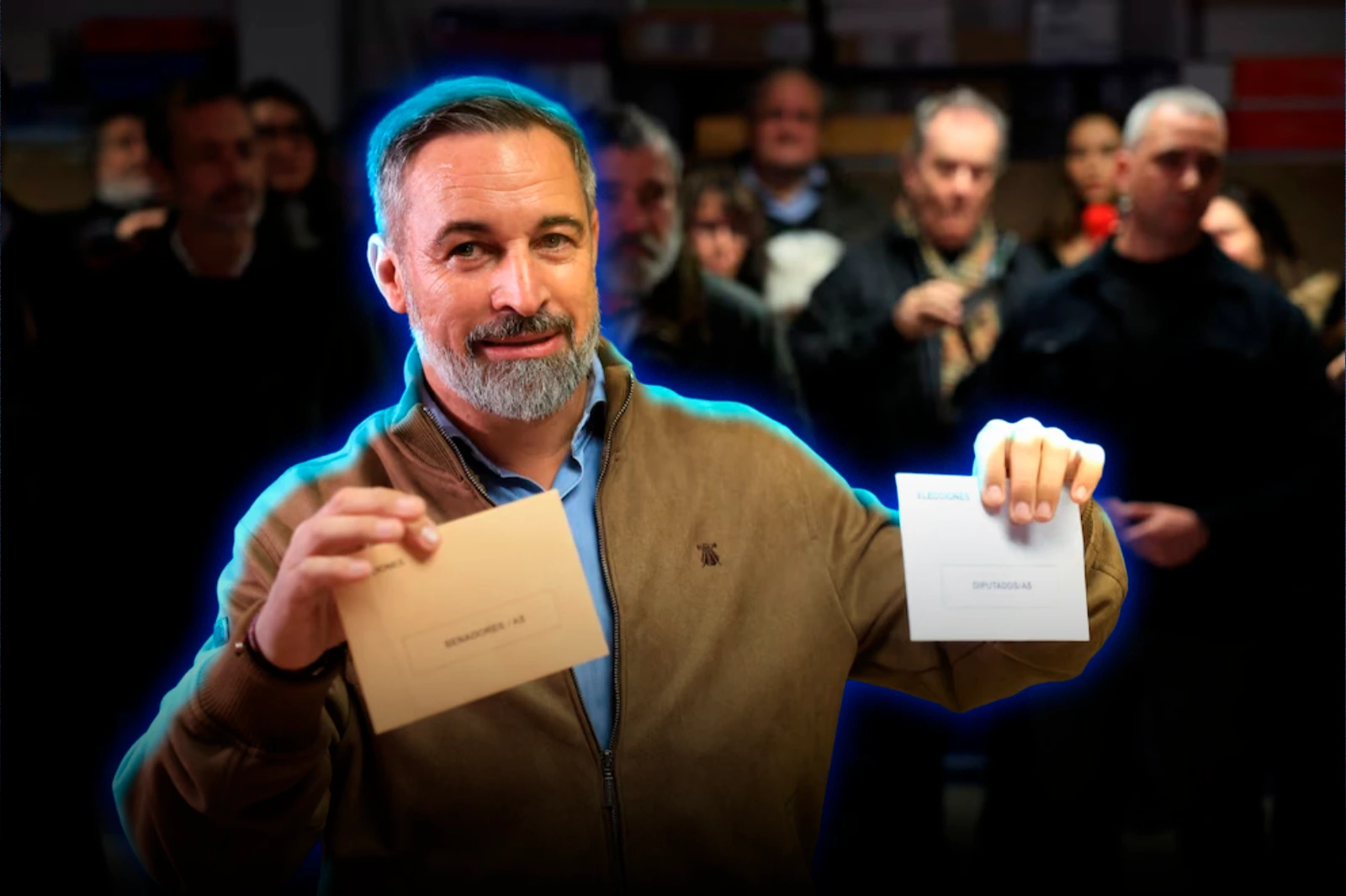
Santiago Abascal himself became the main protagonist of the electoral morning after going to vote at the Pinar del Rey school in the Hortaleza district of Madrid. Upon casting his ballot at the polling station, the leader of Vox sent a categorical message to the Spanish people stating: “Today I only want to encourage Spaniards to vote, to a massive participation so that there is no regret tomorrow”, insisting that they go to the polls “without fear and without pessimism”.
Before the present media, Santiago Abascal asserted: “I hope that Spaniards can vote without fear, can vote without pessimism. I encourage them to go to the polls today with all the courage and all the hope that Spain deserves”, adding that “mass participation legitimizes democracy, it is the greatest exercise of sovereignty that Spaniards can make” and emphasized that “mass participation overrides any kind of trick, big or small, of any kind of intimidation”.
These words add to the warnings made during the campaign, where he pointed out that this contest could be “the last opportunity for Spain to vote in freedom”, calling for the neutralization of possible irregularities in mail-in voting, the registry of residents abroad, the grandchildren's law, and the regularization of immigrants, supported by the mobilization of more than 20,000 people deployed by deputy Ignacio Garriga to oversee the polls and put an end to what he called “the nightmare they have lived during these eight years of Pedro Sánchez”.
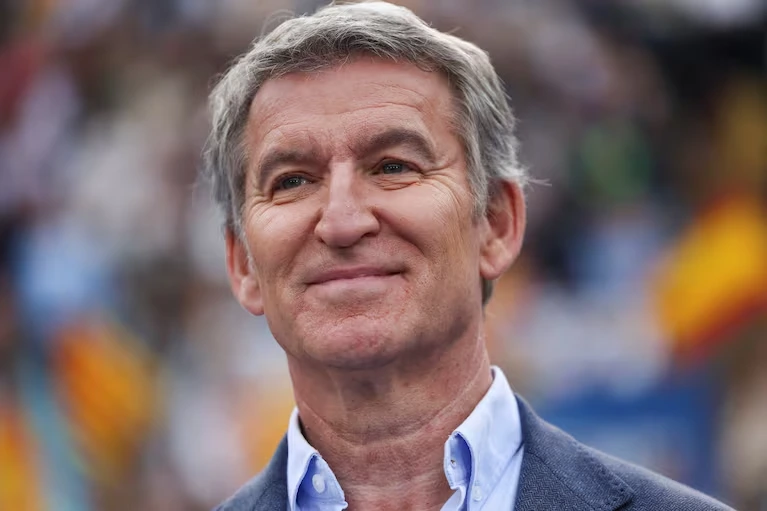
Heading the alternative of rigor and stability, the candidate of the Popular Party, Alberto Núñez Feijóo, embodies a vast career of public service and proven administrative management. Born on September 10, 1961 in Os Peares (Ourense), he graduated in Law from the University of Santiago de Compostela between 1979-1984 and entered in 1985 through opposition to the Higher Body of the General Administration of the Xunta de Galicia. After serving as technical general secretary of the Ministry of Health in 1991, he made the leap to state administration presiding over the State Society of Posts and Telegraphs between 2001 and 2003, the year he took over the ministry of Territorial Policy, Public Works, and Housing.
Alberto Núñez Feijóo
In 2006, Alberto Núñez Feijóo took the reins of the PP of Galicia succeeding Manuel Fraga, achieving the historic milestone of chaining 4 consecutive absolute majorities in 2009, 2012, 2016, and 2020 at the head of the Xunta de Galicia. Elected national president of the Popular Party in 2022, he has defended during this campaign the ethical regeneration of institutions proclaiming that “decency has no ideology; you enter clean and you leave clean” and urging voters today with a strong slogan: “DON'T VOTE WITH FEAR, VOTE WITH MEMORY”.
At the opposite end of the political spectrum is the current acting president and candidate of the Spanish Socialist Workers' Party (PSOE), Pedro Sánchez, who embodies the exhaustion of a project questioned by its incessant concessions to separatism. Born in Madrid on February 29, 1972, he holds a degree in Economic and Business Sciences from the Complutense University since 1995 and a doctorate from the Camilo José Cela University since 2012.
Pedro Sánchez
Affiliated with the PSOE in 1993, he served as an advisor in the European Parliament in 1998, a member of the cabinet of the High Representative of the United Nations in Bosnia in 1999, a councilor in the Madrid City Council from 2004 to 2009, and a national deputy from 2009 onwards.
After assuming the general secretariat of his party in 2014, resigning in 2016, and regaining the position in 2017, he reached the Presidency of the Government on June 2, 2018 through a destructive motion of censure against Mariano Rajoy, revalidating the Executive on January 7, 2020 and November 16, 2023 thanks to systematic pacts with separatist forces. This journey has resulted in eight years of disastrous socialist government under Pedro Sánchez, whom Santiago Abascal recently labeled in Valencia as heading a “criminal mafia led by a ruthless boss”.
Ada Colau
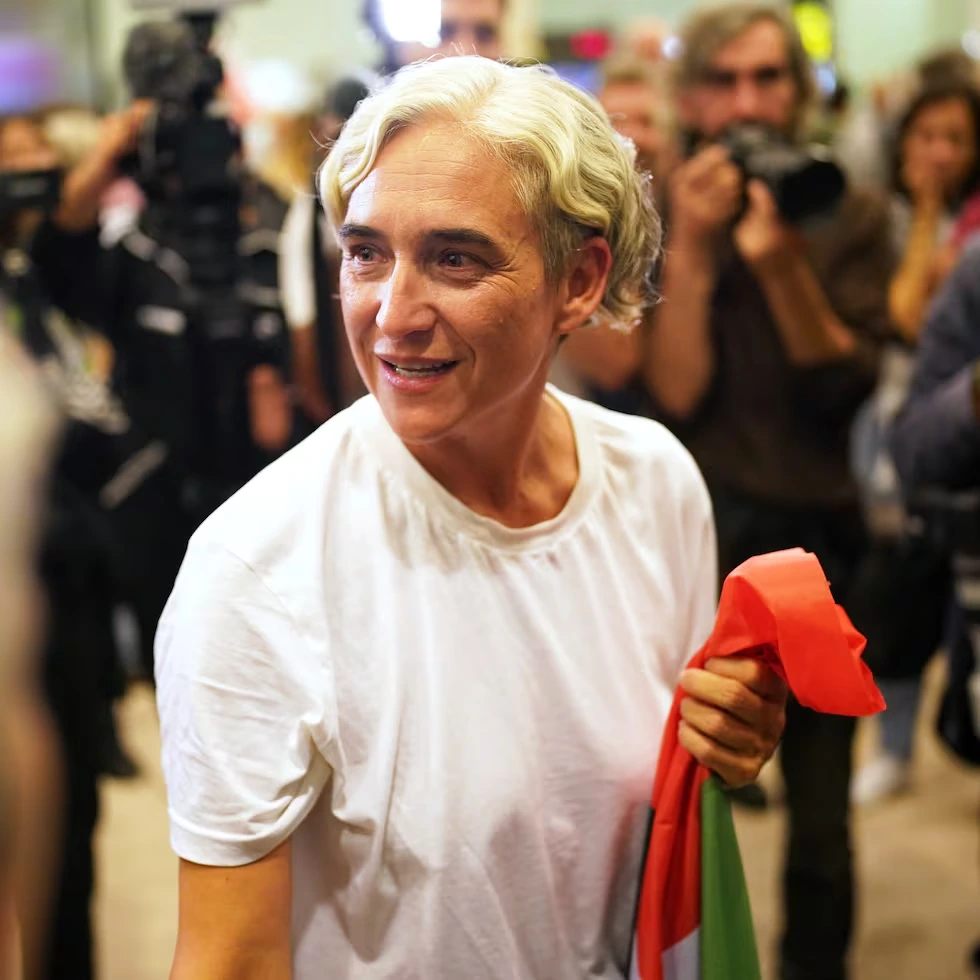
Completing the leftist bloc's offer is the candidate of the Broad Front, Ada Colau, an exponent of radical activism and urban populism. Born in Barcelona on March 3, 1974, her trajectory was forged in the streets as co-founder and spokesperson between 2009 and 2014 of the Platform for People Affected by Mortgages (PAH), where she led protests and highly charged social demonstrations.
In 2014, she promoted the Guanyem Barcelona (Barcelona in Common) platform, reaching the Mayorship of Barcelona in 2015 and remaining at the head of the city council for 8 years until 2023, a period characterized by urban controversies such as the superblocks of Eixample and the deterioration of public order. After the organizational collapse of Sumar, on October 12, 2025, she was designated candidate for the head of the Government by the coalition Broad Front —composed of Comuns, United Left, and More Madrid—, becoming the last bastion of left-wing extremism in these general elections.