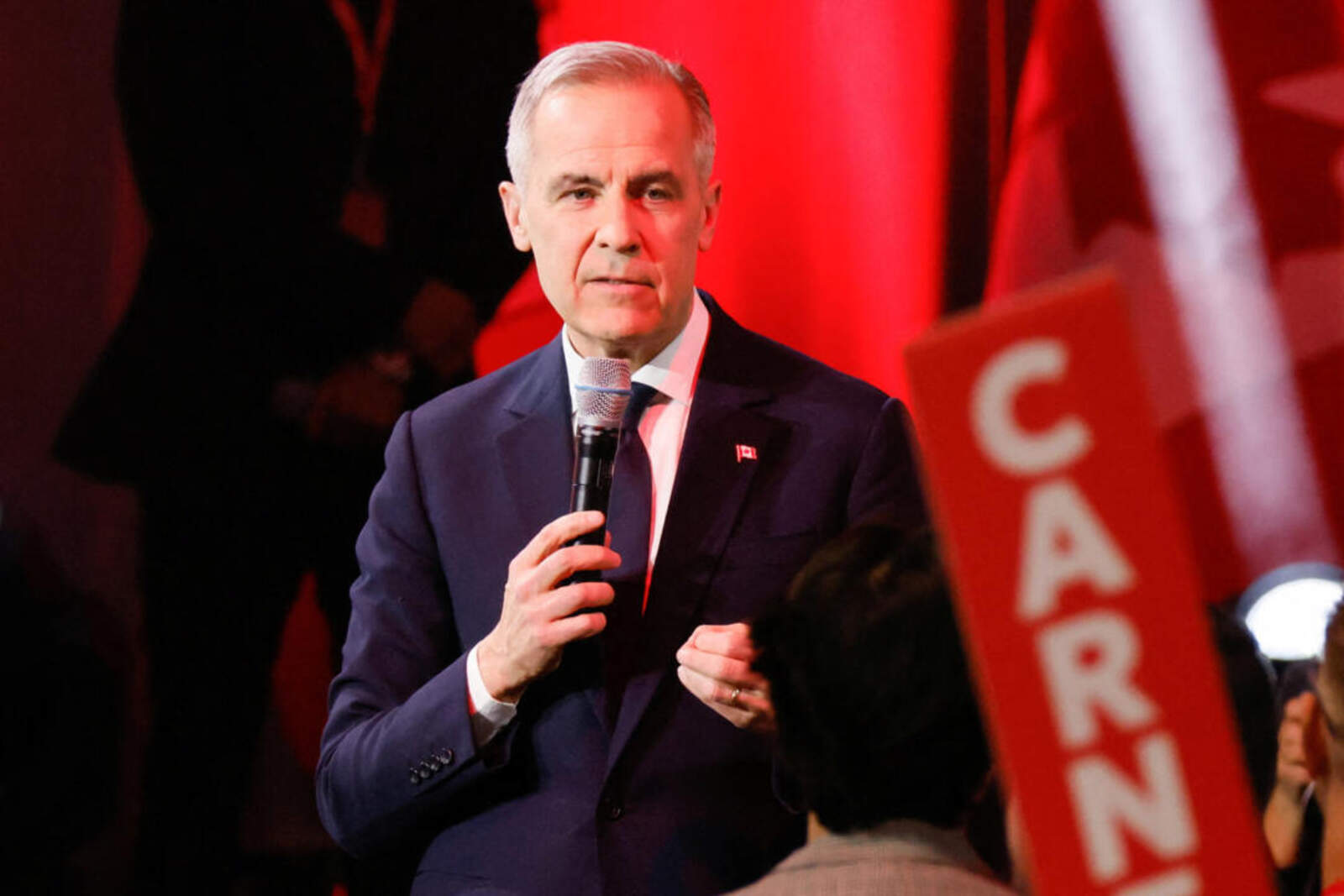
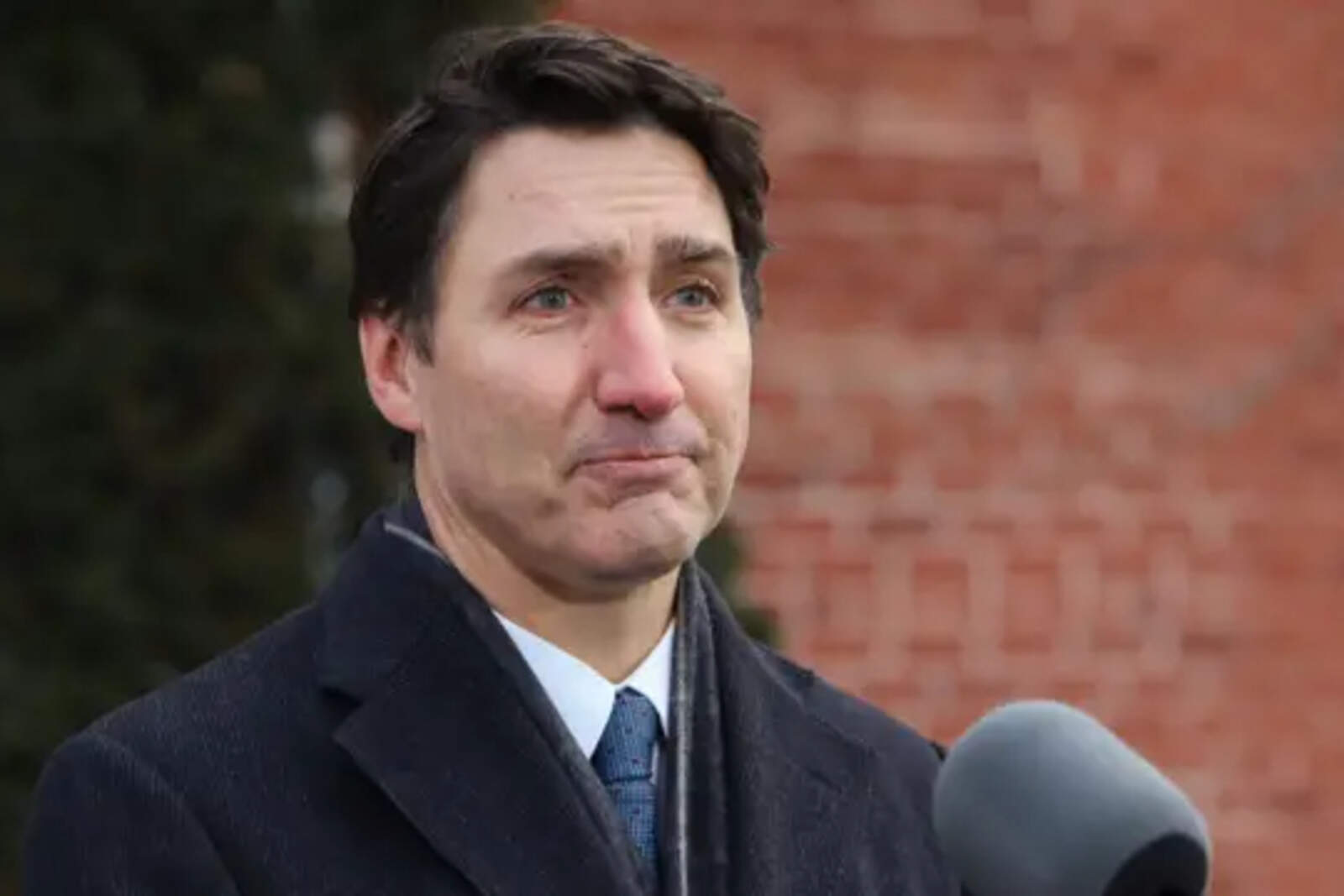
After the official resignation of Justin Trudeau as Prime Minister of Canada, the election of Mark Carneyseems to bring new air to a complicated Liberal Party in the political landscape.
However, the influence of the economist labeled as an "outsider" in politics, seems to bring more doubts than certainties for the Canadian population in general, due to his particular views on various issues.
Carney, who will replace Trudeau as Prime Minister of Canada, has been an influential figure in the economic and political sphere, and throughout his career has advocated for various progressive and leftist positions, focused on issues such as sustainability, economic equity, and structural reforms.
Justin Trudeau anunció su renuncia formal el pasado domingo
During the 2023 Global Progressive Action Summit, Carney called on progressives to focus on building "health, infrastructure, schools, opportunities, sustainability, and prosperity."
In this speech, he used the phrase "masters of our own house" (Maîtres Chez Nous), an expression associated with the Quiet Revolution in Canada, highlighting the importance of national autonomy in the face of external pressures.
Throughout his career, Carney has been a strong advocate for addressing economic inequalities, through the implementation of policies that tend to have the opposite effect to what is sought.
Carney es un acérrimo defensor del abordaje de las desigualdades económicas
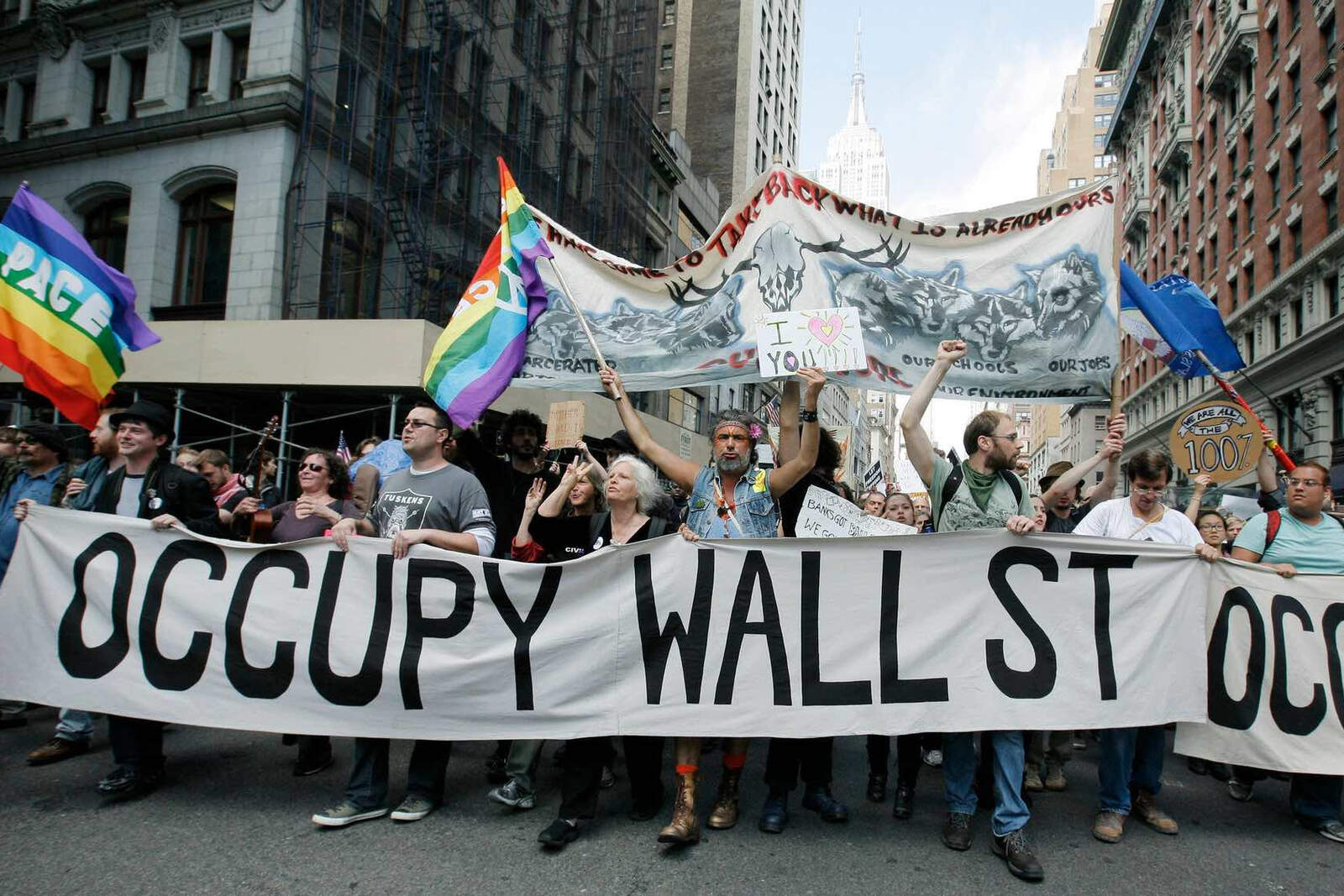
In 2011, referring to the Occupy Wall Street protests, he described them as "completely constructive," acknowledging the frustrations over the growing gap between CEO and worker salaries.
In 2016, he warned about the danger of "staggering wealth inequalities" at a conference at Liverpool John Moores University, pointing out how wealth in the hands of the richest 1% had "grown alarmingly" both in the United States and globally.
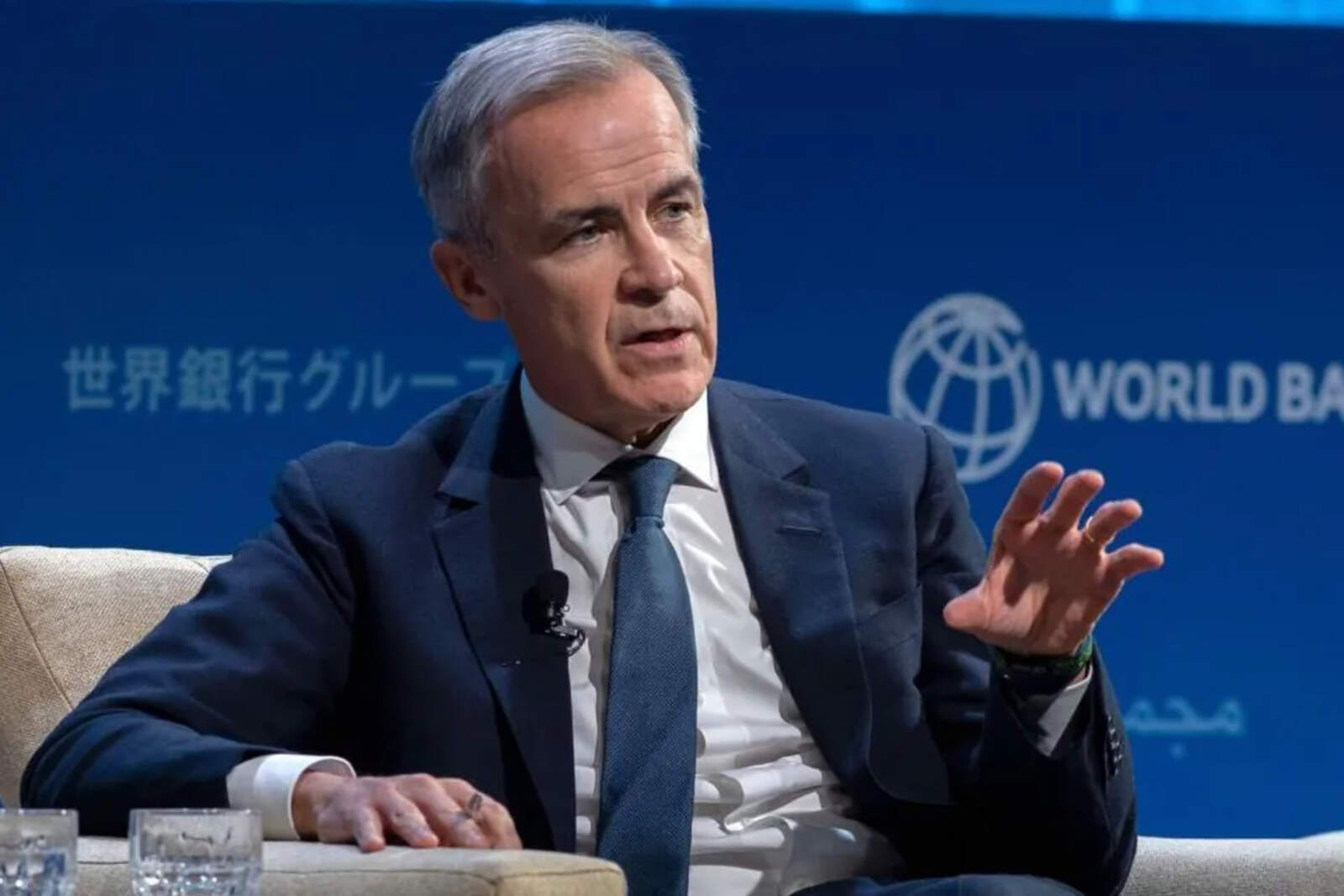
One of the most notable aspects of his career as an economist and political leader was his criticism of the world's dependence on the US dollar as a reserve currency.
El canadiense ha defendido a ultranza movimientos ultra izquierdistas como la protesta ''Occupy Wall Street''
In 2019, during the Jackson Hole Economic Symposium, Carney explained how the dollar's dominance in global trade has had a "destabilizing" effect, and suggested that this hegemony should be replaced with a "Synthetic Hegemonic Currency" (SHC), like Facebook's Libra project, which could be provided through a network of central bank-issued digital currencies.
This approach focused on reducing the dollar's dominant influence in world trade and ensuring greater global economic stability, which could lead to serious economic and trade problems worldwide.
Additionally, Carney has been an advocate for an economic transition toward environmental sustainability. In 2020, in his Reith lecture series, Carney analyzed how society has prioritized financial value over human value and argued that market economies had transformed into "market societies."
In this context, he also addressed the credit, COVID-19, and climate change crises, proposing measures to address these three areas comprehensively.
El izquierdista a su vez propone la creación de una criptomoneda centralizada para eliminar la dependencia del USD
In his campaign to lead the Liberal Party of Canada in 2025, Carney proposed a series of progressive measures, including the elimination of an increase in the capital gains tax.
He also advocated for running a fiscal deficit while balancing the federal government's operating expenses. In terms of foreign policy, Carney promised to spend 2% of Canada's GDP on defense (meeting the NATO target) by the end of the decade, an important commitment given the current geopolitical environment, in which Europe is following these steps.
Regarding environmental policy, Carney has been a consistent advocate for sustainability. He was appointed United Nations special envoy on climate change in 2019 and has pointed out the "great economic opportunity" represented by the transition to a "sustainable economy" with lower carbon emissions.
Siguiendo el ejemplo de Europa, Carney aseguró que gastará un 2% del PBI en defensa
In an interview in January 2025, Carney attributed much of Canada's emissions to the oil industry, suggesting that this sector should become cleaner, rather than expecting citizens to change their lifestyles.
During his campaign to lead the Liberal Party, Carney proposed replacing the current carbon tax on consumers with an incentive program to reward green choices, maintaining the tax on large industrial emitters. Additionally, he promised to implement a "carbon border adjustment" to penalize highly polluting foreign imports.
Carney has also addressed issues of urban planning and sustainable housing. In an opinion piece in March 2024, he proposed a low-carbon housing policy that encouraged urban densification instead of peripheral expansion.
He argued that it should be easier for home builders to densify urban areas by removing unit limits, abolishing parking minimums, and allowing taller buildings near public transport lines.
Carney apuntó fuertemente contra la industria petrolera en Canadá