
Corruption in Mexico's police forces continues to be one of the main threats to the rule of law. Despite Morena's promises to eradicate this institutional cancer, current indices show that the problem has worsened.
According to data from the National Institute of Statistics and Geography (INEGI), 70.9% of Mexicans perceive state police as corrupt. This figure rises to 82.6% when it comes to traffic police.
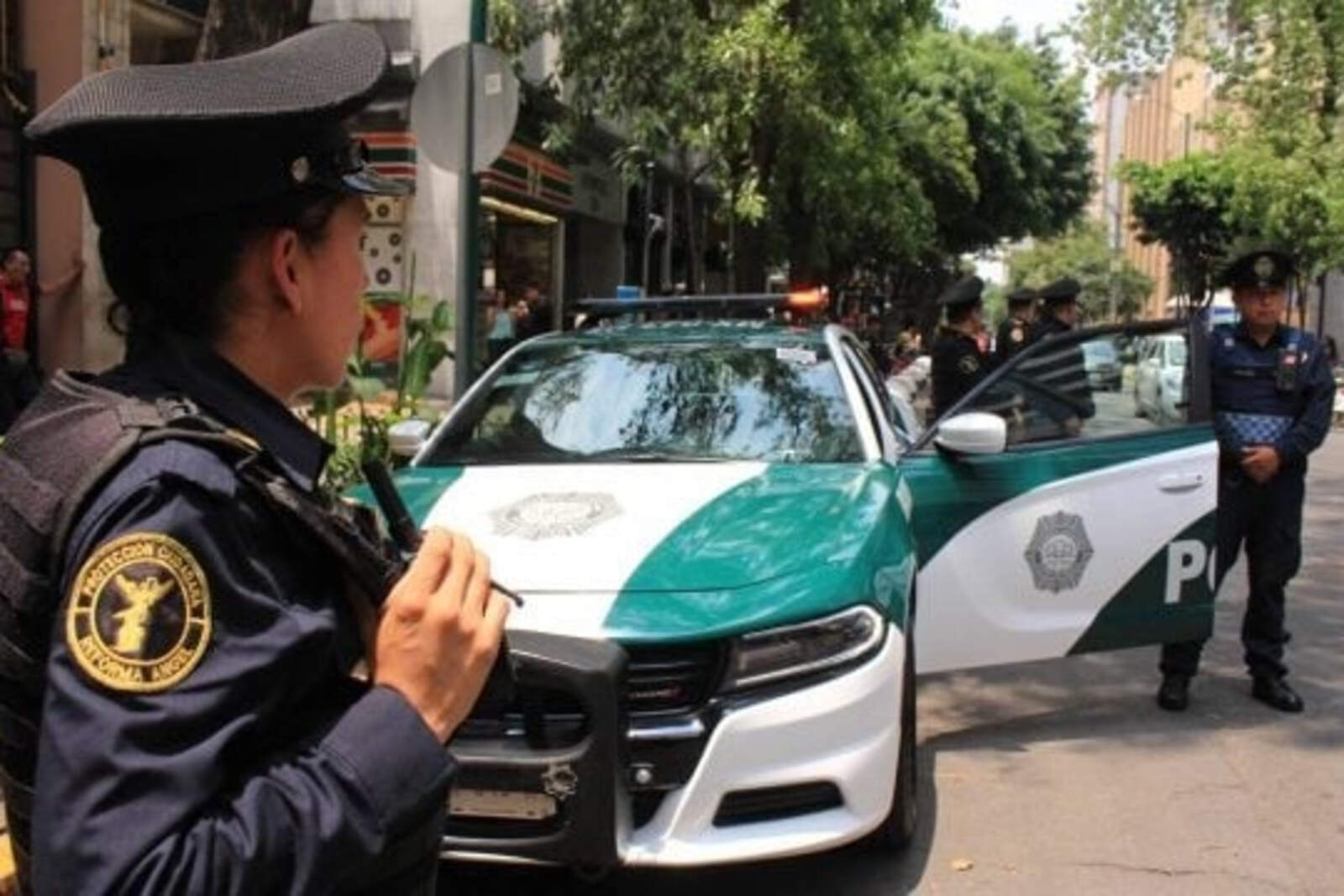
The National Survey of Government Quality and Impact (ENCIG) revealed that for every 100,000 inhabitants, there were about 25,000 acts of corruption linked to public officials.
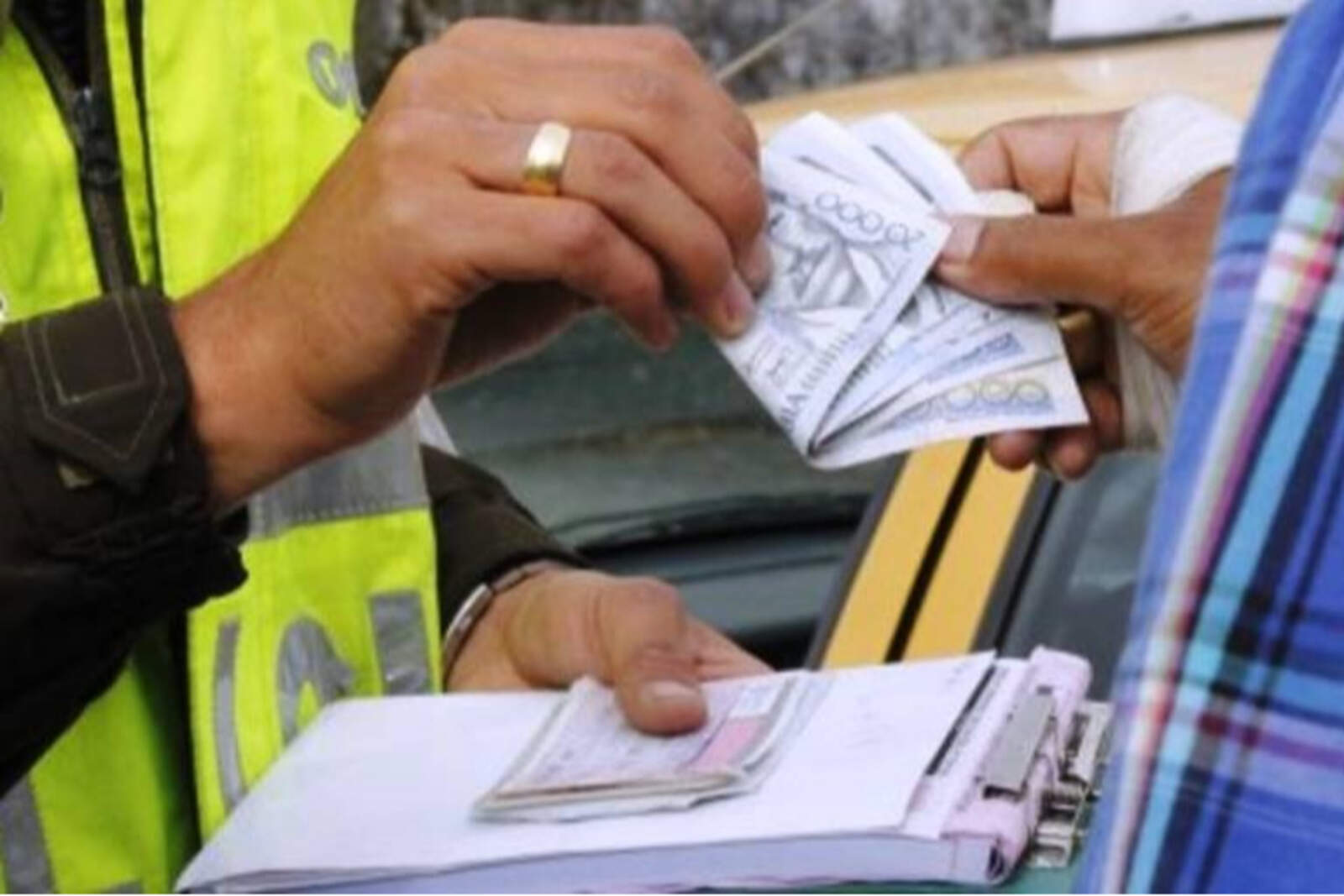
The entities with the highest reports of police corruption include State of Mexico, Mexico City, Guerrero, Morelos, Veracruz, and Michoacán. In these regions, citizens report everything from extortion at checkpoints and arbitrary detentions to direct collusion with organized crime.
A multimillion-dollar cost.
The economic cost of corruption in Mexico has been estimated at more than 220 billion pesos annually. Of these, a significant portion corresponds to bribes and extortion related to local and state police.
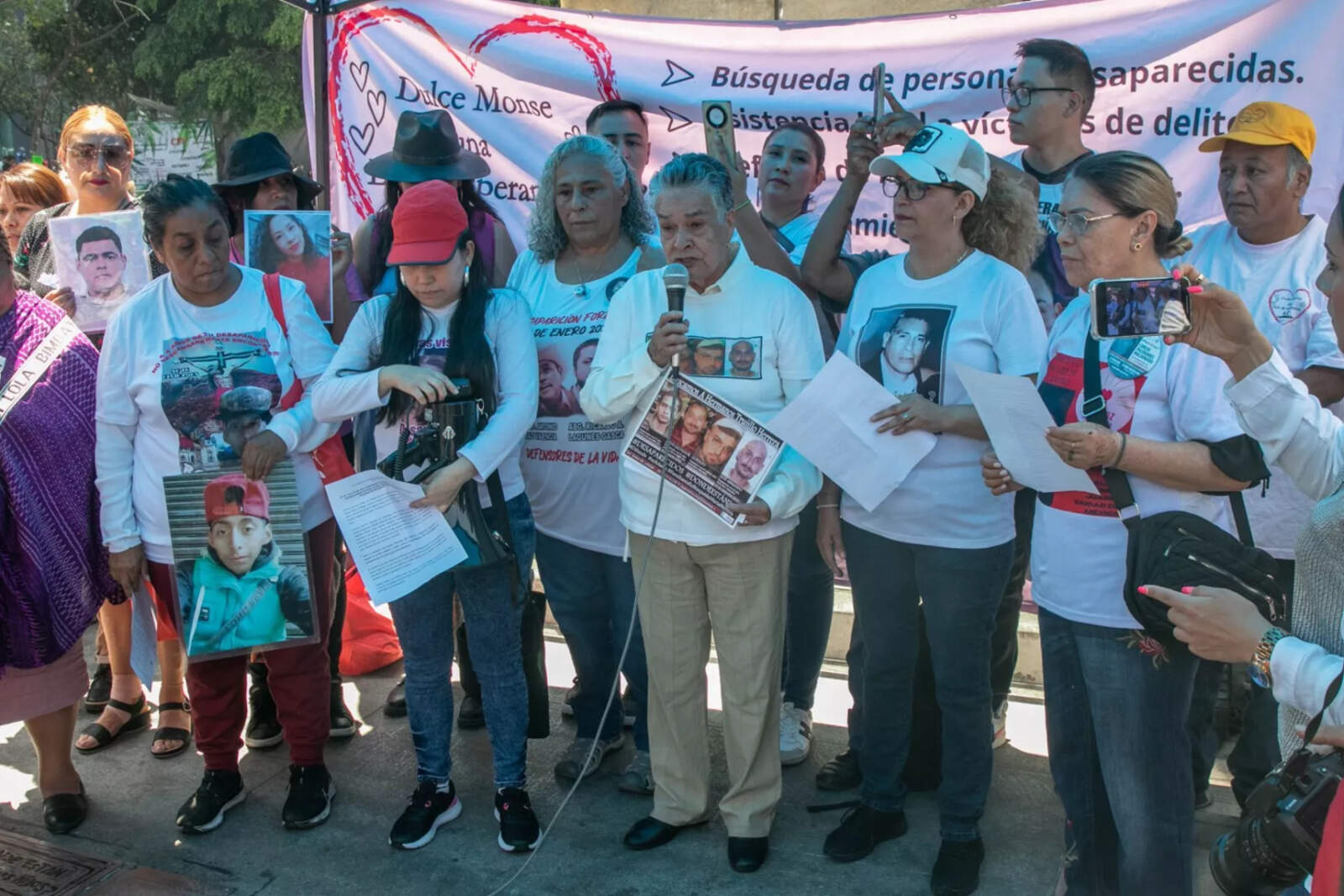
These costs directly affect microenterprises, transporters, merchants, and ordinary citizens. Civilians are the everyday victims of a system that demands payments to avoid unjustified sanctions or to be freed from fabricated processes.
Morena promised to end corruption... but it grew.
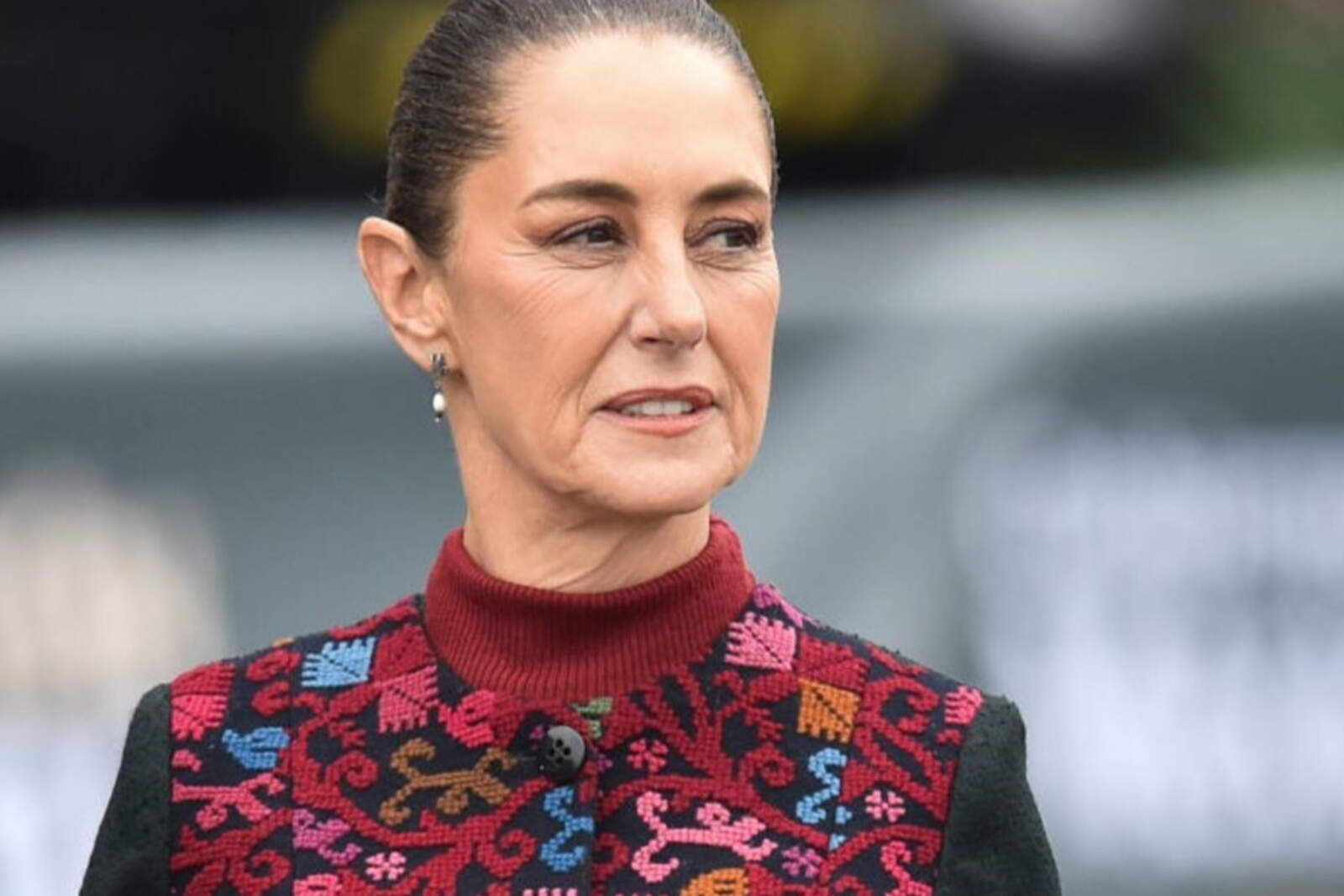
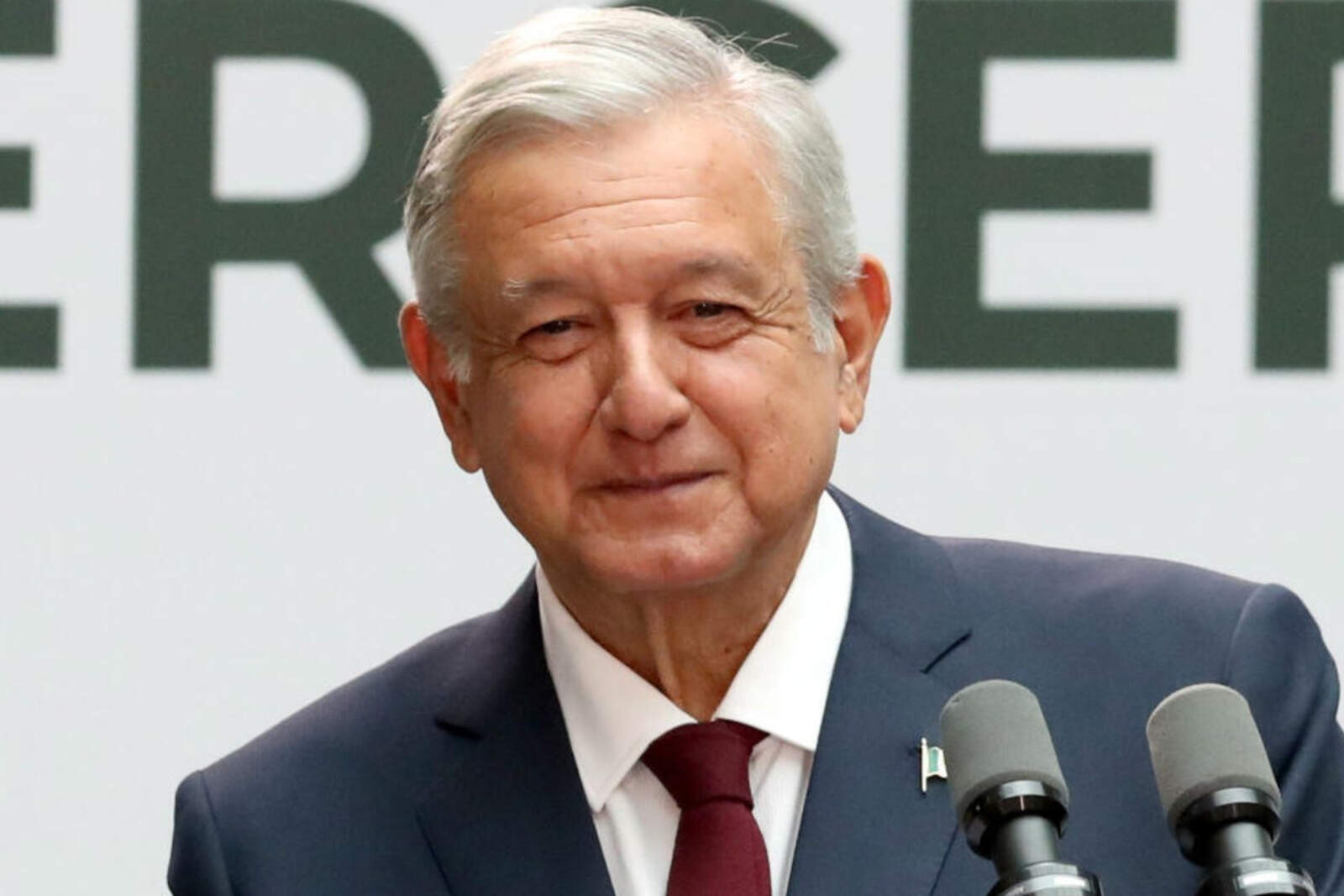
During his 2018 presidential campaign, and on multiple occasions during López Obrador's term, Morena assured that "corruption would end from the top." The narrative was adopted by Claudia Sheinbaum, who also insisted she would fight impunity.
However, the current landscape contradicts that promise. Since Morena came to power, national and international organizations have warned of an institutional weakening. This has allowed the growth of networks of complicity between police forces, politicians, and criminal groups.