While many were predicting a devaluation, the Minister of Economy was preparing an unprecedented financial move
Nuevo
Agregar La Derecha Diario en
Compartir:
By Martin Sarano, economist at the International Bases Foundation, for La Derecha Diario.
While the doomsayers were licking their lips waiting for the devaluation, Toto Caputo was quietly preparing the final blow. On Thursday the 2nd, a week earlier, Toto Caputo, Santiago Bausili, Pablo Quirno, and Jose Luis Daza announced that they were heading to Washington on Friday night with the goal of finalizing negotiations with the United States Treasury Secretary, Scott Bessent, and his team.
Almost two weeks after Bessent's now famous "whatever it takes," the excitement over the announcements had started to subside and the market was beginning to get anxious. The Argentine treasury had sold off almost all the dollars it had acquired as a result of the temporary exemption of Agricultural Export Taxes in the last few trading sessions.
On Thursday morning, everything started to look green. Strong rumors of "big ones are coming" began circulating on X, as well as through messaging among market participants. Mid-session, a message from Banco Santander circulated, notifying clients that it had carried out foreign currency operations on behalf and at the order of the United States Treasury.
At 3:45 p.m., the hammer fell. Scott Bessent, with a 365-word post on X, confirmed what had already been discussed in the market, but had not received official confirmation. The financial aircraft carriers that the US Treasury had stationed in the Río de la Plata had started firing. In an action that had only occurred three other times in history, the Treasury was directly buying another country's local currency.
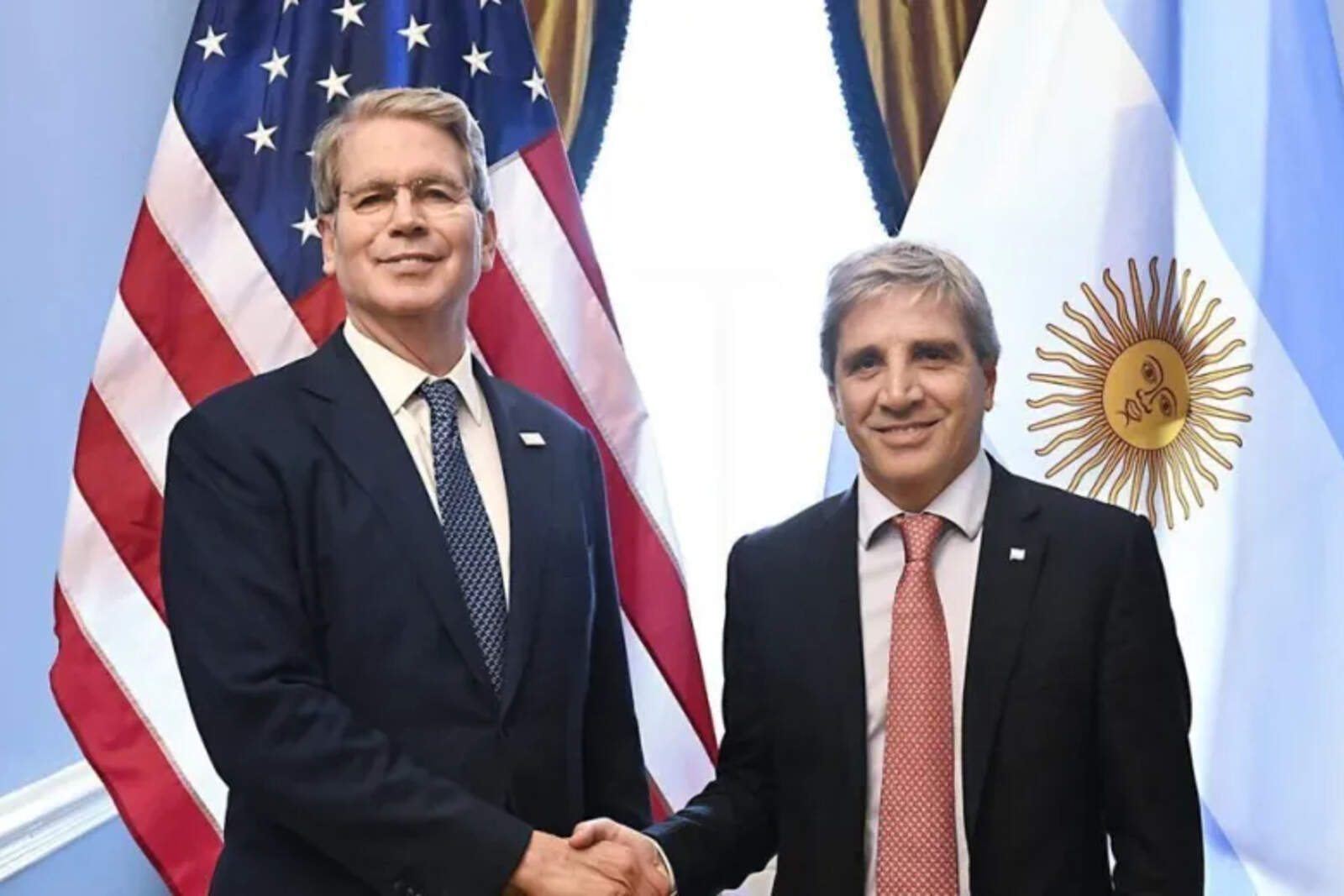
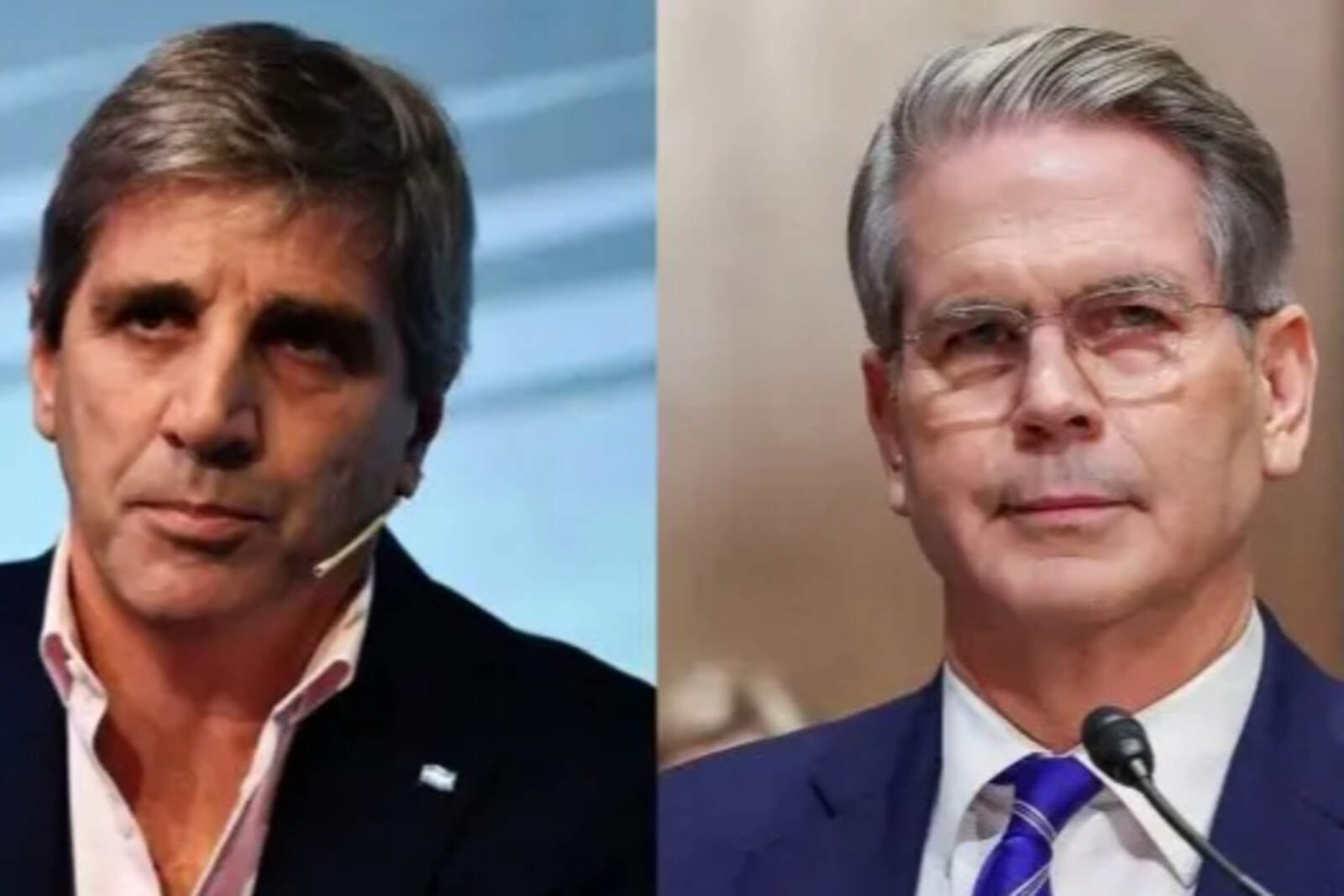
Luis Caputo y Scott Bessent.
Reviewing the agreement and the announcement. The US Treasury bought Argentine pesos in the market (and could continue doing so). At the same time, Argentina and the United States entered into a Swap (currency exchange) for 20 billion dollars in which the BCRA gives the Treasury about 27 to 29 trillion pesos in exchange for those dollars. With that ammunition, the BCRA can defend the exchange rate regime, as well as provide liquidity to the market (for example, if the Treasury needs to buy dollars to meet debt payments).
Scott Bessent's message goes further. It reinforces the idea that our country is a strategic ally of Donald Trump's administration and that the reforms undertaken by President Milei are moving in the right direction.
To the disappointment of many who dreamed of a sharp post-26-O currency depreciation, Bessent said that the band system continues to function as it should ("the exchange band remains fit for purpose"). It is a shame that some commentators came out just 24 hours earlier to say that the system was finished. Being so exposed is a pathetic way to end their journalistic careers. However, when you make a living by betting against Argentina, reality punishes you.
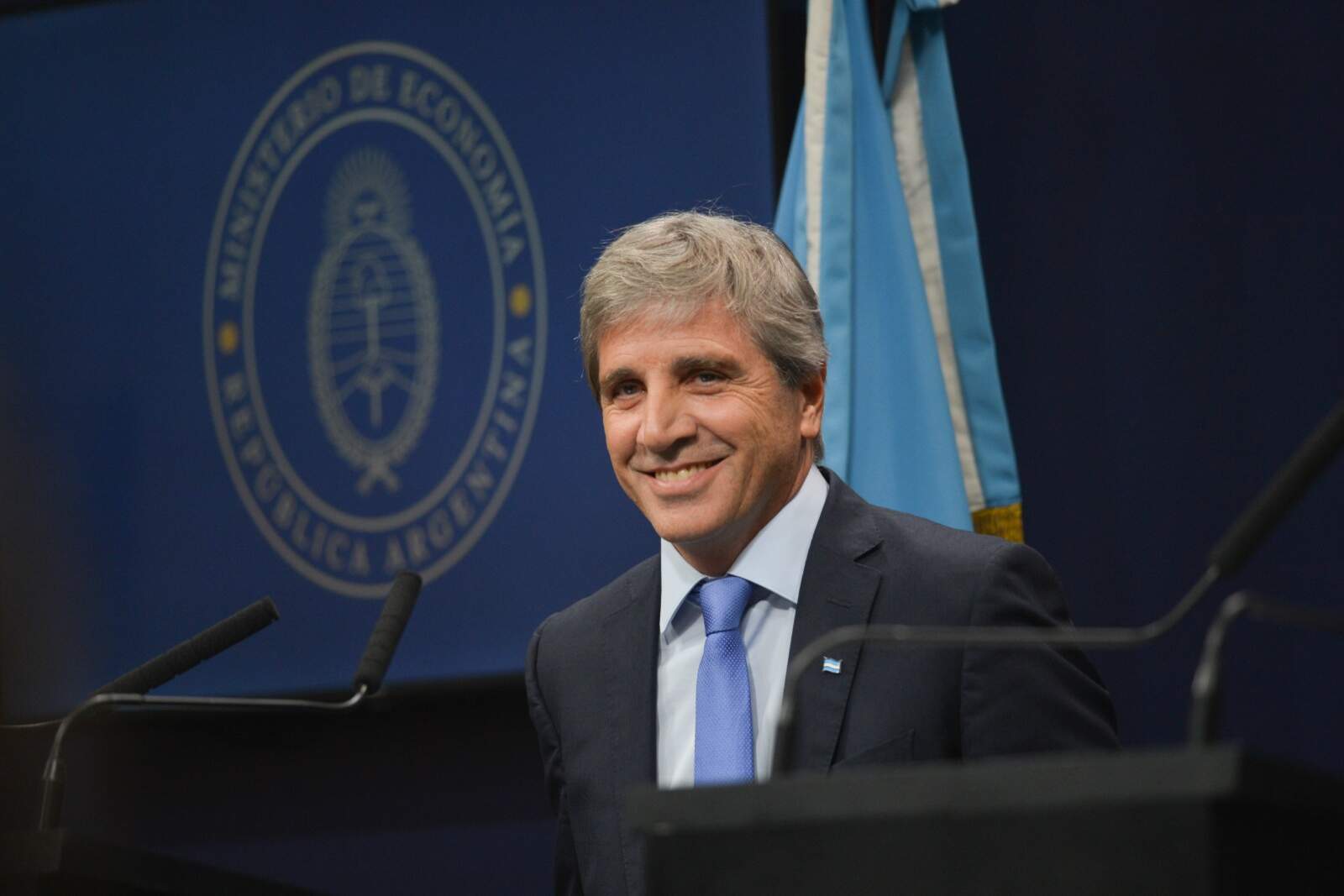
El ministro Luis Caputo.
Once again, Minister Caputo and his team, with assistance from Scott Bessent, disciplined the market that was betting on a devaluation (or something infinitely more nefarious). With Trump's "aircraft carriers" stationed in the Río de la Plata defending the band, who will dare now?
The trade of the year. Not much is said about this, but thanks to the export tax exemption, Caputo bought 2.2 billion dollars at $1,350 and sold those same dollars two weeks later at a value close to $1,420 per dollar. That represented a gain for the treasury of approximately $150 billion pesos (or 5.2% in just two weeks). One only needs to contrast this with other administrations that lost reserves while the value of the currency declined.
Meanwhile, the establishment kept laughing at Milei for "wandering around" and "not having a foreign policy," while Trump was stationing "financial aircraft carriers" in the Río de la Plata. Who doesn't see it now?