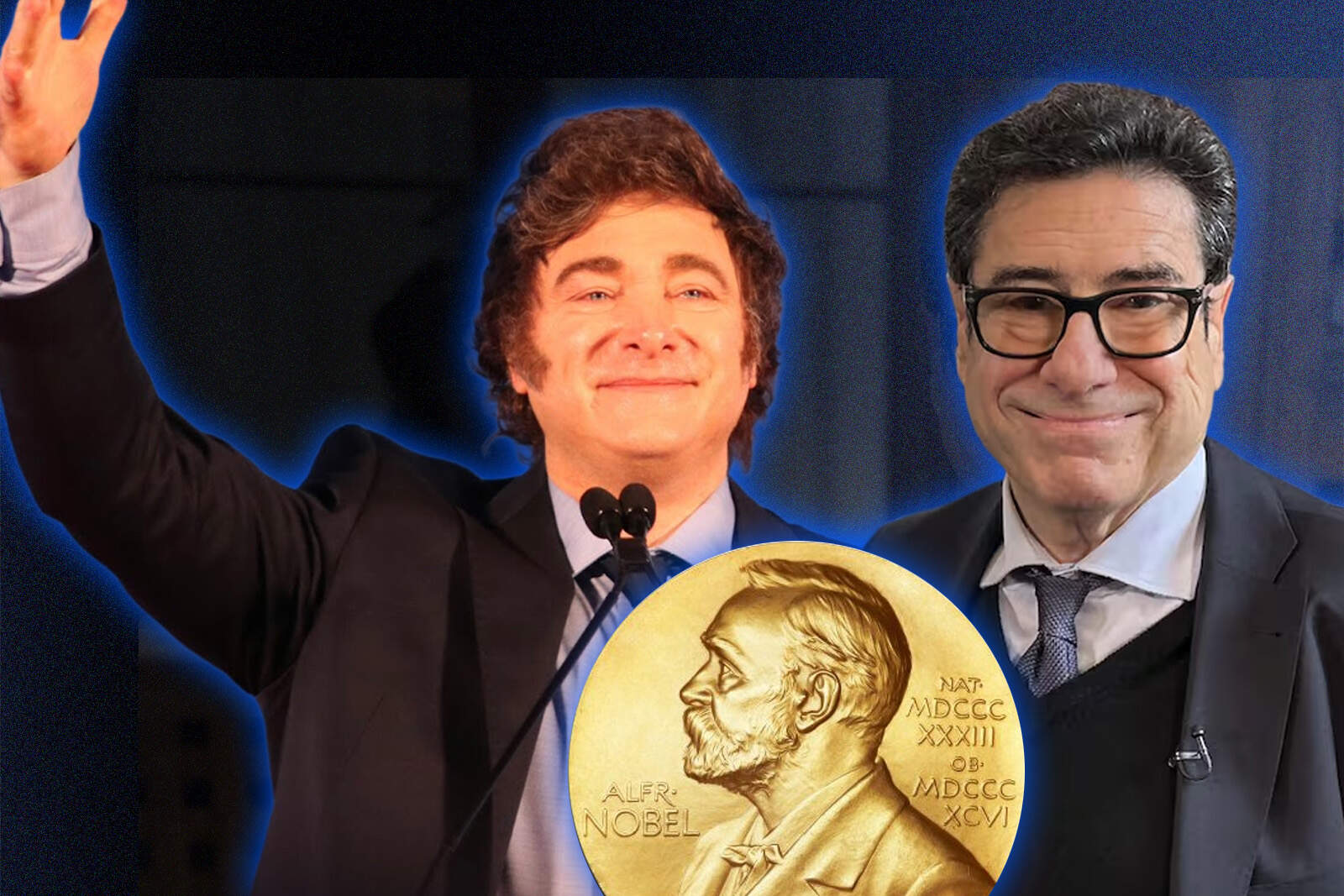
The French economist Philippe Aghion, winner of the 2025 Nobel Prize in Economics, publicly praised the reforms promoted by President Javier Milei and stated that the current administration is generating more favorable conditions for innovation and economic development in Argentina.
The statements were made during his participation in the 2026 Latin America and the Caribbean International Economic Forum, held in Panama City.
Before an audience made up of political, business, and academic leaders from the region, Aghion directly linked the course adopted by Milei's government with the need to transform the country's institutional framework. In his analysis, he stated that the measures aimed at reducing bureaucracy and combating corruption are key to driving long-term economic growth.
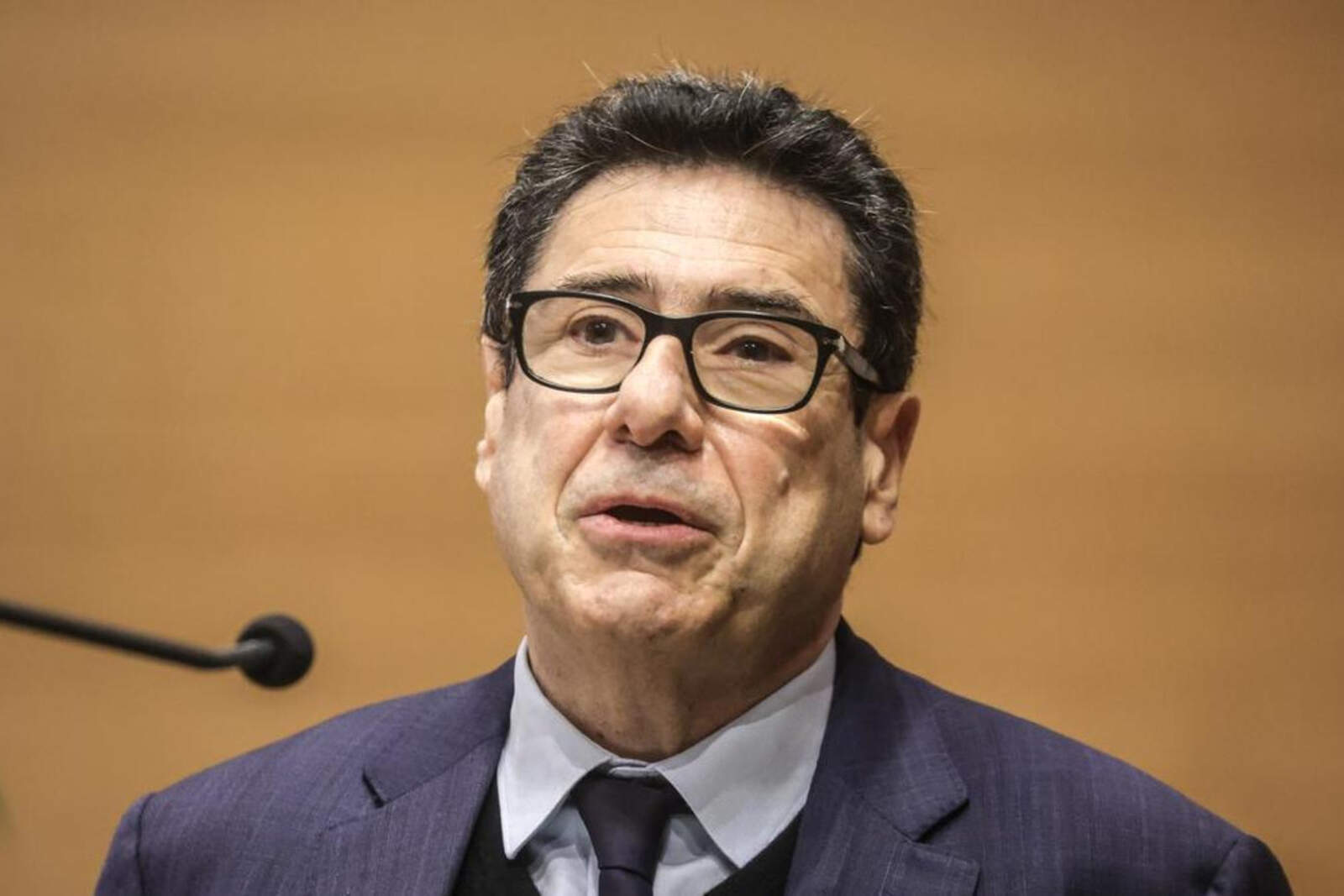
El economista francés Philippe Aghion
During his presentation, the Nobel laureate was explicit in valuing the shift implemented by the libertarian administration. “That is what Milei is doing. Milei arrived. There was excessive corruption in Argentina, which discouraged entrepreneurship and innovation, and I think he's creating an environment where it's more profitable to innovate or develop new companies,” he stated.
The economist stressed that innovation can't develop without an adequate institutional framework. In that regard, he explained that “for Argentina, it was necessary to move forward in institutional innovation, because there was excessive corruption and too much bureaucracy,” while he pointed out that “it is necessary to eliminate excessive bureaucracy and corruption to create an environment where it is profitable to develop new companies, grow through imitation or through innovation.”
Aghion also contrasted the current scenario with the situation prior to the change of government. “In Argentina, before [Javier] Milei, those conditions did not exist,” he stated, referring to the absence of incentives for the creation of companies and the incorporation of new technologies.
The statements were made in the context of the 2026 Latin America and the Caribbean International Economic Forum, a meeting that brought together in Panama City specialists and leaders from different countries to debate development, investment, and growth in the region. The Nobel laureate's intervention drew attention among the participants by placing Argentina as a concrete example of the link between institutional reforms and economic prospects.
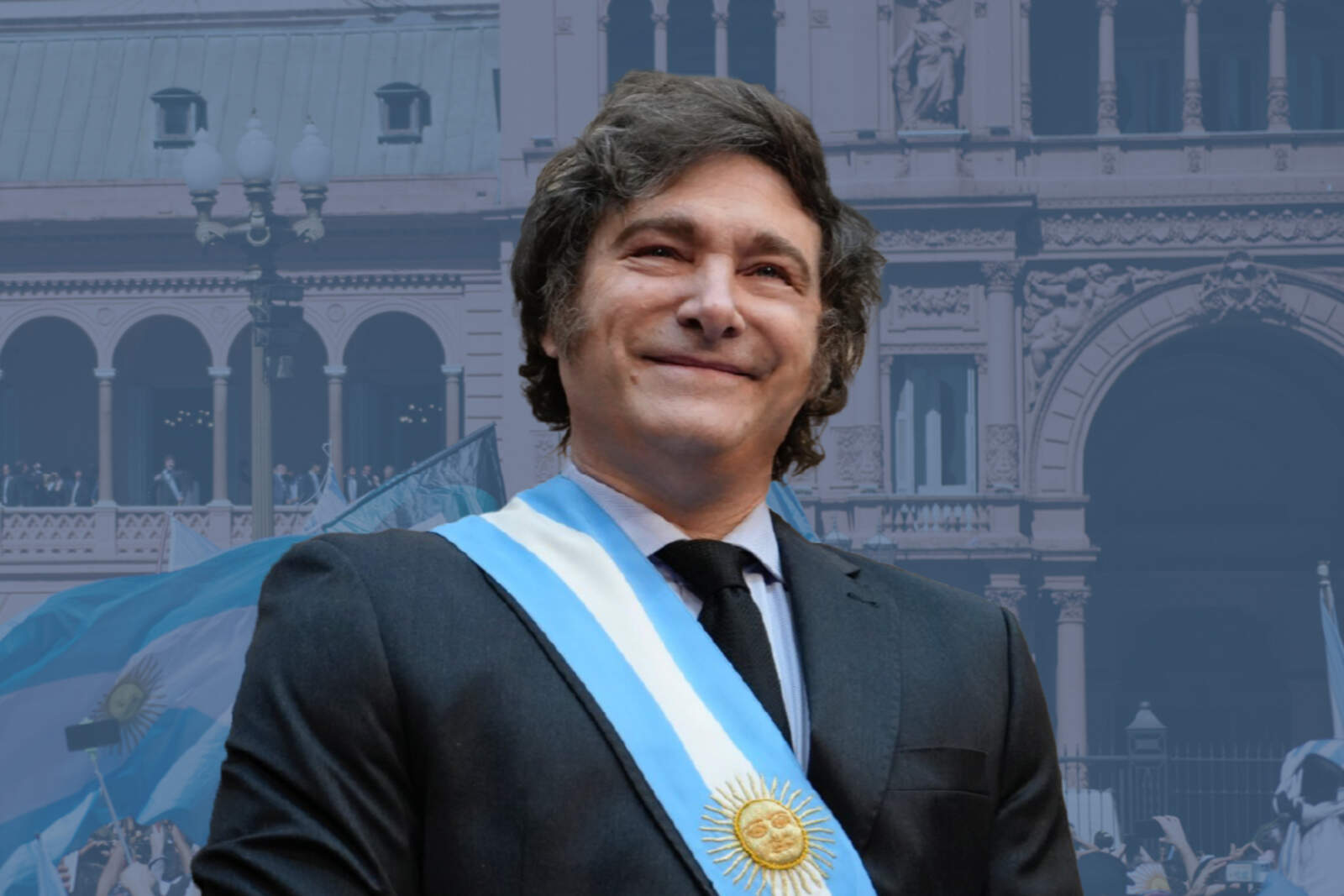
El presidente Javier Milei.
Philippe Aghion was born in Paris in 1956 and received academic training in mathematics and economics both in France and at Harvard University. Throughout his career, he has worked as a professor and researcher at internationally renowned institutions, including Collège de France, the London School of Economics, and INSEAD. His career has established him as one of the world's leading authorities in the study of economic growth, innovation, and competition.
The 2025 Nobel Prize in Economics was awarded to him for his contribution to the development of the Schumpeterian model of endogenous growth, developed together with Peter Howitt. This theory holds that sustained economic progress is based on “creative destruction,” a process through which new companies and technologies replace those that become obsolete, driving productivity and economic expansion.
During his analysis of the Argentine case, the economist emphasized that these dynamics can only occur when there are clear rules and functional institutions. In that context, he stressed: “The starting point doesn't matter: without reforms against corruption and bureaucracy, there are no conditions for innovation or for sustained growth.”
Finally, Aghion also referred to the importance of macroeconomic stability as a complement to structural reforms. “A stable environment, with competition and clear incentives, is essential for the emergence of new companies and for innovation to be profitable,” he concluded.