The Ukrainian leader also indicated that he would guarantee the normal operation of Russian airspace to allow for the safe movement of U.S. negotiators. He also expressed his expectation that Moscow would do the same for the necessary time to develop the discussions and resolve the logistical aspects of the visit.
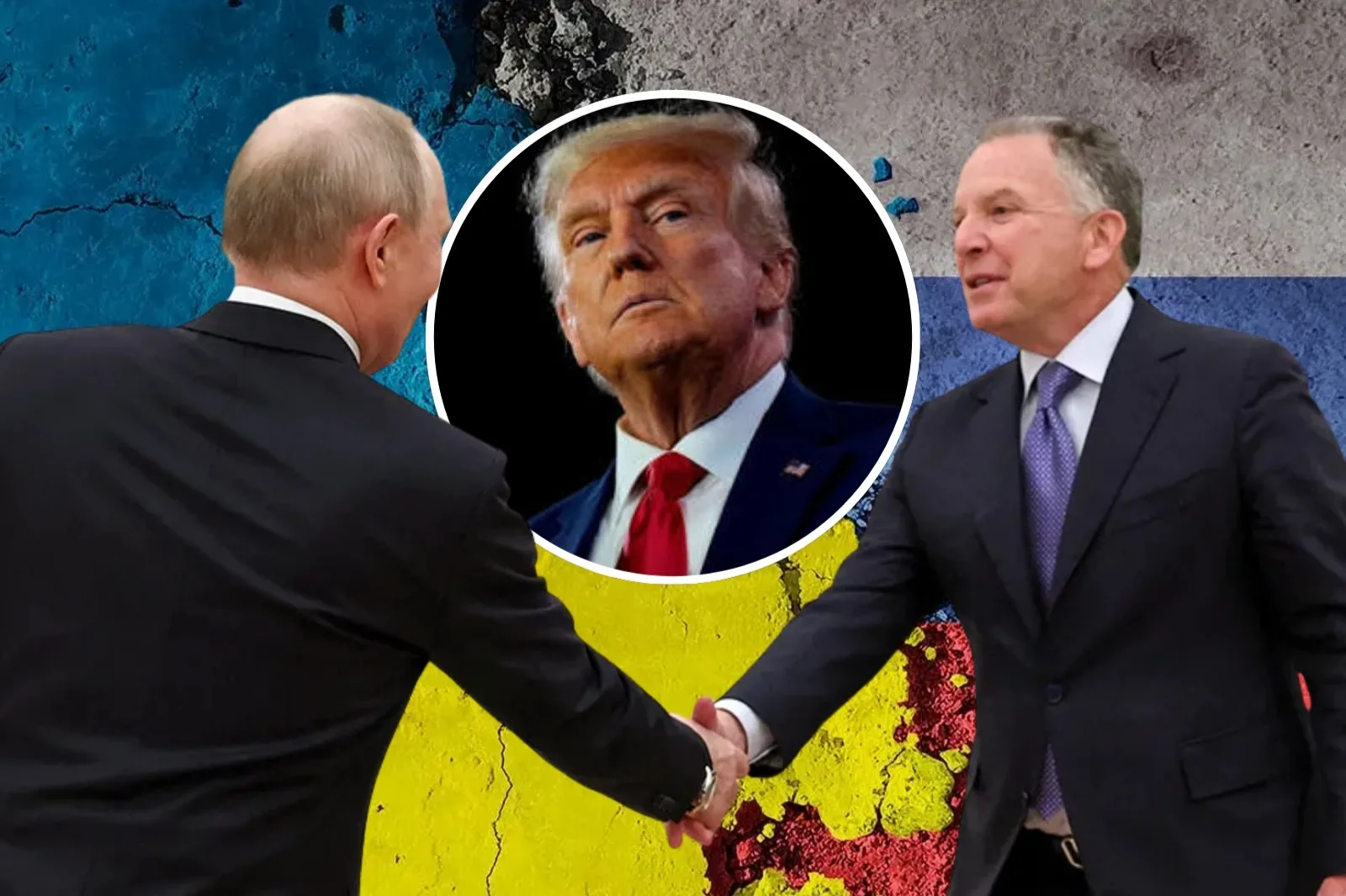
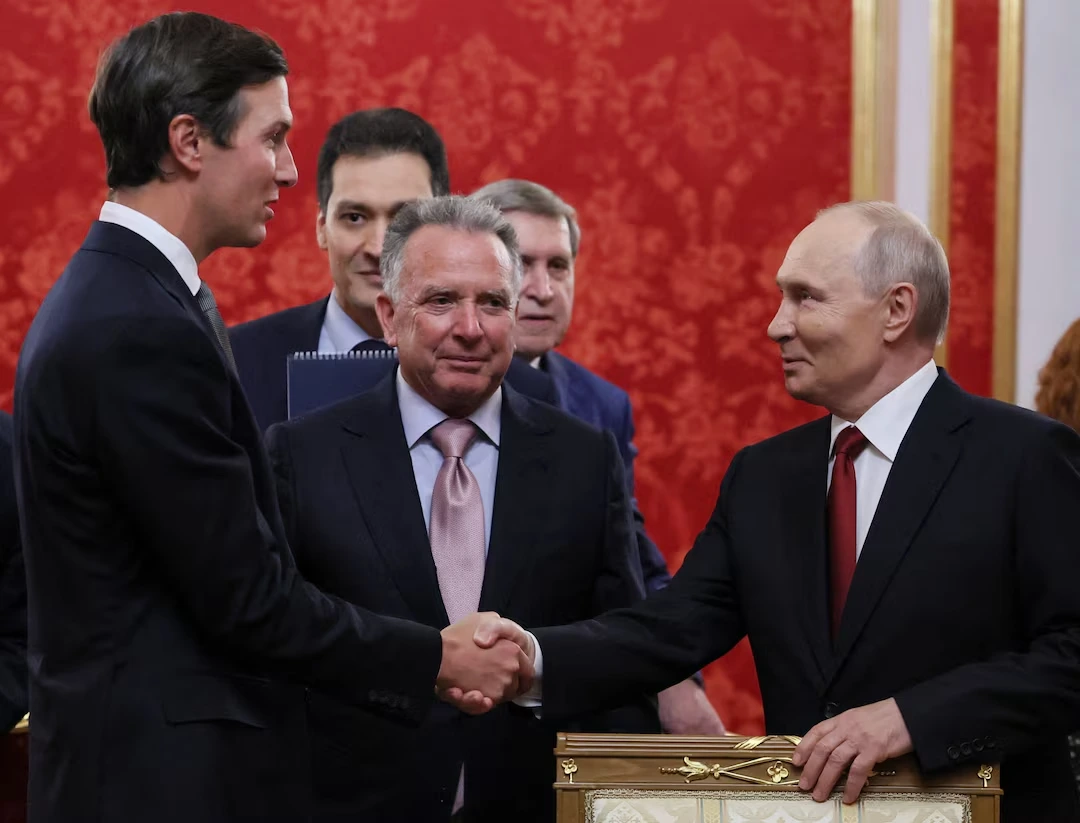
The Russian president, Vladimir Putin, received this Saturday at the Kremlin the special envoys of President Donald Trump, Steve Witkoff and Jared Kushner, in a meeting focused on seeking a negotiated solution to the war in Ukraine, which has already lasted over four years. The meeting thus represents a new diplomatic effort from Washington to bridge positions between Moscow and Kiev and move towards a potential peace agreement.
Putin acknowledged at the beginning of the meeting that the situation ''is not simple'', although he conveyed his ''best wishes'' to President Trump. The presence of Witkoff and Kushner in Moscow reflects the importance that the U.S. administration places on direct negotiations with the Kremlin, especially at a time when both parties have shown signs of willingness to temporarily reduce hostilities.
The U.S. envoys arrived in Moscow shortly after noon and met with Putin at the Grand Kremlin Palace. The discussions also included Yuri Ushakov, Kremlin advisor for international policy, and Kiril Dmitriev, Russian presidential envoy for economic cooperation with the United States.
The visit of Witkoff and Kushner constitutes the first meeting of its kind since January 22 and comes less than two weeks after the visit to Moscow by the CIA director, John Ratcliffe. The succession of high-level contacts demonstrates that Washington is intensifying its diplomatic efforts to find a formula that allows for an end to the conflict.
The special envoys of the Trump administration, Steve Witkoff and Jared Kushner, met with Vladimir Putin in search of a diplomatic solution to the war in Ukraine
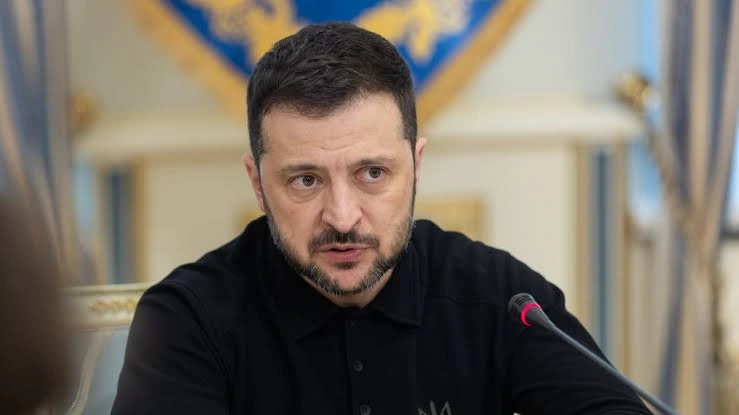
In parallel, Ukraine announced a temporary pause in its airstrikes against Moscow in response to a similar measure adopted by Putin regarding Kiev. Ukrainian President Volodimir Zelenski confirmed that he had spoken with the U.S. envoys and that they had already begun working with the Russian side.
Zelenski indicated that Ukraine was willing to respect a ceasefire in airstrikes from Saturday through Sunday and Monday, awaiting reciprocity from Russia. The pause aims to facilitate discussions and ensure security conditions for Witkoff and Kushner's visit to Kiev, scheduled for Sunday.
Zelensky assured that he has had conversations with Trump's envoys and confirmed that he is willing to respect a ceasefire with Moscow
The possibility of Witkoff and Kushner traveling directly by plane to Kiev represents a particularly relevant element. The Ukrainian airspace has been closed to civil aviation since the beginning of the Russian invasion in February 2022, so foreign delegations typically enter the country by train or road from neighboring European nations.
Before the pause announced by Putin, however, Zelenski had denounced Russian attacks on the airports of Kiev and Borispil. The Ukrainian leader considered that the bombings were related to preparations for the arrival of the U.S. representatives and questioned Moscow's intentions.
Despite these tensions, Zelenski stated that his team is prepared to hold a ''substantial'' conversation with Trump's envoys. The arrival of Witkoff and Kushner in Ukraine will be especially significant as it will represent their first visit to Kiev since the beginning of Trump's second term.
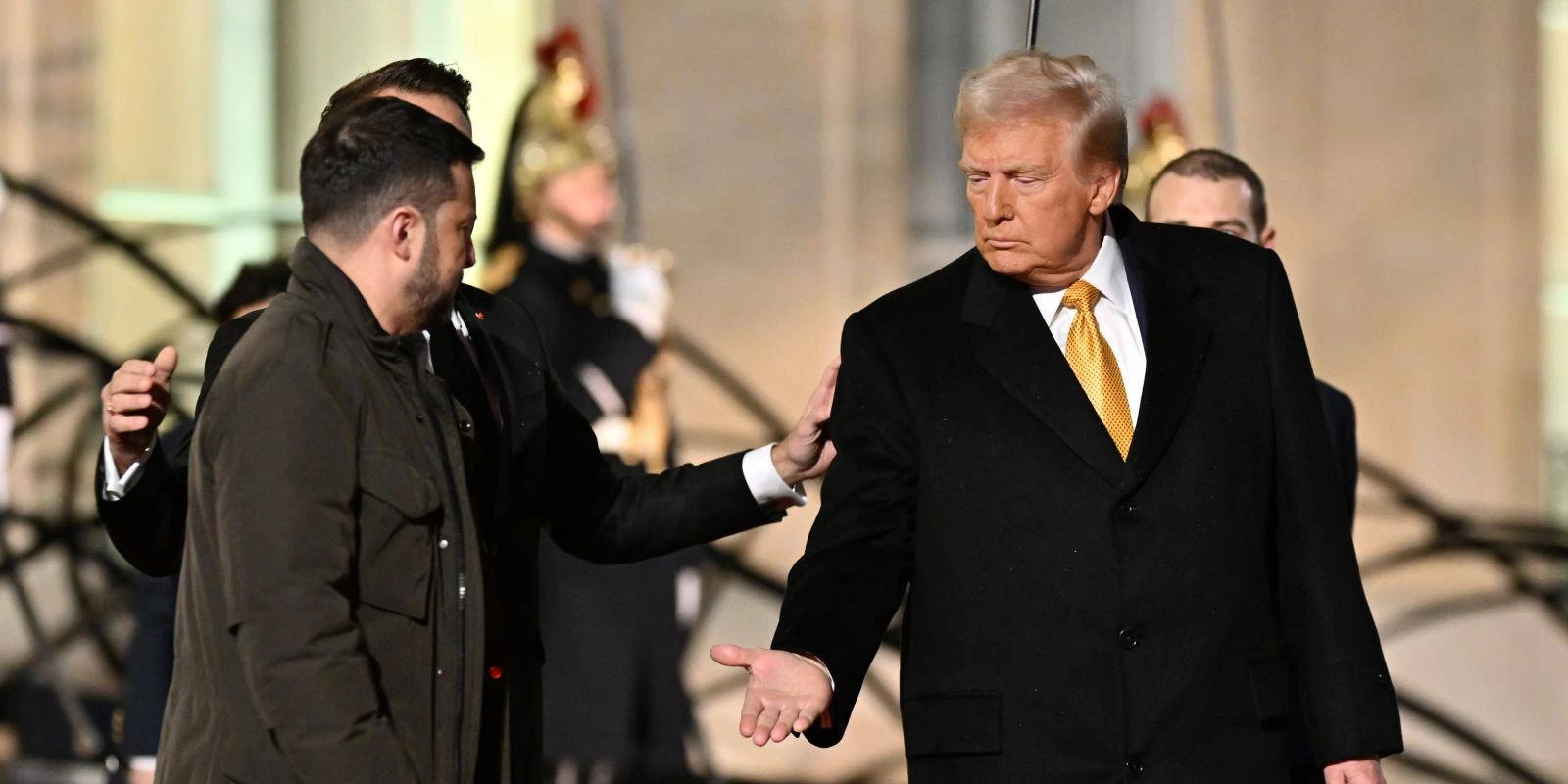
The Trump administration also aims to hold a meeting with Ukrainian authorities to accelerate the peace process in the region
The mission of both negotiators thus takes on a central role in Washington's efforts to promote a diplomatic process. Their work seeks to take advantage of the temporary willingness of Russia and Ukraine to reduce attacks to open a broader dialogue space and move towards a solution to the conflict.
With simultaneous contacts in Moscow and Kiev, the Trump administration is trying to keep communication lines open with both parties. The strategy of Witkoff and Kushner prioritizes direct negotiation and the search for concrete results, while military pauses could serve as a first step to create the necessary conditions for talks aimed at achieving lasting peace.