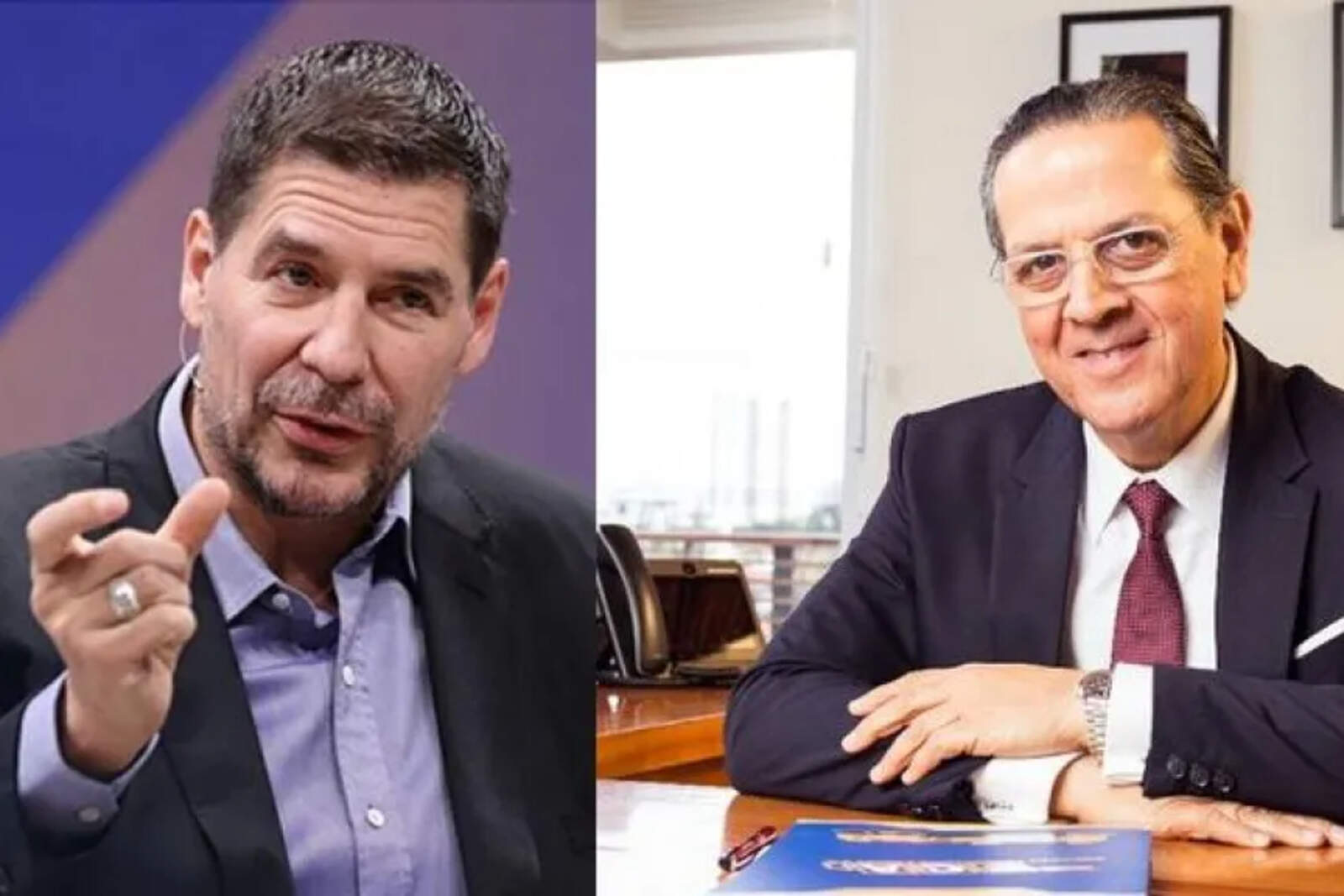

From the private sector, they insist that the problem can be solved by opening the market. Entrepreneur Branko Marinkovic assured that fuel could be imported at a lower price and argued that the Government maintains bureaucratic obstacles to avoid losing control of the sector. "They want to force us to depend on YPFB when the solution is at hand," he stated.
From Cainco, they reject Minister Novillo's accusations and consider it unfair to blame entrepreneurs when the responsibility lies with the regime. They point out that the supply crisis demonstrates the inefficiency of the state monopoly. "A model that has failed can't be sustained," they indicated in a statement.
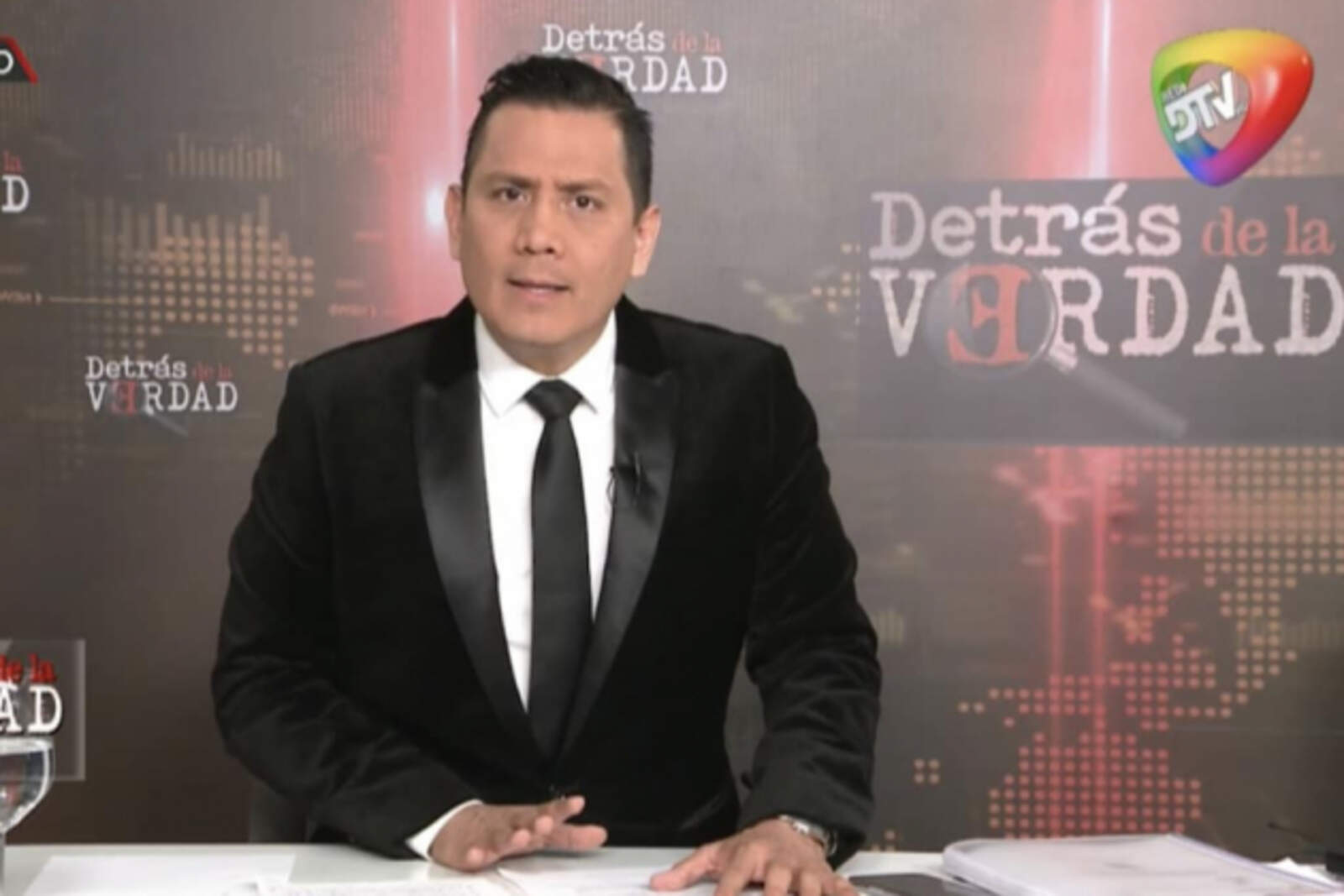
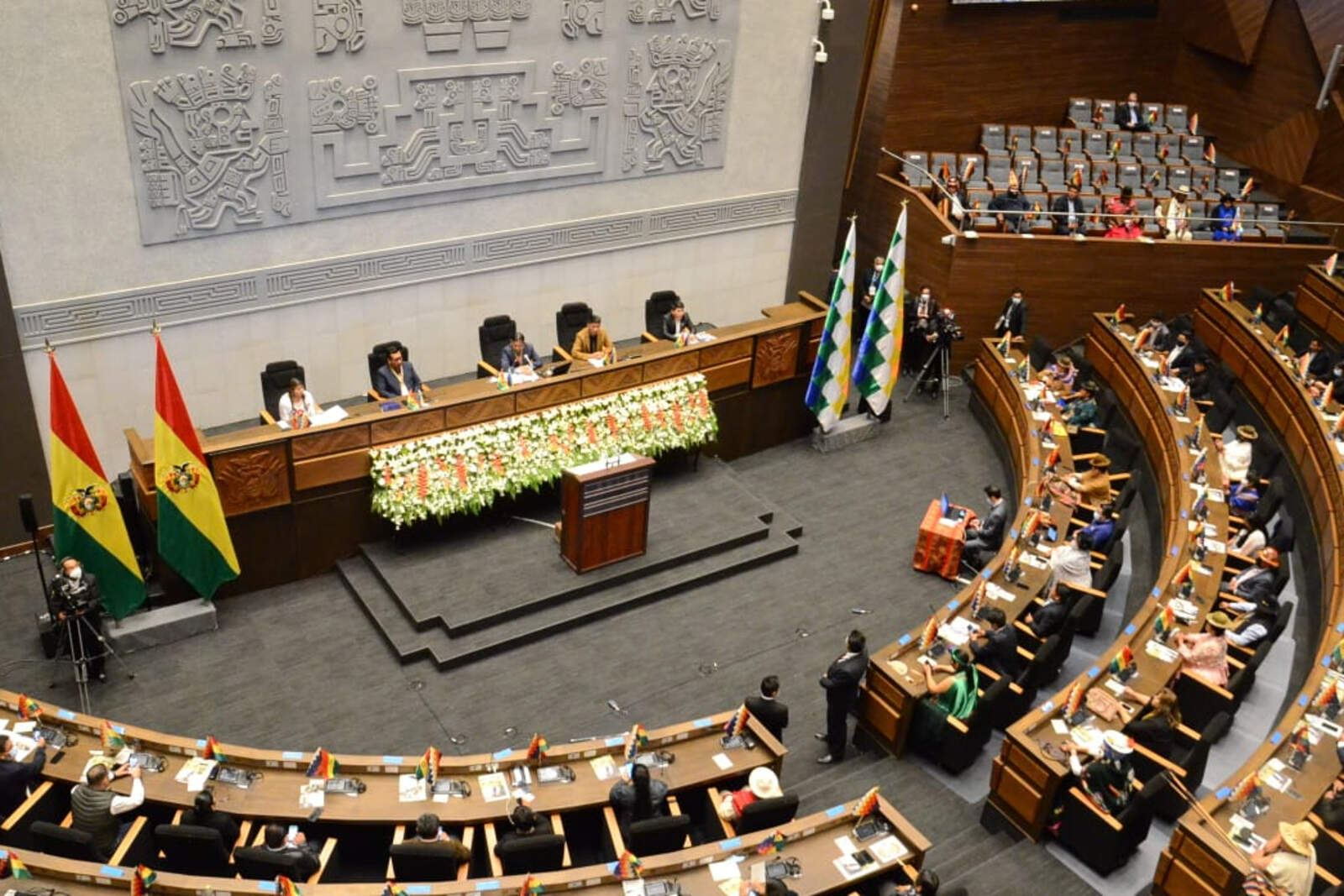
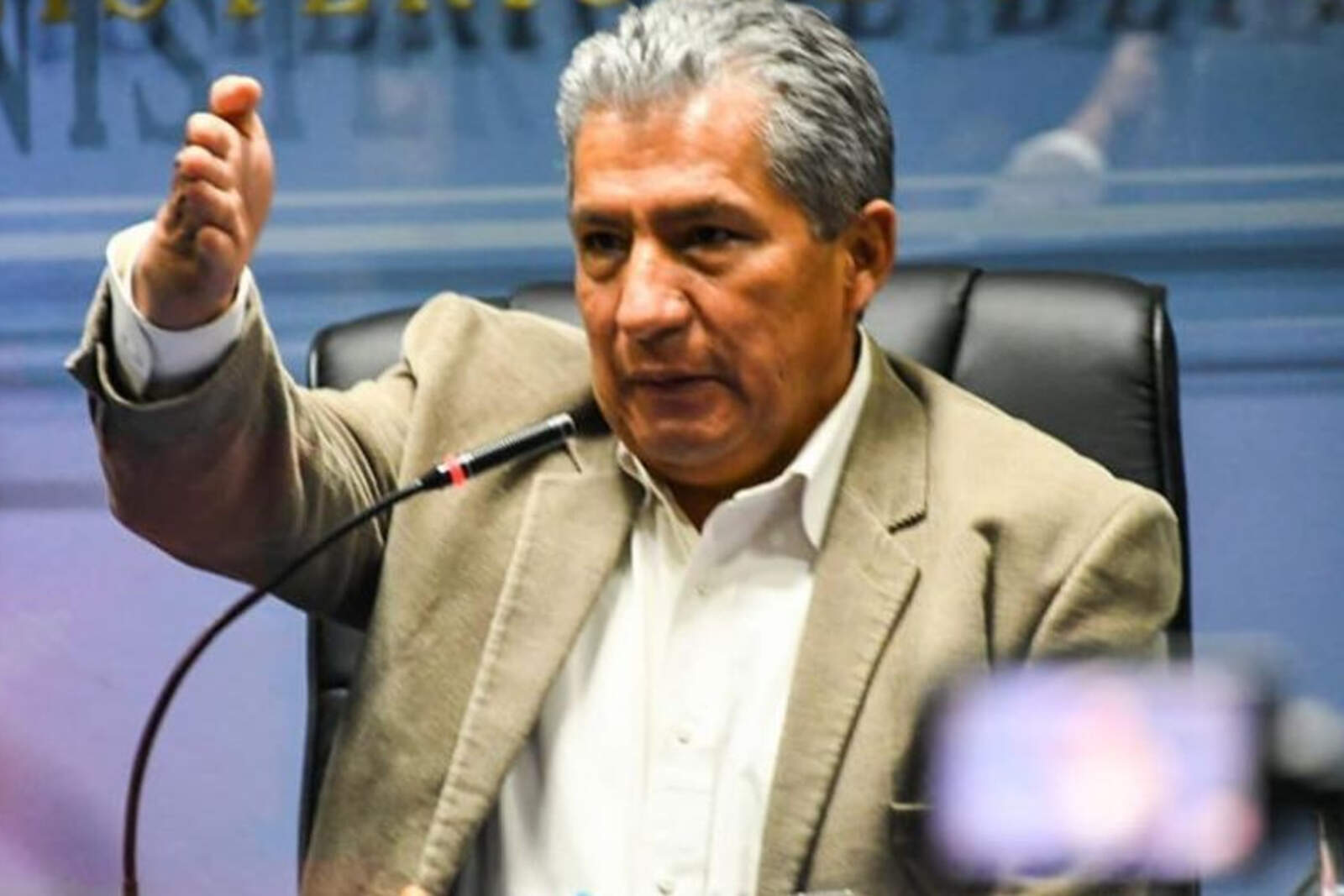
Novillo, meanwhile, insisted that the legislative blockade is part of a destabilization plan. The minister cited statements from politicians who have suggested a change of Government in the face of the economic crisis. "We can't allow political interests to jeopardize the country's stability," he stated.
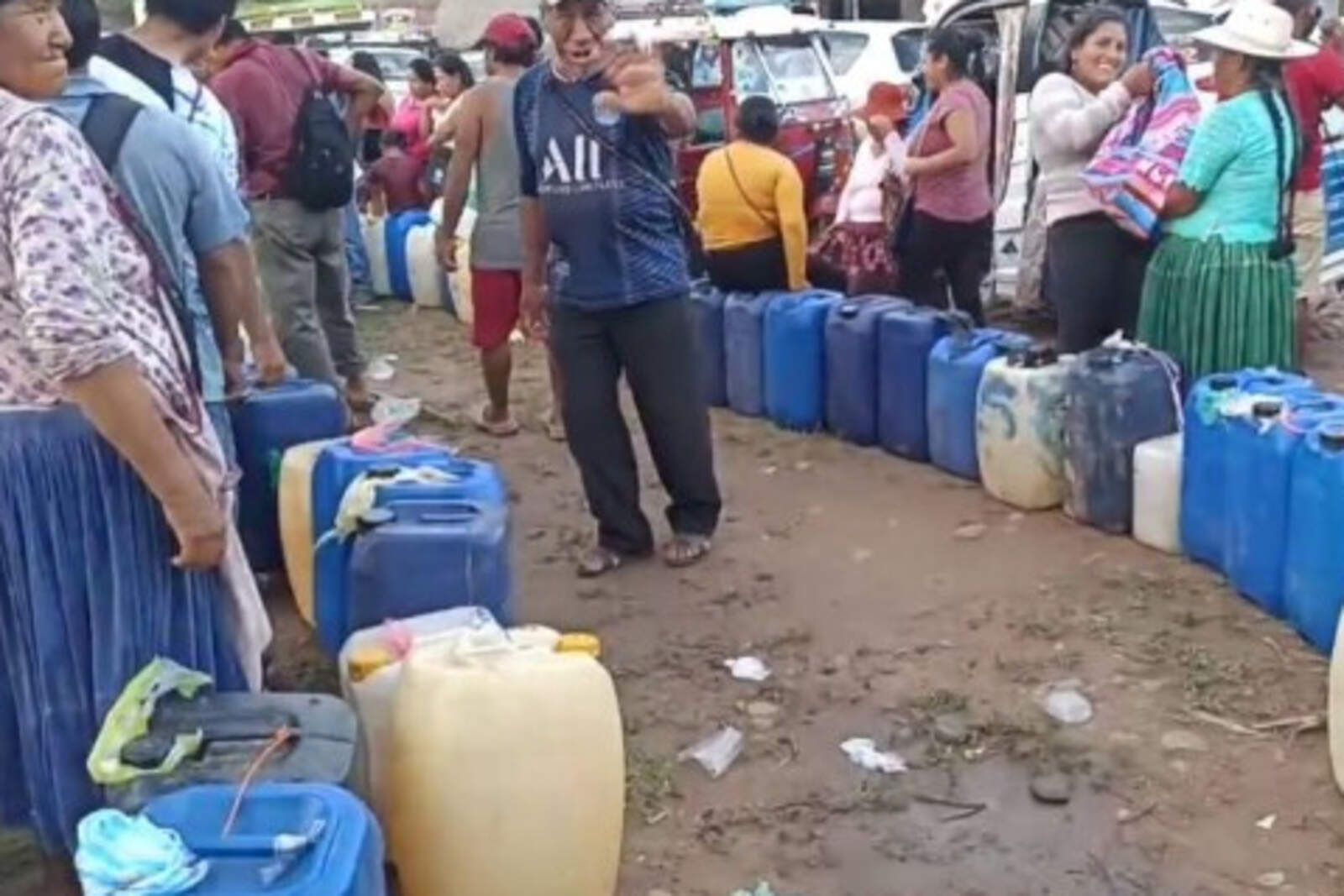
Amid this conflict, the population faces difficulties in obtaining fuel. Transporters and producers have expressed concern about the impact on their activities, warning that this could lead to price increases and product shortages. "We need an urgent solution," they claim.
Meanwhile, the Government maintains that it is working to normalize supply. Novillo assured that measures are being taken to improve distribution. However, he did not offer concrete deadlines to solve the problem, "We are making all necessary efforts."
In this context, it is contradictory that the Government insists on maintaining restrictions while the population suffers to obtain fuel. If the problem lies in the lack of resources, why prohibit the private sector from helping to solve the crisis. The pro-government regime seems more concerned with preserving its control than alleviating the people's suffering.