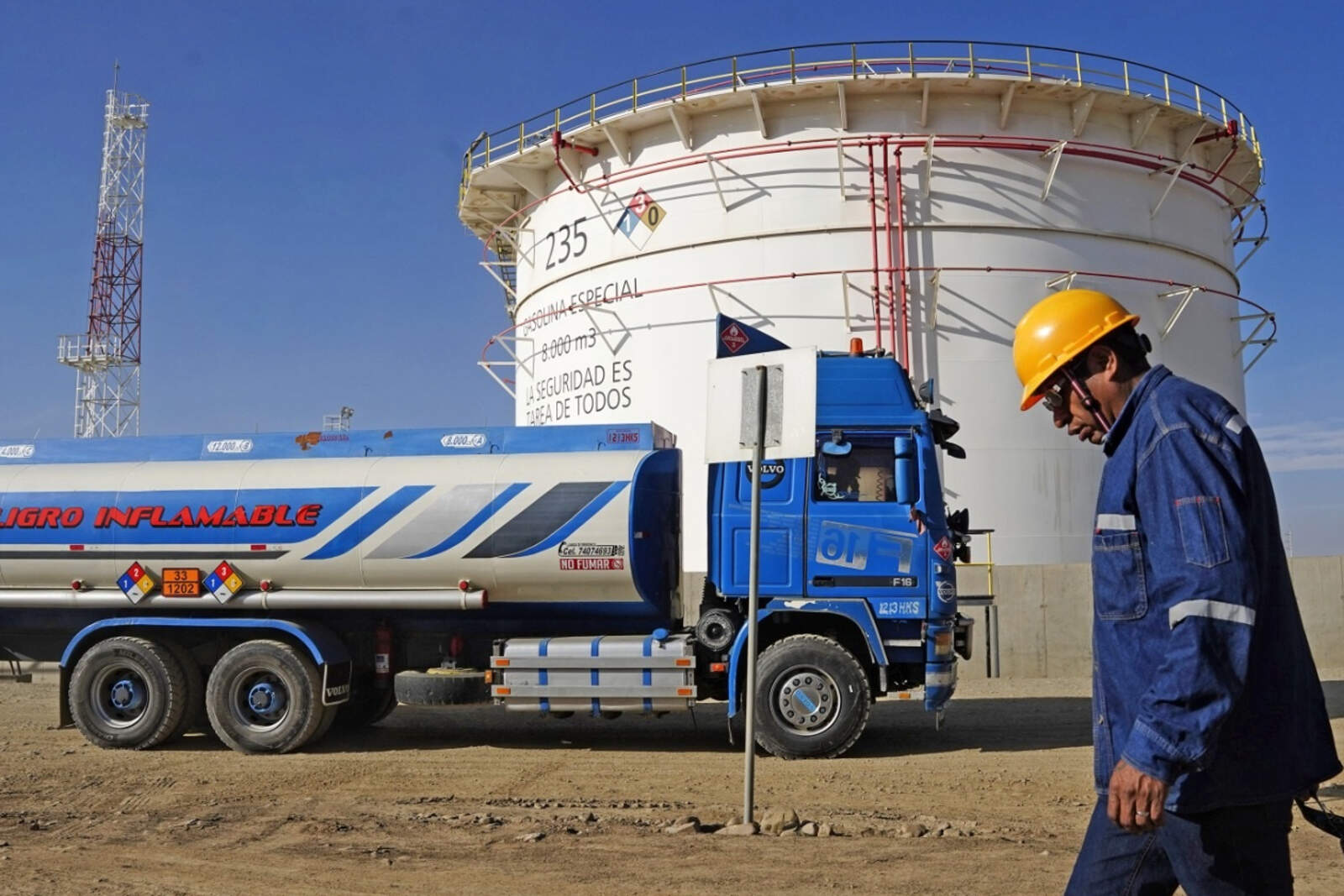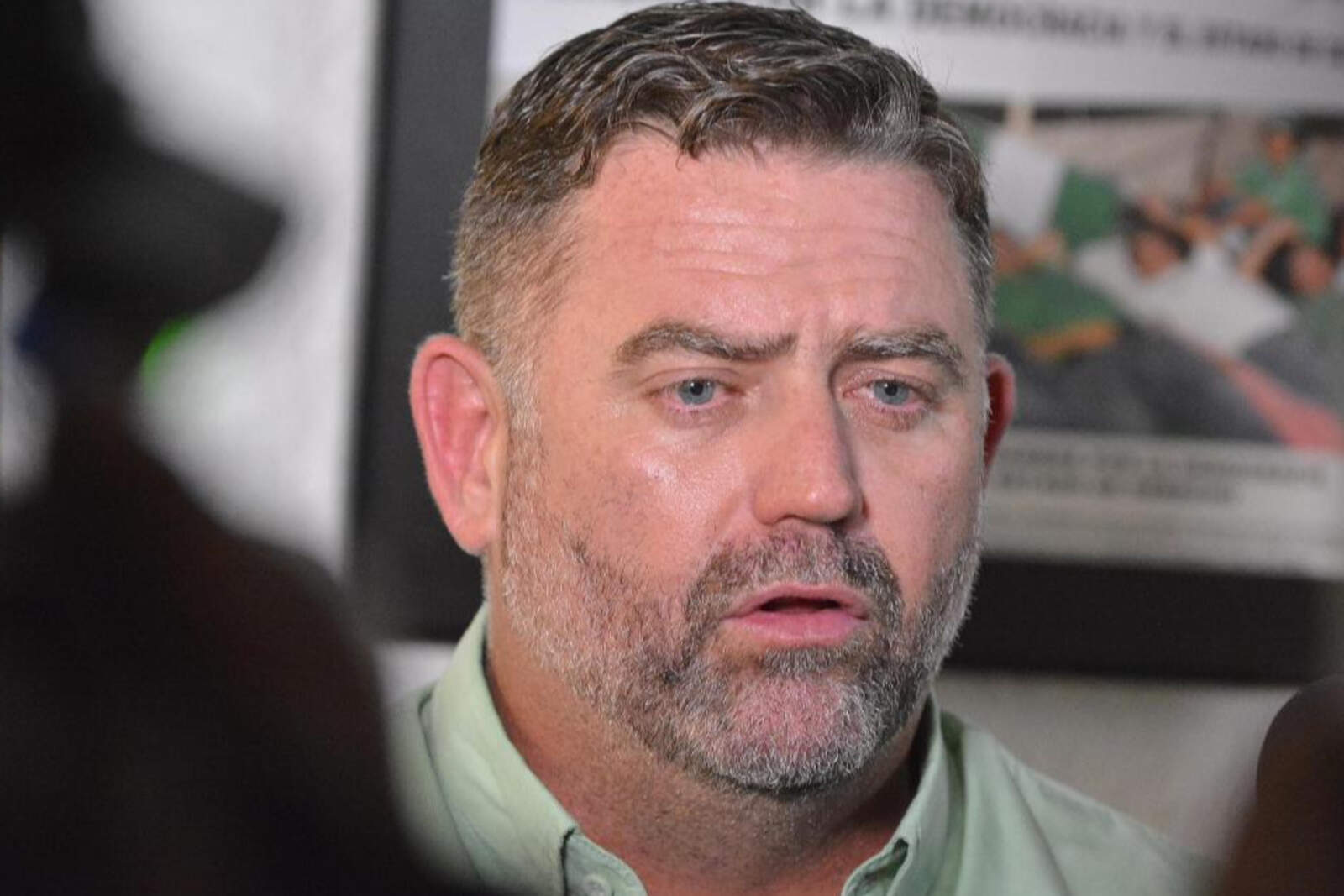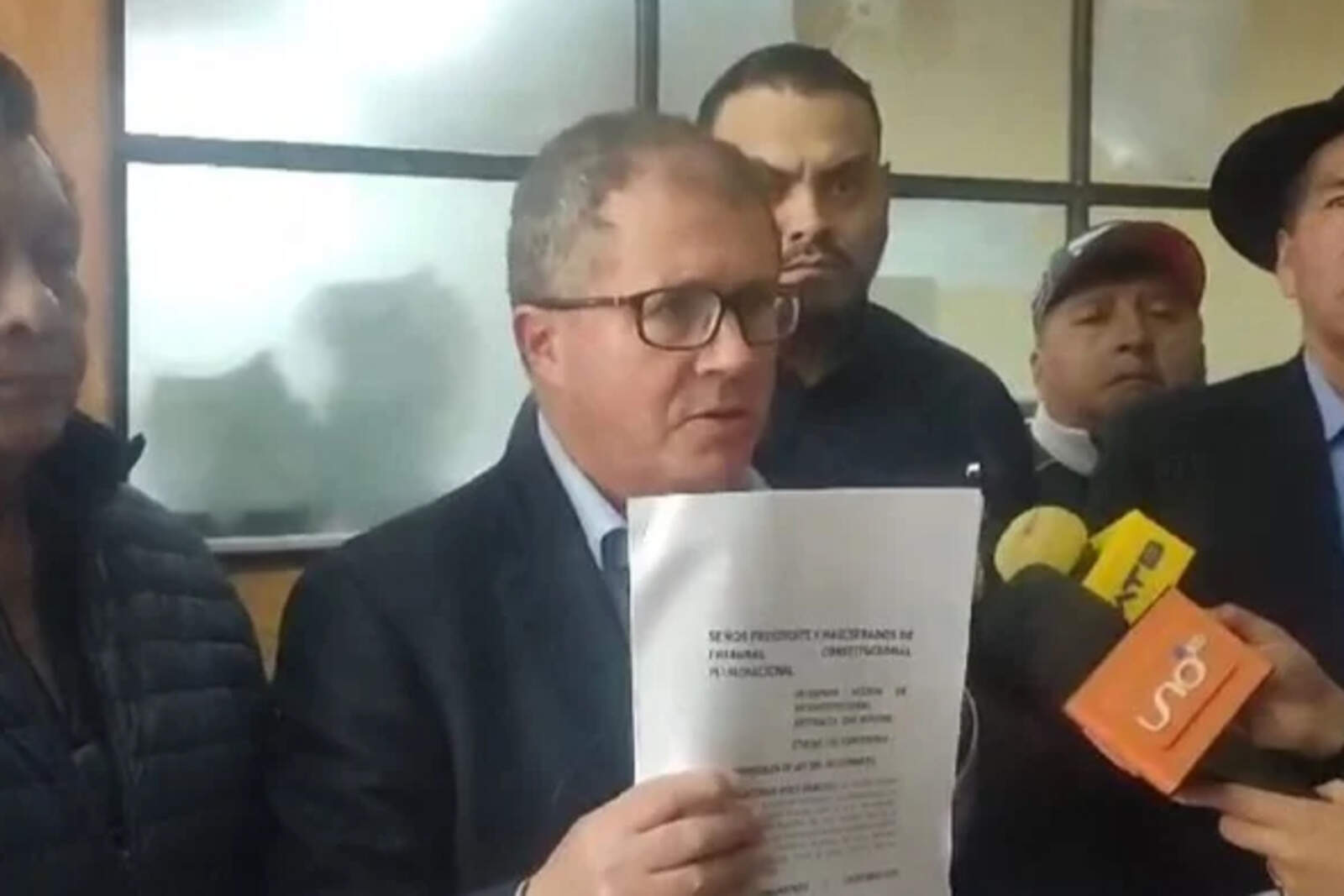

The Eastern Agricultural Chamber (CAO) also spoke out. Its president, Klaus Frerking, warned about the diesel shortage in Santa Cruz. He said that only 700,000 liters arrive daily, when 3.3 million are needed, warning that this will raise food prices and hit the entire economy.
Frerking criticized the government's proposal to sell diesel at international prices because this will make agricultural production unfeasible. He also pointed out that the cost of diesel will impact the entire supply chain. He warned that the food crisis will deepen if urgent measures are not taken.
Economist Estela Nava supported the idea of liberating the importation of fuels, given that the measure would stabilize the market and attract foreign currency. According to her, the positive effects would be seen in April or May, when producers can export. She also called for legal security for companies interested in investing in Bolivia.
The regime, meanwhile, insists on its strategy of selling at international prices. Deputy Minister Adams Hurtado explained that this will allow volumes to be freed for the domestic market and guarantee supply without relying on credits. According to him, this proposal was well received by the mining sector.
Hurtado assured that the government maintains dialogue with the productive sectors. He also said that external debt limits the ability to import fuels. He argued that Bolivia has paid more in debt service than it has received in new credits, and guaranteed that YPFB will supply the market.
While the government defends its state importation model, the productive sectors demand market liberation. Roca and other leaders warn that the lack of changes will deepen the economic crisis. The refusal to liberate the importation of fuels could be protecting those who have profited from the current system for years.