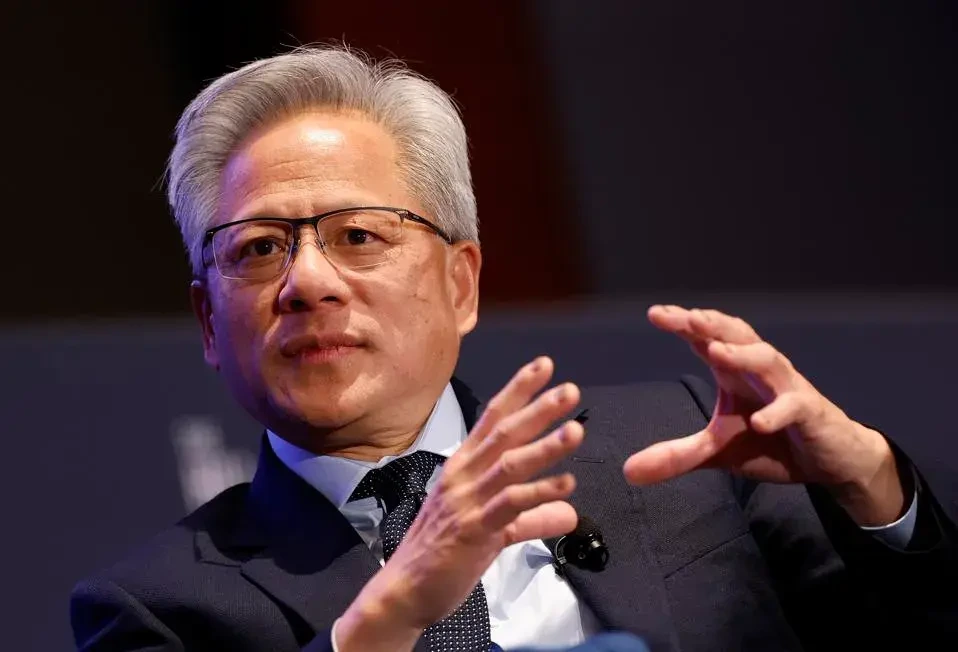
The situation has raised questions about the decisions of the Bureau of Industry and Security (BIS), part of the Department of Commerce. Over the past year, Jensen Huang has repeatedly advocated for a relaxation of trade restrictions on advanced semiconductors.
During that period, authorities allowed exports of H200 processors to China and, according to the allegations reported, did not effectively apply controls that would have required licenses for certain shipments of Blackwell chips to ''Megaspeed'' and to Southeast Asian countries.
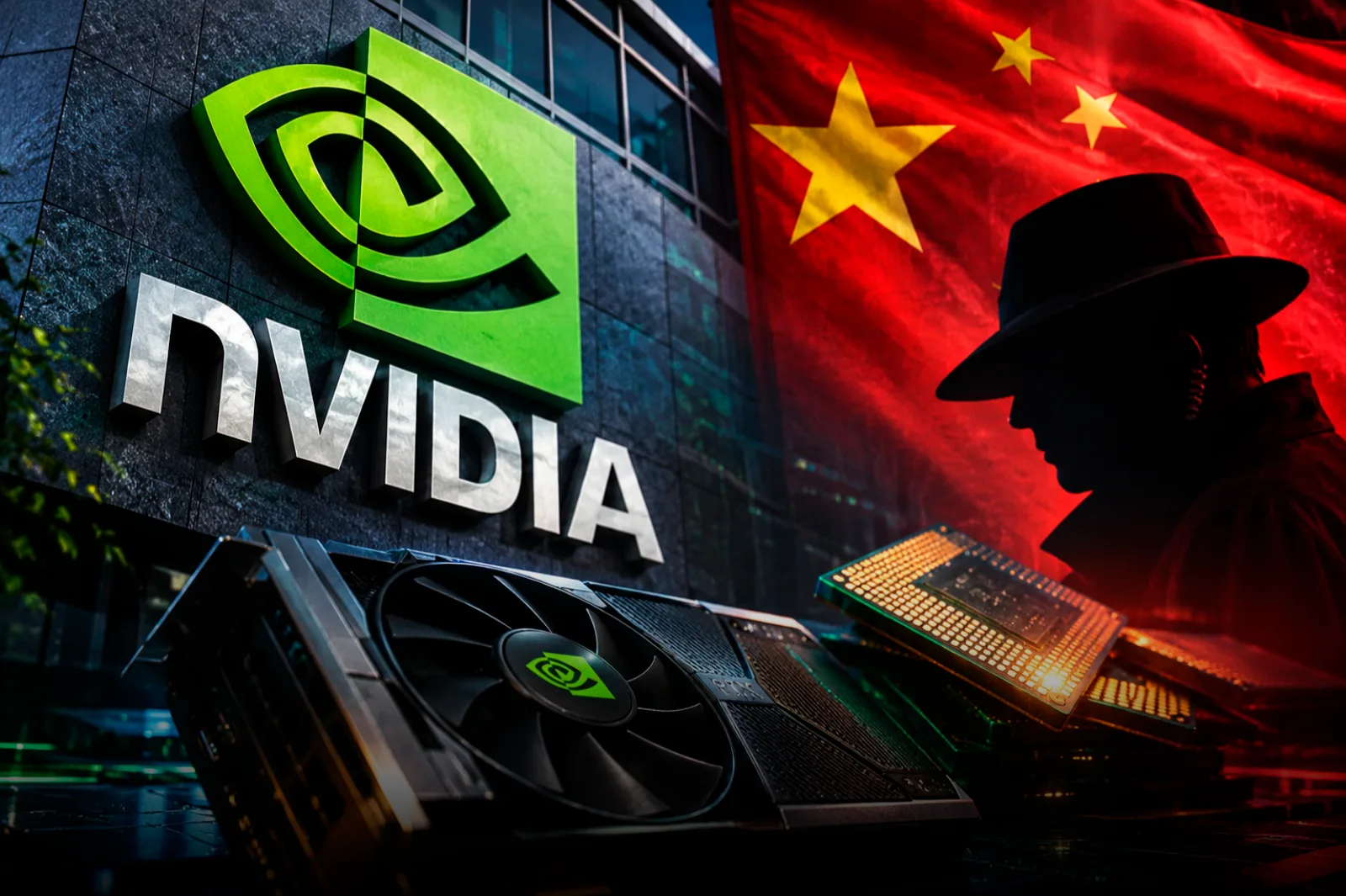
An investigation into potential links between Chinese espionage, the CEO of Nvidia, Jensen Huang, and a technology company accused of facilitating Beijing's access to advanced semiconductors is raising serious questions about U.S. export controls and the response of federal authorities.
The revelations, attributed to investigations by several media outlets, suggest that U.S. intelligence services may have identified a operation aimed at influencing Washington's decisions regarding the export of artificial intelligence (AI) chips, without any restrictive measures being taken against some of the companies involved so far.
According to the information released, the U.S. intelligence community discovered that Alice Huang, an executive at the company ''Megaspeed'' and a suspected agent of Chinese intelligence, was in a romantic relationship with Jensen Huang, the CEO of Nvidia, considered the largest company in the world by market capitalization.
Jensen Huang, president of NVIDIA, is said to have been romantically involved with a spy for the intelligence services of the Xi Jinping regime
Intelligence agencies reportedly concluded that Alice Huang's goal was to convince the businessman to use his influence to push for a relaxation of U.S. restrictions on the export of advanced artificial intelligence chips to China.
This information was reportedly communicated earlier this year to a small group of senior U.S. government officials. However, one of the main questions is why trade authorities did not take additional measures after receiving those warnings.
The case is gaining more relevance due to the suspicions surrounding ''Megaspeed''. Independent media investigations have determined that the company likely operates as an intermediary structure linked to Chinese interests, facilitating access for companies from the Asian country to artificial intelligence chips or evading the export controls imposed by Washington.
The Chinese regime sought to use Jensen Huang's influence over U.S. officials to push for easing the export of semiconductors.
Despite these suspicions, ''Megaspeed'' continues to be a preferred partner of Nvidia in cloud computing services and continues to receive its Blackwell processors, one of the most advanced generations of artificial intelligence chips developed by the American company.
Although the leadership of the Department of Commerce reportedly received information from intelligence services, no measures to tighten restrictions on ''Megaspeed'' or on the questioned regional operations are known.
Despite investigations and questions, the company “Megaspeed” remains a preferred partner of Nvidia
Another area of concern is the volume of semiconductors reaching Southeast Asia. This year, artificial intelligence chips worth tens of billions of dollars are said to have been exported to that region. Malaysia and Singapore are among the four largest importers of these components globally.
The U.S. concern is that these countries could serve as transit points for restricted technology to end up in the hands of Chinese companies, circumventing the trade limitations set by Washington.
The case also threatens to affect Nvidia's credibility. The business relationships and public positions of Jensen Huang against export controls could come under much more intense scrutiny if it is confirmed that his decisions indirectly benefited structures related to Chinese espionage.