In a historic ruling, the highest court banned states from designing their electoral maps based on race.
Nuevo
Agregar La Derecha Diario en
Compartir:
In what represents a momentous ruling in American electoral history, the Supreme Court issued a decision this Wednesday morning that annuls the map of the Louisiana Congress after the state was forced to add a second district with a black majority.
In the Louisiana v. Callais case, the highest court ruled that such a measure was not required under the Voting Rights Act, so the use of race to redesign such a map is unconstitutional. The decision doesn't eliminate Section 2, but it could impact redistricting disputes across the country
.
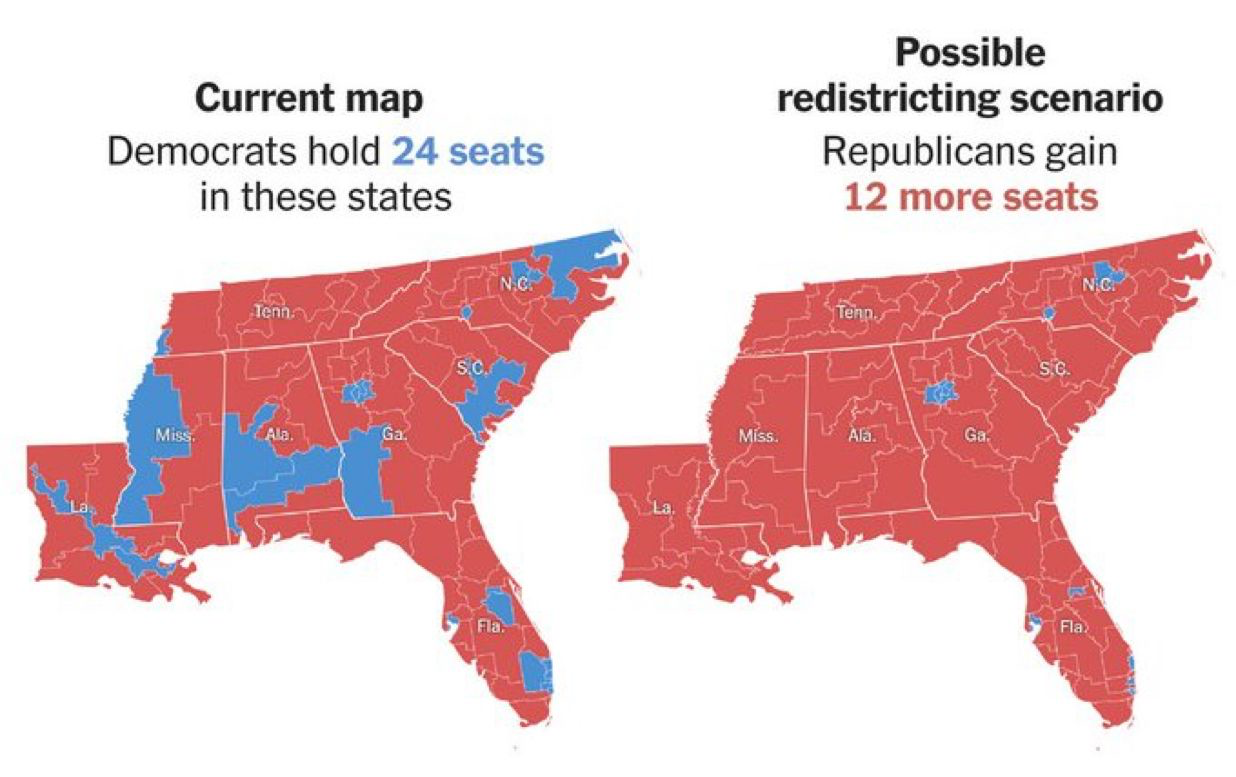
In itself, the Court is making it clear that states cannot rely on race to design their electoral maps - a device that Democrats had been using to win more seats in Congress - unless the law clearly requires it. Under this new scheme, the Republican Party could win 19 seats in the House of Representatives once the new maps are drawn for the next elections
.
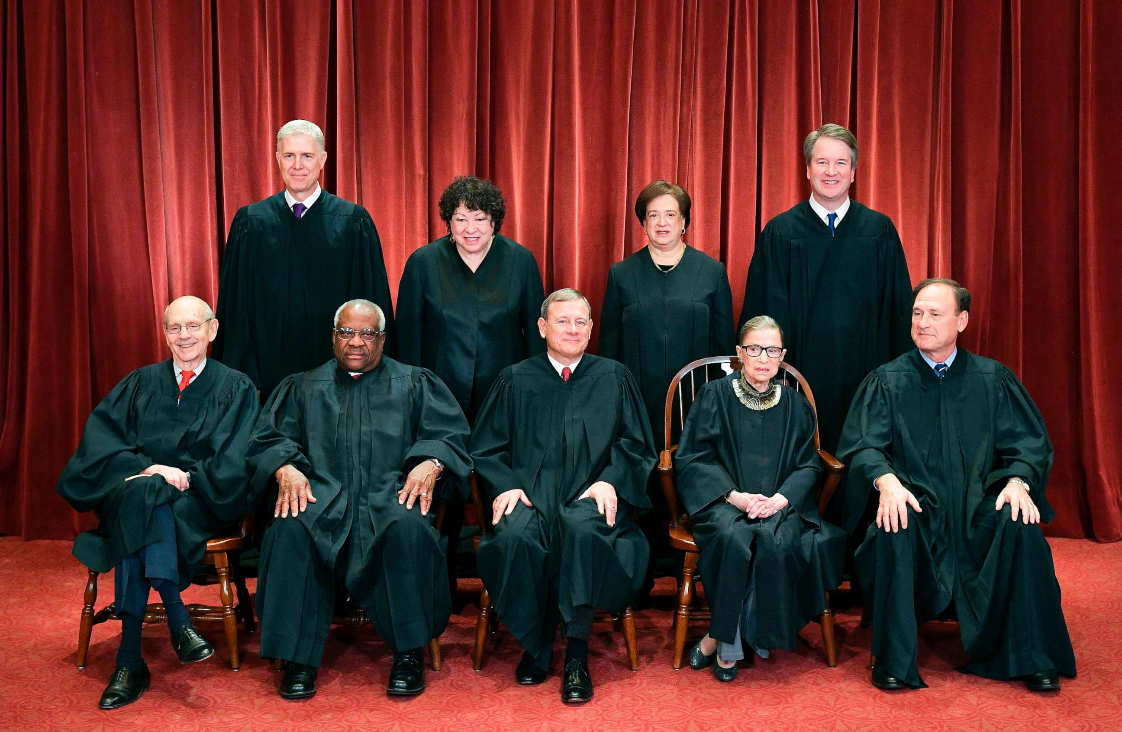
In the majority opinion, Judge Samuel Alito explained that “Section 2 of the Voting Rights Act of 1965 was designed to enforce the Constitution, not to clash with it.” He also rebuked the lower courts, which, according to him, used the Court's “precedents in a way that compels States to participate in the same discrimination based on race that the Constitution
prohibits.” The Court put an end to racial manipulation of districts and Republicans could win up to 19 seats in Congress
Reactions to the ruling
Both judicially and politically, the left reacted negatively to the ruling. The Democratic judges of the Court, led by Judge Elena Kagan, opposed the ruling and wrote that “the consequences are likely to be far-reaching and serious” and asserting that Section 2 of the Right to Voting Act is a “dead letter” after the
Callais case.
For his part, Geoff Duncan, former lieutenant governor of Georgia, described the ruling as “despicable” and said that “too many people have fought too hard for the right to vote, especially African-Americans in Georgia” and that the Court “has given Donald Trump and his sycophants license to further destroy democracy and give the green light to racial discrimination.”
However, Republicans considered the ruling an important victory. “Today's decision is a victory for the Constitution and the principle that every American citizen is equal before the law... This ruling restores fairness, strengthens trust in our elections and ensures that every voter is treated equally,” said Republican leader Richard Hudson.
Governor Tate Reeves, of Mississippi, has already confirmed that he will convene a special session of the Legislature to redesign the maps of his state three weeks after the Court's decision in the case. Mississippi's Second Congressional District is a
predominantly black district. Possible new scenario after the ruling: Republicans could win 12 seats in the south once the maps are redesigned.