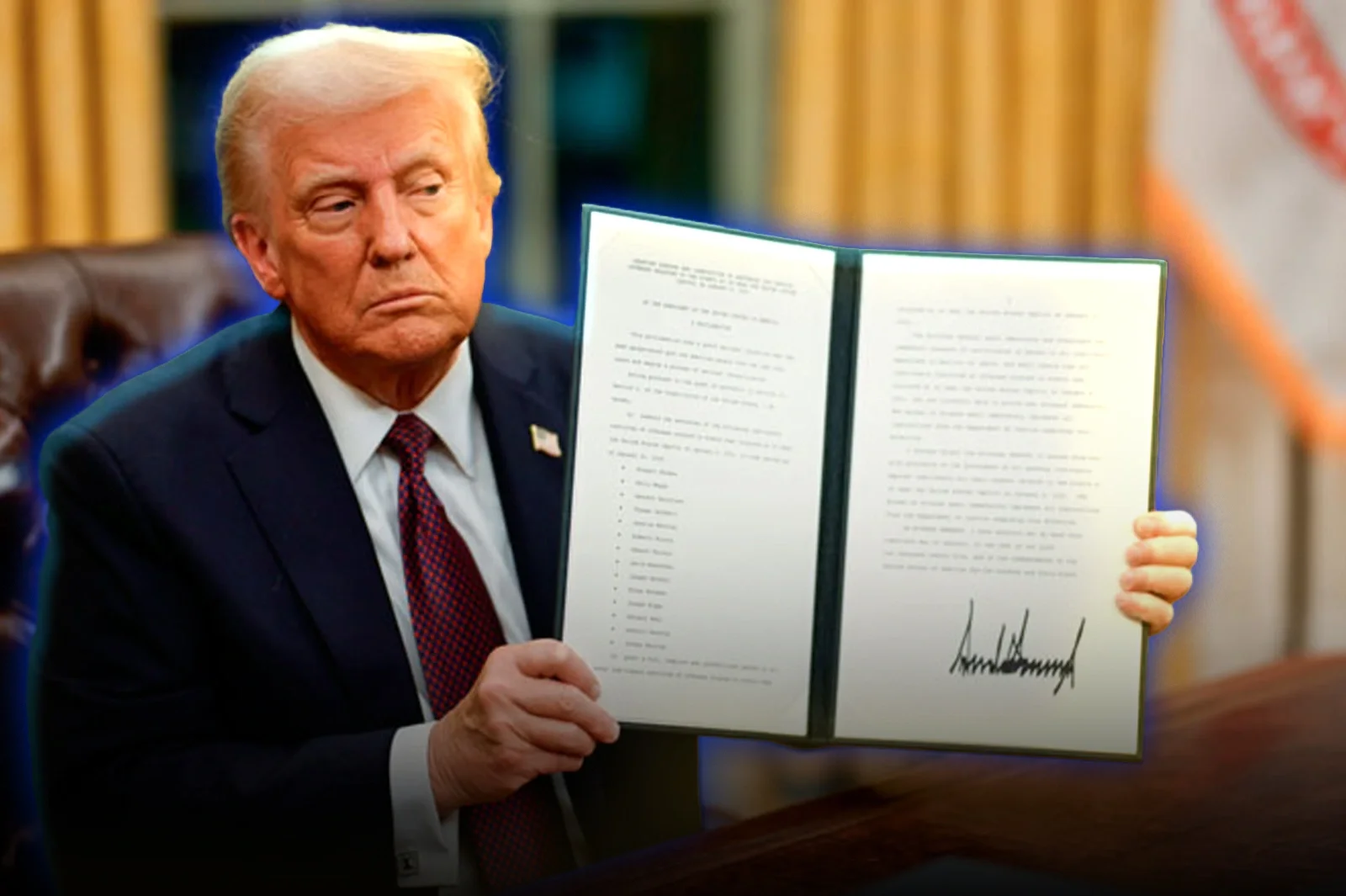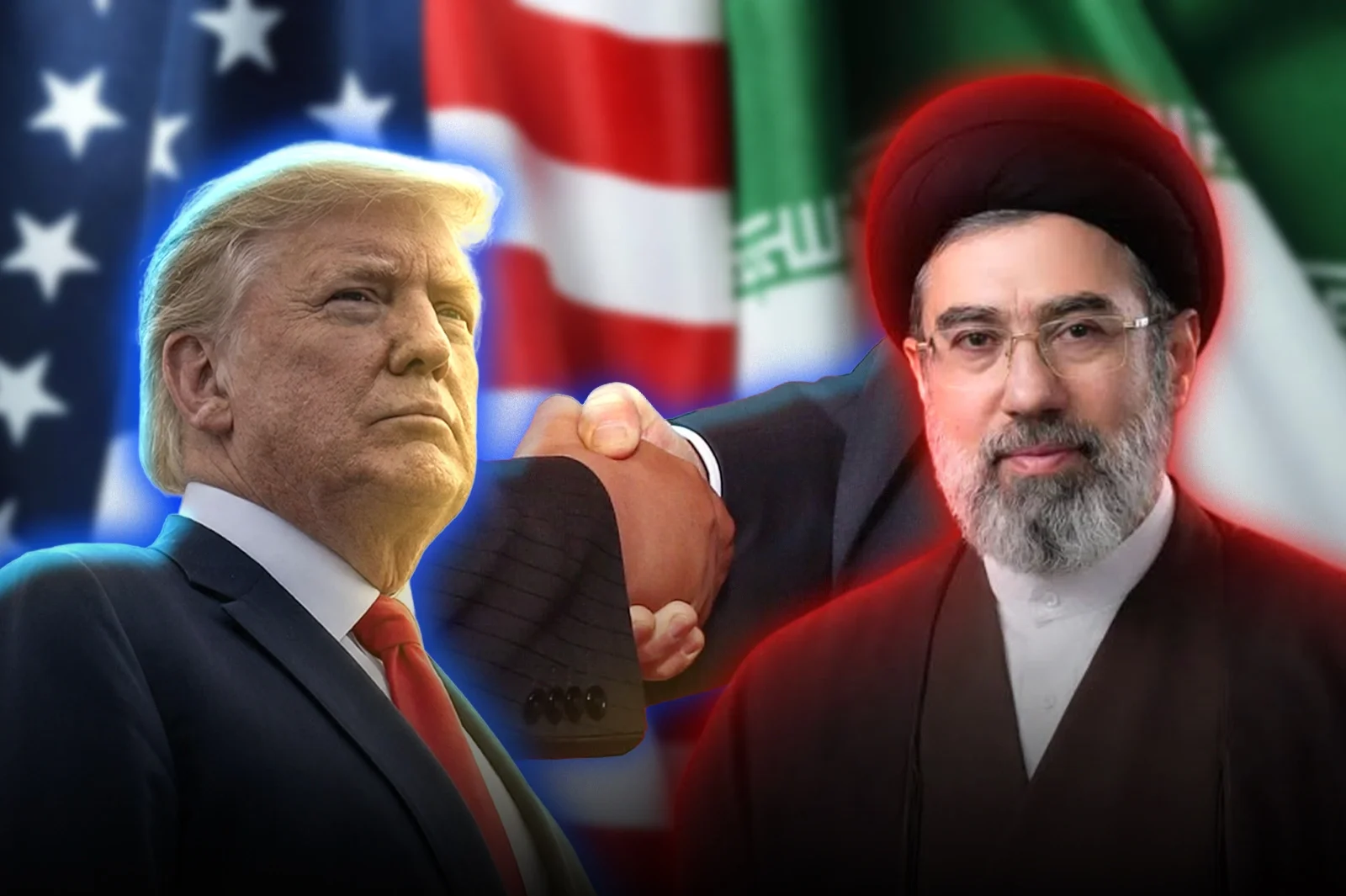

The President of the United States, Donald Trump, signed a memorandum of understanding (MOU) with Iran on Wednesday that practically ends the conflict between both countries and establishes a new framework to oversee Iran's nefarious nuclear program. The White House confirmed that the agreement is already in effect following the signatures of Trump and Iranian President Masoud Pezeshkian, marking a turning point in one of the most dangerous crises for the stability of the Middle East in recent years.
The Trump administration also published the full text of the memorandum, debunking reports from some media outlets that claimed Washington planned to allocate up to $300 billion to financially support Iran. The document makes it clear that the United States will not make direct investments in the Persian country, but will allow foreign capital to enter if Tehran meets the established commitments.
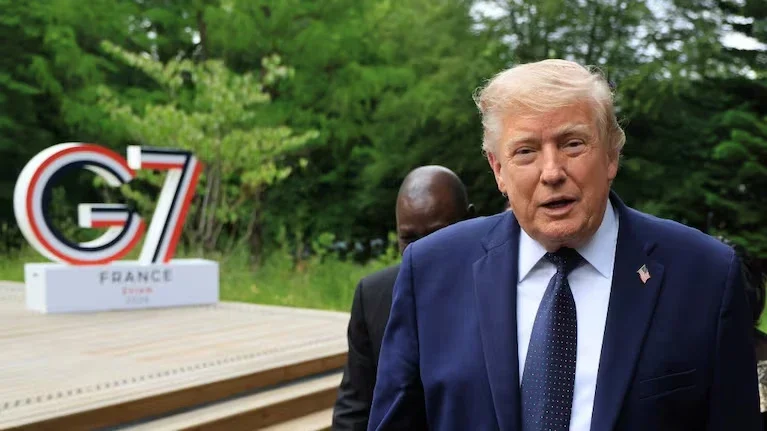
Trump categorically rejected the information about a supposed multimillion-dollar fund. During a press conference at the G-7 summit in France, he stated that the United States ''is not investing a dime'' in Iran and assured that it has not asked its Arab allies to finance a support program for the Iranian regime.
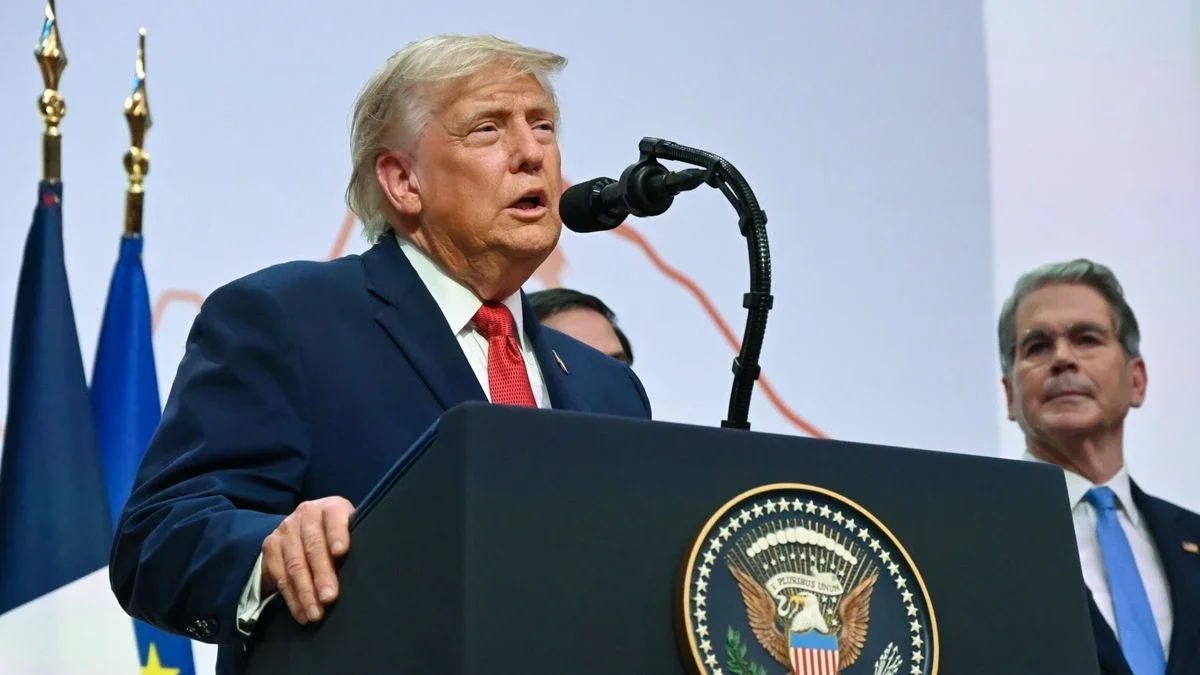
The president maintained that the agreement represents an opportunity to avoid a military escalation with unpredictable consequences, although he made it clear that Washington will maintain a firm stance against any non-compliance. Trump warned that the memorandum does not constitute a blank check for Tehran and noted that the United States will respond decisively if Iran violates its obligations.
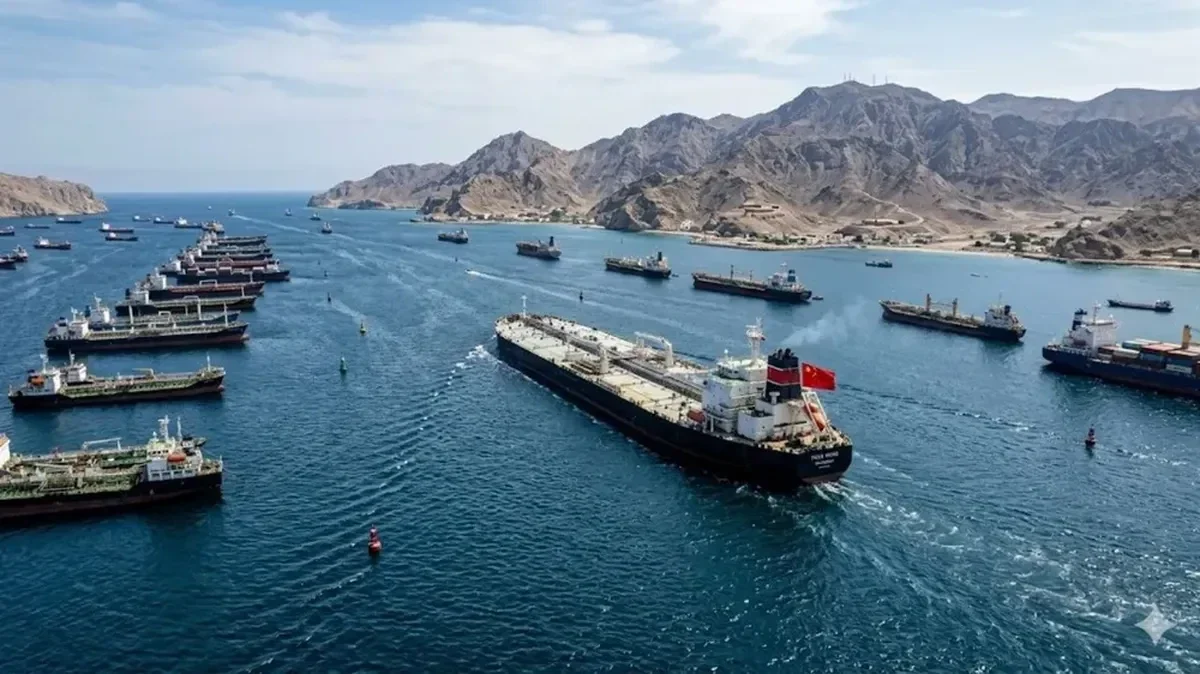
One of the most relevant aspects of the agreement is the reduction of tensions in the strategic Strait of Hormuz, one of the world's most important maritime routes for oil transportation. Trump assured that the maritime passage will return to normal operations in the coming days, a piece of news that was positively received by international markets.
Oil prices have seen a sharp decline since Washington and Tehran announced a ceasefire framework on Monday. The price of crude fell below $80 for the first time since March, reflecting investors' confidence in a decrease in geopolitical risk.
The normalization of maritime traffic was also reflected in commercial intelligence reports showing the movement of sanctioned Iranian tankers through the Strait of Hormuz, a sign that both parties are moving towards a practical implementation of the commitments reached.