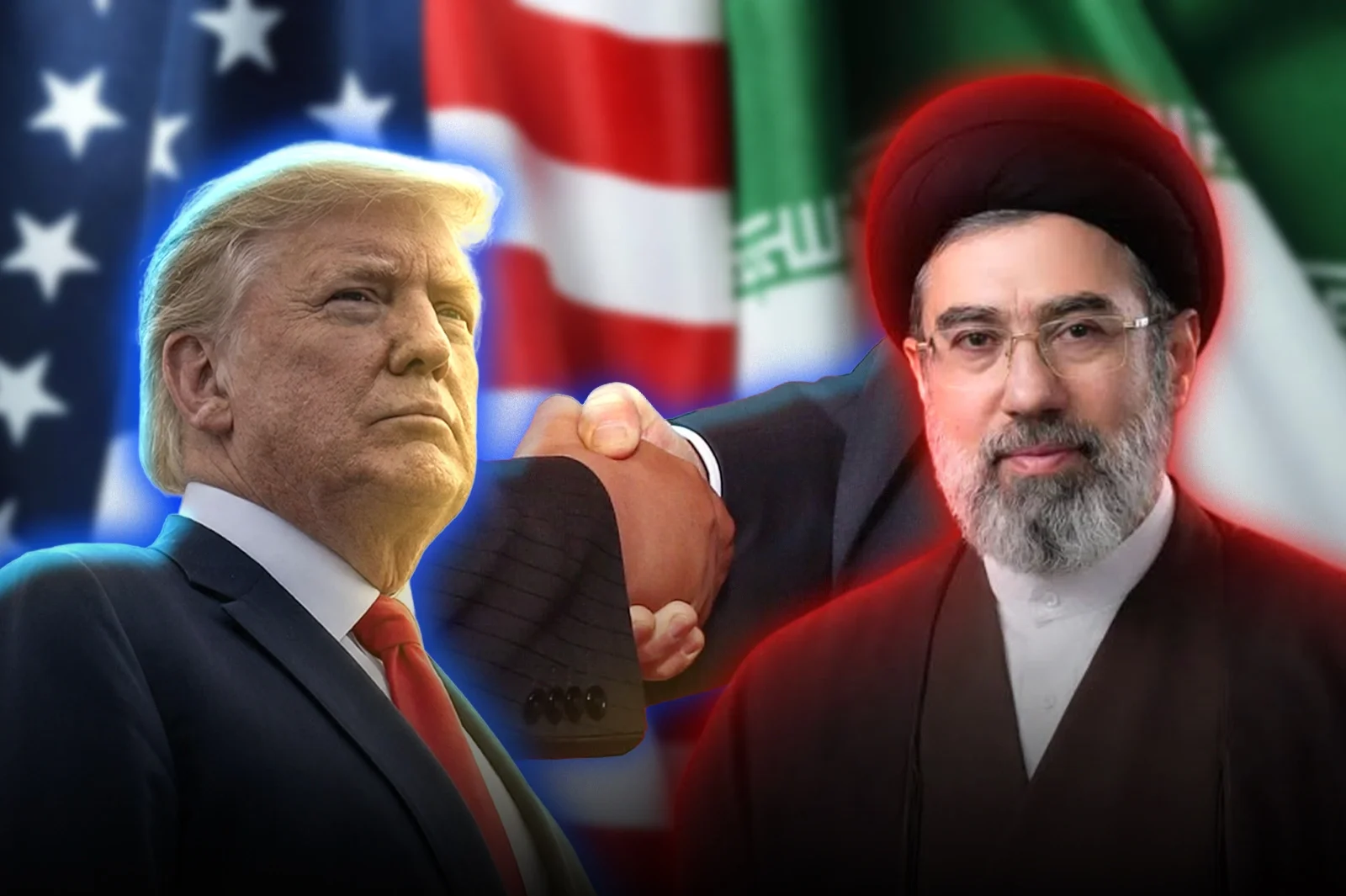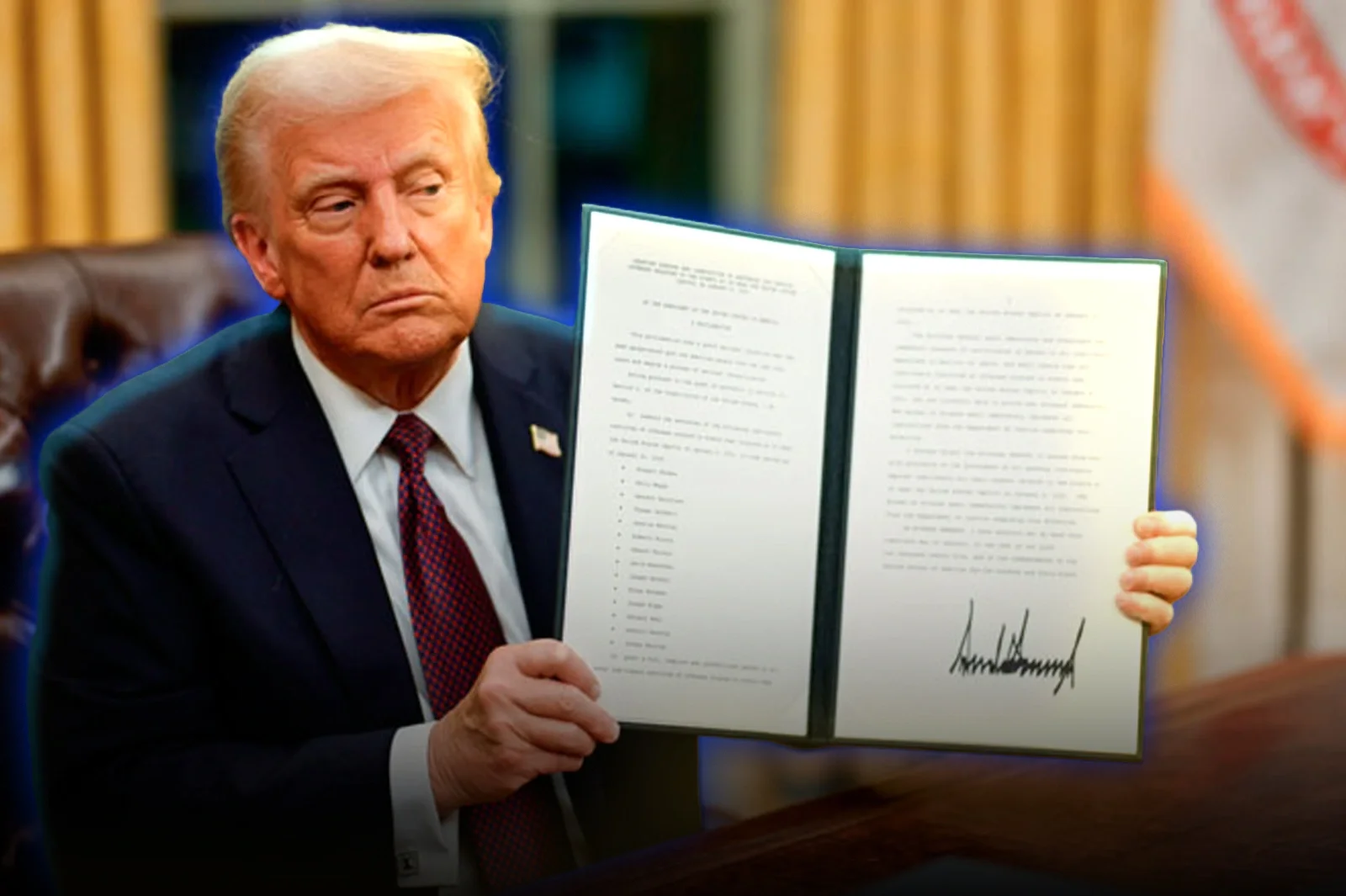

The President of the United States, Donald Trump, signed a Memorandum of Understanding (MOU) with Iran this Wednesday that ended the military conflict between the two countries and laid the groundwork for a definitive agreement in the next 60 days. The signing, which took place during an official dinner at the Palace of Versailles in France, marks one of the most significant diplomatic moves of the current administration and could redefine the strategic balance in the Middle East.
According to reports, Iranian President Masoud Pezeshkian also signed the document, meaning that the agreement took effect immediately. The formal ceremony that was scheduled to take place in Geneva was canceled because both parties had already completed the approval process.
For the White House, the memorandum represents a huge victory for Trump's strategy, which combined military pressure, economic sanctions, and direct negotiations to compel Tehran to return to the negotiating table without the United States getting trapped in a new prolonged war in the region.
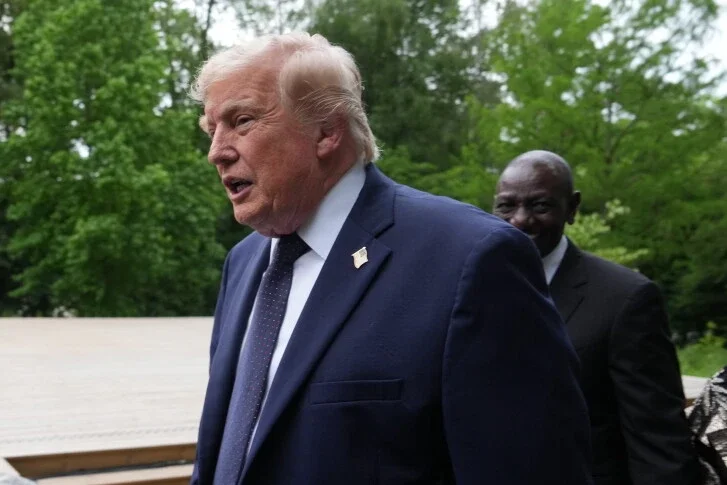
The 14 Points of the Agreement with Iran
The first point of the agreement establishes the immediate and permanent cessation of military operations between the United States, Iran, and their respective allies. The provision expressly includes the Lebanese front and commits both parties to refrain from initiating new military actions or threats of the use of force. It also includes respect for the sovereignty and territorial integrity of Lebanon.
The second article reinforces this commitment by establishing the mutual respect for national sovereignty and non-interference in internal affairs. This point aims to reduce decades of indirect confrontation and mutual accusations between Washington and Tehran.
The third section sets a roadmap to reach a definitive agreement within a maximum period of 60 days, with the possibility of extension if both parties deem it necessary.
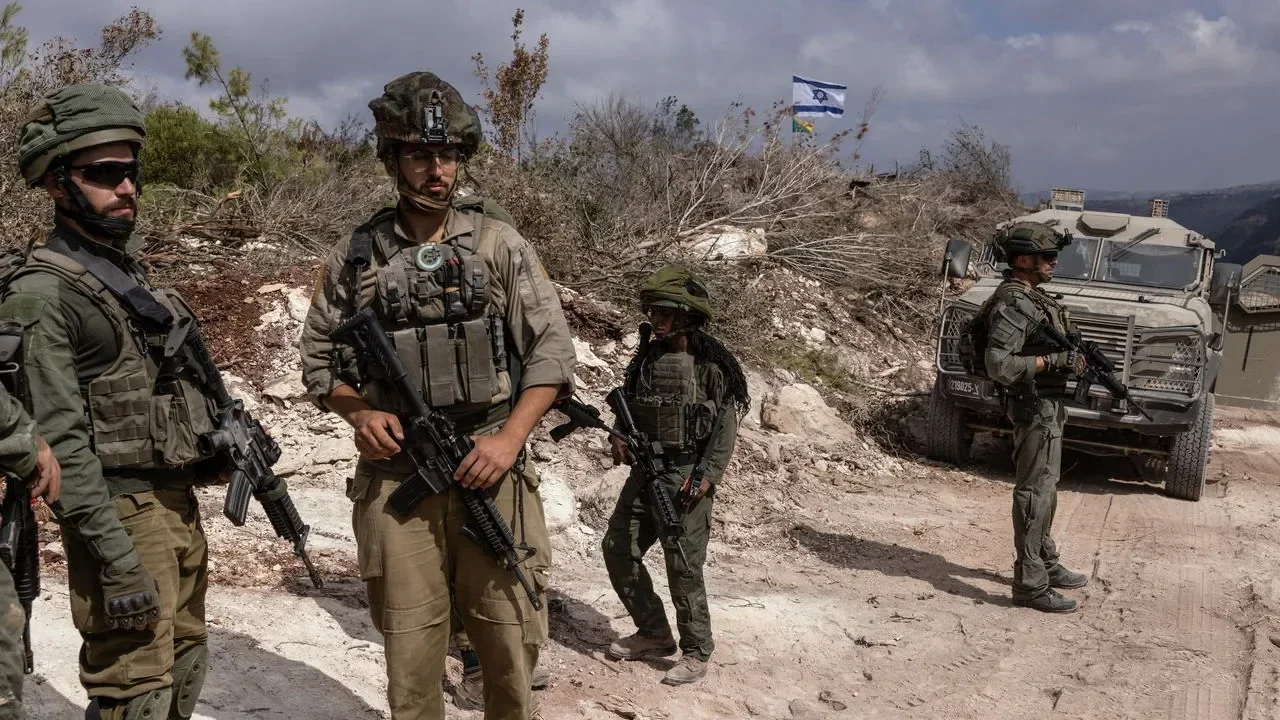
One of the most relevant aspects appears in points four and five. The United States will begin to gradually dismantle the naval blockade imposed during the conflict and reduce its military presence near Iran once the final agreement is reached. In exchange, Tehran will guarantee the safe passage of commercial vessels through the Persian Gulf and the strategic Strait of Hormuz, a key route for global energy trade.
The reopening of this maritime route is considered one of the greatest immediate advantages of the agreement. Uncertainty over oil traffic had generated strong tensions in international markets in recent weeks. Following the announcement of the understanding, oil prices began to decline significantly, reflecting the expectation of greater regional stability.
One of the most debated points is the sixth article, related to Iran's economic reconstruction. The text provides for the development of a plan of at least 300 billion dollars aimed at the economic growth of the Persian country. However, the Trump administration has insisted that these resources will not come directly from American taxpayers. According to the White House, these are investments that would involve regional partners and private actors within a framework that still needs to be defined during the final negotiations.