The mission will depart on April 1 and will be the first manned flight to the Moon since 1972.
Compartir:
NASA is preparing for a new milestone in space exploration with the launch of Artemis II, the first manned mission in its lunar program that will mark the return of astronauts to the Moon's orbit after more than five decades. The last time human beings traveled there was in 1972, during the Apollo 17 mission
.
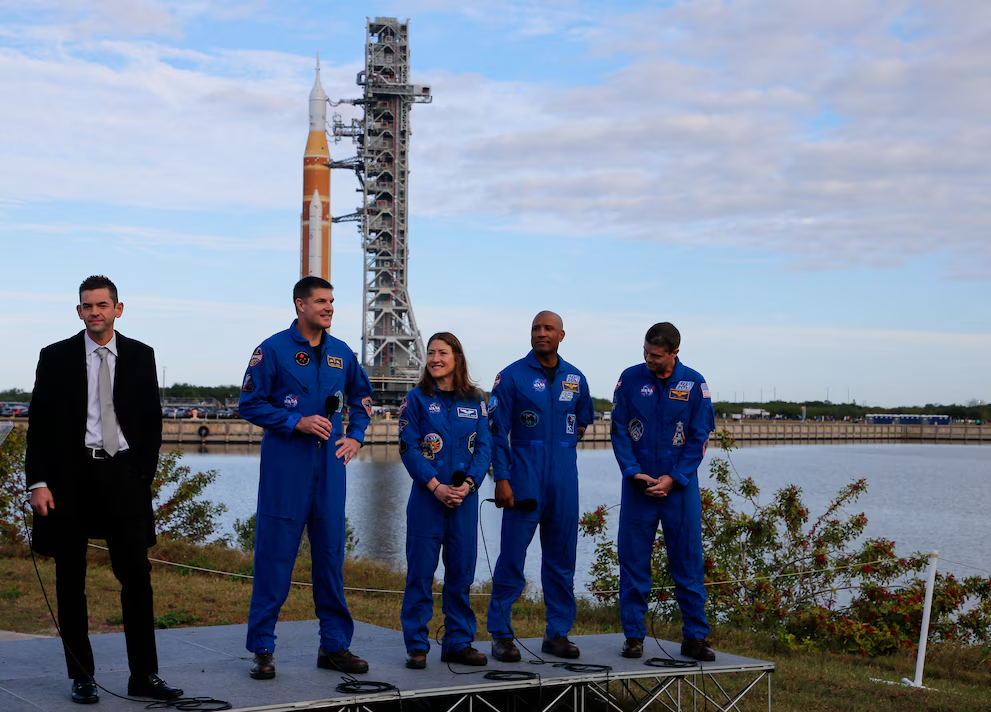
The Artemis program seeks to resume lunar exploration for scientific, technological and strategic objectives, in addition to laying the foundations for future manned missions to Mars. In this case, four astronauts will travel aboard the Orion ship on a mission of approximately 10 days that will include a flyby around
the natural satellite. The 4 astronauts who will travel to the Moon.The takeoff is scheduled for Wednesday, April 1, 2026 at 18:24 (Eastern United States time), equivalent to 19:24 in Argentina.
The launch window will last two hours and, in the event of technical problems or adverse weather conditions, NASA is considering alternative dates until April 6
.
The mission schedule NASA
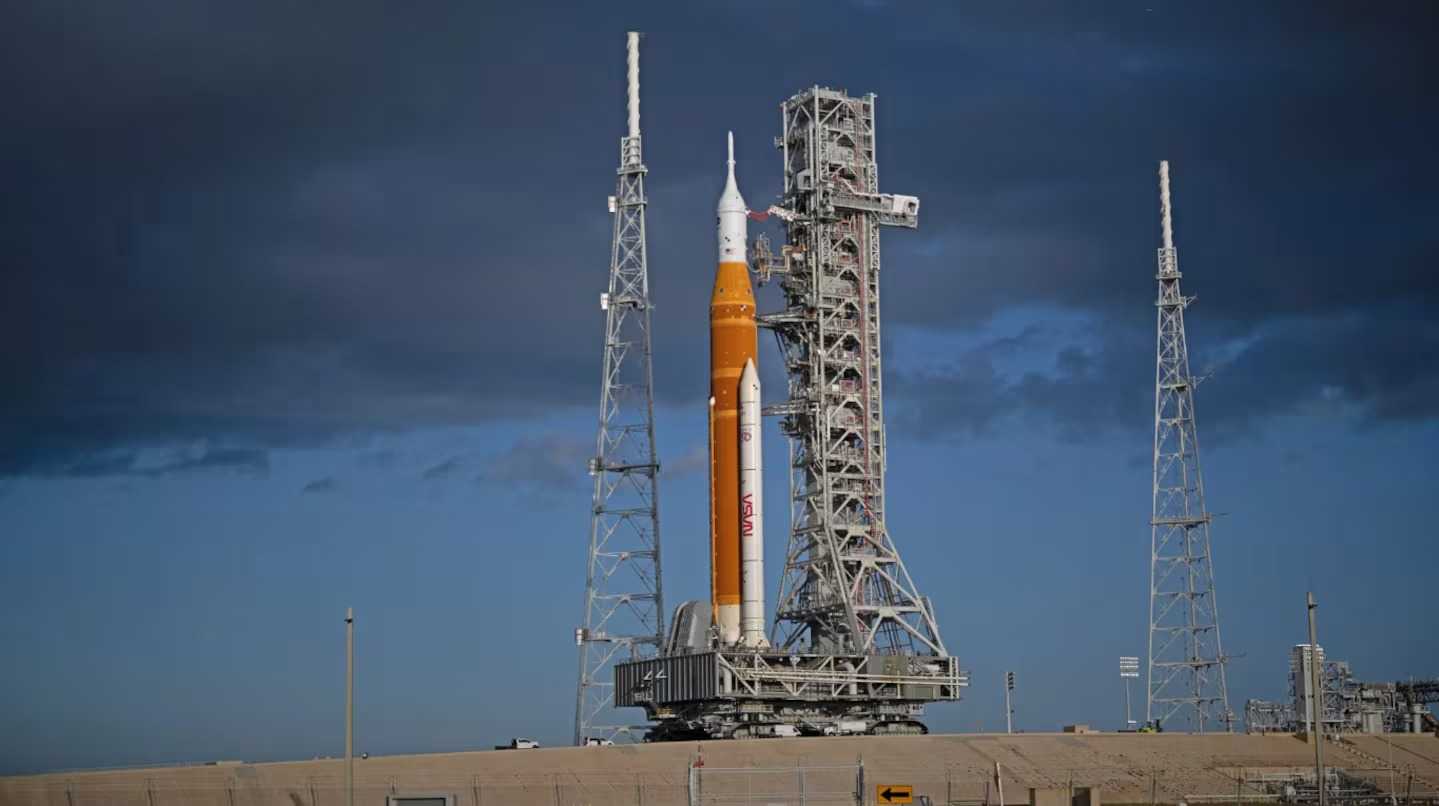
released a detailed schedule to follow each instance of the mission, including previous activities, the launch and the main milestones of the
trip. The SLS rocket is already on the launch pad.
Sunday, March 29: activities with the crew and press conference on the status of the mission
.
Monday, March 30: new official updates in the run-up to takeoff.
Tuesday, March 31: Pre-launch conference with information about the countdown.
Wednesday, April 1: Artemis II launched with coverage from the early hours of the day.
Thursday, April 2: report on the ship's progress towards the Moon.
Monday, April 6: broadcast of the lunar flyby, one of the most anticipated moments.
Thursday, April 9: The crew will deliver a conference from space.
Friday, April 10: return to Earth with landing in the Pacific Ocean and subsequent conference.
Where to watch the Artemis II mission live
NASA will have full coverage of the mission through multiple digital platforms.
The live broadcasts can be followed through NASA+, the agency's official YouTube channel —including a signal in Spanish— and also through services such as Amazon Prime.NASA+, the free streaming of the space agency.
In addition, the agency will provide continuous coverage with updates, press conferences and special broadcasts during key moments of the mission, allowing each stage of the trip to be followed in real time
.
For those who want more detailed monitoring, NASA has also enabled an online tracker that will show the trajectory of the Orion spacecraft throughout its journey. A historic mission, this time, available to anyone with an internet connection.