The temporary agreement between the United States and the Iranian regime brought oil prices down dramatically.
Nuevo
Agregar La Derecha Diario en
Compartir:
International markets reacted strongly this Tuesday night after the announcement of a temporary ceasefire in the conflict between the United States and Iran, a measure promoted by President Donald Trump that aims to reduce tensions in one of the most sensitive regions for global energy supply and brought the Khamenei regime to its knees.
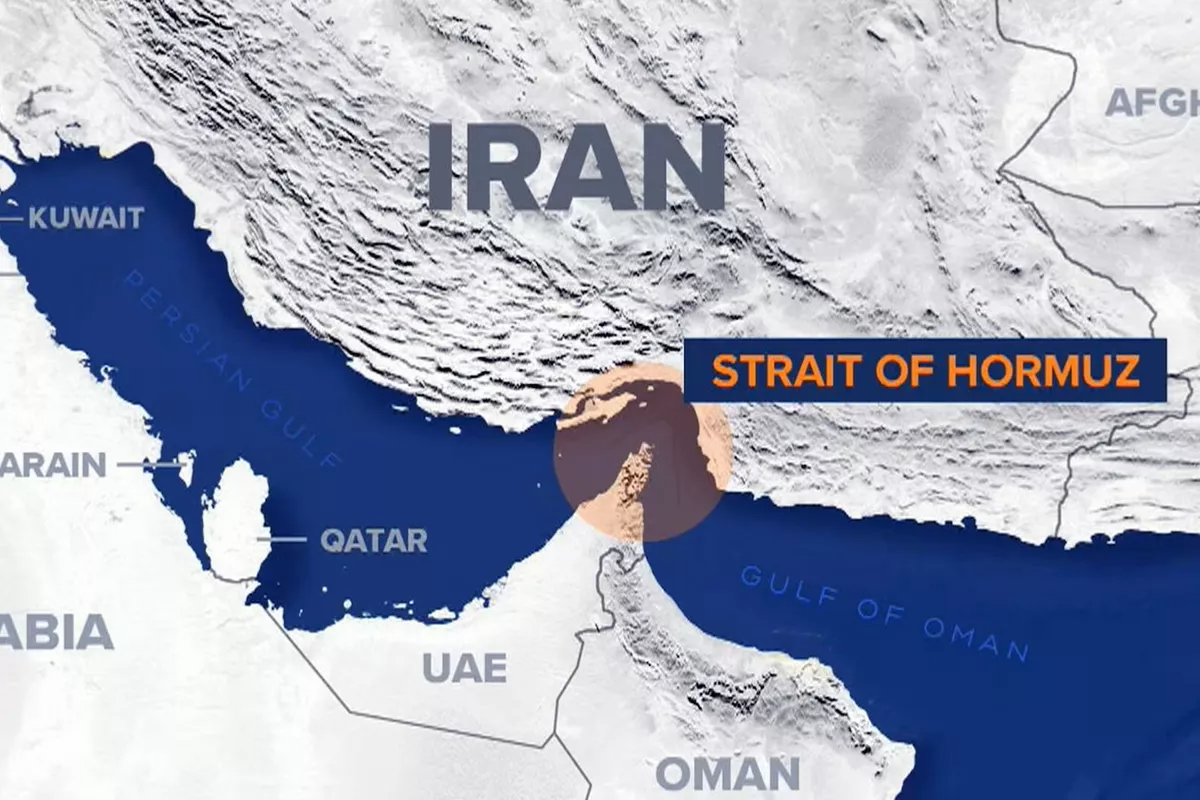
The president reported that he agreed to suspend military operations for a period of two weeks, conditioned on Iran guaranteeing the “complete, immediate and safe” opening of the Strait ofHormuz. This maritime passage is key to international oil trade, since approximately 20% of the world's crude oil supply circulates there
.
The news had an immediate impact on energy markets. The price of “West Texas Intermediate” (WTI) oil, which had reached levels close to $117 per barrel during the day, fell sharply by more than 16% in overnight trading, to below $94. The decline reflects significant relief among investors in the face of the possibility of a de-escalation of the conflict
.
In parallel, financial markets showed a strong rebound. S&P 500 futures rose more than 2.5%, while Dow Jones futures rose nearly 1,000 points and Nasdaq 100 futures rose close to 3%. There were also increases in other global indicators, anticipating a positive opening in Asia
and Europe. The price of oil fell dramatically after the announcement of a momentary ceasefire agreement in Iran and the temporary reopening of the Strait of Hormuz
The announcement came in a context of high tension. During the previous weeks, transit through the Strait of Hormuz had been severely affected by attacks and threats against commercial vessels, causing an unprecedented interruption in the flow of oil. This situation boosted energy prices, including gasoline, diesel and aviation fuel, and fueled fears of
global scarcity.
As announced by Trump, the agreement was facilitated after talks with the Prime Minister of Pakistan, who requested an extension to allow negotiations to move forward. In that framework, Iran would have presented a ridiculous ten-point proposal that would serve as a basis for a “broader understanding”
.
From Tehran, the Iranian Foreign Minister said that the country will allow ships to pass safely for a period of two weeks, in coordination with its armed forces and considering technical limitations. However, there are still doubts about the real extent of this opening and the specific conditions that could apply to maritime transit.
President Donald Trump reached a temporary agreement after the intervention of Pakistani authorities and JD Vance
In the previous days, Trump had toughened his speech, warning of possible large scale attacks if his demands were not met. However, the announcement of the ceasefire suggests a shift towards a negotiated solution without abandoning strategic objectives
.
Energy market analysts noted that, although the truce represents a positive sign, uncertainty persists. Some experts warn that, until oil flow through the strait is fully restored, prices could remain high in the
short term.
Even so, the initial reaction of the markets indicates an improvement in risk perception. The fall in Treasury bond yields and the rise in stock markets reflect greater optimism among investors, who see this pause as an opportunity to avoid further escalation
. The Strait of Hormuz will be temporarily reopened and will be supervised by Iran's armed forces