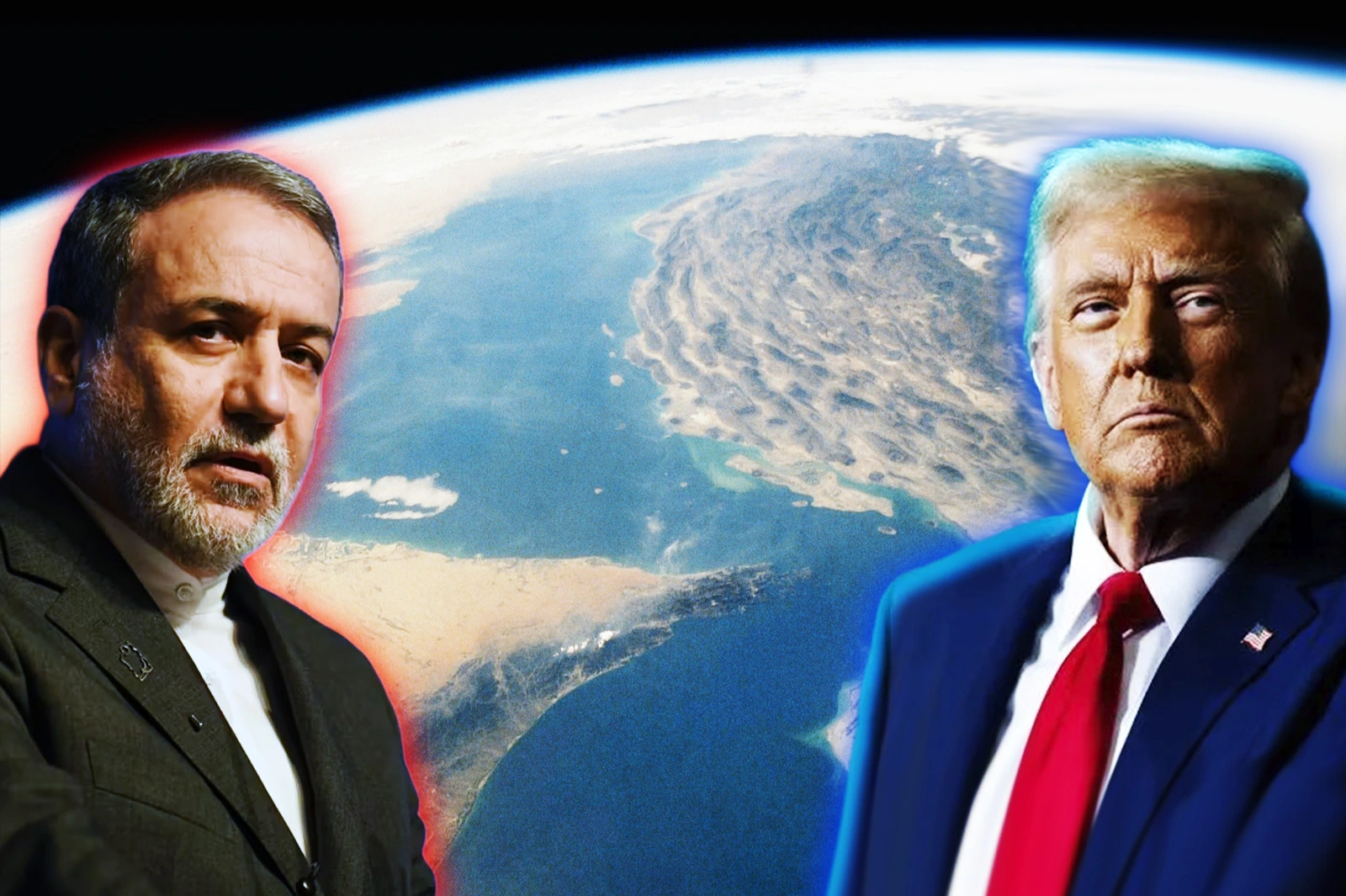
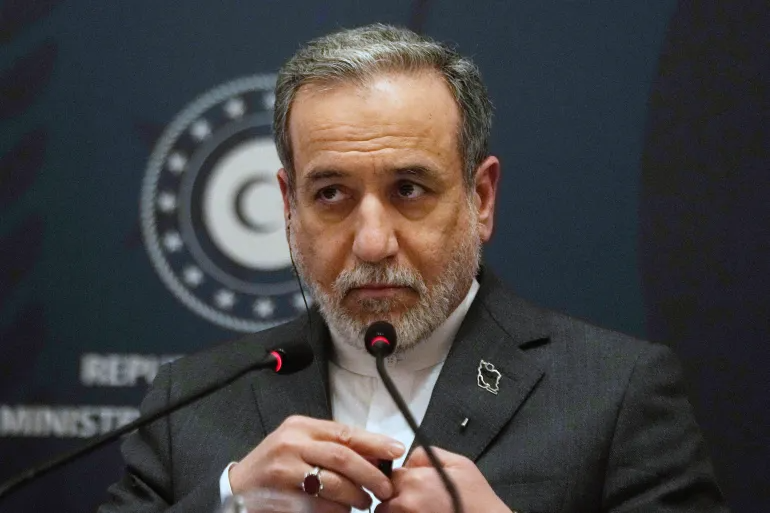
The Foreign Minister of the Khamenei regime announced the partial reopening of the strait, which will be administered under Iranian supervision.
Nuevo
Agregar La Derecha Diario en
Compartir:
Iran temporarily reopened the Strait of Hormuz and announced the suspension of its military operations for a period of two weeks, in a move that marks a key turning point in the conflict with the United States and opens a window for diplomatic negotiation.
The announcement was made by Iranian Foreign Minister Abbas Araghchi in an official statement issued from Tehran, where he confirmed that the measure is conditional on the cessation of attacks against Iranian territory. “If the attacks against Iran stop, our powerful armed forces will cease their defensive operations,” said the official, representing the Supreme National Security Council
.
In addition, Araghchi indicated that safe passage through the Strait of Hormuz will be guaranteed for two weeks, although he clarified that the transit will take place under coordination with the Iranian armed forces and considering certain “technical limitations” derived from the war context. This point leaves open the uncertainty about the real level of normalization of maritime flow on one of the most important energy routes in the
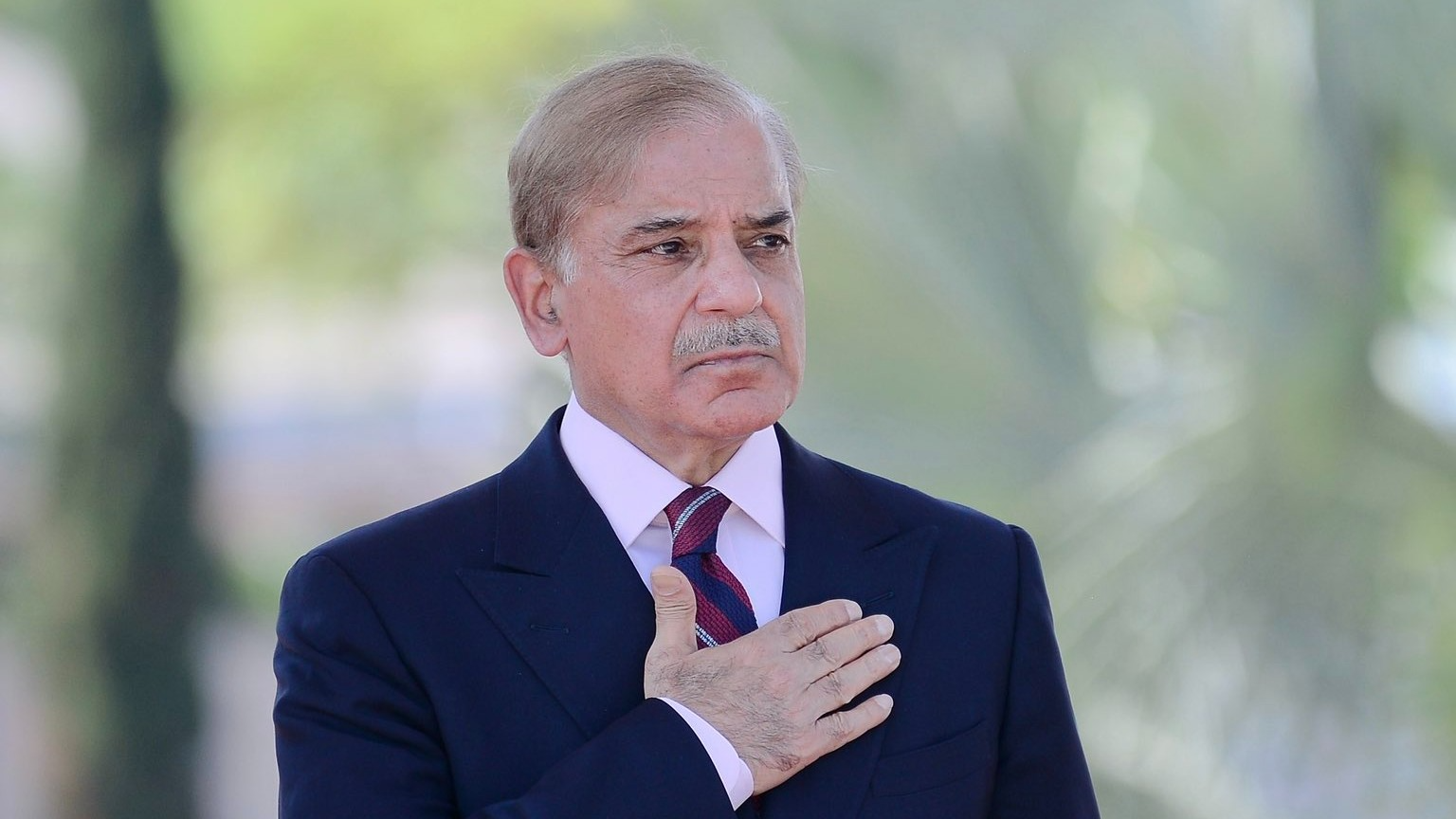
The Iranian Foreign Minister expressed his gratitude to Prime Minister Shehbaz Sharif, highlighting his role in the mediation that brought positions closer together between the opposing parties. According to the statement, these efforts were decisive in moving towards a possible de-escalation of the conflict
.
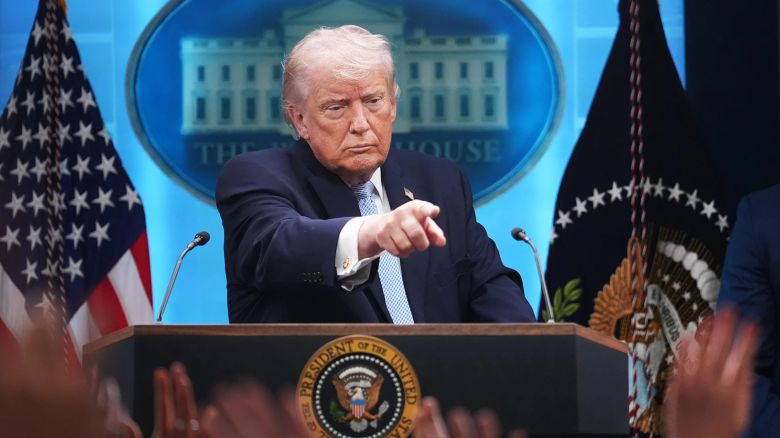
In parallel, the President of the United States, Donald Trump, confirmed the acceptance of a temporary truce under specific conditions, including the “complete, immediate and safe” reopening of the Strait of Hormuz.
This exchange of proposals suggests the emergence of common ground for dialogue, in a conflict that in recent weeks had escalated significantly and generated one of the biggest interruptions in the global supply of oil. Before the announcement, transit through the strait, where about 20% of the world's crude oil circulates, was practically paralyzed due to attacks, threats and generalized uncertainty in the region
.
The impact on international markets was not long in coming. After the news broke, oil prices fell sharply, while the main stock indices showed significant increases, reflecting investor relief at the possibility of de-escalation. However, analysts warn that the situation remains fragile and that the partial reopening of the strait may not be enough to fully restore energy flow in the
short term. Iranian authorities thanked the Prime Minister of Pakistan for his efforts in the temporary agreement
As part of this diplomatic process, a peace summit was announced on April 11 in Pakistan, where representatives of the parties involved and other international actors are expected to participate. The meeting will be key to evaluating the viability of a broader and more lasting agreement
.
In this context, the two-week truce appears as a critical opportunity to move towards a negotiated solution. Although doubts persist about the implementation of the commitments made, both Washington and Tehran have given signs of openness that could lay the groundwork for a sustained reduction
in tensions.
The temporary reopening of the Strait of Hormuz has not only geopolitical implications, but also economic ones, directly influencing energy prices and the stability of global markets. For now, the world is watching with caution the development of events, hoping that this pause in the conflict will translate into concrete progress towards peace
. On April 11, a summit will be held in Pakistan where representatives of the Trump administration are expected to attend.