Washington and Havana negotiate the removal of the Castro dictator from power and the economic opening of the island.
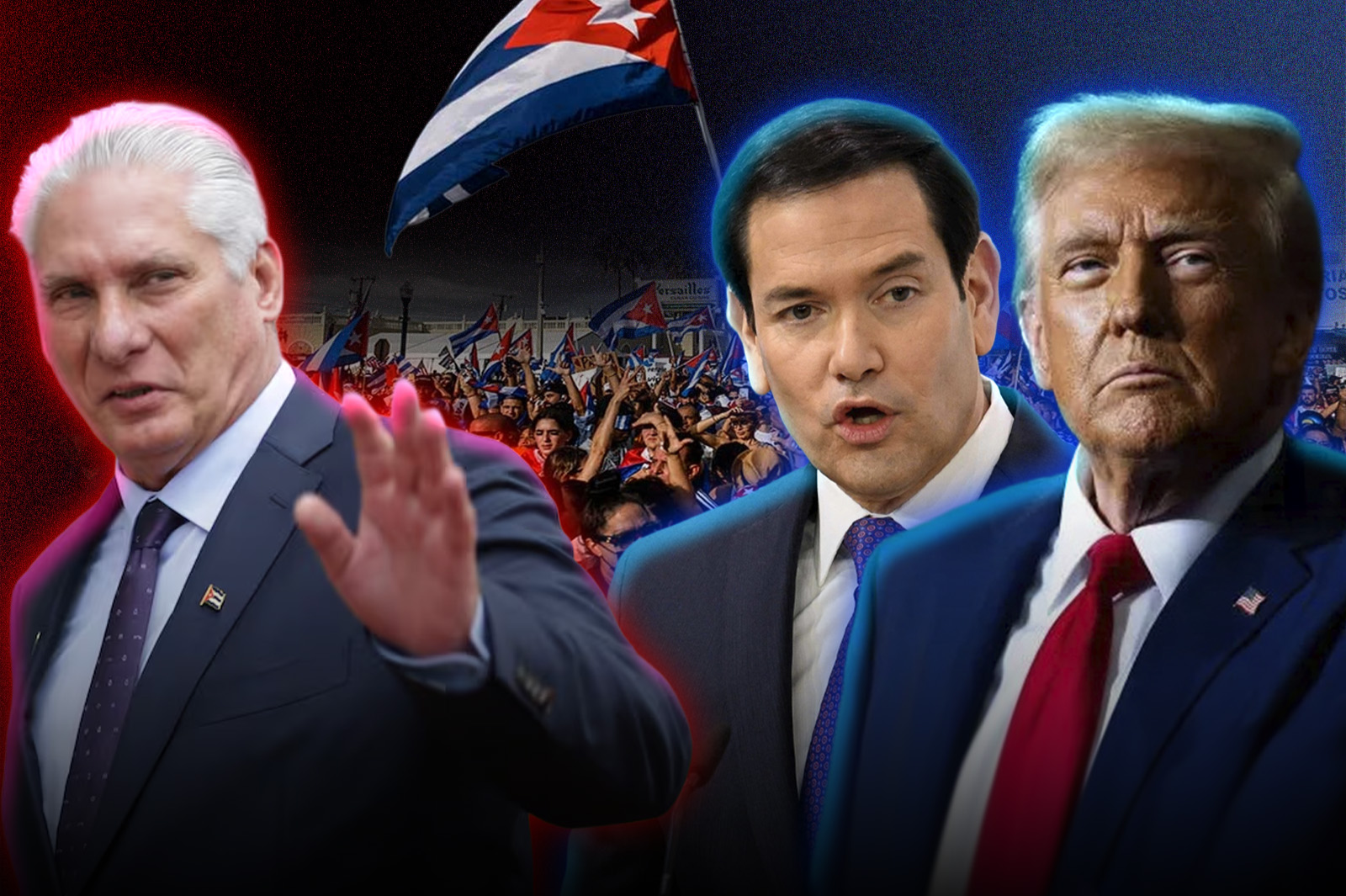
The administration of President Donald Trump is negotiating the removal of Miguel Díaz-Canel from power, according to the New York Times, who held talks with four people who are participating in negotiations on the future of the Caribbean island governed by communism and mired in misery.
This newspaper assures that the Trump team has told Cuban negotiators that the current dictator - who represents the old guard of Castroism - must leave, leaving the steps to follow in the hands of Havana. In addition, due to the lack of opposition on the island, U.S. advisors seek “regime obedience” rather than total regime change
.
According to the vision of Trump officials in the White House, removing the Cuban head of state would allow for structural economic reforms that Díaz Canel would probably not support, one of the sources said. The dictator's departure would give Trump another victory in his foreign policy and would allow him to tell the American public that he succeeded in overthrowing another left-wing government in the region, just as
he did with Venezuela. Trump is close to liberating Cuba from the communist dictatorship.
Economic opening and release of political prisoners
Trump also wants the regime to remove from power some veteran officials who remain committed to Fidel Castro's communist ideas, in addition to pressing for the release of political prisoners, a historic objective of U.S. politics.
From an economic point of view, the talks aim at Cuba gradually opening its economy to American businessmen and companies, thus laying the foundations for a relationship of economic dependence. In line with this position, Washington suggested that Cuba privatize its oil sector, although the Castro authorities for the time being refuse to take that step.
Díaz Canel has headed the Cuban government since 2021 and has two more years left in power. During his term of office, millions of citizens left the country and the economic deterioration on the island triggered a humanitarian crisis. On Monday, the power grid collapsed and the entire country was left in the dark because the dictatorship stopped receiving oil imports from Venezuela for three months.
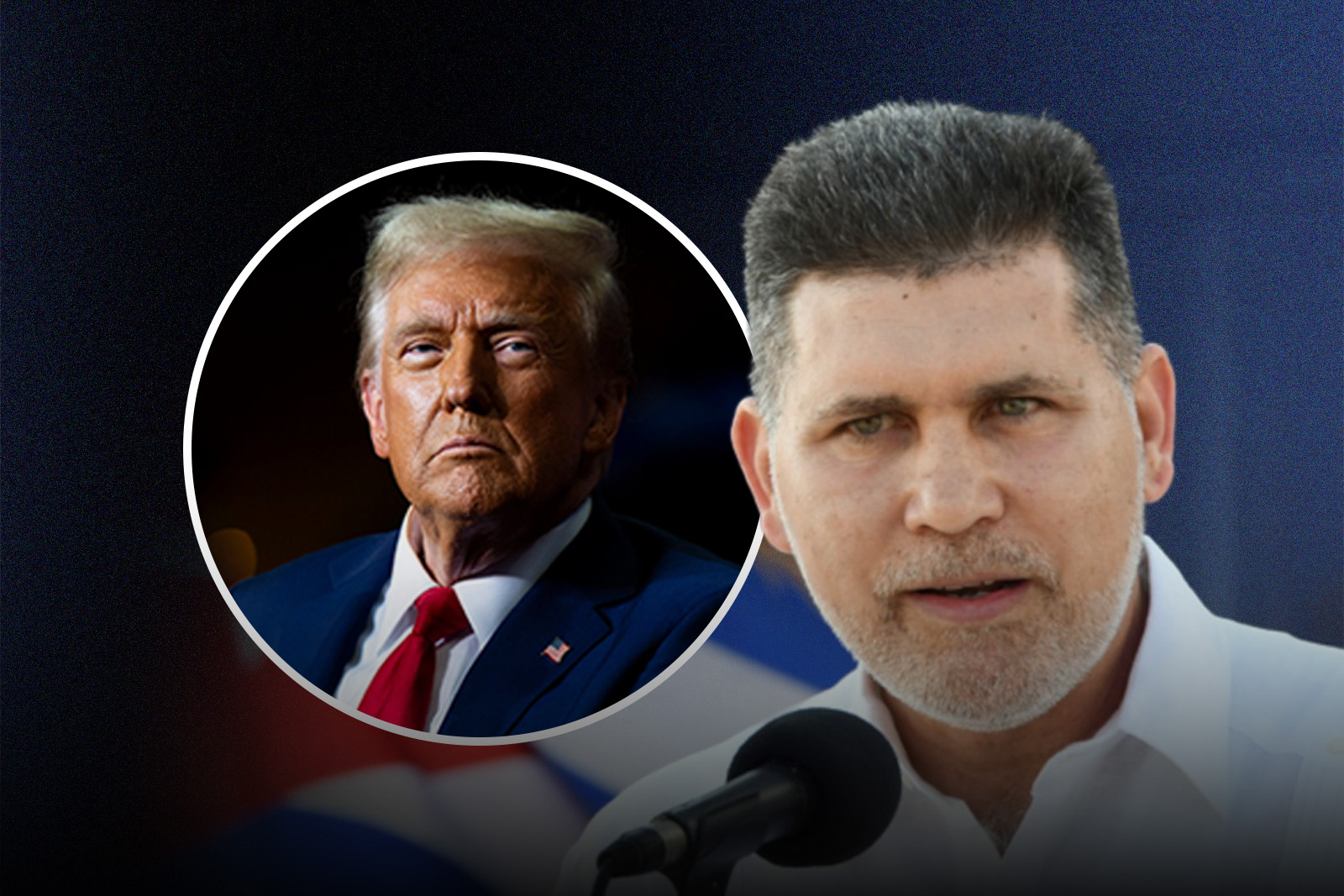
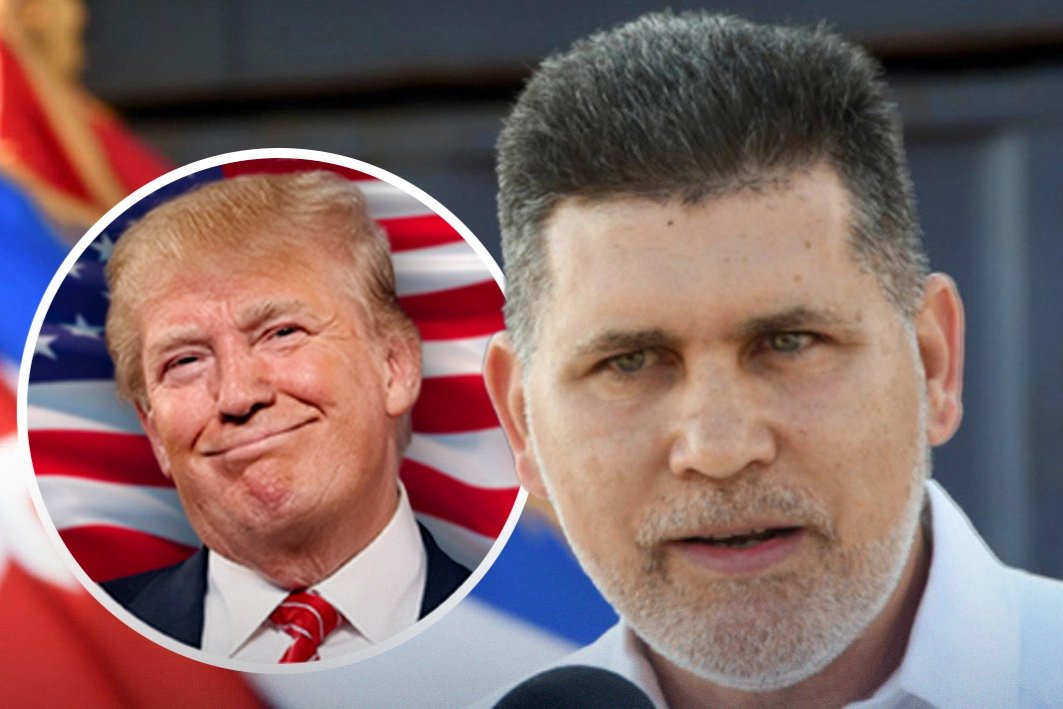
Raúl Guillermo Rodríguez Castro, grandson of Raúl Castro, is the one who has emerged as one of the main negotiators with the United States, maintaining direct contact with Trump's Secretary of State, Marco Rubio, who is the son of Cuban immigrants. It is believed that “Raulito” would continue to pull the strings of the government after the departure of Díaz-Canel.
Another member of the family that has governed Cuba for more than 60 years, Oscar Pérez-Oliva Fraga, the grandnephew of Fidel and Raúl Castro, who was appointed vice prime minister of Cuba at the end of last year, gave an interview to a U.S. news network on Monday in which he spoke of opening the country to foreign investment, implying that, thanks to Trump, Cuba can be free after decades of communism.