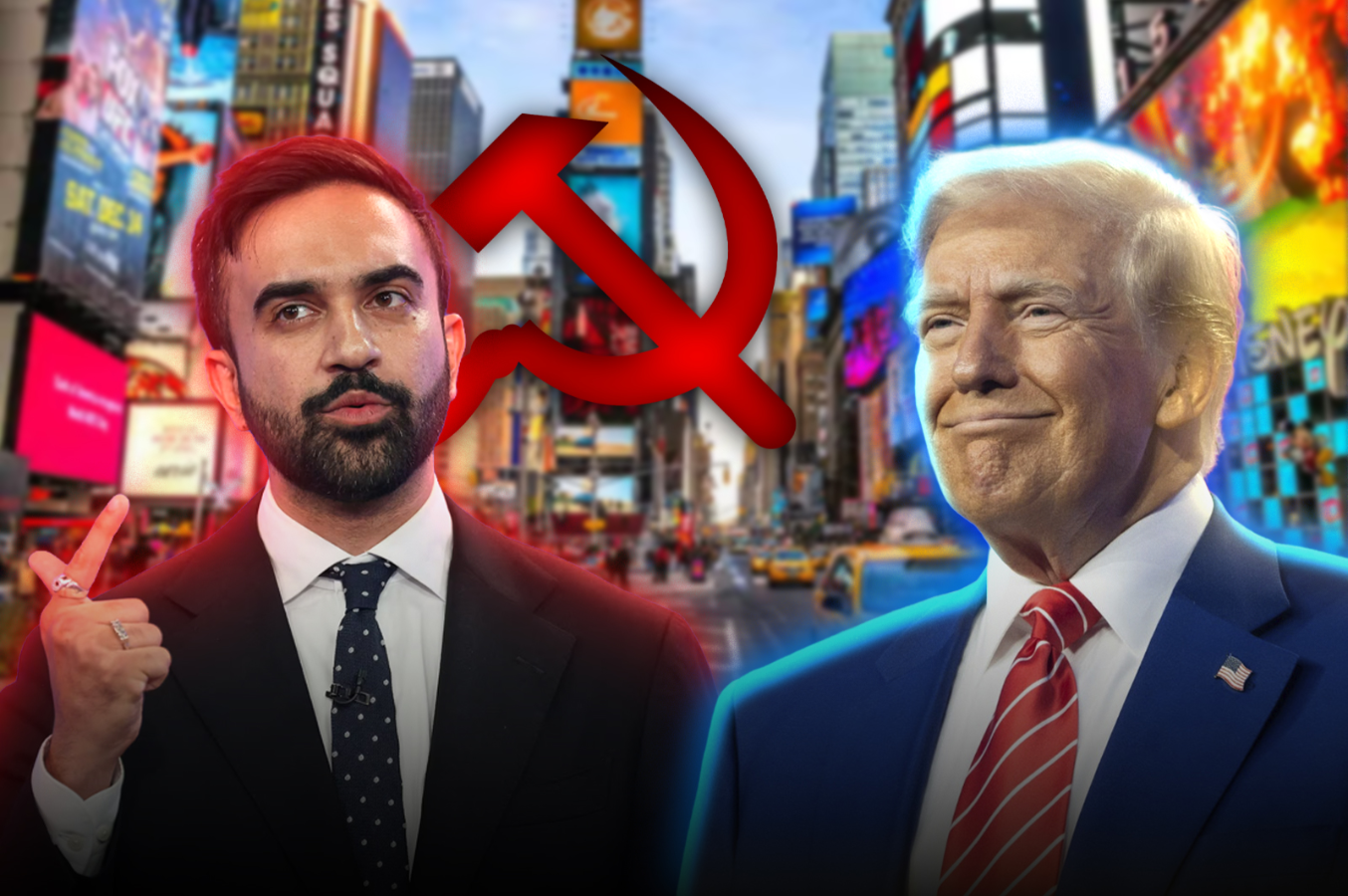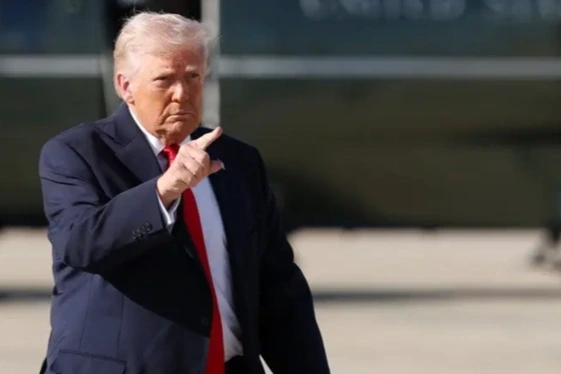

The United States maintains military and diplomatic pressure on Iran at a critical time in the bilateral conflict, with President Donald Trump stating that the naval blockade imposed on Iranian ports will not be lifted until a formal agreement is reached with Tehran. The measure, in force for about a week, is part of a strategy of coercion that Washington considers key to forcing concessions in peace negotiations
.Trump assured that the blockade is having a severe impact on the Iranian economy, noting that the pressure applied by the United States is “destroying” the country's operational capacity in the conflict. According to the president, the US administration maintains a clear position of advantage and will not give in without a favorable agreement. “We are winning by a lot,” he said in posts published on his social network Truth Social
.The operation has been carried out by the United States Central Command (Centcom), which reported that since the beginning of the blockade it has forced 27 vessels to return or divert from their route to Iranian ports. In addition, U.S. forces intercepted an Iranian-flagged vessel attempting to cross the maritime encirclement, in what constitutes one of the most significant incidents since the beginning of the crisis
.
The Iranian government described this action as an “act of piracy” and reported a violation of the temporary ceasefire agreed between the two parties. However, the Trump administration maintains that these measures are defensive and respond to what it considers to be previous breaches by Iran
.In parallel, Iran has maintained restrictions on the Strait of Hormuz, one of the world's most strategic maritime routes for transporting oil. For almost two months, the country has implemented partial blockades that have contributed to rising global energy prices. Although the road was briefly reopened, it was closed again after new incidents involving attacks on nearby vessels, further increasing tension in the region