The talks would be indirect and still without concrete results.
However, military pressure seems to be the main factor pushing Tehran towards an eventual negotiation.
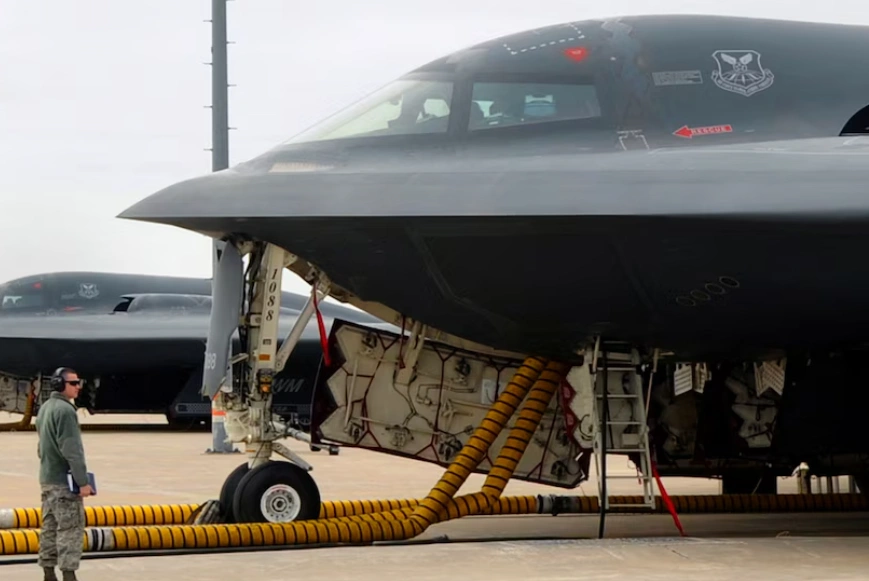
Military reinforcements and possible escalation
, the
United States increased its presence
in the region.
Dispatched:
Airborne Troops
Marine Units
The objective is to maintain pressure and be prepared for
any escalation.
A time-bound conflict The
White House estimates that the offensive could last between four and six weeks
.
This is an operation with clear objectives: to weaken the Iranian regime and force it to negotiate from a position of weakness.
The West consolidates its advantage against the Iranian regime
.
The balance so far clearly favors the United States and
its allies.
The destruction of thousands of military objectives marks a turning point in the conflict.
Meanwhile, Iran is facing an increasingly adverse scenario, both militarily and economically.
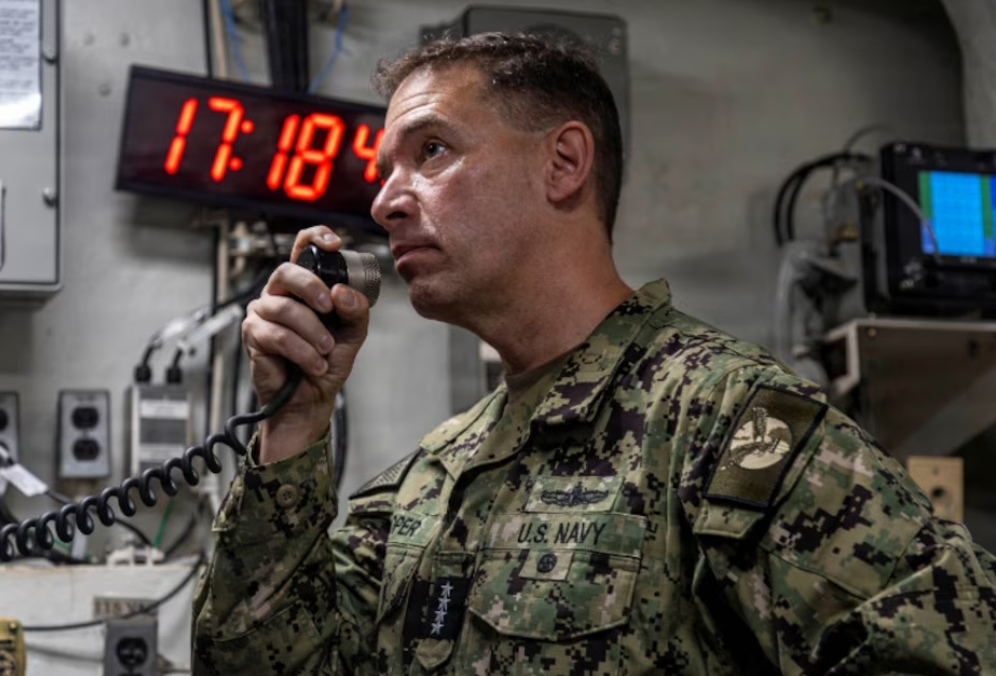
The
United States confirmed the magnitude of its offensive against the Iranian regime. The head of the Central Command (CENTCOM), Admiral Brad Cooper, reported that U.S. forces have attacked more than 10,000 military targets since the start of the war
.
The balance is stark: much of Iran's war infrastructure was seriously damaged or directly destroyed.
Massive blow to Iranian military production
According to Cooper, the attacks had a full impact on the regime's industrial capacity
.
More than two-thirds of the installations dedicated to:
Missiles
Drones
Naval weapons
were neutralized.
Iranian shipyards were also affected, weakening their maritime capacity.
Iran loses power on multiple fronts
The Pentagon says that the offensive significantly reduced
Iranian military power.
Although specific locations were not detailed, the message is clear: Iran is being disbanded into its main strategic capabilities.
This includes their ability to project strength in the region.
The Strait of Hormuz remains under tension
Despite the blows received, Iran maintains pressure on the Strait
of Hormuz.
About 20% of the world's oil circulates through this route, making it a critical point.
The regime continues to restrict maritime traffic, generating a global impact.
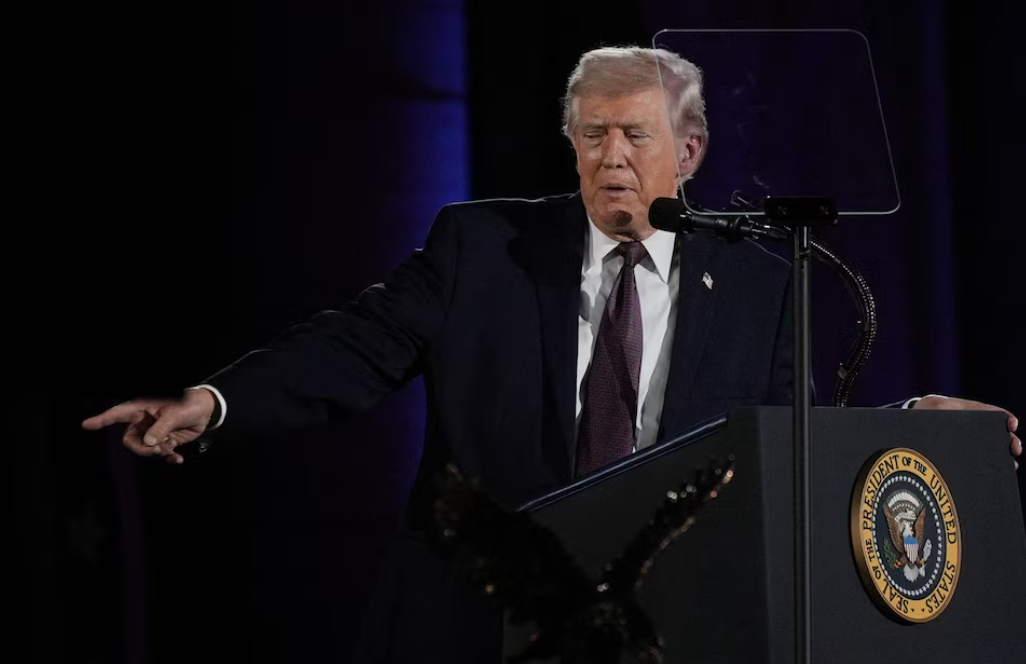
Trump: “Iran is being decimated”
President Donald Trump reinforced the narrative of military superiority
.
“Iran is being decimated,” he said during a meeting with lawmakers.