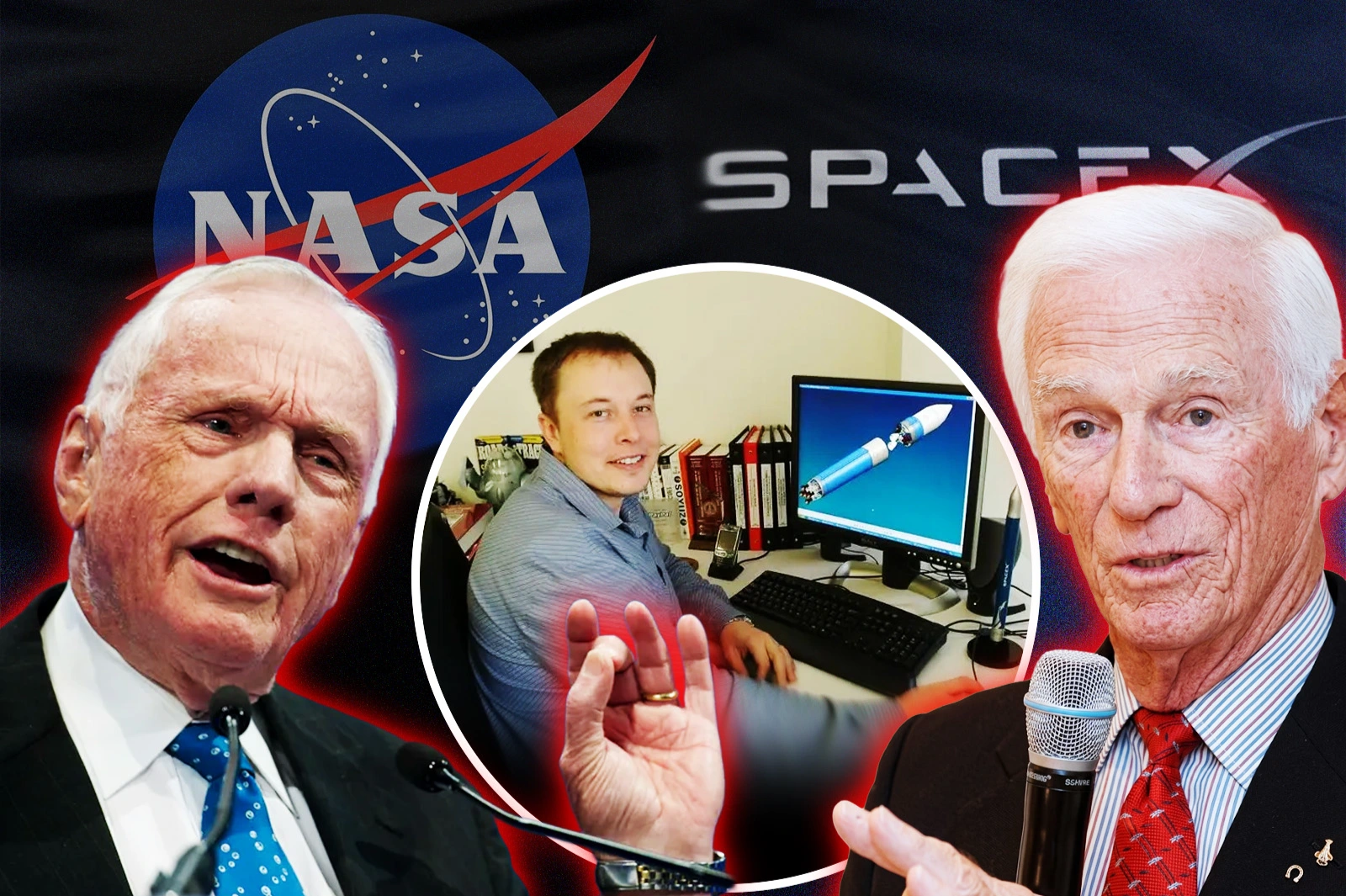
Astronauts like Armstrong and Cernan strongly criticized Musk's company, but they ended up being wrong.
Nuevo
Agregar La Derecha Diario en
Compartir:
Elon Musk's aerospace company, SpaceX, has established itself in recent years as the main player in the global space industry.
However, far from having been a smooth path, the company initially faced strong criticism from the most important astronauts in history, although it managed to reject these questions with concrete results that today position it as a leader in launches and orbital transport.
The most important criticisms emerged in 2010, in the context of the debate over the decision of the U.S. government to cancel NASA's Constellation program and move towards a model that would incorporate the private sector into the transfer of astronauts.
SpaceX.
Criticism against SpaceX
During a hearing before the Senate Commerce, Science and Transportation Committee, historic figures such as Neil Armstrong and Gene Cernan, the first and last person to walk on the Moon, expressed concern about
this change of course.
Cernan was one of the most critical and warned of the “lack of experience” of new companies in the sector: “These commercial companies still don't know what they don't know.” His position reflected doubts about the ability of startups to meet safety standards comparable to those of traditional companies such as Boeing or Lockheed Martin
.
For his part, Armstrong rejected the general strategy, pointing out that the plan lacked “a backup program” and questioning the viability of new actors achieving the necessary levels of security and compliance.
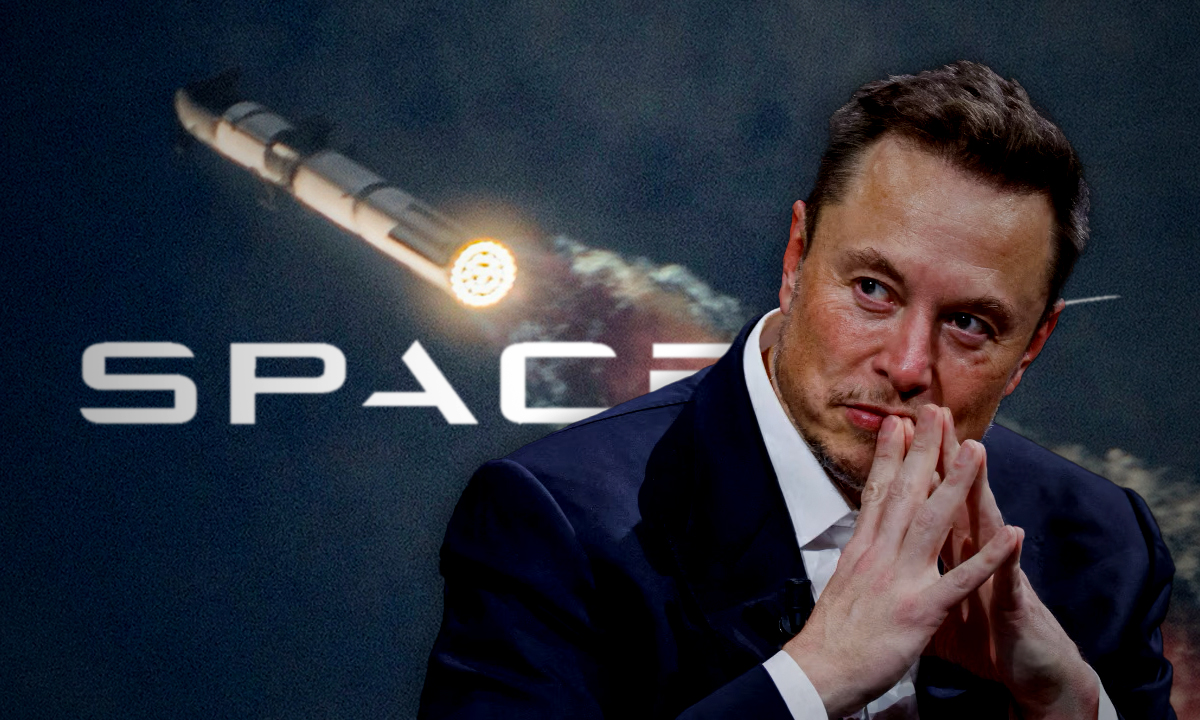
Elon Musk.
The criticisms were also reflected in an open letter sent to the Barack Obama administration in April 2010, signed by Armstrong, Jim Lovell
and Cernan.
In that document, the astronauts warned that delegating leadership to private companies could lead the United States on a “long downward slope to mediocrity,” while opening the door for other powers to take the lead in space exploration.
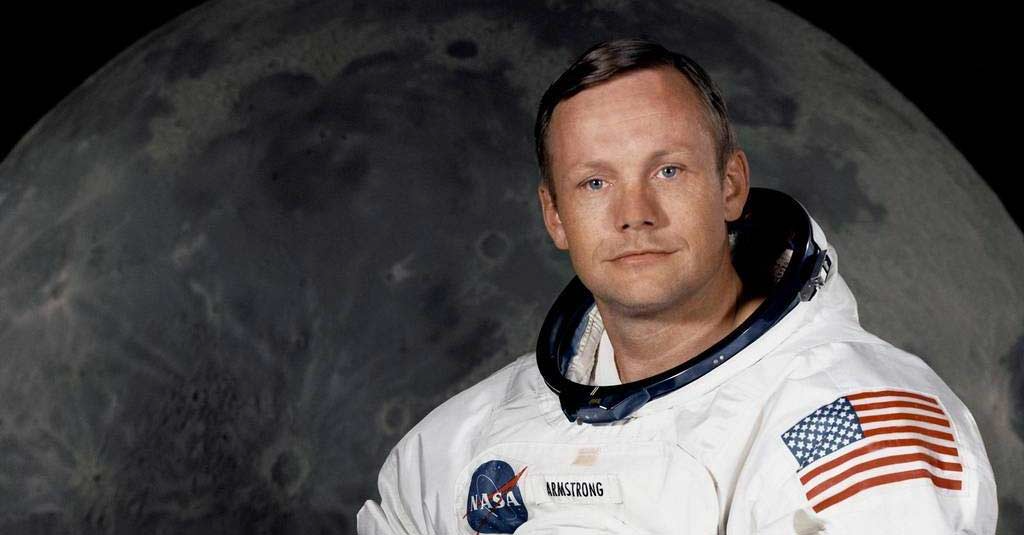
Neil Armstrong.
The success of SpaceX
Over the years, the evolution of SpaceX changed that scenario. The company reached an unprecedented level of activity, consolidating absolute dominance in the aerospace industry, surpassing all the nations of the world combined in launches
.
Leadership is also reflected in carrying capacity. SpaceX currently transports nearly 80% of all the mass placed in orbit in the world, while the rest of the actors, including agencies such as NASA and the European Space Agency, account for the remaining 20%
.
In the field of manned flights, the company also managed to consolidate itself. Its Crew Dragon capsule performs regular missions to the International Space Station, in contrast to the technical problems faced by Boeing's Starliner program
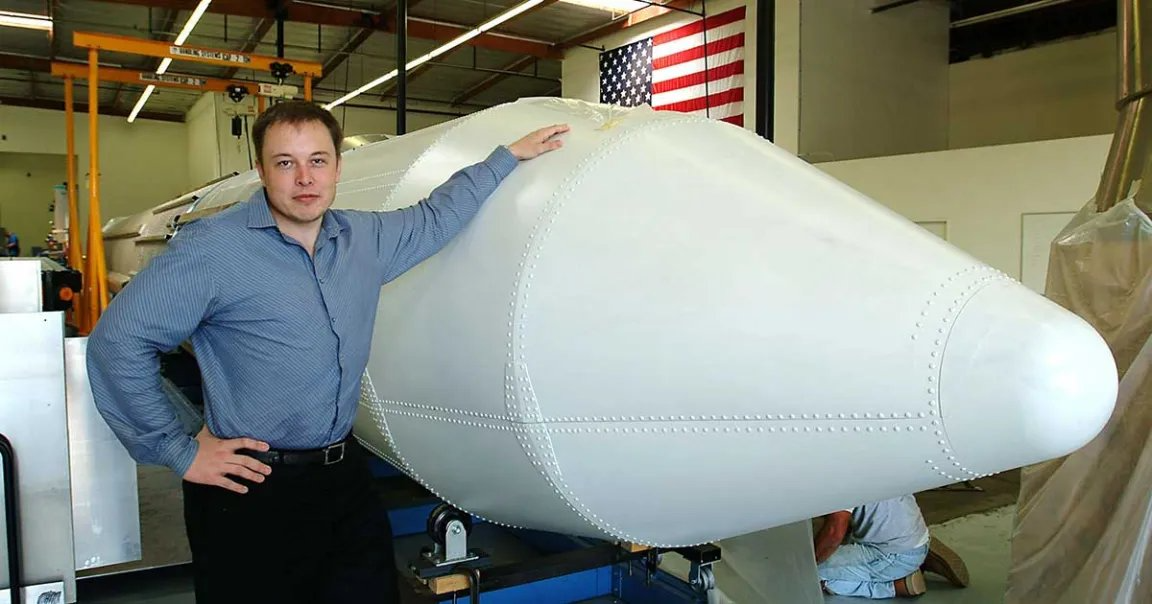
. Elon Musk. Elon Musk
's disappointment For Elon Musk
, the confrontation with his childhood idols took a significant emotional toll.
In several interviews, the businessman confessed that seeing Armstrong testify against the path that SpaceX was charting was “extremely difficult” and something that hurt him deeply.
Despite this distancing, Musk maintained his respect for the legacy of the pioneers. After the death of Armstrong in 2012, he described him as “a hero for all humanity”, assuring that his spirit will continue to guide the path to the stars
.
SpaceX's track record demonstrated that the safety and efficiency standards that Apollo program veterans feared losing were not only maintained, but were raised to levels unprecedented in human history.