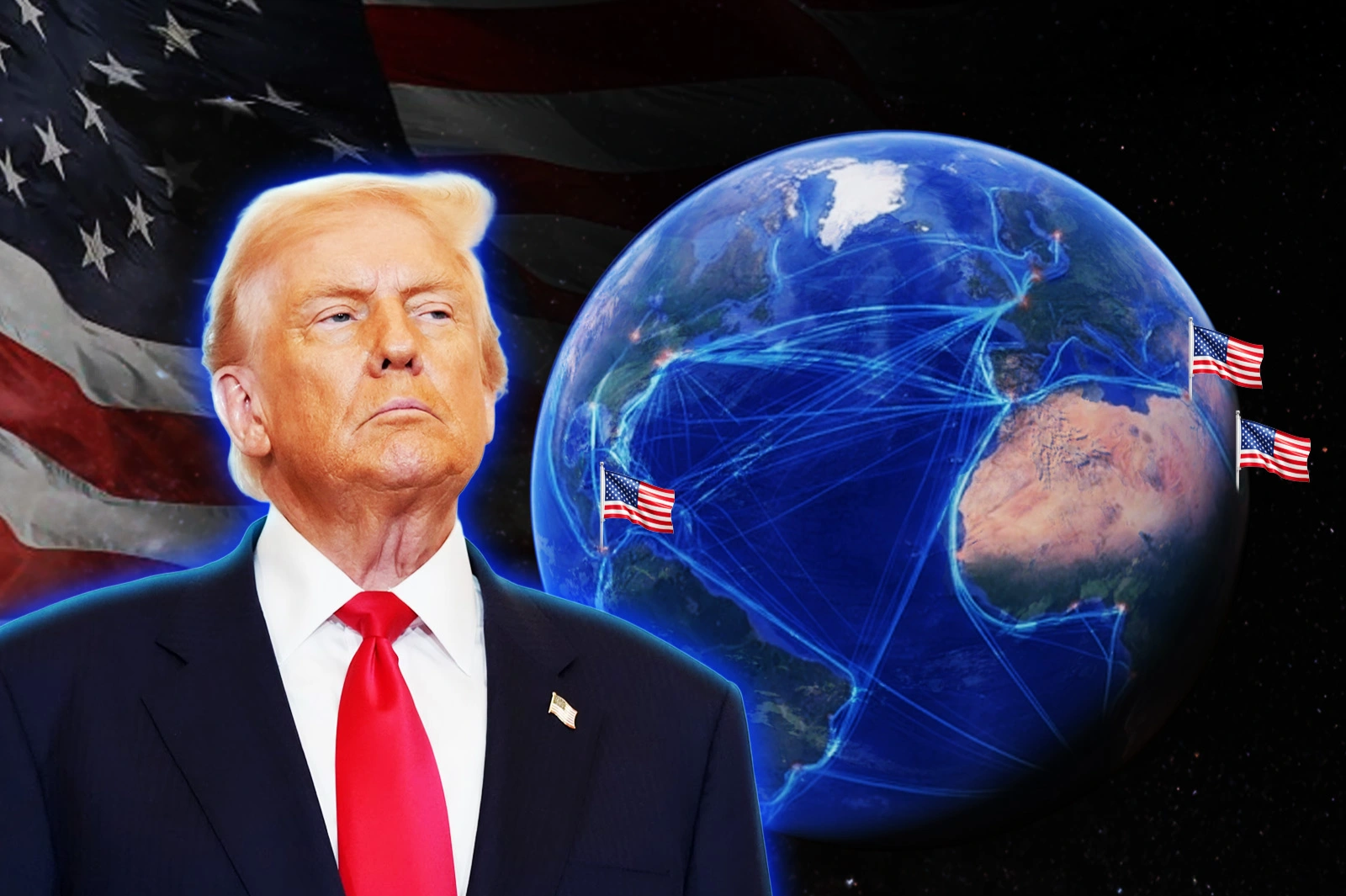
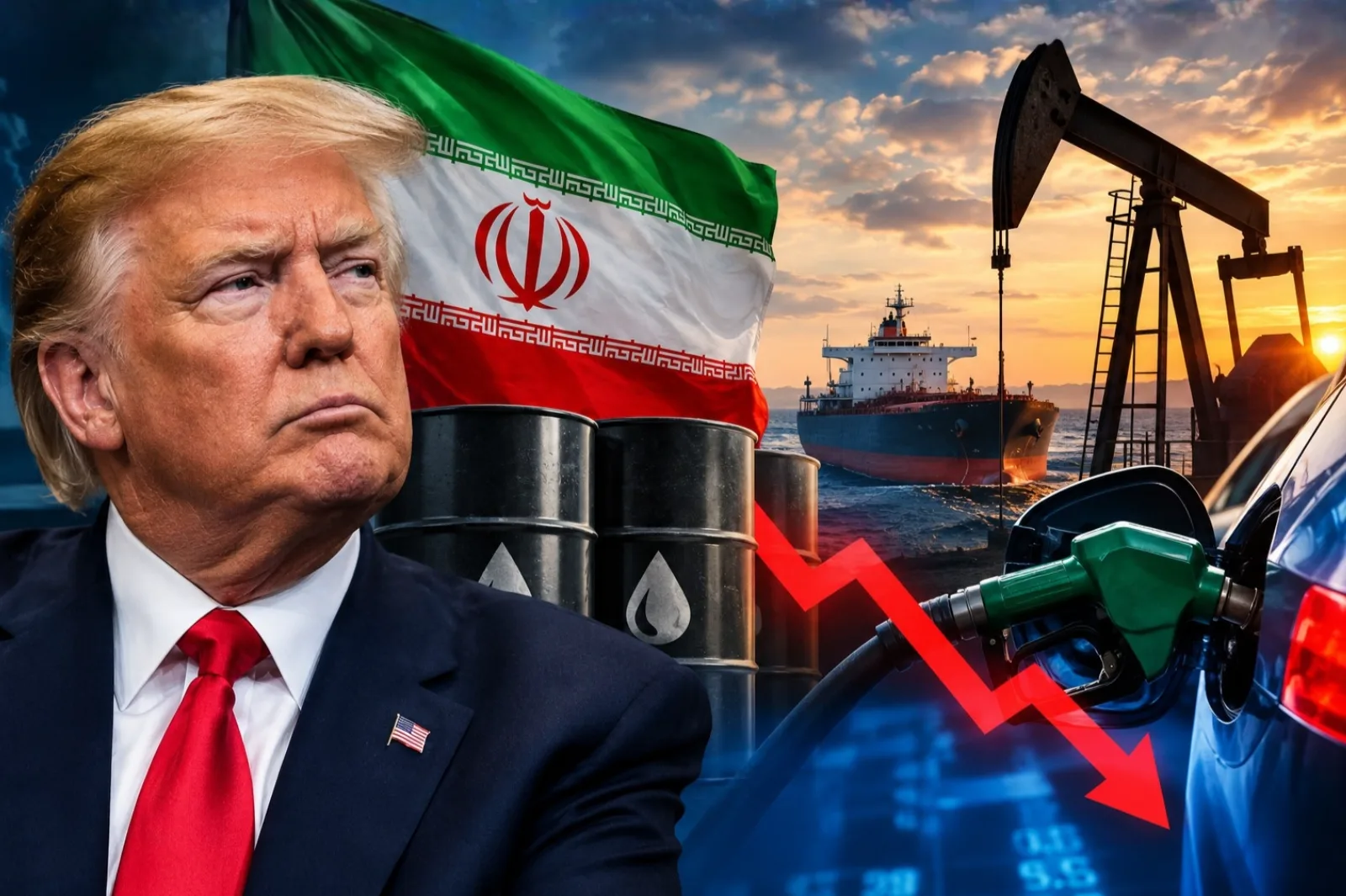
The potential breakthrough of a strategy promoted by the President of the United States, Donald Trump, to ensure operational control of the Strait of Hormuz could redefine the global geopolitical balance, placing Washington in a position of influence over the three main crossing points of
international maritime trade.
Multiple experts argue that, if an effective presence in Hormuz were consolidated, whether through sustained military operations, security agreements or indirect control of maritime traffic, the United States would play a decisive role in this key corridor through which a substantial part of the oil and gas that supplies the world circulates. This movement would add to its historic influence on the Panama Canal and its capacity to project around the Suez Canal, two equally essential routes for global trade
.
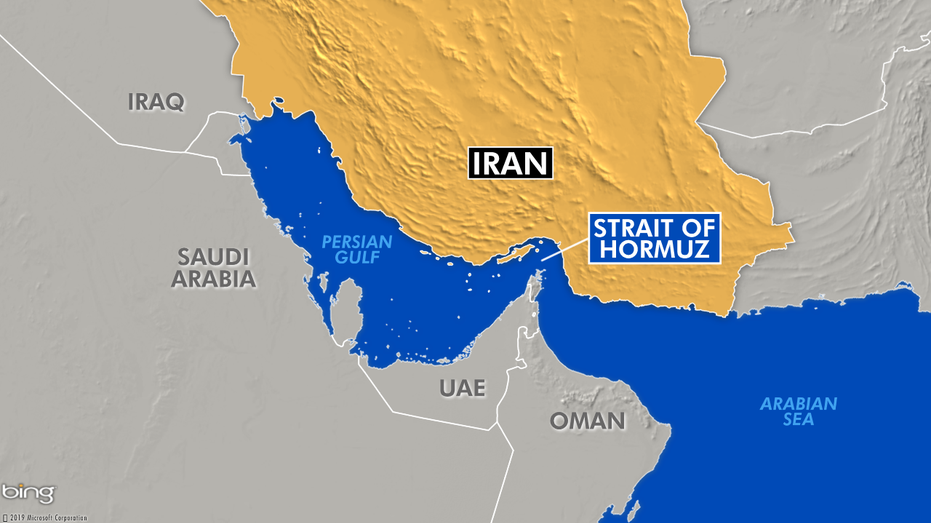
The Strait of Hormuz connects the Persian Gulf with the Indian Ocean and constitutes one of the biggest energy bottlenecks on the planet. The security of this road has been in question on multiple occasions due to tensions with Iran, a country that controls part of its coastline and has threatened on several occasions to restrict passage in response to international pressure. In this context, the presence of U.S. forces seeks to guarantee free navigation and avoid interruptions that could directly impact energy markets
.
According to international security experts, if Washington succeeds in establishing sustained control over Hormuz, an unprecedented scenario would be set up in which a single power would have the capacity to directly or indirectly influence the world's three main maritime corridors.
The United States could take control of the Strait of Hormuz and control the three most important sea crossings in the world
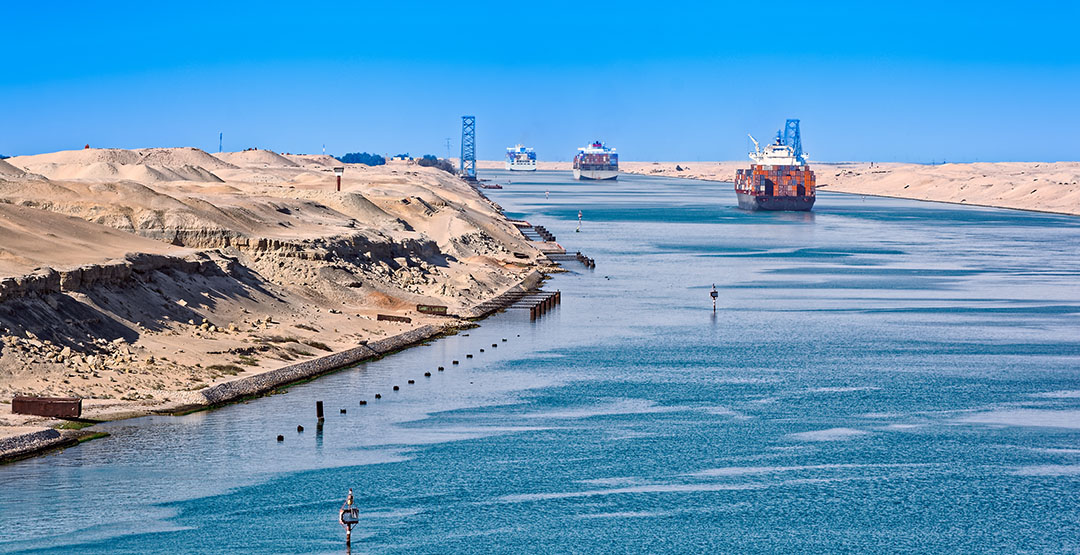
The Panama Canal remains a point where the American historical and strategic footprint is significant, while the Suez Canal, although under Egyptian sovereignty, is within an environment of alliances and military cooperation in which the United States
plays an important role.
This possible strategic alignment is interpreted by sectors favorable to Washington as a factor of global stability. They argue that the U.S. presence on critical routes has historically contributed to keeping international trade open in the face of threats such as piracy, regional conflicts or political blockades. In the case of Ormuz, they argue that greater control would neutralize risks associated with hostile actions or the laying of mines, ensuring the continuity of
energy flow.
In addition, the consolidation of this position could provide the United States with a key management tool in crisis situations. The ability to secure or restore transit at these strategic points would allow it to act as a guarantor of global trade, reducing the likelihood of interruptions that could trigger large scale economic impacts
. Although the Suez Canal is under Egyptian sovereignty, the participation of the United States in it gives it preferential control
Advocates of U.S. strategy argue that Washington's leadership offers advantages in terms of operational capacity, rapid response and predictability. In a global context marked by uncertainty and persistent regional conflicts, the presence of an actor with significant military and logistical resources is seen as a deterrent against
potential interruptions.
This possibility comes at a time of high tension in the Persian Gulf, where recent military movements and warnings have increased the risk of confrontation. In this scenario, the initiative to secure the Strait of Hormuz not only responds to U.S. strategic interests, but also to the need to preserve the stability of one of the main arteries of
world trade.
If realized, this approach would consolidate the United States as the dominant actor in the security of the planet's main maritime crossings, reinforcing its central role in the international economic and strategic architecture. Meanwhile, the evolution of events in Hormuz will be decisive in defining whether this scenario materializes or remains an aspiration in the midst of a highly volatile geopolitical environment
. The Trump administration aims to guarantee the free navigation of the maritime crossing arbitrarily closed by the Iranian regime