The Legal Center for Southern Poverty (SPLC), one of the most recognized entities in the fight against extremism in the United States, is facing strong controversy following a judicial indictment that questions its management of funds and its relationship with alleged informants linked to “hate groups”.
The indictment, filed by the Department of Justice, alleges that the organization channeled millions of dollars to individuals associated with extremist organizations, which has generated an intense debate about transparency and accountability in the non-profit sector.
According to court documents, the SPLC would have transferred more than 3 million dollars between 2014 and 2023 to people associated with groups such as the Ku Klux Klan, Aryan Nations and other radical organizations. These transfers would have been justified internally as part of intelligence operations, through the use of undercover informants. However, prosecutors argue that the money was not only used to obtain information, but also to finance extremist activities, content and events, which contradicts the organization's stated mission
.
One of the central elements of the case is testimony about an informant identified as “F-37", who would have received approximately $270,000 from the SPLC over several years. According to the prosecution, part of these funds would have been used to support initiatives linked to extremism, raising serious questions about the organization's internal controls and the limits of its
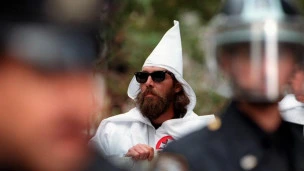
covert operations. Multiple individuals associated with the Ku Klux Klan received significant sums of money from the SPLC
The controversy intensifies when considering the profile of the SPLC's donors, which includes important figures from the business and philanthropic world. Among them is George Soros, whose “Open Society” foundation has contributed financially to the organization, as well as companies such as JPMorgan and personalities such as Tim Cook and
George Clooney.
Clooney donated one million dollars through his foundation, while JPMorgan provided 500,000 dollars for initiatives related to the response to that episode. Tim Cook also announced a significant contribution. However, the accusation suggests that some of these funds could have been redirected to individuals involved in the same movements that the donors supposedly sought to combat, which has generated concern among analysts
and observers.
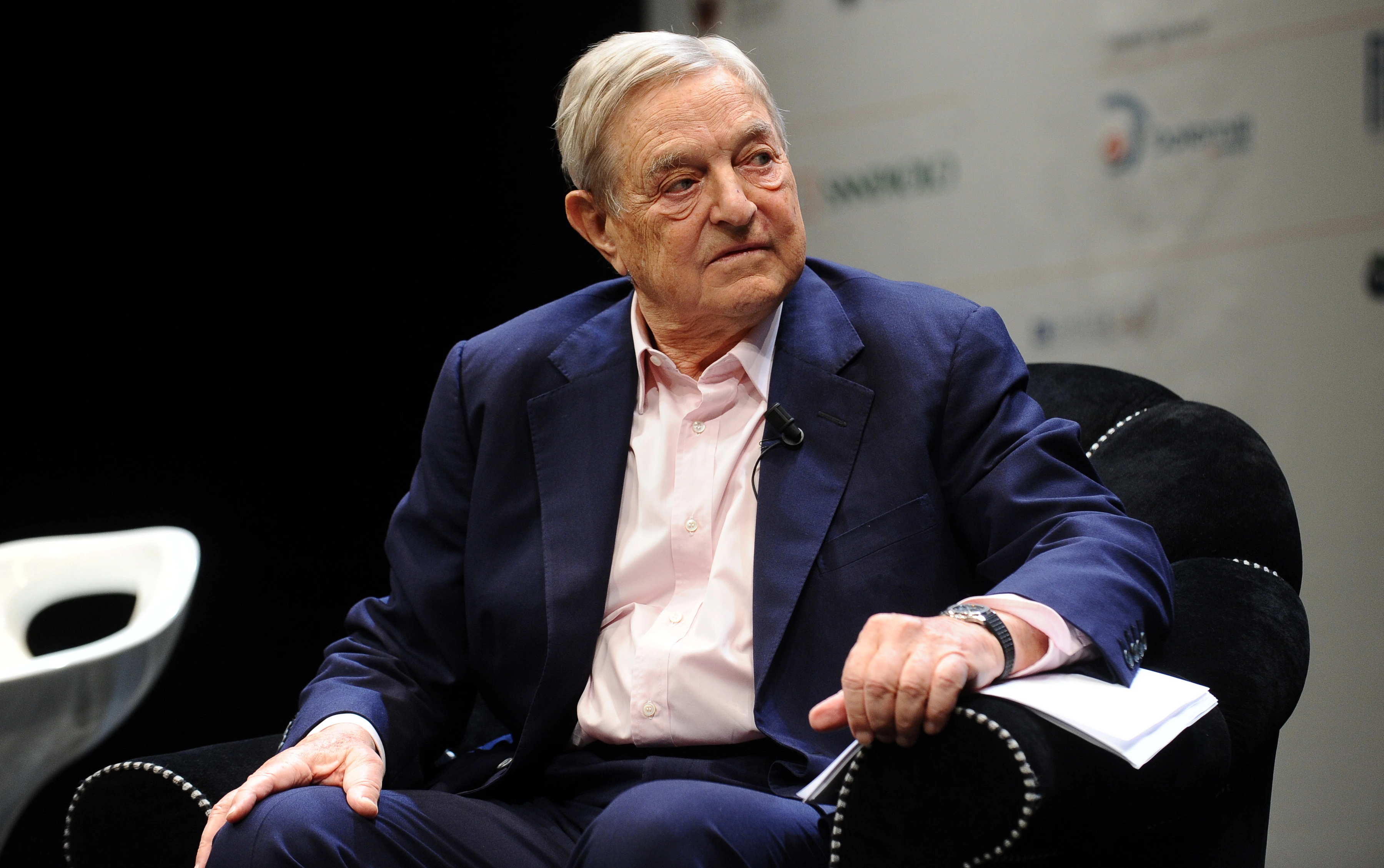
The Soros case has been especially pointed out by critics, who question the role of large funders in overseeing the use of their contributions. Although his foundation donated $75,000 in 2016 as “anti-hate initiatives”, the lack of control mechanisms has been interpreted by many sectors as an example of how these significant sums of money can be channeled to organizations without adequate oversight. This situation has revived the debate about the responsibility of large donors in monitoring the final destination of their contributions
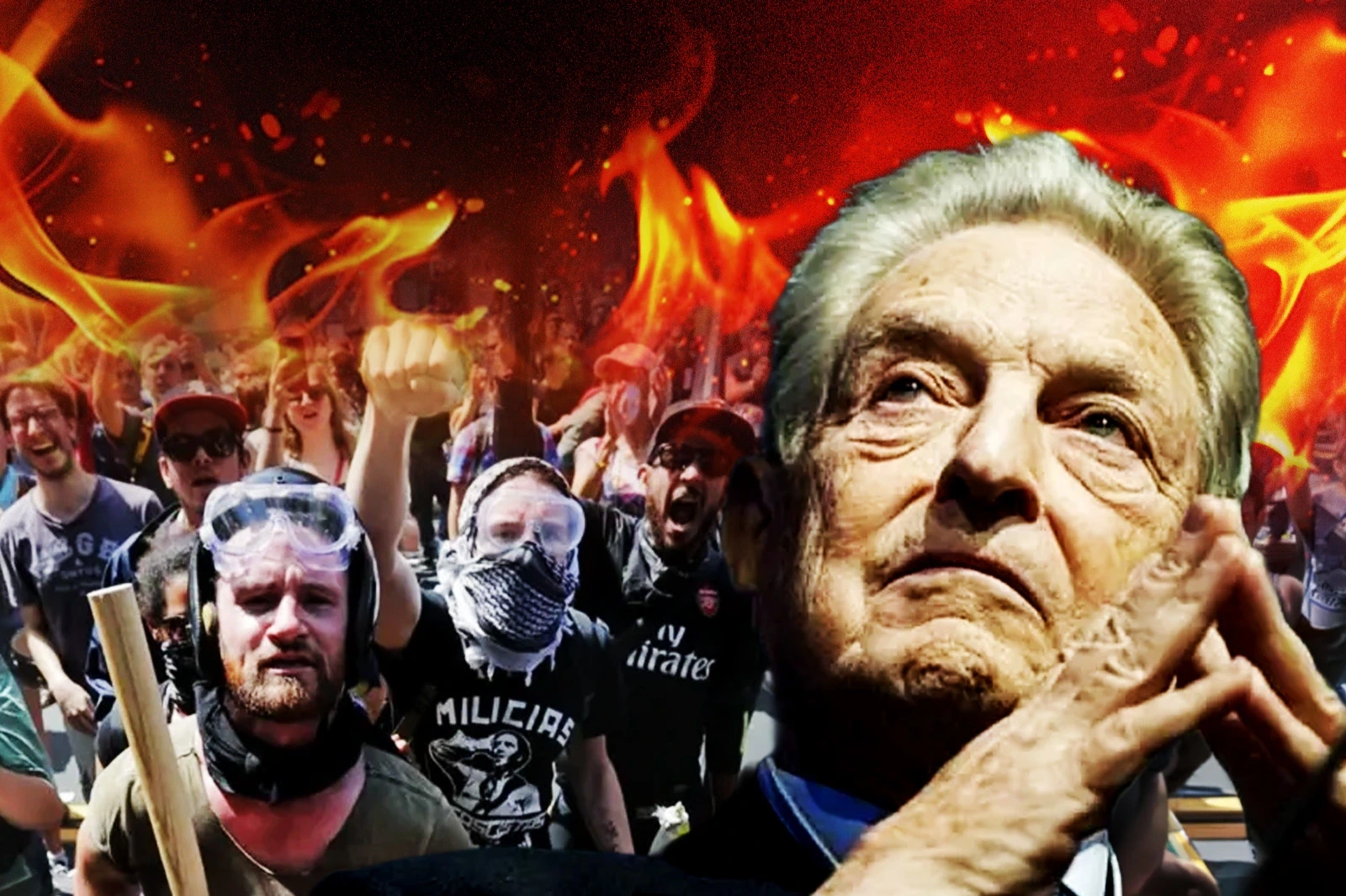
. Soros's organization “Open Society” has donated huge sums of money to the SPLC, which then funded groups such as Aryan Nations
In addition, the SPLC has assets that exceed 786 million dollars, which has generated criticism of its financial strategy. Despite these resources, the organization continued to request donations, raising more than $100 million in 2024 through campaigns that appealed to the urgency and the immediate need for funds. This contradiction has been questioned by supervisory entities such as “Charity Watch”, which has given the SPLC a low rating due to the accumulation of assets well above
its operating expenses.
The SPLC has rejected the accusations and assures that they will defend their actions in court, arguing that the use of informants has been a legitimate tool in the fight against extremism. However, prosecutors argue that a lack of transparency with authorities and donors could constitute a case of fraud
.
The development of this judicial process could have significant implications both for the reputation of the SPLC and for the entire non-profit sector in the United States, especially with regard to fund management and public trust.
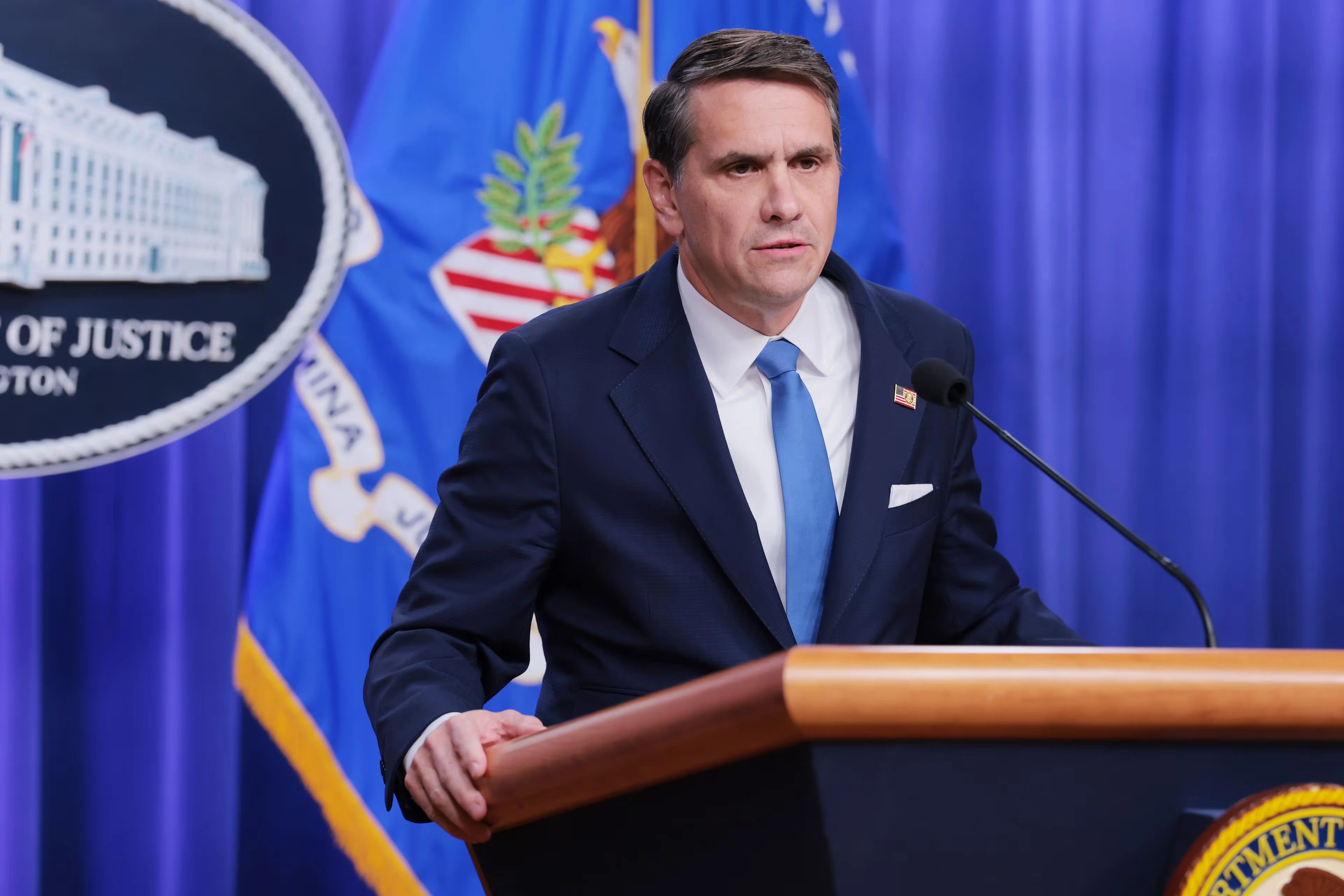
The United States Department of Justice, under the command of Todd Blanche, filed the indictment against the organization