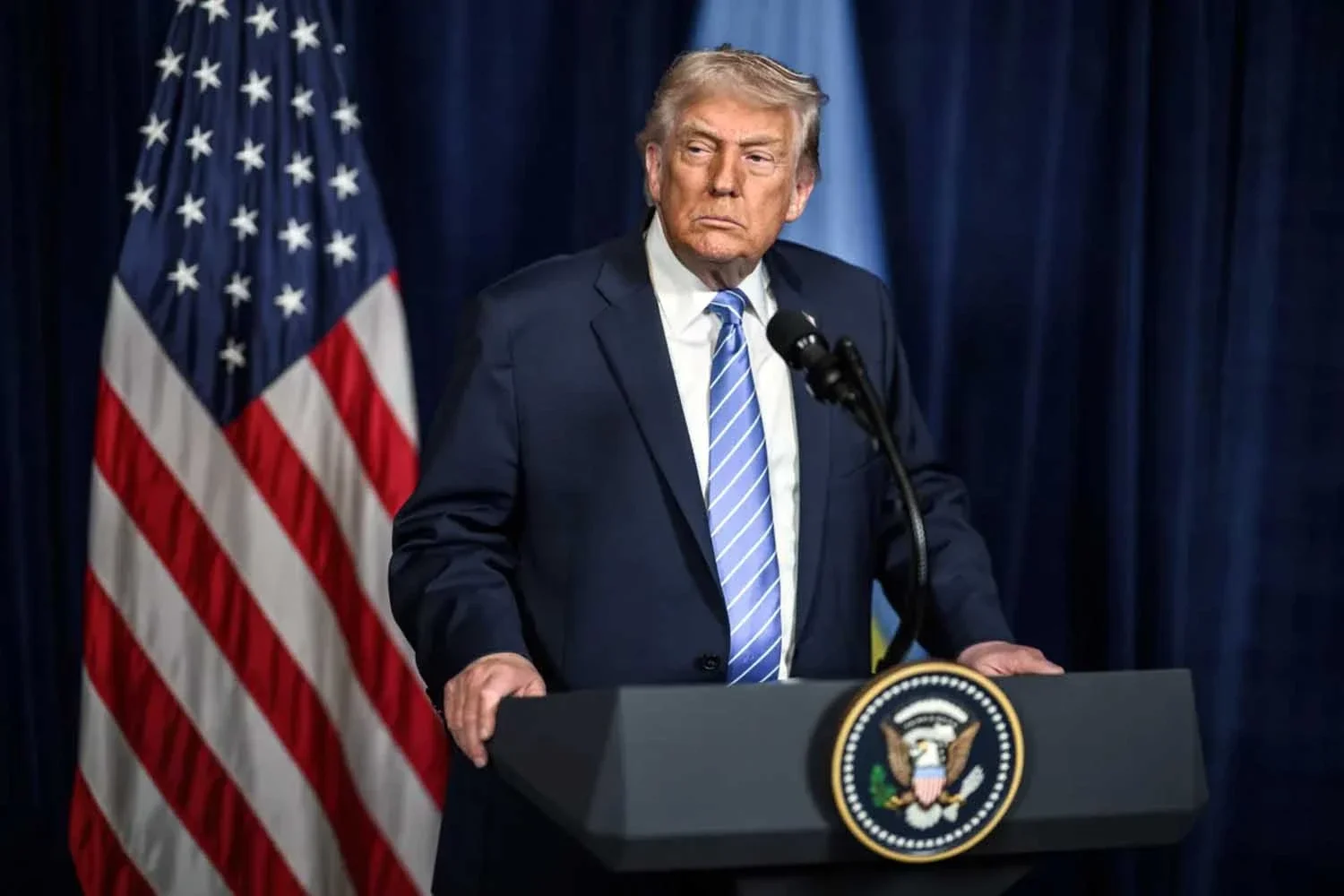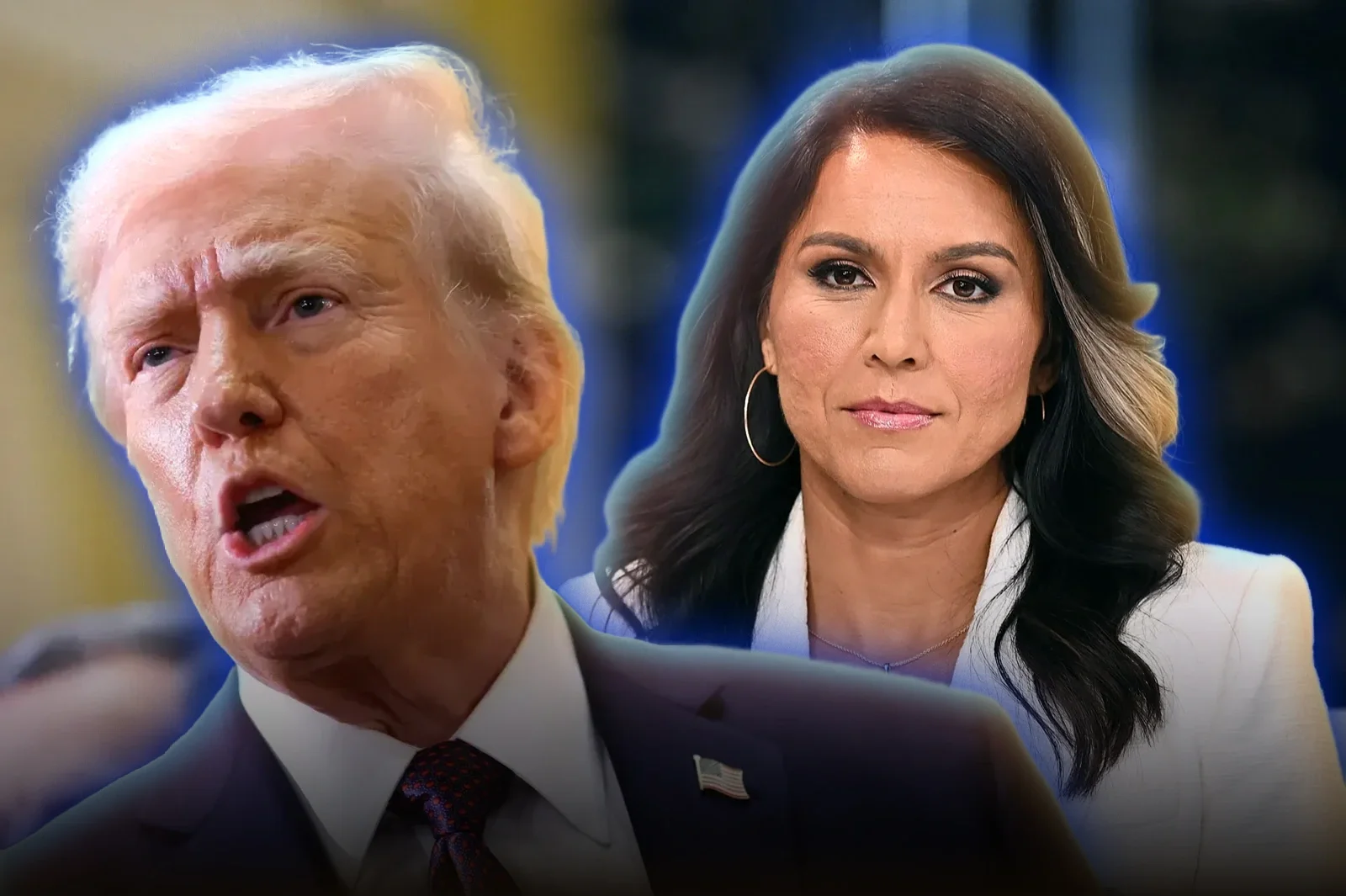

The declassification of new documents related to the complaint that triggered the first impeachment trial against Donald Trump has reignited the debate over the impartiality of the process that led to the 2019 impeachment and has strengthened the arguments of those who claim that the investigation was influenced by officials hostile to the Republican president.
The memoranda, prepared by investigators from the U.S. intelligence community, contain interviews with whistleblowers and witnesses involved in the controversy stemming from the phone call Trump had with Ukrainian President Volodymyr Zelensky on July 25, 2019. Although much of the facts were already known, the documents offer a more detailed view of the internal discussions that preceded the formal complaint filed against the Republican president.
One of the most striking aspects is that several of the officials involved acknowledged that there was a highly politicized atmosphere within the government agencies and the national security apparatus when information about the conversation between Trump and Zelensky began to circulate.
The documents show that the main whistleblower gathered information from multiple sources before filing their accusation. In fact, the declassified material itself indicates that much of their claims did not arise from direct knowledge of the call, but from conversations held with other officials who had heard comments or participated in meetings related to the issue.
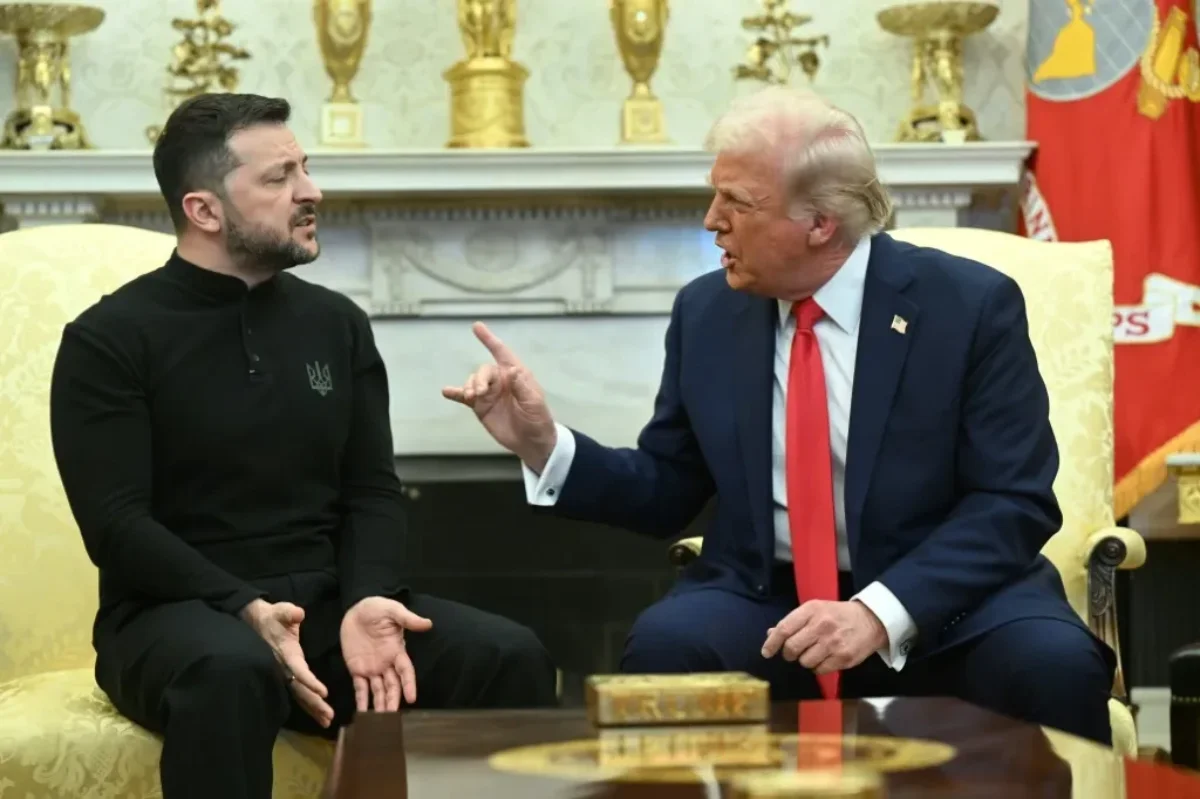
For Trump's defenders, this point is particularly relevant because it questions the initial image of a whistleblower who would have had direct access to privileged information. Instead, the memoranda suggest that the case was built from a chain of testimonies, interpretations, and internal conversations that were later integrated into a formal complaint.
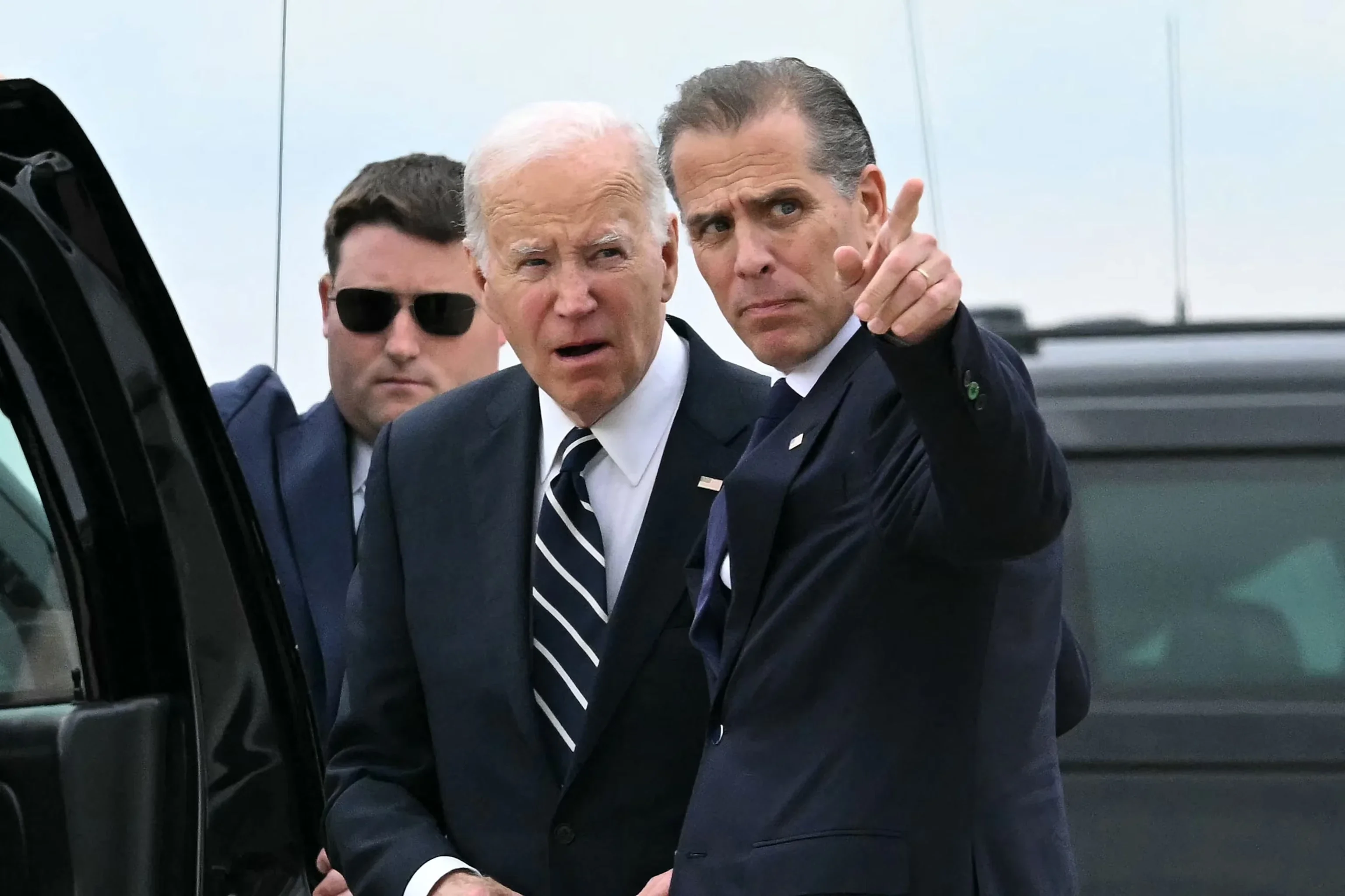
The documents also reveal that several officials already believed that the call would have significant political consequences even before public investigations began. One of the testimonies describes the atmosphere within the White House as deeply influenced by disputes over Ukraine, Joe Biden, and other issues, contributing to a charged atmosphere of political tensions.
Another noteworthy element is that some officials acknowledged the existence of internal disagreements regarding how the information was being handled. While certain employees expressed concern about the content of the conversation, others seemed more worried about the potential political repercussions it could generate.