The European Union took a new step in its strategy to reduce economic dependence on China by announcing the preparation of legislation that would require companies in the bloc to diversify their sources of supply for strategic products, in response to growing concerns about trade imbalances and the risks associated with the concentration of supply chains in the Asian giant.
The decision was supported by the leaders of the 27 member countries during a summit held in Brussels, where they also agreed to intensify dialogue with the EU's main trading partners regarding global macroeconomic imbalances and assess the need for new trade measures to protect European interests.
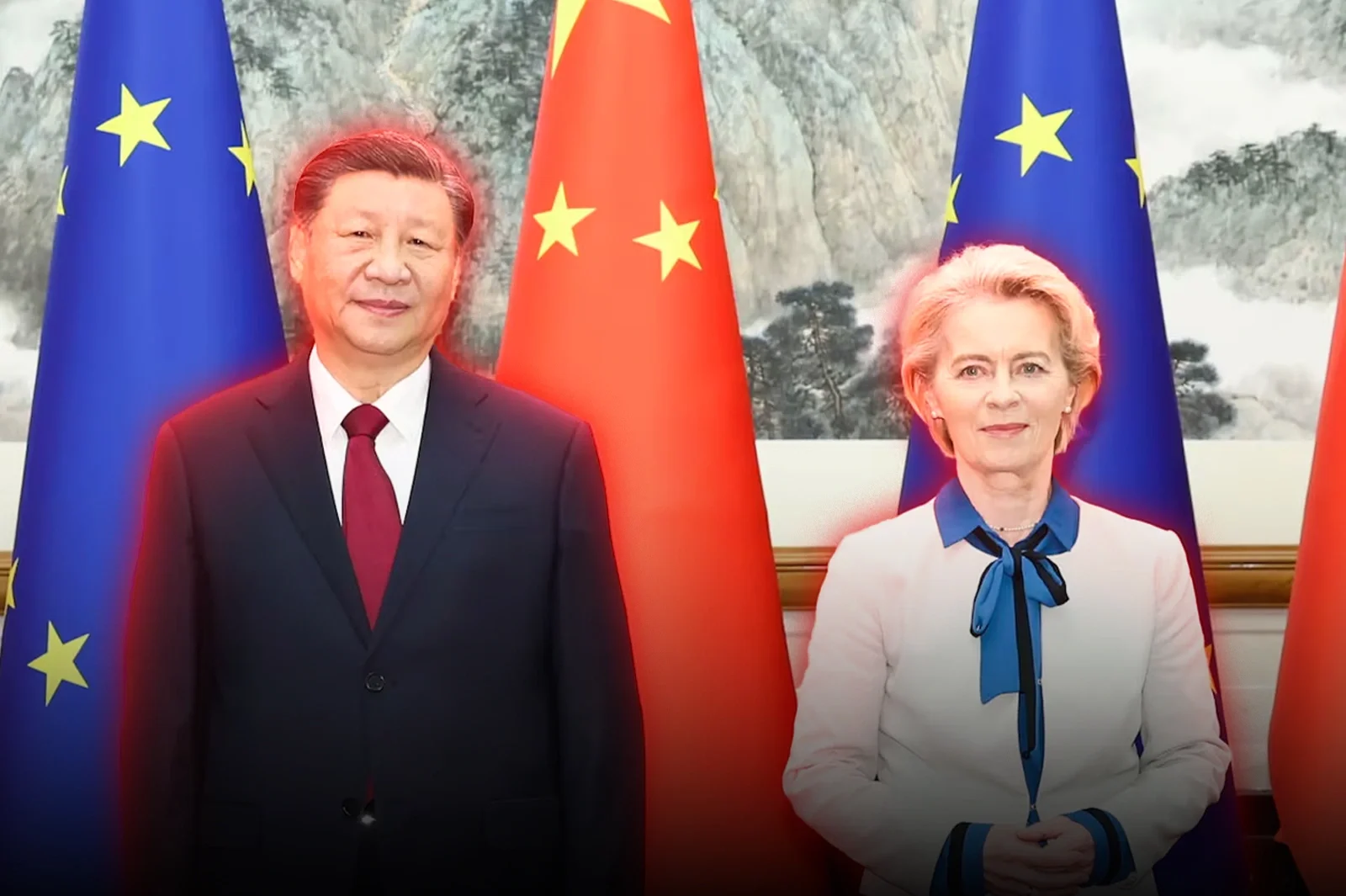
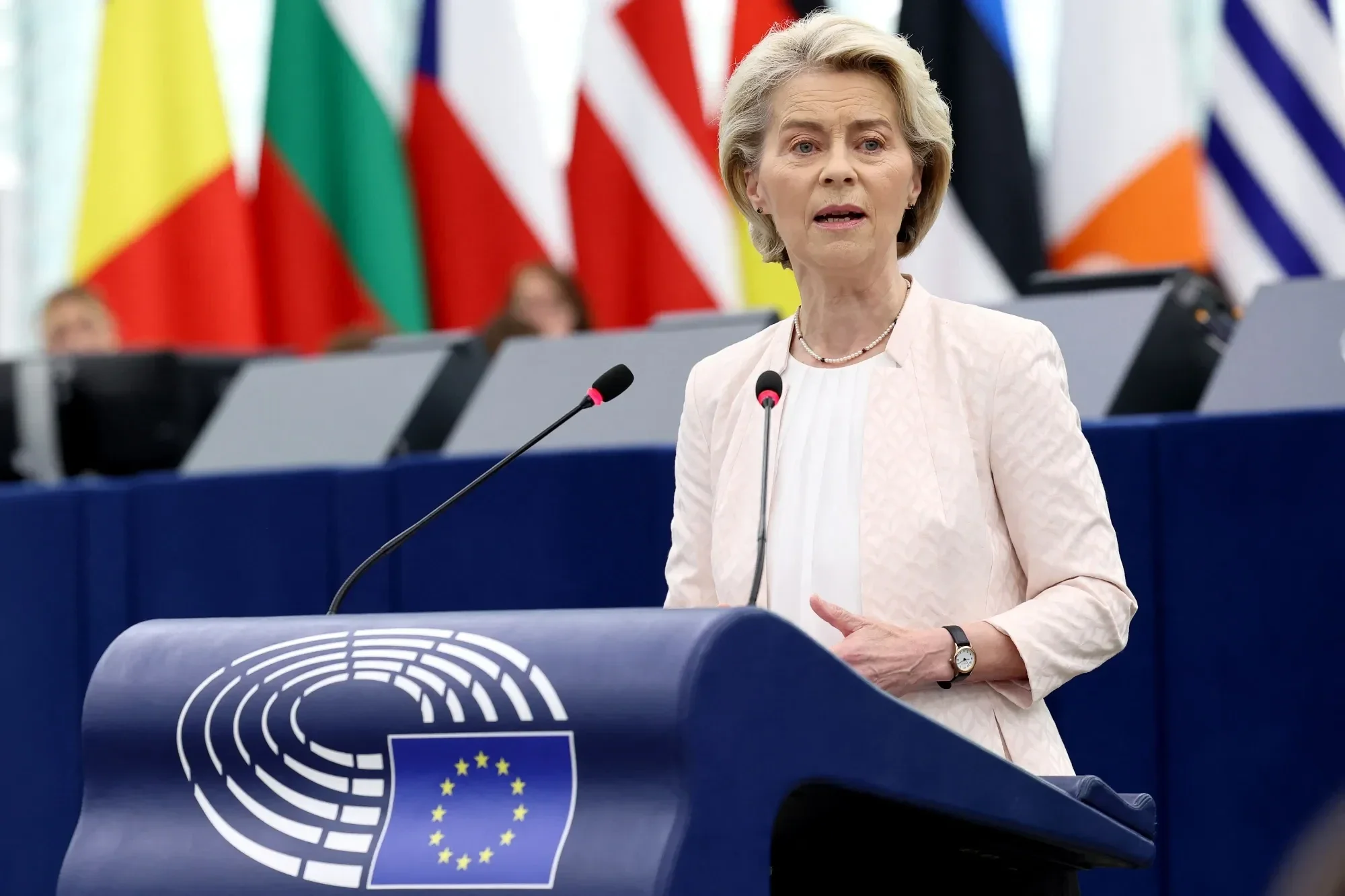
Although the official conclusions of the meeting avoided directly mentioning China, the Asian country was the main focus of discussions. The President of the European Commission, Ursula von der Leyen, explained that Brussels will soon present a legislative proposal aimed at encouraging greater diversification of suppliers in sectors deemed essential for the economic security of the bloc.
According to the official, European companies have made progress too slowly in efforts to reduce risks associated with dependence on China. Von der Leyen pointed out that the situation became evident last year when Beijing took advantage of its dominant position in the processing of critical minerals to impose restrictions on rare earth exports, resources essential for technology industries, renewable energies, defense, and electric vehicle manufacturing.
The President of the European Commission announced the introduction of a bill aimed at reducing dependence on China in essential sectors
The President of the European Commission indicated that the ideal scenario would be for companies to voluntarily accelerate the diversification of their supply chains, which could even make new regulation unnecessary. However, she warned that current data reflects an urgent need to correct existing imbalances and redefine the economic relationship with China.
European concerns have intensified due to the growing trade deficit with the world's second-largest economy. Community diplomats noted that there is an increasing consensus among member states regarding the seriousness of the problem, which currently represents nearly 1 billion euros daily in favor of China.
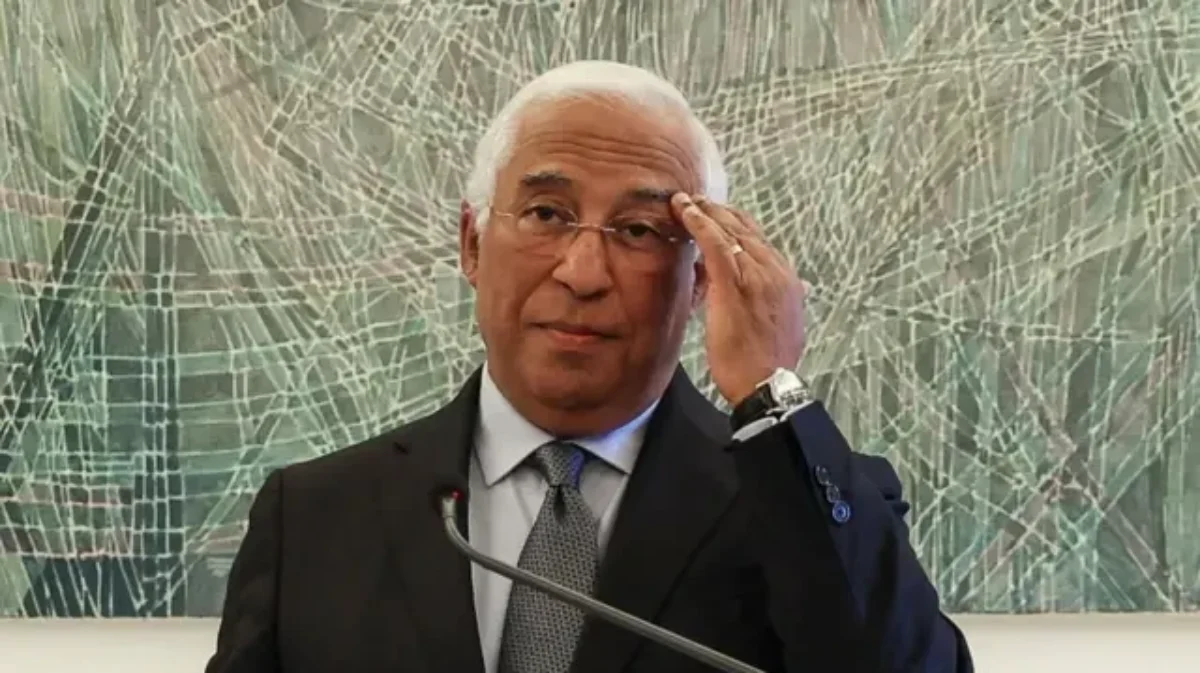
The President of the European Council, Antonio Costa, stated that a trade gap of that magnitude is ''simply unsustainable'' and lamented that repeated European demands have not produced concrete advances from Beijing. Costa defended the need to maintain dialogue with China but emphasized that the EU cannot continue to ignore an imbalance that it considers detrimental to the competitiveness of European companies.
The President of the European Council warned about the consequences of the trade deficit gap that exists with the Asian giant
The international context has also contributed to reinforcing the bloc's concerns. The reduction of access to the U.S. market due to transatlantic trade tensions has increased pressure on European economies, which seek to strengthen their resilience against potential disruptions in global trade.
For its part, China responded to recent Western initiatives by questioning the coordinated efforts of the G7 to reduce dependence on strategic minerals. Beijing argued that industrialized countries should respect the principles of a market economy and international trade rules, rather than promoting closed alliances or exclusionary economic blocs.
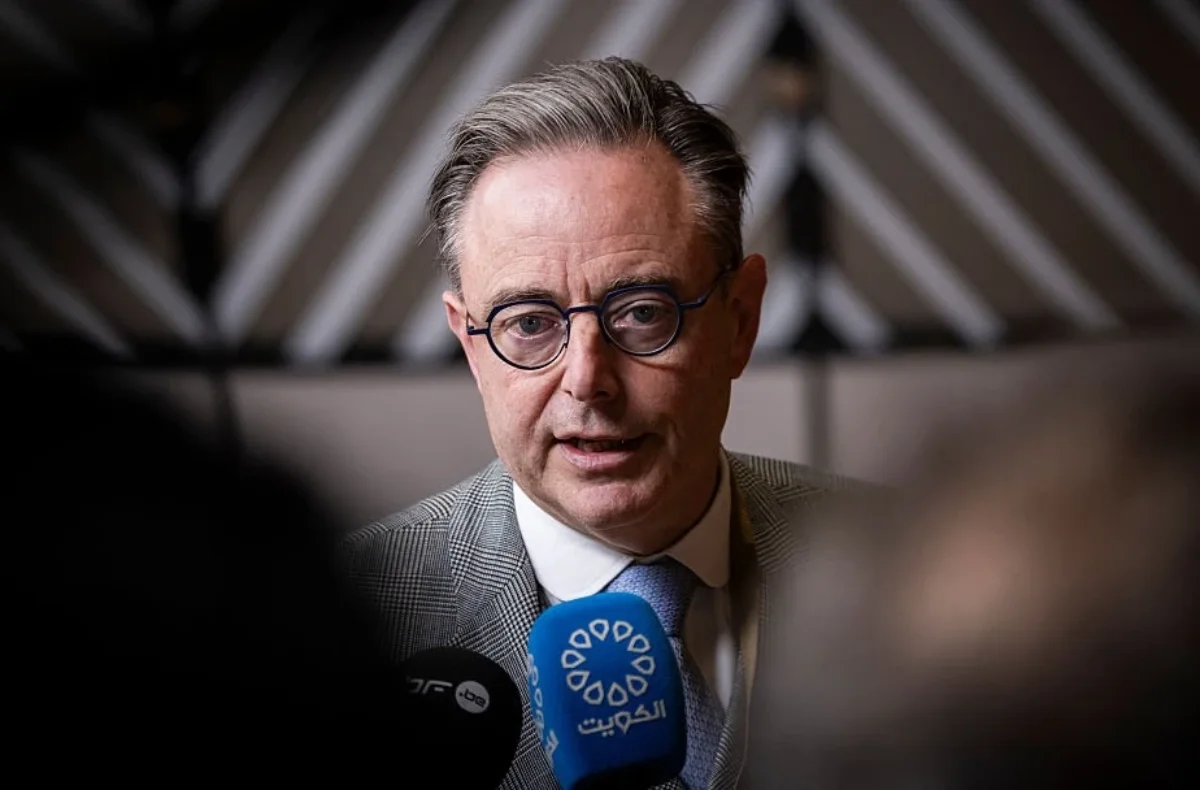
During the summit, European leaders also agreed to coordinate common responses to potential trade reprisals from third countries. The Prime Minister of Belgium, Bart De Wever, warned that some member states are more vulnerable than others to economic pressure measures, so the unity of the bloc will be crucial to face potential future challenges.
The Prime Minister of Belgium assured that some European countries are more susceptible than others to the economic pressure from Beijing