The President of the United States, Donald Trump, stated this Friday that the U.S. Armed Forces are "ready and loaded" to carry out the "massive attack" he has threatened to launch against Iran, although he made it clear that he is not in a hurry to order a new offensive while diplomatic talks continue. The president's stance combines strong military pressure with the possibility of reaching an agreement that would end the escalation of the conflict.
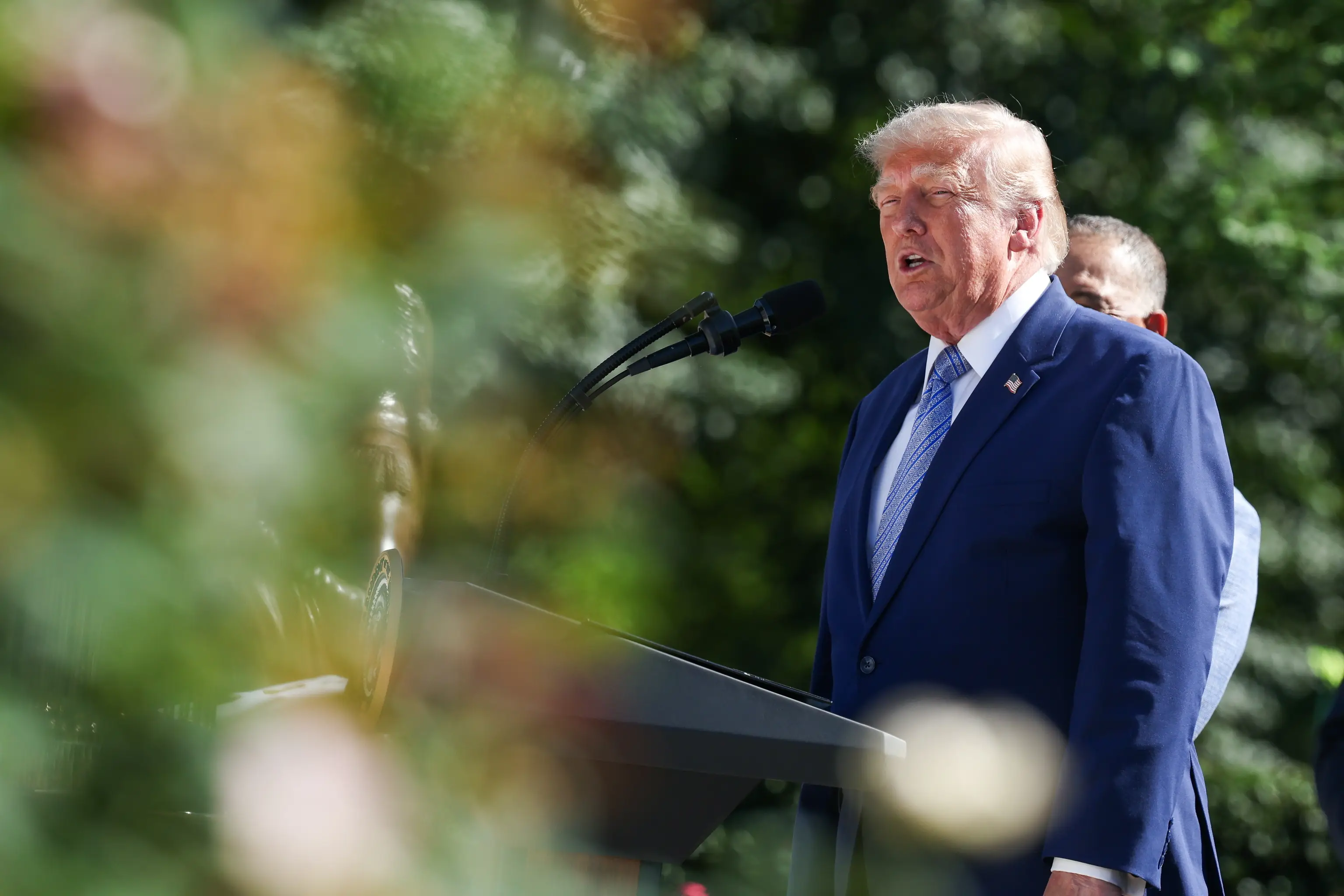
''We are ready and loaded. We are prepared to act. But we are talking to them,'' Trump declared to reporters in the Oval Office. The president explained that it is still unclear whether the negotiations will lead to progress, but he insisted that Tehran faces a crucial decision: accept an agreement or face the consequences of continuing its actions.
''Maybe they'll say 'uncle' and give in, or just surrender, or maybe they'll crawl into a cave and hide,'' Trump said, referring to the underground facilities that Iran uses to protect part of its military and nuclear infrastructure.
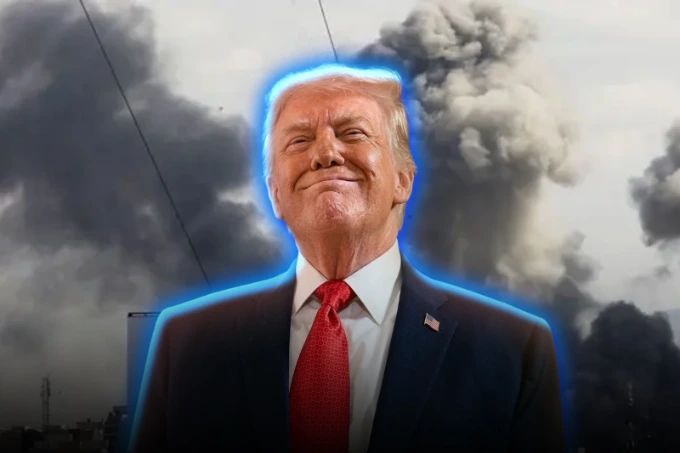
Donald Trump stated that the U.S. armed forces are ready to carry out new attacks against the Iranian terrorist regime
The president's strategy reflects a policy of maximum pressure that keeps the door open to diplomacy, but without relinquishing U.S. military capability. Trump noted that he perceives a greater seriousness from Iranian officials to reach a new understanding with Washington, a sign that could indicate that the pressure exerted by the United States is beginning to yield results.
''I think they are getting more serious as the days go by, perhaps for the obvious reason, but we are talking to them right now,'' the president maintained.
Trump also dismissed the idea that the midterm elections are influencing his decisions. ''I am not in a hurry,'' he assured, conveying the notion that his administration is willing to wait for the right moment before making a larger military decision.
The president's statement comes amid growing economic and financial tension. The rise in U.S. bond yields has led to an increase in mortgage rates and heightened expectations of possible interest rate hikes by the Federal Reserve. The uncertainty generated by the conflict with Iran adds to existing concerns about the U.S. economy.
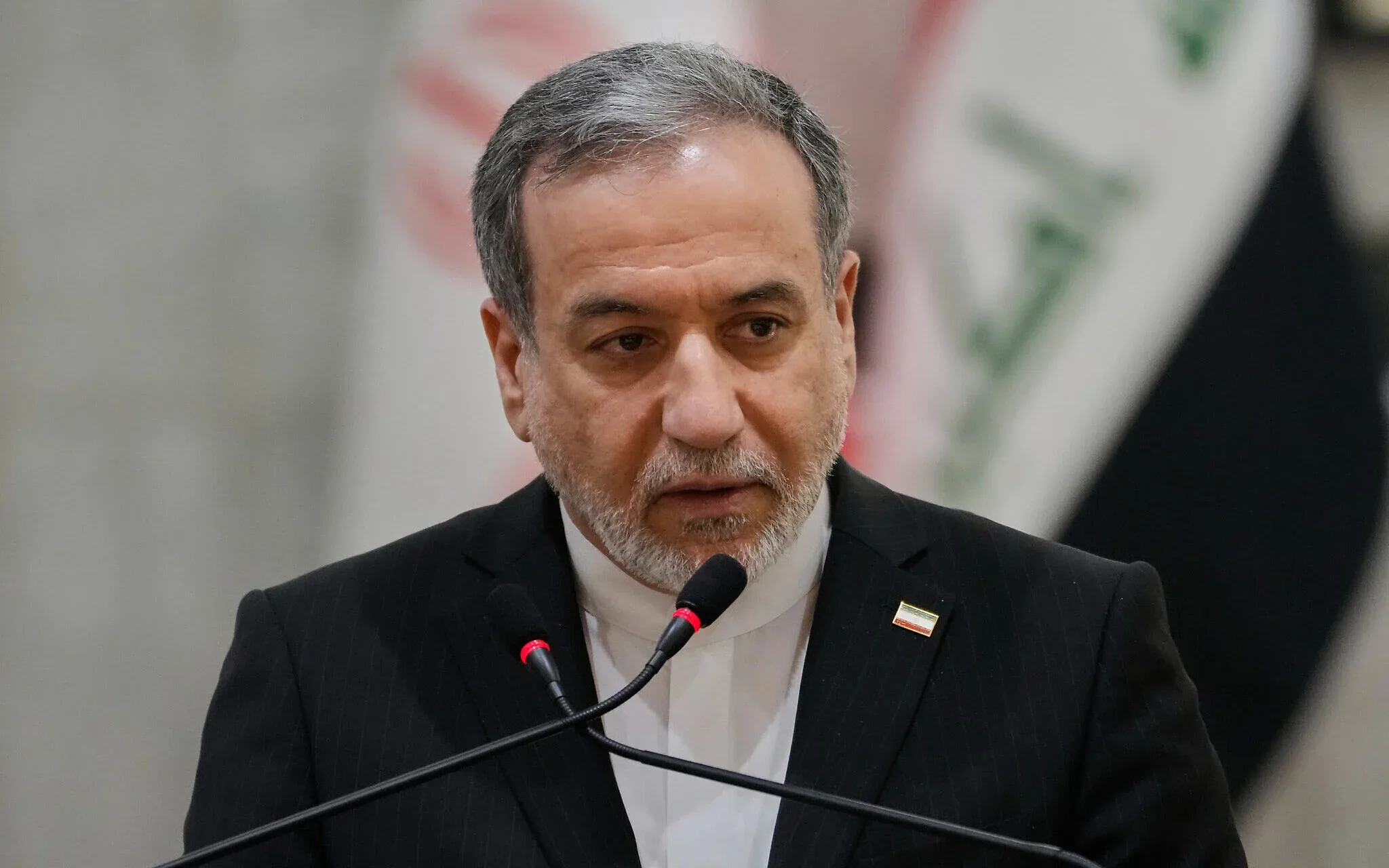
The Iranian chancellor ruled out the use of the dictatorship's assets to compensate for damages to commercial vessels
Relations between Washington and Tehran further deteriorated during the week following an exchange of harsh public warnings. Trump had threatened a larger response and warned that any new harm to commercial vessels caused by Iran could be offset by assets of the Islamic dictatorship that remain frozen in the United States.
The Iranian Foreign Minister, Abbas Araghchi, rejected the possibility of using those resources and accused Washington of setting a dangerous precedent. However, Tehran's warnings do not seem to have changed Donald Trump's stance, who maintains pressure on the Iranian regime while continuing to evaluate diplomatic and military options.
Tension increased after four U.S. soldiers were killed during the conflict. Trump received the coffins of the soldiers at Dover Air Force Base on Wednesday, an episode that highlighted the human cost of the confrontation and reinforced Washington's determination to respond to threats against its forces.
Araghchi stated that Iran's defensive doctrine is based on responding to attacks with a "tit for tat" policy. U.S. Secretary of State, Marco Rubio, responded with a phrase that reflected the Trump administration's firmer stance: ''The president's policy is eye for an eye.''
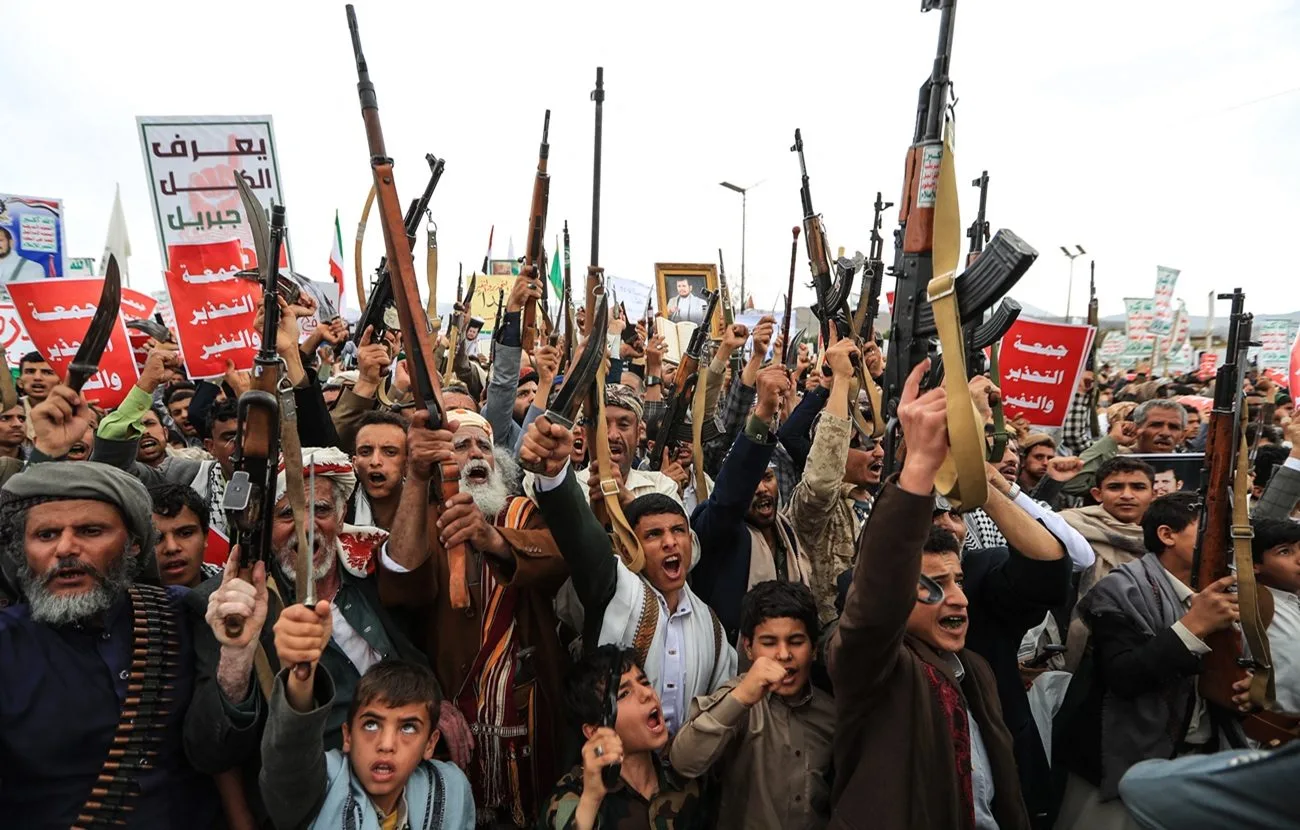
The Houthi terrorists, backed by the Islamic dictatorship, launched attacks against Saudi oil tankers, damaging some of them
The escalation also extended to the Red Sea, where Iranian-backed Houthis attacked two Saudi oil tankers, causing fires on the vessels. The incident broadened the regional scope of the crisis and reinforced Washington's concerns about Tehran and its allies' ability to threaten international trade routes.
In this scenario, Donald Trump maintains a strategy that combines deterrence and negotiation. His message is that the United States has the military capability to act, but that a diplomatic solution is still possible if Iran decides to abandon the confrontation. The decision not to rush into an attack, while keeping U.S. forces prepared, allows the president to retain the initiative and increase pressure on Tehran without closing the door to an agreement.
For Trump, the priority is to achieve a favorable outcome for the United States from a position of strength. As talks continue, the president makes it clear that Iran faces a choice: move towards an agreement or face a large-scale U.S. response.