The annual quota of 100,000 tons of beef also remained intact, while both governments continue to advance in the final negotiation. The measure strengthens the access conditions of national production to the U.S. market and enhances its competitiveness against other South American exporters.
The government emphasized that each tariff difference can be decisive in determining which products manage to enter the United States and which lose market share against their competitors. In this context, Argentina is positioned under the best commercial conditions in the region.
The United States fully ratified the trade agreement signed with Argentina in February and placed the country in the lowest tariff bracket in South America, consolidating a significant advantage over its main regional competitors.
The information was released by presidential spokesperson Adrián Ravier, who highlighted that the final action of Section 301 published by the U.S. government respected all the points established in the Agreement on Reciprocal Trade and Investment, without introducing any exceptions.
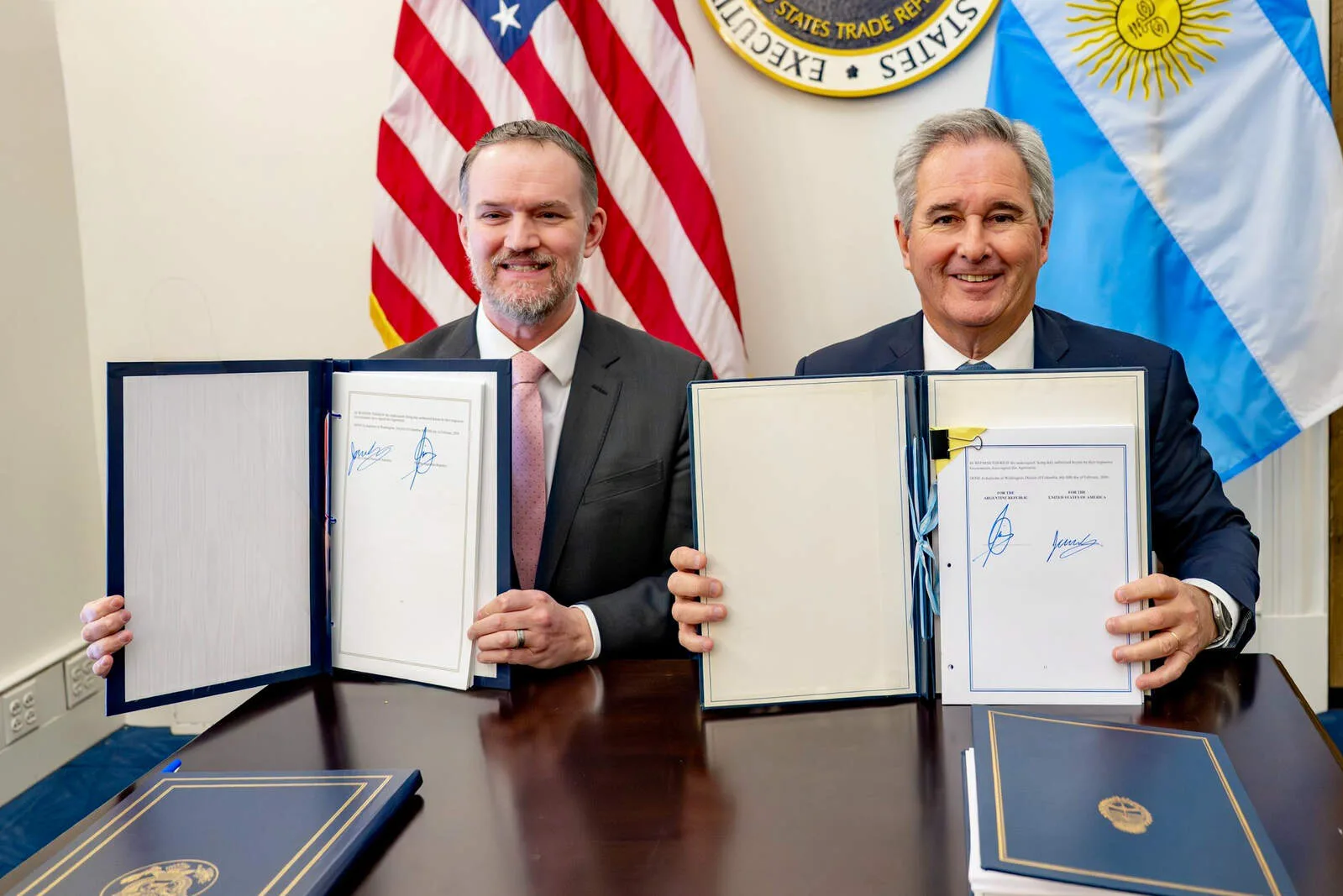
Pablo Quirno signed the agreement alongside Jamieson Greer in February
The new tariff policy affects 60 trading partners and covers 99.4% of imports made by the United States. Within that framework, Argentina is subject to tariffs of up to 10%, while Chile, Colombia, Peru, and Uruguay will face rates of 12.5%.
Brazil under Lula is subject to tariffs of up to 37.5%, representing a difference of 27.5 percentage points compared to Argentina. Unlike the government of Javier Milei, the Brazilian administration did not sign a commercial reciprocity agreement with Washington.
The U.S. decision also preserved the exemption granted in February to 1,675 Argentine products. None of those positions will be affected by the new tariff. Additionally, 93 positions with zero tariffs were exclusively added for Argentina.
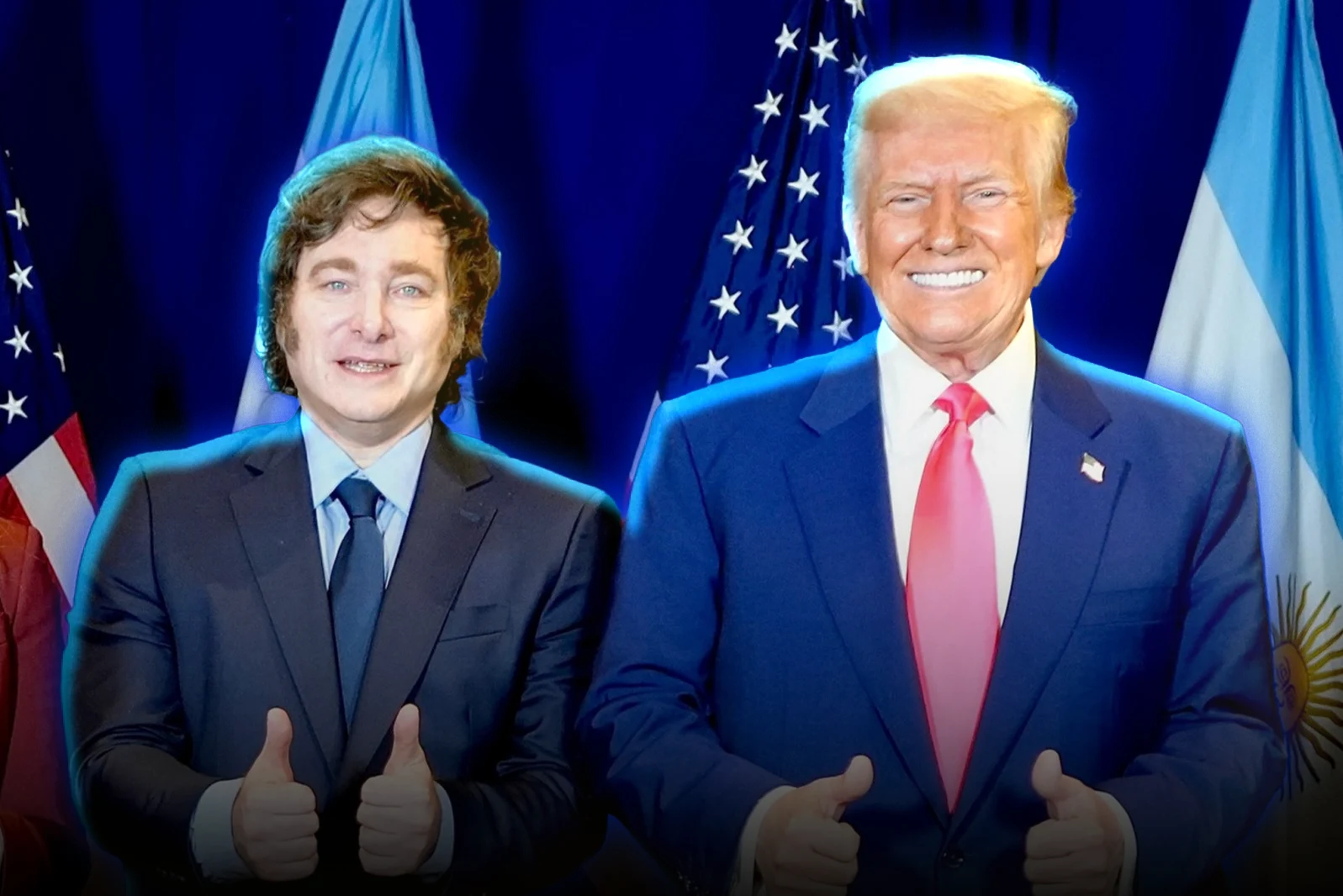
The outcome represents another advance of the strategic alliance promoted by presidents Javier Milei and Donald Trump, based on a closer bilateral relationship and an agenda of economic, political, and commercial cooperation.
The negotiation was coordinated by the Foreign Ministry, led by Pablo Quirno, while the Ministry of Economy, headed by Luis Caputo, along with Pablo Lavigne, developed the technical work on tariff positions.
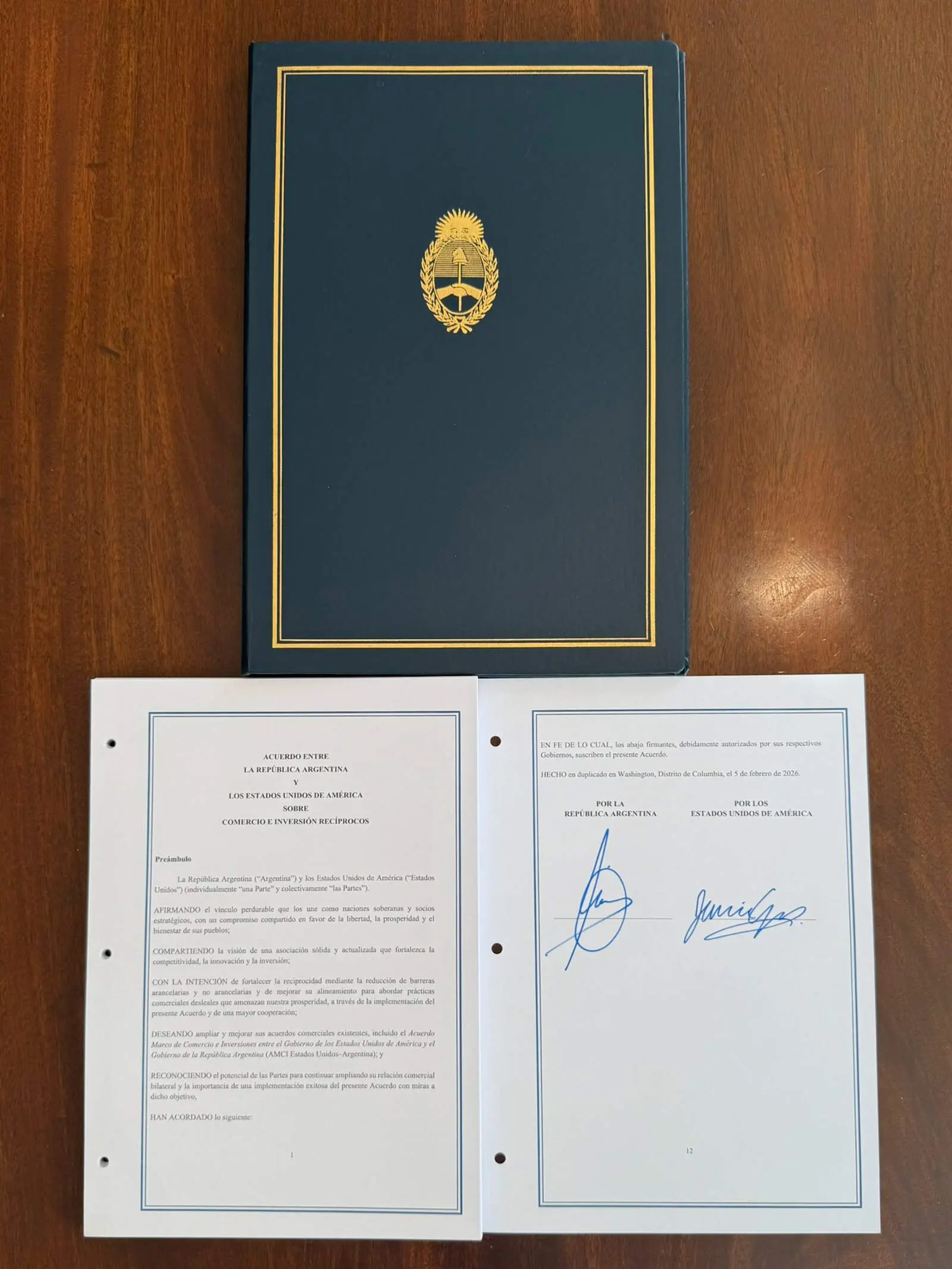
The agreement signed by the authorities was strictly adhered to
The Ministry of Deregulation and State Transformation, led by Federico Sturzenegger, intervened on the regulatory and institutional aspects necessary to finalize the understanding.
The decision from Washington once again confirms the success of Milei's foreign policy, translated into unprecedented trade benefits.