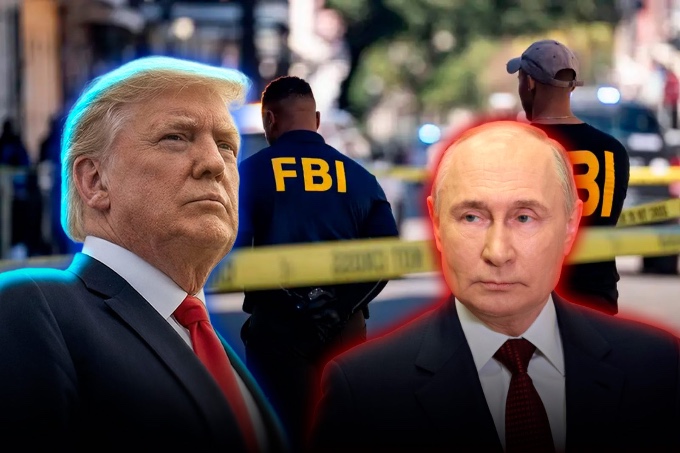
The U.S. House of Representatives approved a broad sanctions package against Russia and Iran on Wednesday with significant Democratic support, despite opposition from the party's top leaders to a provision that expands the tariff powers of President Donald Trump. The initiative received 262 votes in favor and 159 against, with 58 Democrats supporting the bill alongside the Republican majority.
The result allowed the so-called ''Lindsey Graham Sanctioning Russia and Iran Act of 2026'' to overcome one of its main obstacles and be sent to the White House for Trump's signature. The bill had previously been approved by the Senate with a vote of 86-11, also with support from both parties, after more than a year of negotiations led by the late Republican Senator Lindsey Graham.
The backing of a considerable number of Democrats was especially significant because the leadership of the lower chamber had expressed strong objections to the text. Representatives Richard Neal, Gregory Meeks, and Don Beyer stated before the vote that Democrats maintain their support for Ukraine but questioned whether the legislation granted the president new tools to impose tariffs.
However, the disagreement over Trump's trade powers did not prevent dozens of Democratic lawmakers from supporting the package. The vote thus highlighted a divide between the leadership's stance and that of a segment of the parliamentary bloc, especially among representatives who prioritize increasing economic pressure on Russia and supporting Ukraine.
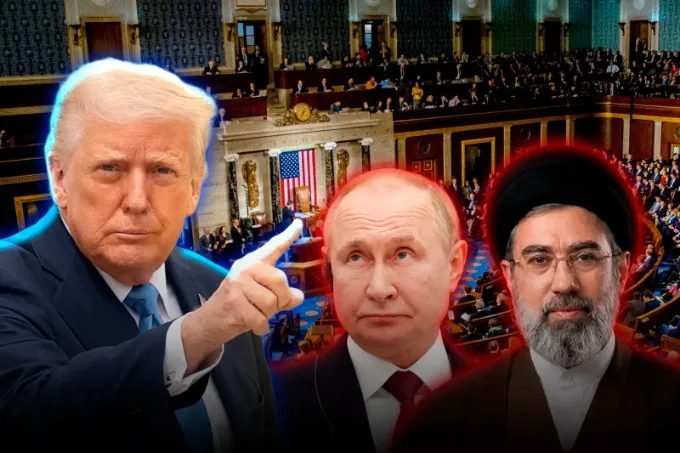
The U.S. House of Representatives approved new sanctions against Russia and Iran, and President Trump will have to enact it
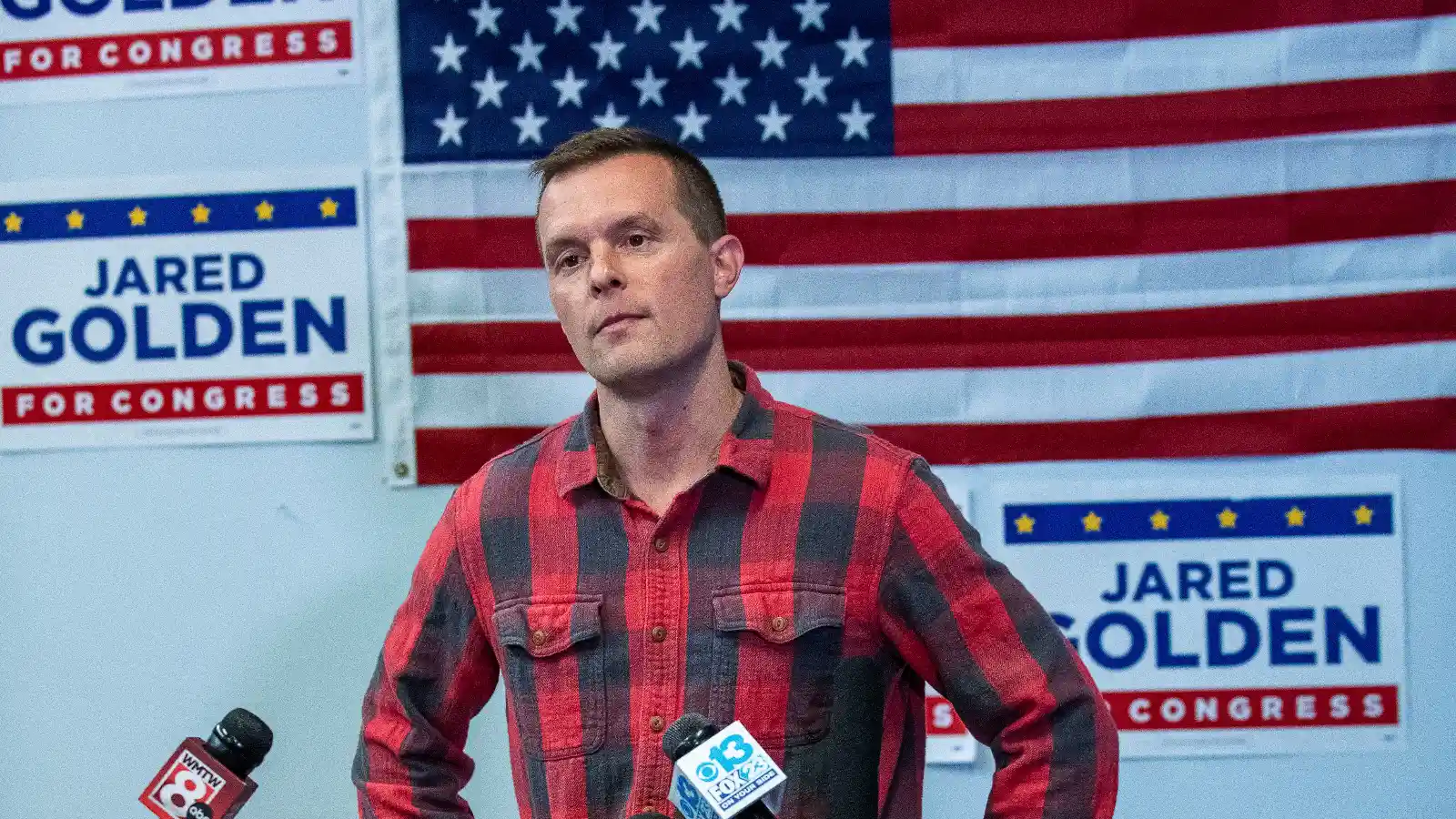
Among those who supported the advancement of the legislation were Democratic Representatives Jared Golden from Maine and Marie Gluesenkamp Perez from Washington. Both had previously challenged their party's leadership by voting with Republicans to allow the bill to reach the floor.
Golden explained that he considered the situation in Ukraine too important to allow the bill to die during a procedural vote. Gluesenkamp Perez, for her part, highlighted the presence of a significant Ukrainian community in her district and stated that her vote reflected the values of that community.
The legislation establishes new tools to increase economic pressure on Moscow. Among its provisions is the possibility for Trump to impose tariffs of up to 100% on the five largest buyers of Russian oil or gas. It also includes sanctions against Russian officials, oligarchs, banks, and financial entities, as well as measures aimed at the so-called ''ghost fleet'' used to transport Russian energy and evade restrictions.
The bill also incorporates sanctions related to Iran, particularly on its energy and arms sectors. The inclusion of these provisions responds to the intention to expand economic pressure on Tehran within legislation that was initially focused on Russia and the war in Ukraine.
More than 50 Democratic representatives joined Republicans and expressed their support for the bill
Democrats who opposed the bill focused their criticism on the scope of presidential authority. Neal stated after the vote that he supports holding Russia accountable and backing Ukraine, but believed that granting new tariff powers to Trump could increase costs for American consumers.
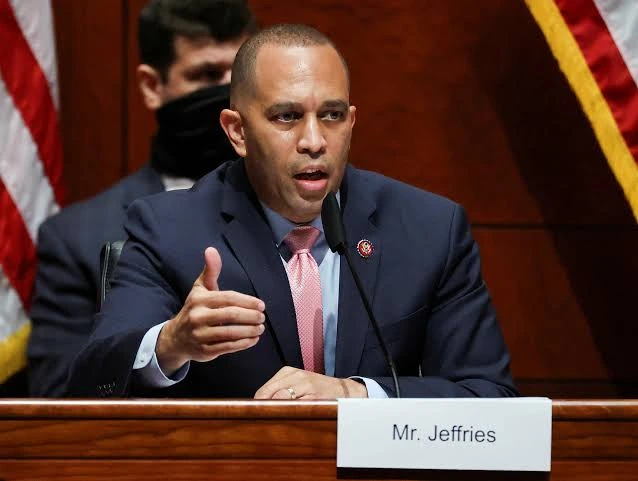
The pathetic leader of the Democratic minority, Hakeem Jeffries, also voted against it and questioned the exceptions and mechanisms included in the text. The Democratic leadership had proposed continuing negotiations to draft alternative legislation that would maintain pressure on Russia without similarly expanding presidential powers in trade matters.
The approval, however, showed that support for new sanctions against Russia crosses party lines. With 58 Democrats joining the Republican majority, Congress sent Trump a bill that combines economic sanctions, pressure on Russian energy buyers, and new presidential powers.
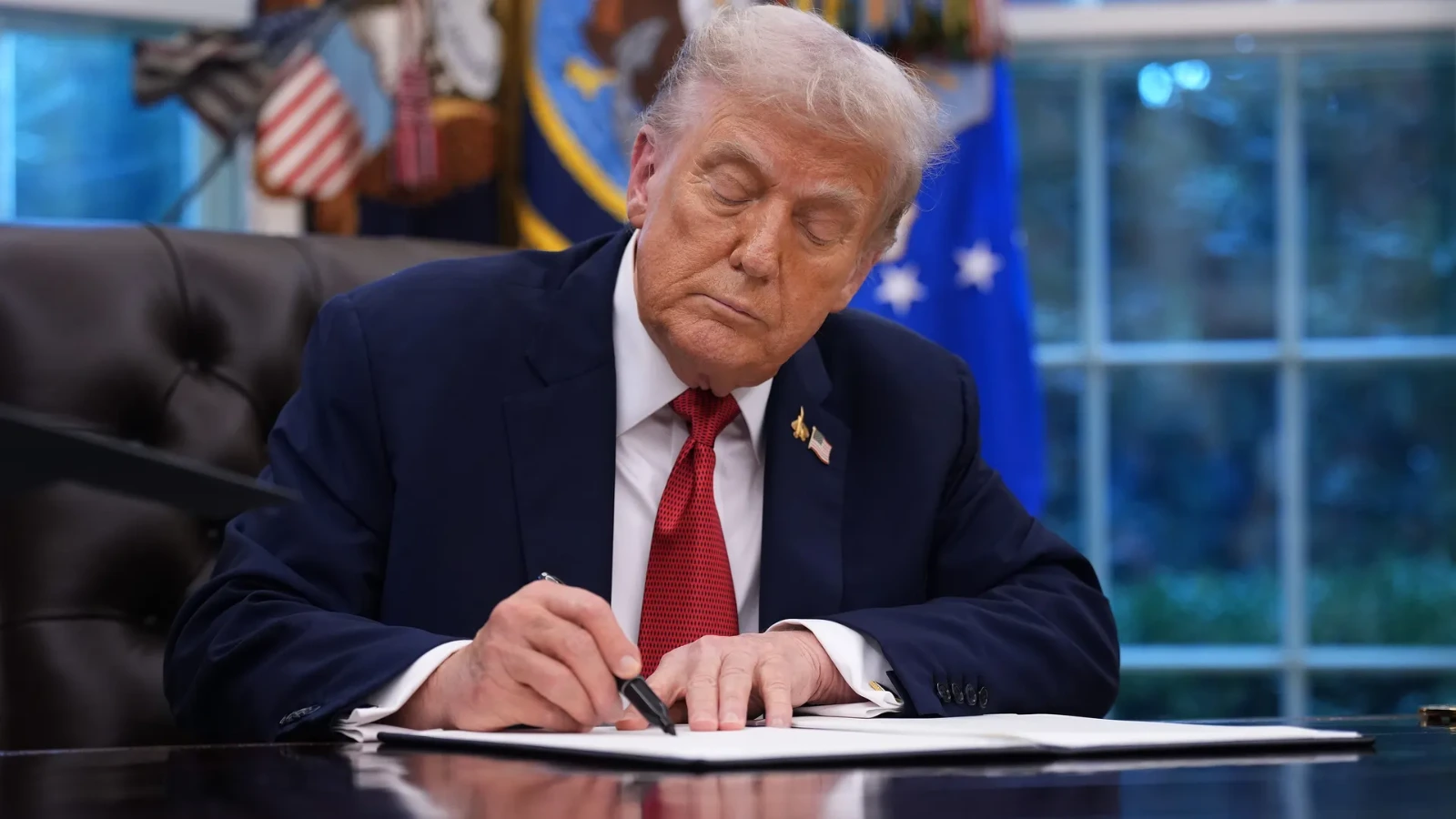
Now the decision goes to the White House. The president will have to determine how to utilize the new tools provided by the legislation, while the debate within the Democratic Party highlights a divide between those who prioritize increasing pressure on Russia and those who believe that granting greater tariff powers to Trump poses an economic and political risk.
Hakeem Jeffries, along with the party leaders of the Democratic Party in the House, questioned the mechanisms of the passed legislation