NASA also confirmed that it will suspend development of the space station in lunar orbit known as “Gateway”.
Compartir:
This Tuesday, the Donald Trump administration announced that the United States will make progress in the construction of a permanent base on the Moon. The
National Aeronautics and Space Administration (NASA) explained that it will suspend the development of the space station in lunar orbit known as “Gateway”, and will focus its efforts in the construction of infrastructure on the surface of the Moon.
The decision was announced by the director of NASA, Jared Isaacman, who stated that the agency seeks to reorient its priorities to facilitate sustained operations on Earth's natural satellite.
“The agency intends to pause Gateway in its current form and shift the focus to infrastructure that allows sustained operations on the lunar surface,” he said in an official statement.
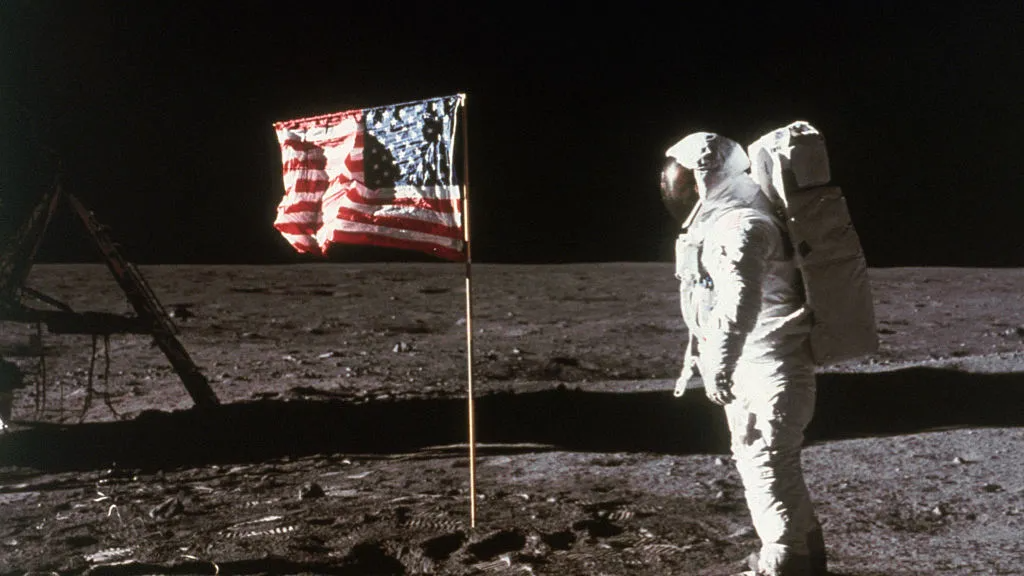
American astronaut.
The Gateway project, conceived as a space station orbiting the Moon, had been promoted in collaboration with international partners, including the European Space Agency
.
However, the initiative had been the subject of questions in different sectors, where it was considered a possible inefficient use of resources or a distraction from the main objectives of lunar exploration.
In this context, Isaacman noted that, despite the pause of the project in its current format, NASA will not completely rule out the advances achieved so far. “Despite challenges with some existing equipment, the agency will reuse applicable hardware and will take advantage of commitments from its international partners to support these objectives,” he
said. President Donald Trump.
The announcement is part of a larger reconfiguration of the Artemis program, whose goal is to bring American astronauts back to the Moon and establish a sustained presence as a prelude to future missions to Mars.
This restructuring was recently driven by the agency's new management, in response to repeated delays that have affected the original schedule.
Isaacman, who took over the leadership of NASA at the end of last year, had already anticipated changes in planning less than a month ago, with the aim of ensuring that the return to the lunar surface takes place by 2028. Although that goal is maintained, the agency will adjust its flight schedule by incorporating a pre-moon landing test mission, in order to optimize the launch experience
.
In April, the Artemis 2 mission is expected to carry out the first manned flight of the Moon in more than 50 years, marking a milestone on the path to human return to the satellite.