The meeting between the president of the United States and the Chinese president has been delayed after the conflict in the Middle East.
Compartir:
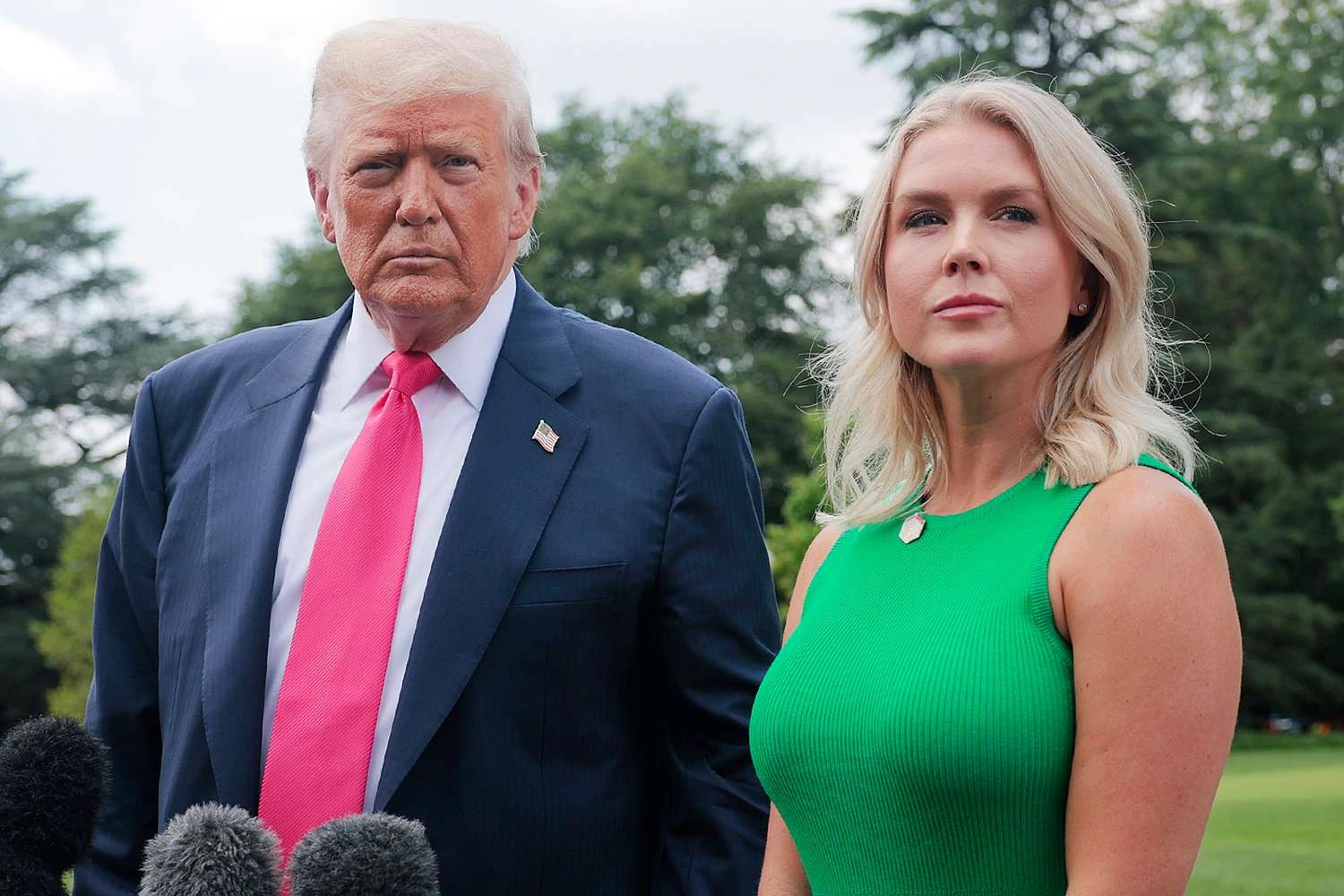
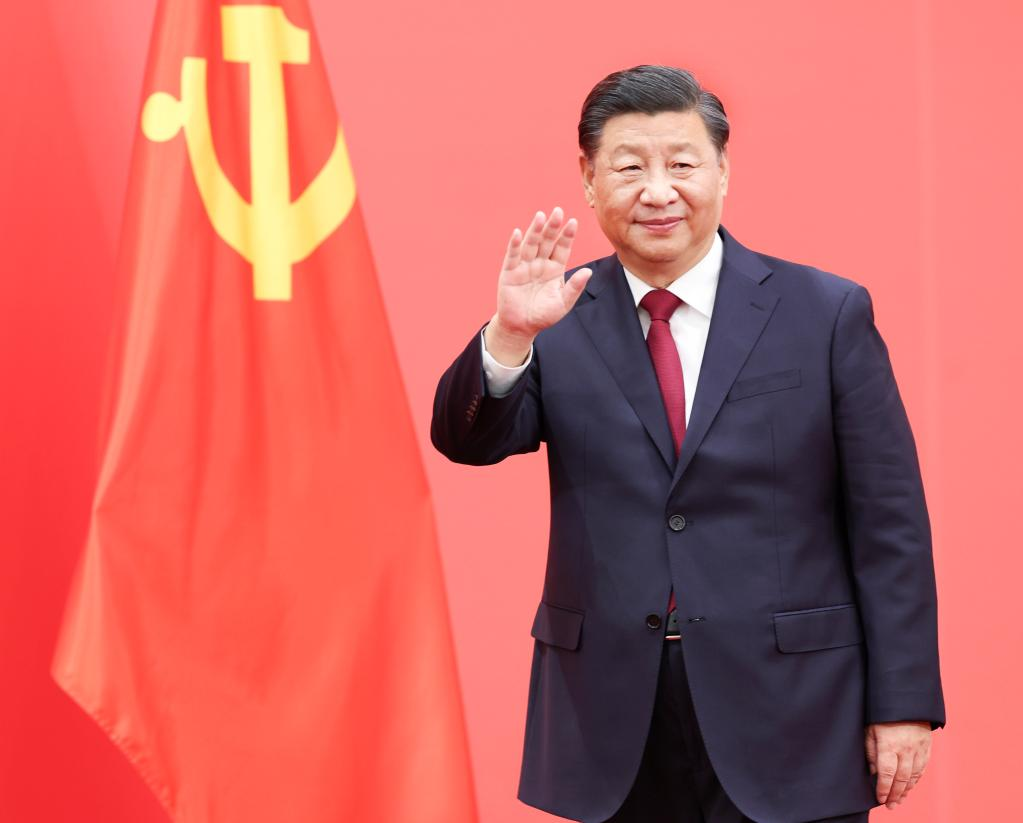
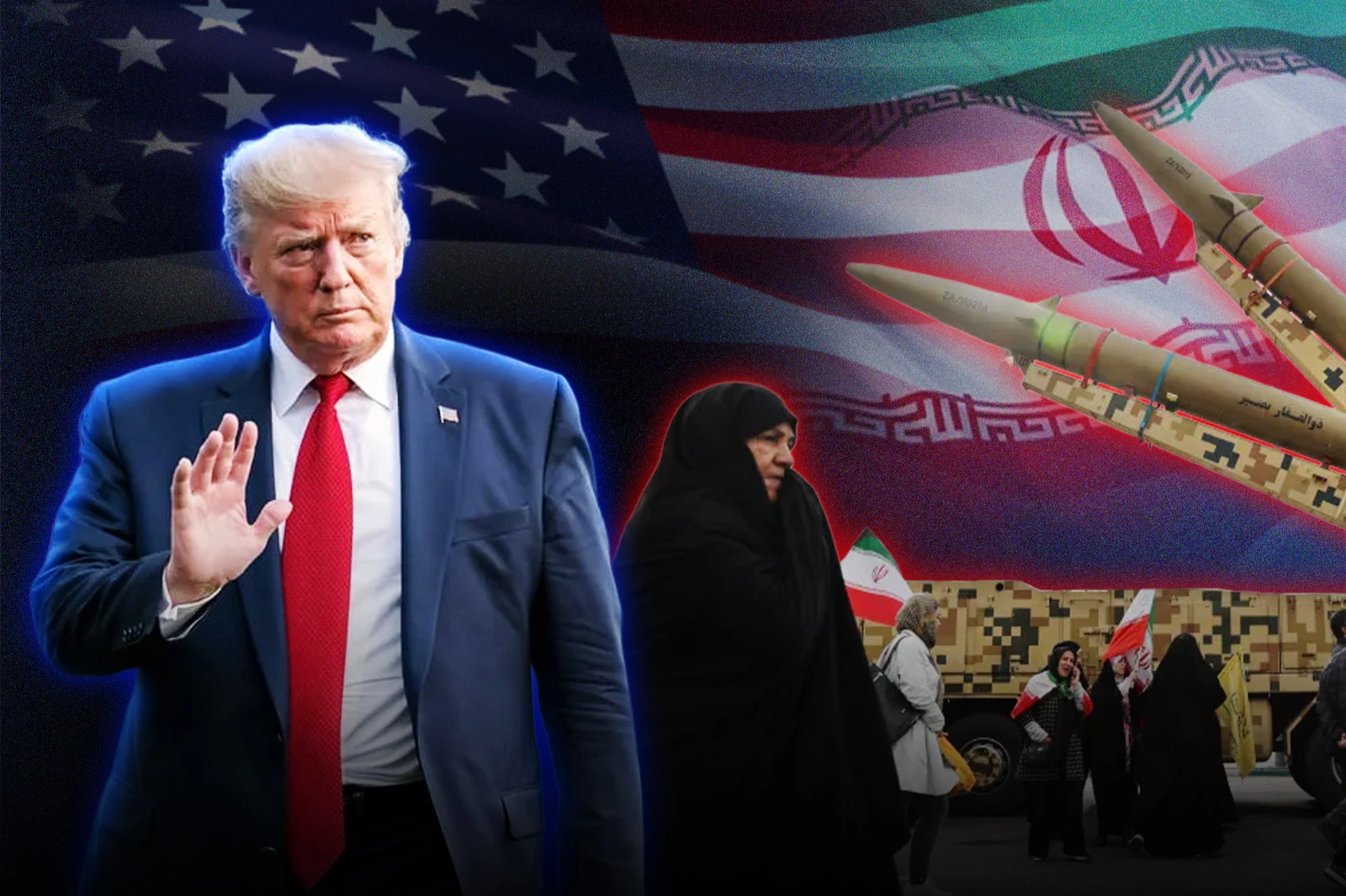
The President of the United States, Donald Trump, canceled his scheduled meeting with his Chinese counterpart, Xi Jinping, originally scheduled between on March 31 and April 2, in the midst of the escalation of the conflict with Iran. The decision was announced on March 16 and was due, according to the White House, to Trump's need to focus on the war situation in the Middle East
.
“We have an ongoing war. I think it's important that I be here,” said the president, making it clear that the meeting will not take place on the scheduled date. From the White House, spokeswoman Karoline Leavitt explained that both parties would set a new date “as soon as possible”, without specifying a definitive schedule, and stressed that the cancellation responded to the
president's internal priorities.
The delay comes in a context of growing global energy tension. The United States has carried out military operations in Iran and has exerted pressure on Venezuela, affecting strategic countries for the supply of oil to China. Although shipments of Iranian crude continued, logistical difficulties, increased transportation and insurance costs, and volatility in the Strait of Hormuz have complicated Beijing's access to a supply vital to
its economy. Trump's press secretary confirmed the news and assured that both parties will set a new date for the meeting.
China remains the main buyer of Iranian oil, absorbing between 80% and 90% of its exports, and the Asian country depends on Iran for approximately 13% of its imported crude. However, the cancellation of the meeting, added to the war context and the pressure on energy flows, reflects an indirect opportunity for Washington to influence the costs and risks associated with the supply that sustain the Chinese economy
.
The conflict has raised oil prices and has generated uncertainty about transport logistics, especially across the Strait of Hormuz, where nearly half of the crude oil that China imports by sea circulates. In addition, a large part of Iranian shipments are made through alternative commercial networks and in yuan, reducing exposure to the financial system dominated by the dollar, but increasing risks and costs for
Chinese refineries.
In response to the situation, the United States temporarily eased sanctions on Iranian crude oil already loaded on ships, some 140 million barrels, and also eased some restrictions on Russian oil, increasing the supply of crude oil in Asia. These measures force China to compete for supply and reduce its advantage of obtaining crude at significant discounts, increasing pressure on Beijing while maintaining the internal stability of the US market.
The Xi Jinping regime is the largest buyer of Iranian oil, acquiring between 80% and 90% of exports
The postponement of the meeting also reflects China's limitations in intervening directly in open conflicts. In 2023, Beijing had facilitated reconciliation between Iran and Saudi Arabia, but the current escalation shows that, despite its economic influence, its capacity to act in the face of military crises is still limited
.
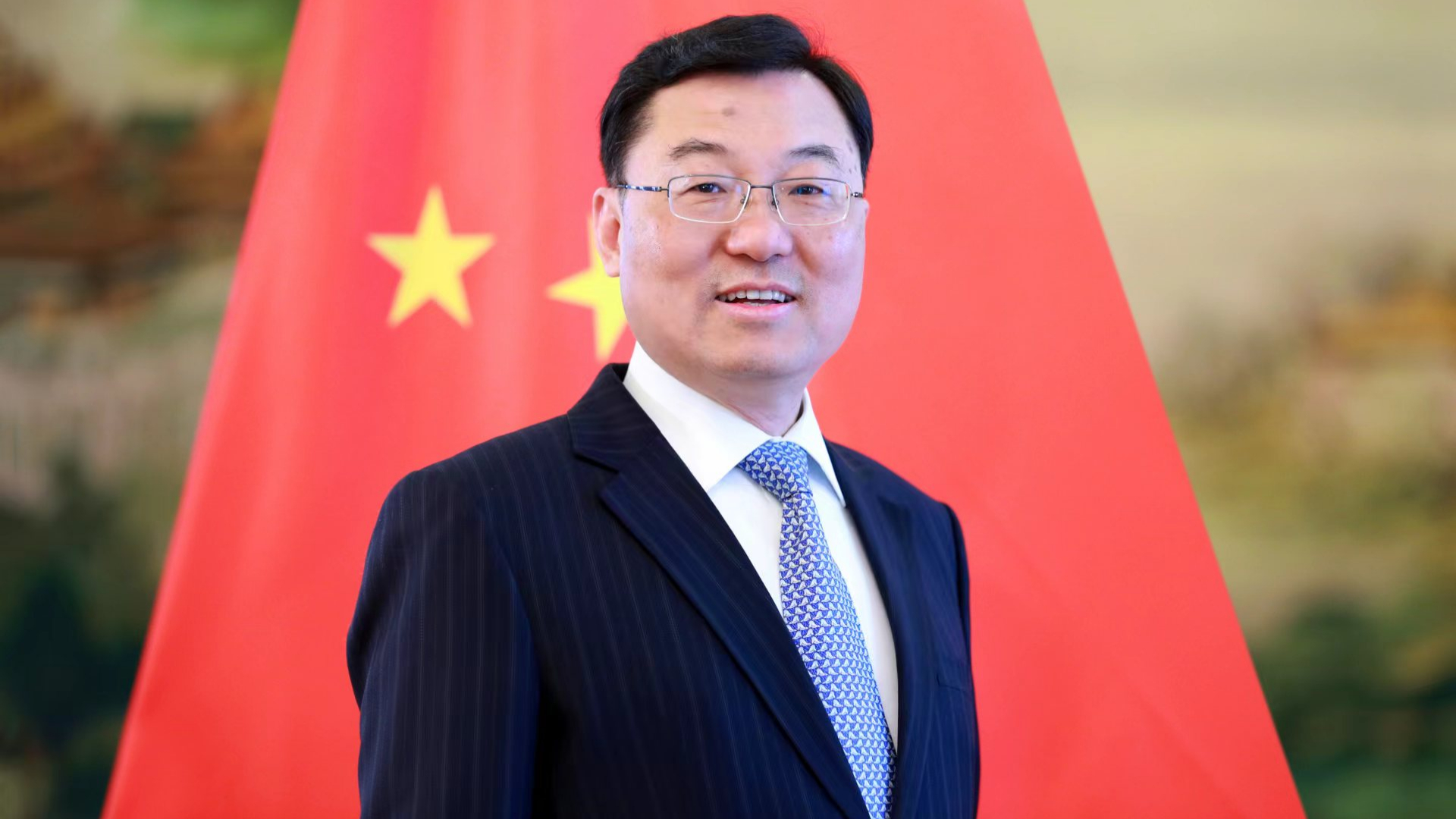
For its part, China took a cautious stance after the cancellation, avoiding direct involvement in the conflict and reinforcing calls for diplomacy and global energy stability. A government spokesman, Liu Pengyu, stressed the importance of ensuring a stable energy supply and preventing regional instability from affecting
global economic development.
Several analysts believe that the cancellation of the summit not only responds to the domestic agenda and the conflict with Iran, but also reflects the increasing use of energy pressure as a tool of influence against China. The delay makes it clear that international dynamics can affect the bilateral diplomatic agenda and that economic, strategic and military interests are
closely interconnected. The Chinese government assured that Beijing is committed to ensuring the supply of oil