The Senate approved the nomination pushed by Trump, and a new stage in the conduct of monetary policy opens.
Nuevo
Agregar La Derecha Diario en
Compartir:
The United States Senate approved the appointment of Donald Trump's nominee, the libertarian Kevin Warsh, as the new chairman of the Federal Reserve (Fed), marking a change in the leadership of the country's main monetary body.
The vote was resolved with 54 votes in favor and 45 against, in a decision that was finalized just a day after his incorporation as a member of the Board of Governors was also approved.
In this way, Warsh, pro Bitcoin and in favor of a reduction in the interest rate, will take over the central bank, replacing Jerome Powell, whose term ends this Friday. The confirmation comes at a key moment for the U.S. economy, with expectations focused on the upcoming monetary policy decisions.
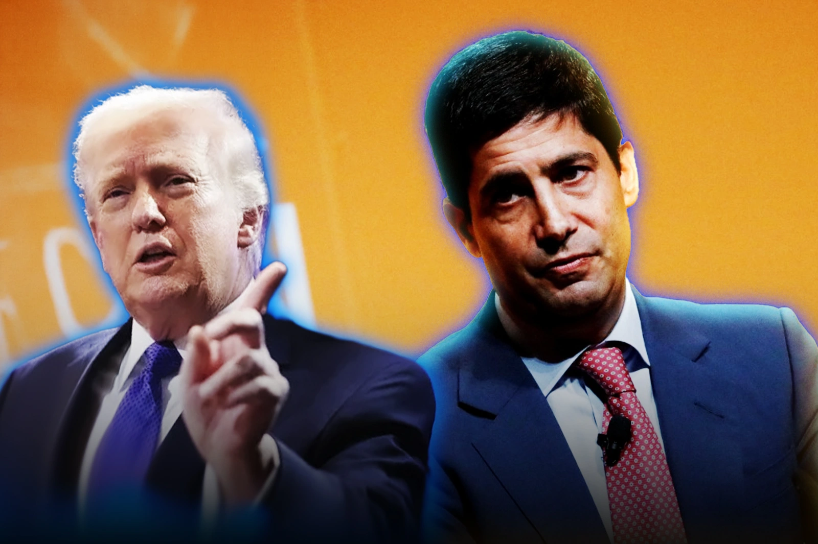
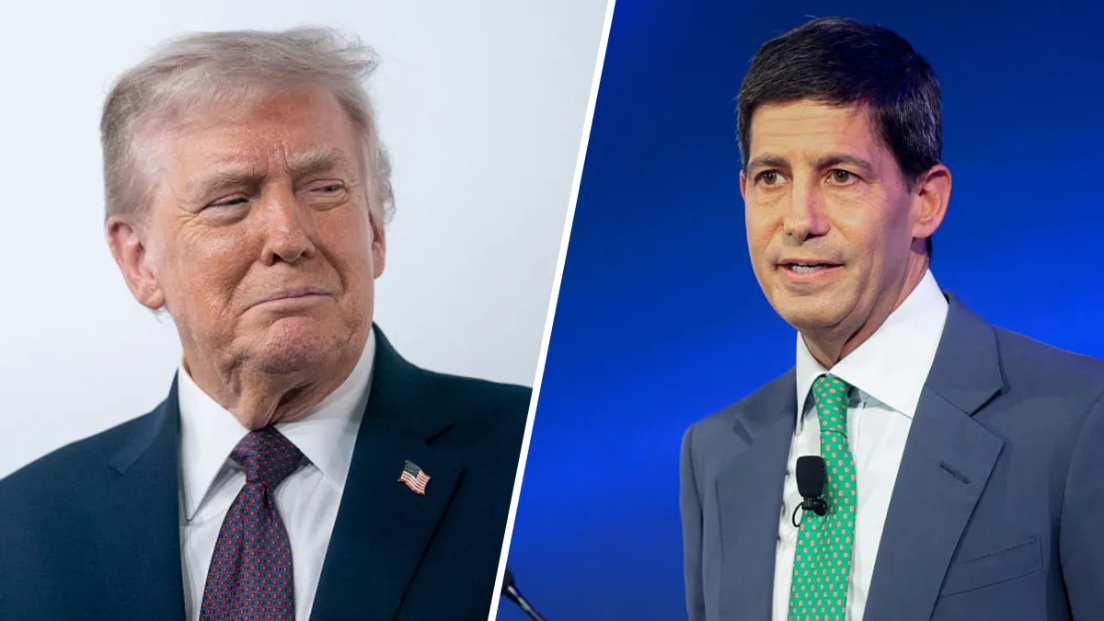
Kevin Warsh and Donald Trump.
The first relevant instance under his leadership will be the meeting of the Federal Open Market Committee (FOMC), scheduled for June 16 and 17.
At that meeting, the benchmark interest rate will be defined, and the quarterly update of the main economic variables will be presented, which will set the immediate course of the country's economic policy.
After the Senate's decision was announced, Treasury Secretary Scott Bessent highlighted the political support that allowed the appointment to move forward. “Today the Republican bloc, along with the Democrats who prioritized the country over political ideology, confirmed Donald Trump's nominee, Kevin Warsh, as the next Chairman of the Federal Reserve,” he stated.
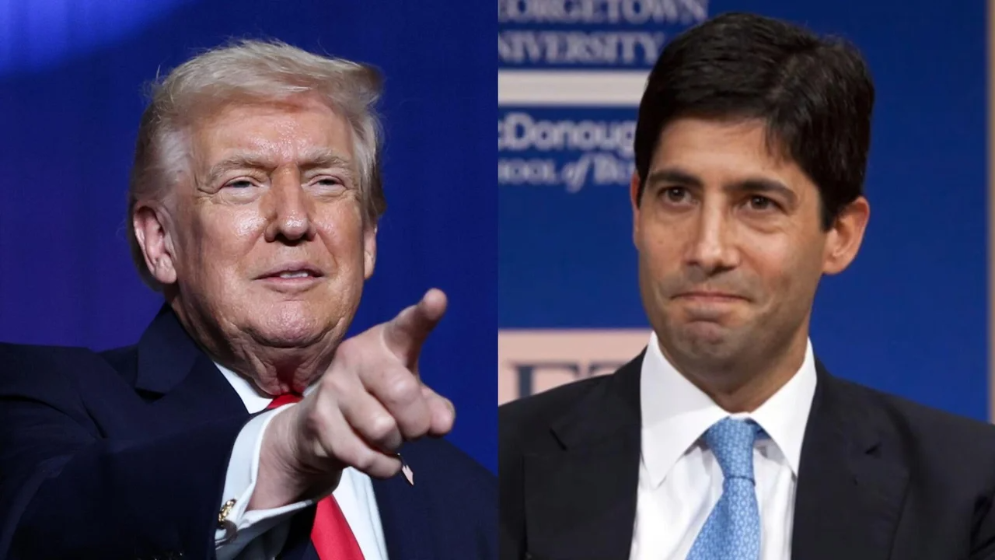
Kevin Warsh and Donald Trump.
In that vein, Bessent emphasized the start of a new era within the institution. “Chairman Warsh will usher in a new day in an institution that needs accountability, sound policy guidance, and a renewed sense of purpose to help guide our economy. His presidency opens the door and lays the groundwork for every American family to build and grow in the largest economy in the world,” he added.
Warsh's arrival also comes after the Senate, with a Republican majority, approved his appointment for a 14-year term as a member of the Fed's Board of Governors, an organ composed of seven members. This dual institutional support reinforces his positioning within the U.S. financial system.
With this change at the helm of the Federal Reserve, a new phase in U.S. monetary policy opens, with expectations about the approach the entity will adopt moving forward.