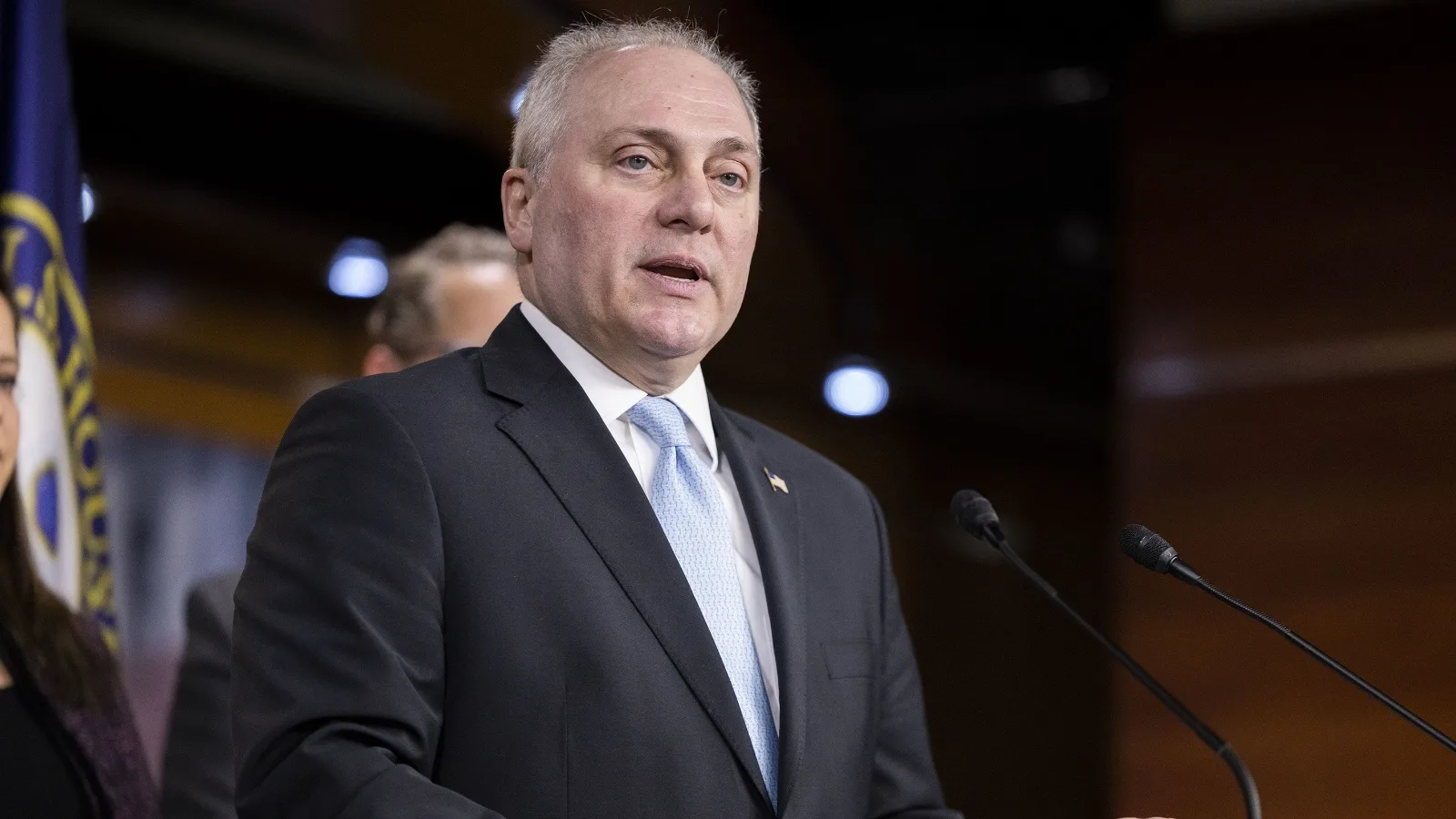











House Republicans elected Congressman Jim Jordan, from Ohio, as their next minority leader, a decision that places one of the party's most combative conservatives at the forefront of the legislative opposition and entrusts him with the task of reorganizing Republicans to regain control of the House in 2028.
Jordan defeated the Republican majority leader, Steve Scalise, from Louisiana, by 106 votes to 73, according to Republican caucus staff members who informed reporters. His election comes after significant electoral losses for the Republican Party in the midterm elections, which will allow Democrats to expand their representation to potentially 260 seats when the new Congress convenes on January 3, 2027.
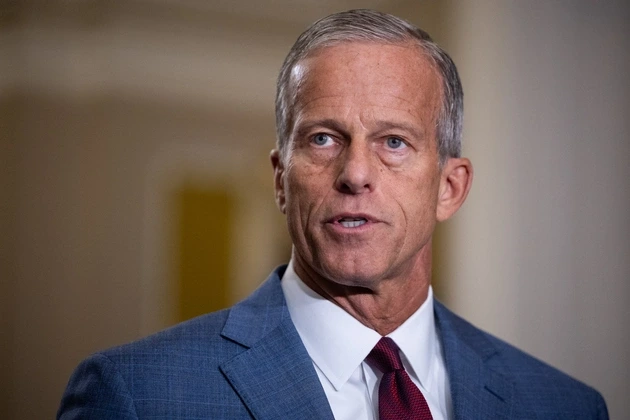
In the Senate, Republicans also elected Senator John Thune, from South Dakota, as the next minority leader. Both leaders will be responsible for coordinating the Republican strategy in the face of a Democratic majority in Congress and defending conservative priorities from the opposition.
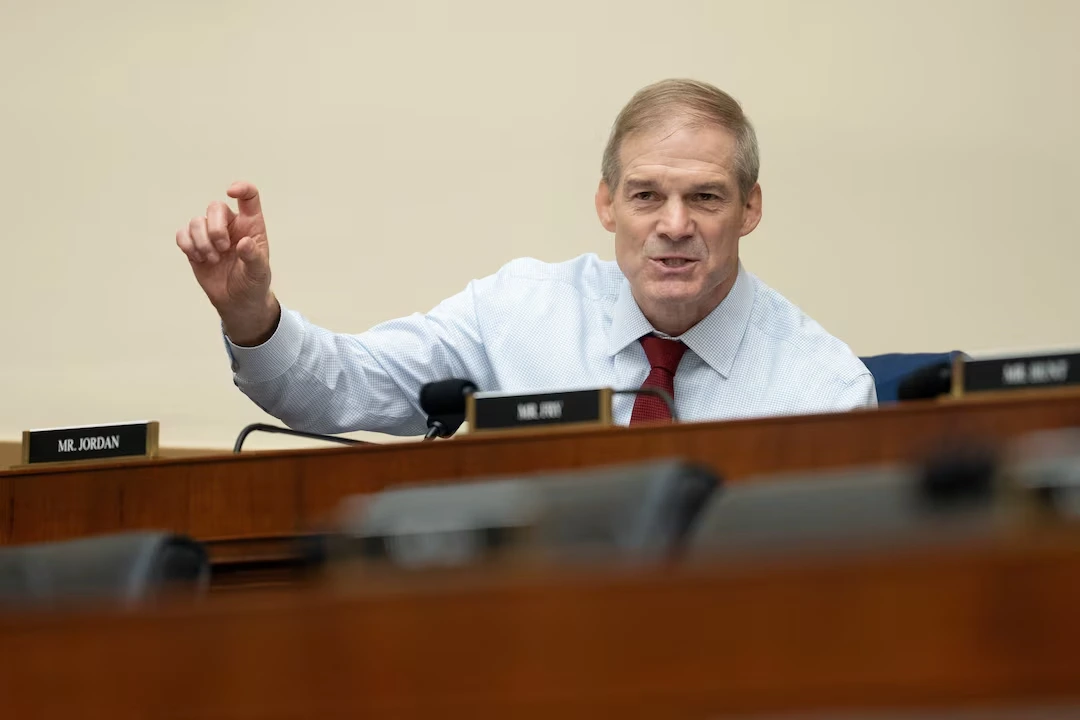
Jordan, current chairman of the House Judiciary Committee, arrives at the leadership with a long history of confronting Democrats and questioning the policies of his political opponents. First elected to Congress in 2006 to represent Ohio's fourth district, he has established himself as one of the most influential figures in the Republican conservative wing and as a close ally of President Donald Trump.
His appointment represents a bet on leadership willing to confront Democrats and keep the Republican caucus united during a period in which the opposition will control the House. Democrats have already indicated that they intend to push for investigations into the Trump Administration, meaning Jordan will play a central role in defending the priorities of the president and his allies in Congress.
The current Speaker of the House, Mike Johnson, from Louisiana, who also leads the Republican conference, decided not to run for the minority leader position after the adverse results of the legislative elections.
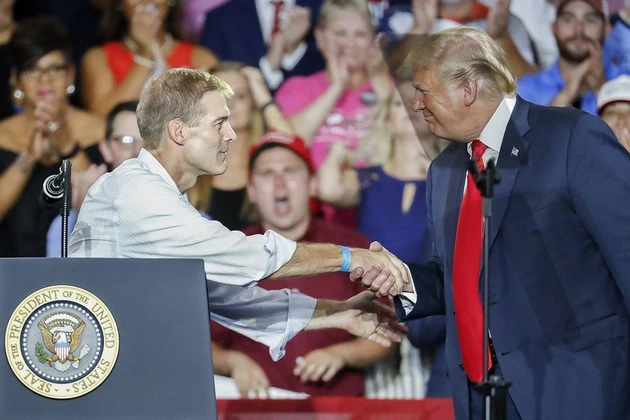
In a letter to his colleagues before the vote, Jim Jordan presented his candidacy as a chance to strengthen Republican leadership and leverage his legislative experience to respond to Democratic initiatives. The congressman questioned the lack of a sufficiently defined strategy within his party and warned that this situation would not be enough to face a strengthened Democratic majority.
''We do not have a clear plan to survive the hour or the day ahead of us. That will not be enough against an emboldened and energetic Democratic majority,'' he wrote.
Jordan maintained that he knows the necessary conditions to lead Republicans from the minority, preserve internal unity, and coordinate effective responses to the legislative maneuvers of his opponents.