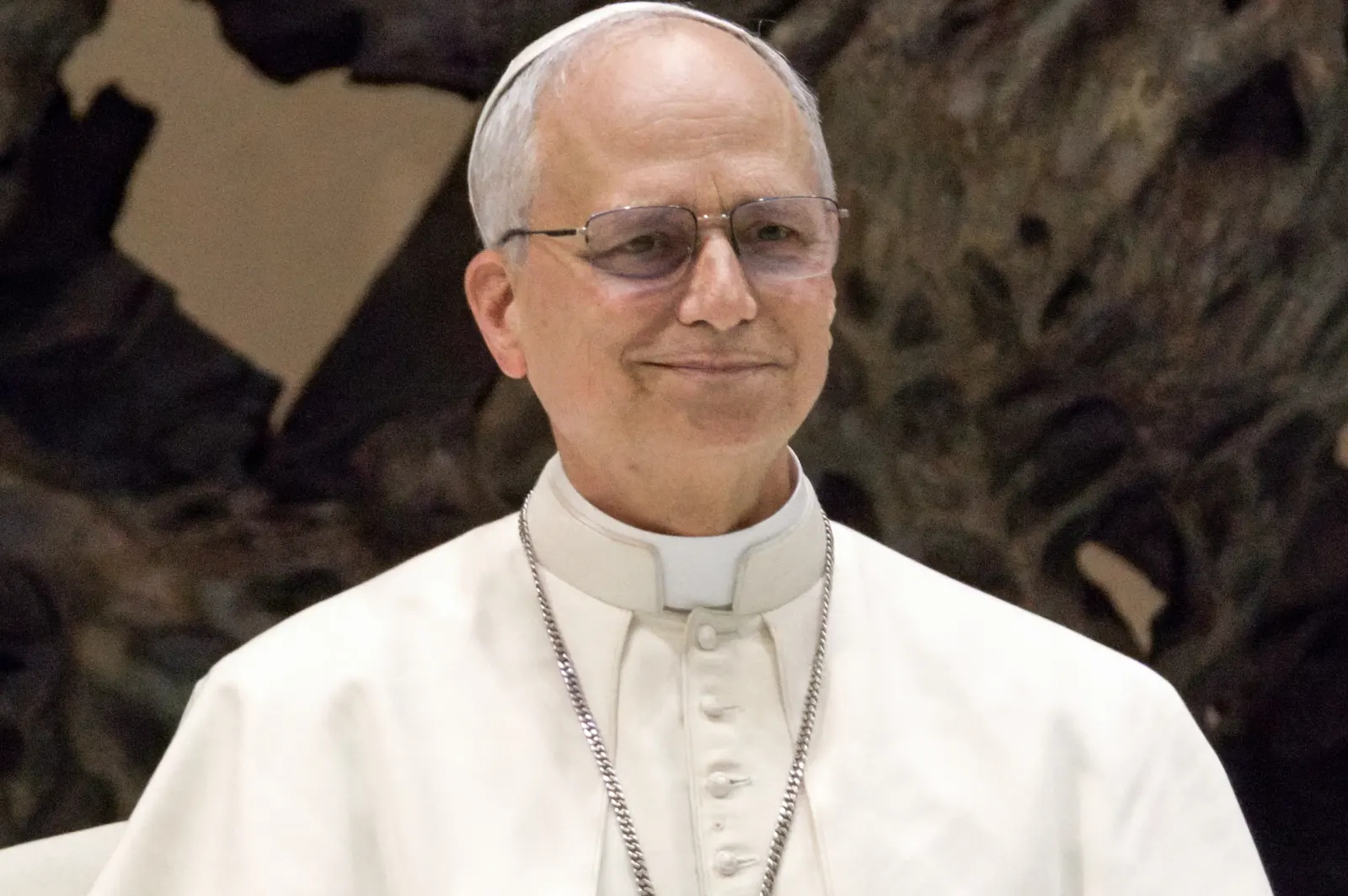

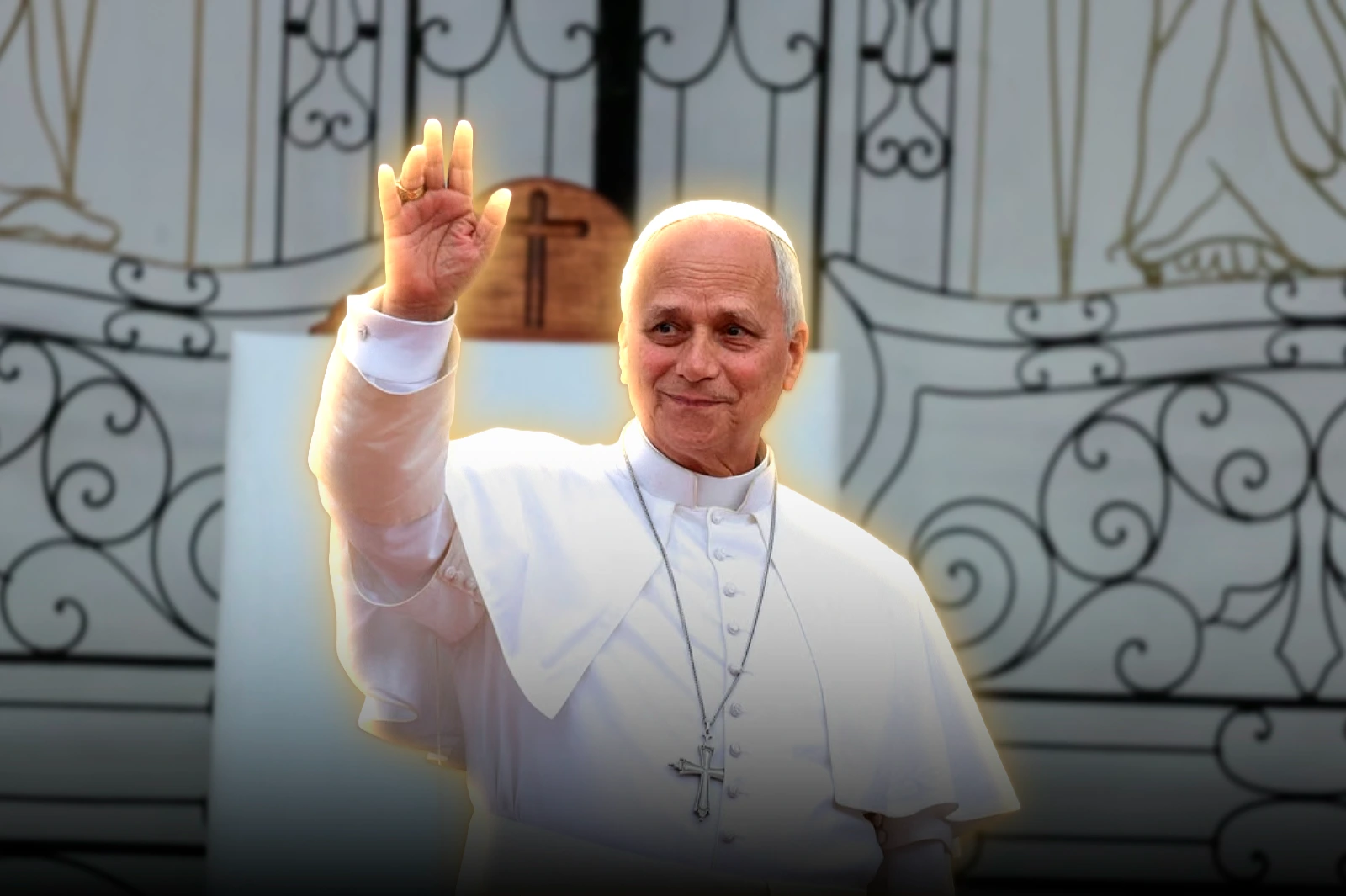
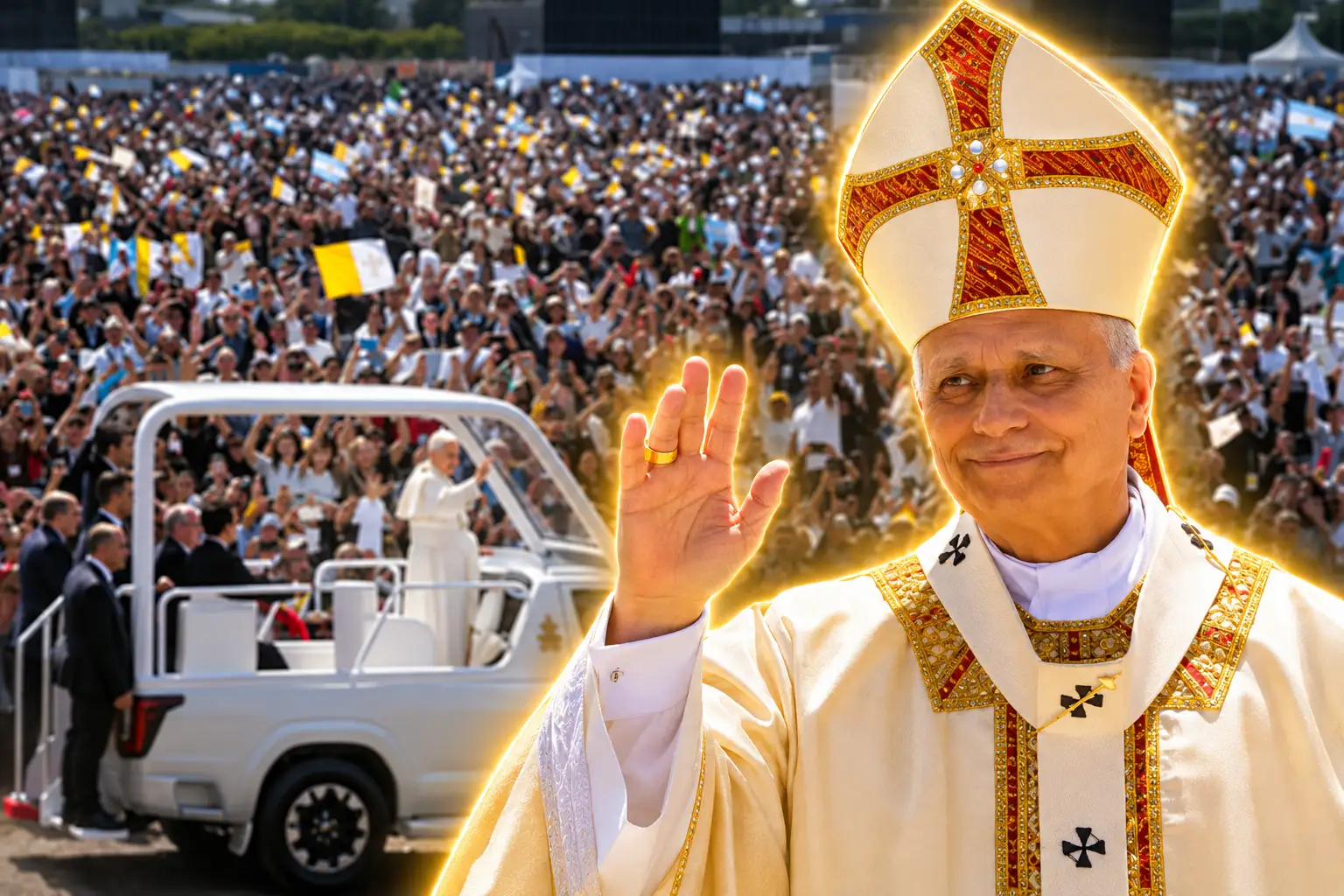
The arrival of Pope Leo XIV in Uruguay was not just a protocol event. It was a mirror. A mirror in which thousands of Uruguayans looked and discovered, with some surprise, that they still recognize their own face.
The streets filled up, the stadiums sold out, the squares overflowed. It was not just curiosity. It was something deeper. And that "something more" contradicts one of the most repeated clichés about this country: that Uruguayans are, in essence, a secular, cold people detached from all transcendence.
Uruguay is famous for being the most secular country in Latin America. It is a reputation we have proudly cultivated for over a century. Separation of Church and State, divorce, same-sex marriage, abortion, euthanasia… the list of "progressive" achievements is long and is displayed as a medal.
However, beneath that legal and political surface lies a much more complex cultural reality. Uruguayans are more Catholic than they appear. And the Pope's visit made this evident in a striking way.
It's not just about numbers
According to the latest measurements, around 36% of the population identifies as Catholic. That is already significant in a country where "none" and "I believe in something, but not in the Church" often lead the polls. But Uruguayan Catholicism has never been well measured by surveys.
It is measured by gestures.
By the virgins that appear in the yards of houses in Paso de la Arena, Casavalle, or El Cerro. By the medals of the Virgin of the Thirty-Three that hang from the necks of taxi drivers, police officers, and workers. By the processions that still traverse towns in the interior when no one is watching. By the masses for the deceased that people attend even if they say they are "not practicing."
There is a Uruguayan way of being Catholic that is discreet, almost embarrassed, but persistent. It is the Catholicism of the grandmother who prays the rosary while watching television. The father who hasn’t stepped into a church since his wedding but asks for holy water to be sprinkled on his newborn child. The mother who, although she votes for the Broad Front, still crosses herself when passing in front of a church.



