Democrats in California have found themselves at the center of a new controversy after agreeing to a series of fiscal measures included in the state budget that could increase health insurance premiums and impose a new tax on software services, a decision that has been heavily criticized by Republicans, business owners, and economic groups warning of a further rise in the cost of living in the state.
The state legislature, controlled by the Democratic Party, approved this week a $356 billion budget proposal that will now need to be negotiated with Democratic Governor Gavin Newsom before its final approval in the coming weeks.
Among the initiatives that have generated the most controversy is the extension of a tax applied to health service providers, a measure that could raise approximately $2 billion annually starting next year. The proposal arises from the need to compensate for the loss of certain federal funds linked to the Medi-Cal program, the public health system for low-income individuals.
Various experts have warned that the increase in the tax burden on private plans could be passed directly to consumers. According to estimates cited during the budget debate, individuals with private health insurance could face increases of nearly $100 annually in their premiums, while a family of four could end up paying around $400 more per year.
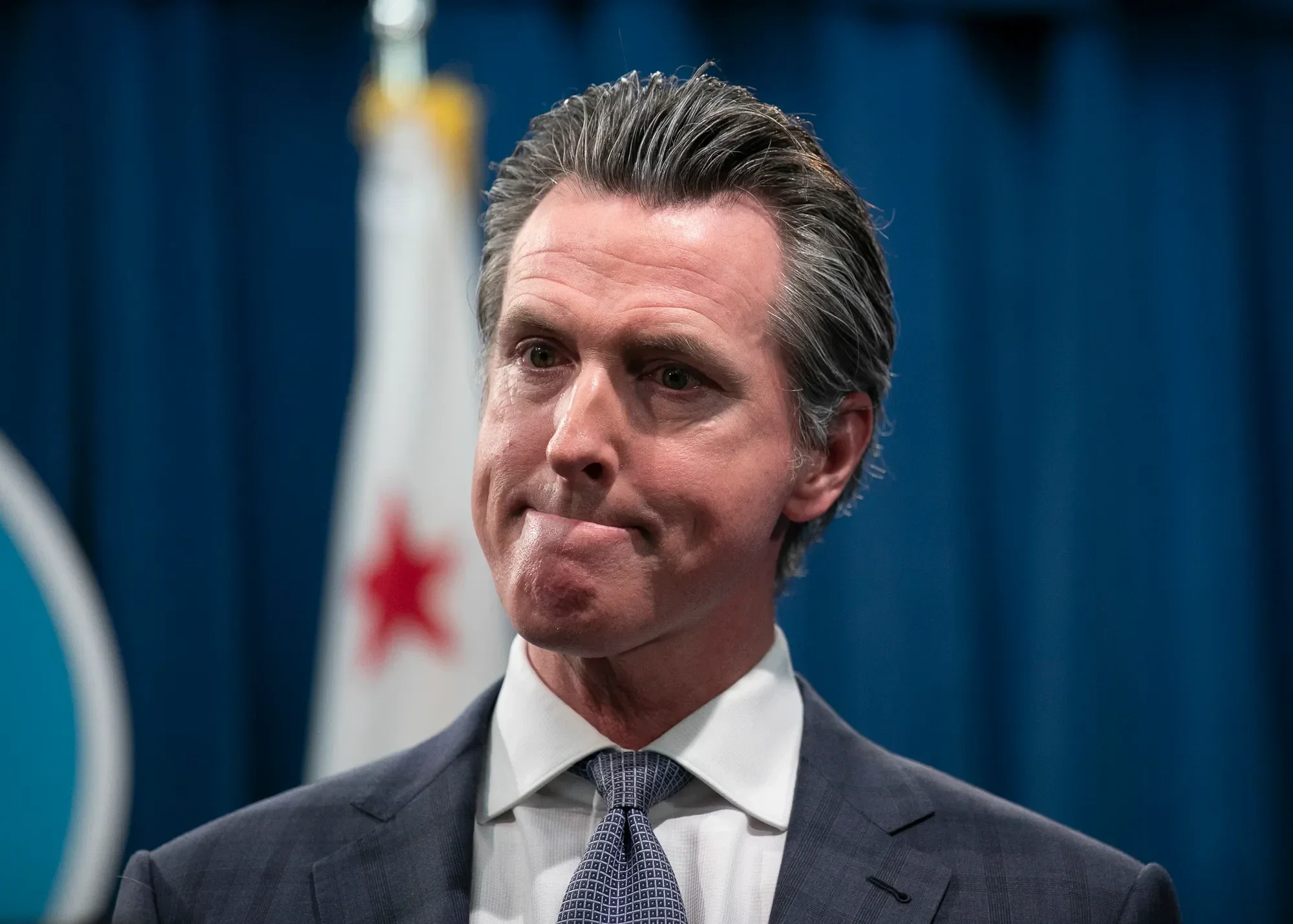
Democratic Governor Gavin Newsom will negotiate a disastrous tax increase pushed by the Democrats
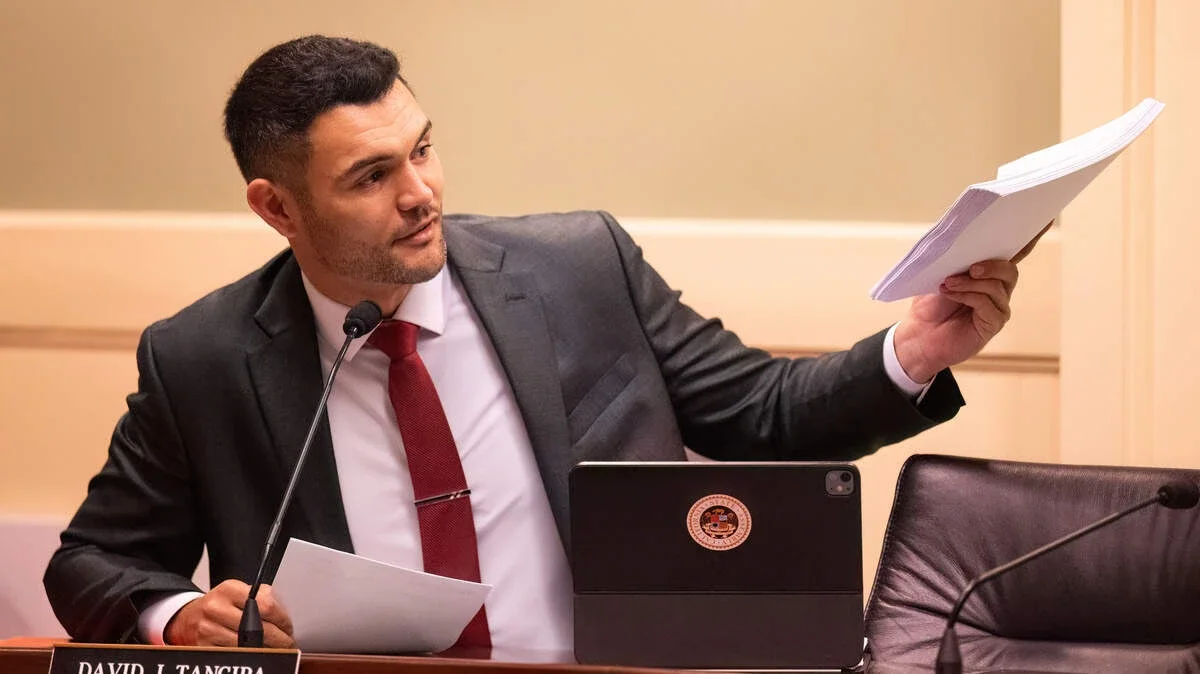
Criticism from the Republican opposition was immediate. State Assemblyman David Tangipa stated that the budget agreement reflects the priorities of the Democratic majority and accused the ruling party of increasing costs for workers, families, and small business owners.
According to Tangipa, those already facing economic difficulties due to the high cost of living in California will now have to face higher taxes and expenses related to medical coverage.
The criticisms also extend to another measure included in the budget agreement: the application of a sales and use tax on software programs used daily by businesses and consumers, including widely used platforms in the workplace such as Slack and Microsoft 365.
Numerous critics of the measures promoted by the Democratic Party have warned about the increases in the cost of living
The proposal aims to tax these services regardless of how they are distributed or used by customers. According to legislative analyses, the new tax could generate nearly $900 million annually for state coffers.
The tech sector reacted with concern. The ''Business Software Alliance,'' an organization representing major software companies, stated that the initiative comes at a particularly inopportune time for the state economy.
The entity argued that, instead of fostering innovation and technological adoption, the state government is choosing to increase costs for businesses, schools, and consumers who rely daily on digital tools to operate and compete.
The Democratic proposal includes a sales tax on the use of software programs like ''Office 365'' from Microsoft
Republicans seized the controversy to reinforce their criticisms of the Democrats' economic management. Steve Hilton, one of the leading Republican candidates for governor, accused Sacramento leaders of continuing to increase the tax burden despite California already having one of the highest costs of living in the United States.
Hilton stated that the best way to combat the affordability crisis is to allow citizens to keep a larger portion of their income instead of constantly resorting to new taxes and levies.
The tensions also reflect differences within the Democratic Party itself. Some progressive lawmakers had pushed for an alternative proposal that included imposing monthly economic sanctions on large companies whose workers relied on Medi-Cal for medical coverage. However, that discussion was postponed until the next state administration, forcing the search for other sources of revenue to balance the public accounts.
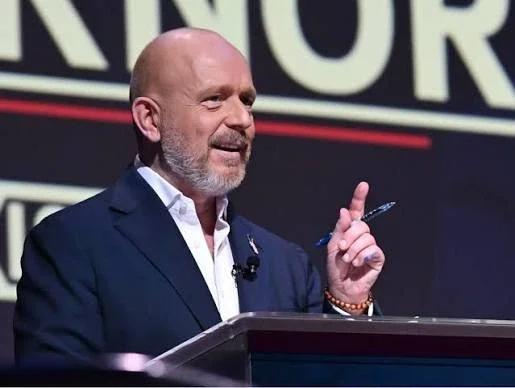
The Republican candidate for governor of California has launched harsh criticisms against the new increases in state taxes
Democratic leaders defended the measures, arguing that the state needs to raise additional funds quickly to ensure budget stability. The president of the state Senate, Monique Limón, acknowledged that the decisions are difficult but stated that they are necessary to respond to the government's immediate fiscal needs.
The debate also occurs in a context of warnings issued by fiscal oversight bodies, which have indicated that California remains vulnerable to a potential economic slowdown or a drop in tax revenue.
Although the budget agreement is not yet final and continues to be negotiated with Governor Newsom, Republicans have already promised to intensify their campaign against the new tax burdens. The Republican leader of the state Assembly, Heath Flora, called for a budget focused on reducing taxes, improving affordability for families, and prioritizing public spending over increasing the tax pressure on citizens and businesses.
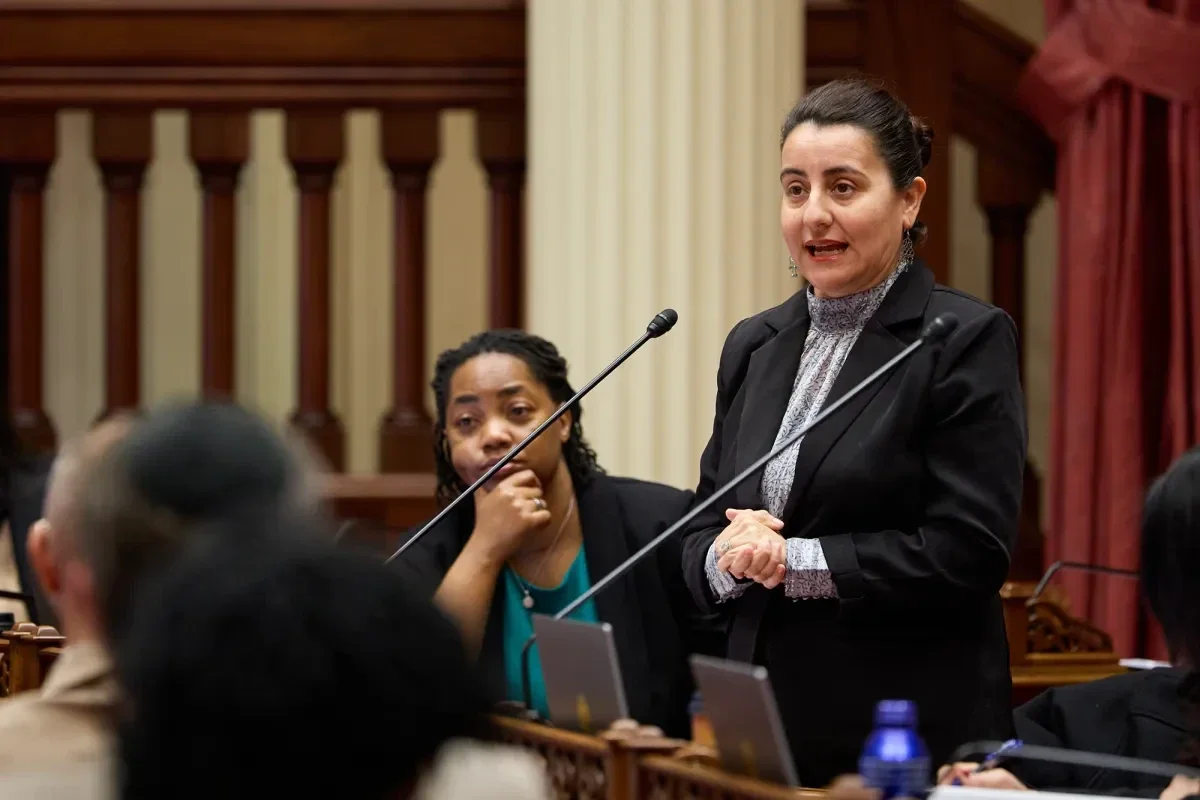
The Democratic president of the California Senate attempted to justify the tax increase by citing the state's fiscal needs