New recordings of conversations between Joe Biden and writer Mark Zwonitzer have reignited criticism regarding the cognitive ability of the former Democratic president and his handling of classified information during the period when he was preparing his memoirs, years before arriving at the White House. The audios, which remained at the center of a prolonged legal dispute, show Biden with difficulties in recalling facts, completing thoughts, and maintaining the thread of some conversations, according to the publicly released excerpts.
The recordings, made during Biden's work with Zwonitzer for his 2017 memoir, were delivered on Monday to the House Judiciary Committee and to the conservative group ''Oversight Project'' after a legal battle that lasted two years.
Although a significant portion of the material remains censored, the available excerpts have sparked new criticism from conservative sectors, who argue that doubts about Biden's condition and his ability to handle sensitive information existed long before he took office as president.
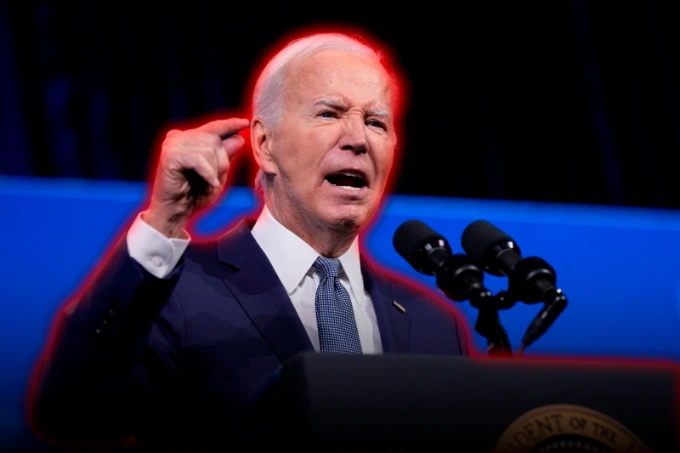
New audio recordings revealed the lack of cognitive ability that Joe Biden maintained during his presidency and the dangers he posed regarding his handling of classified information
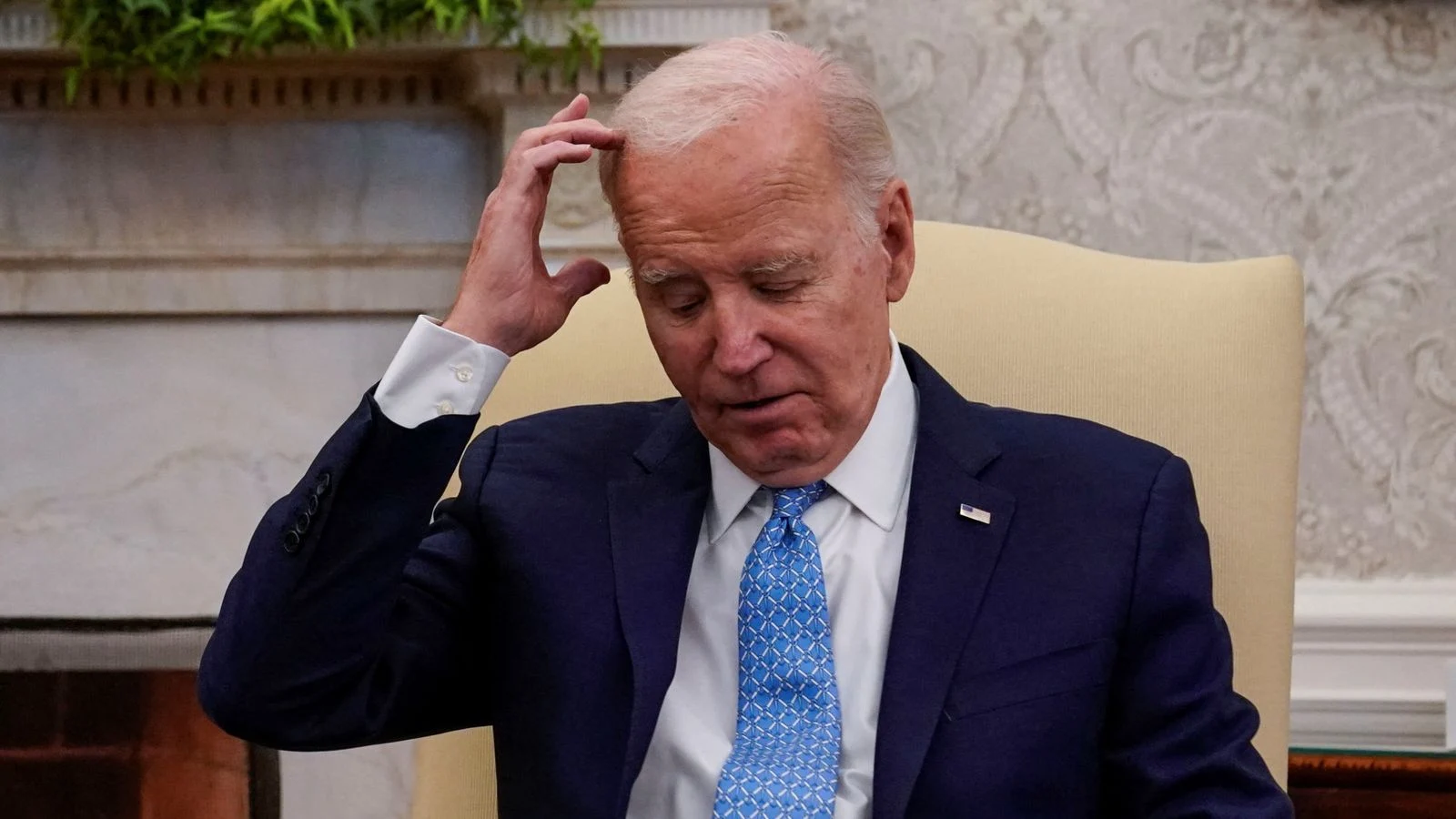
In one of the recorded moments, Joe Biden seems to lose the thread of the conversation and acknowledges that he cannot remember what he wanted to ask. In another, he asks Zwonitzer to wait while he reviews his notes and later admits that the material is confusing him. These episodes constitute a concerning signal about the mental state of the then former vice president, who had just left the administration of Barack Obama.
The president of the ''Oversight Project'', Mike Howell, stated that the recordings confirm suspicions that had been ignored for years. Howell criticized the number of pauses and hesitations present in the audios and argued that Biden was already showing signs of cognitive decline when he began working on his memoirs.
The content of the recordings also brings back into scrutiny the investigation into classified documents that Biden retained after leaving the vice presidency in 2017. The material had previously been examined by then special prosecutor Robert Hur during an investigation conducted between 2023 and 2024.
According to Hur's report, Biden retained and disclosed classified materials after leaving the vice presidency. However, the special prosecutor decided not to file charges against the then president, arguing that he would likely present himself to a jury as an elderly man, well-intentioned and with memory problems, a characterization that sparked significant political controversy.
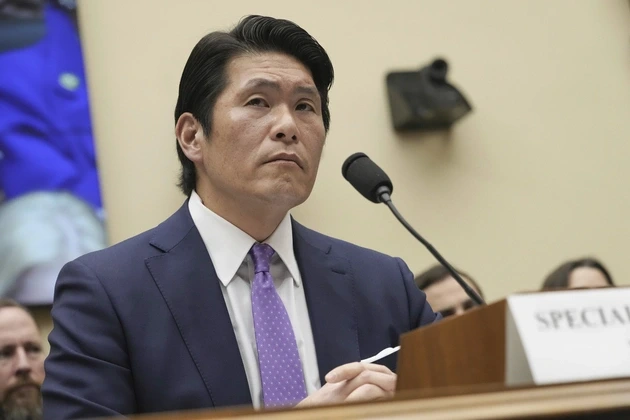
Special prosecutor Robert Hur conducted an investigation during 2023 and 2024 but decided not to charge Biden, trusting that he would present himself before a jury
The new audios could fuel criticism from those who believe that the decision not to prosecute Biden established a double standard in the treatment of classified documents. In some of the recordings, Biden seems to warn the writer that certain materials could contain classified information and asks him to be careful with them.
In another excerpt, while reviewing documents, Biden apparently identifies material he considers classified. Additionally, the conversations include references to potentially sensitive meetings held during his time as vice president, including encounters with intelligence officials, meetings in the White House Situation Room, and briefings from the former Department of Defense.
One of the most questioned episodes corresponds to a recording from October 2016, in which Joe Biden claims to have kept extensive notes from an earlier period without others knowing he had them. His critics argue that this statement raises questions about how he handled documents and notes related to national security matters.
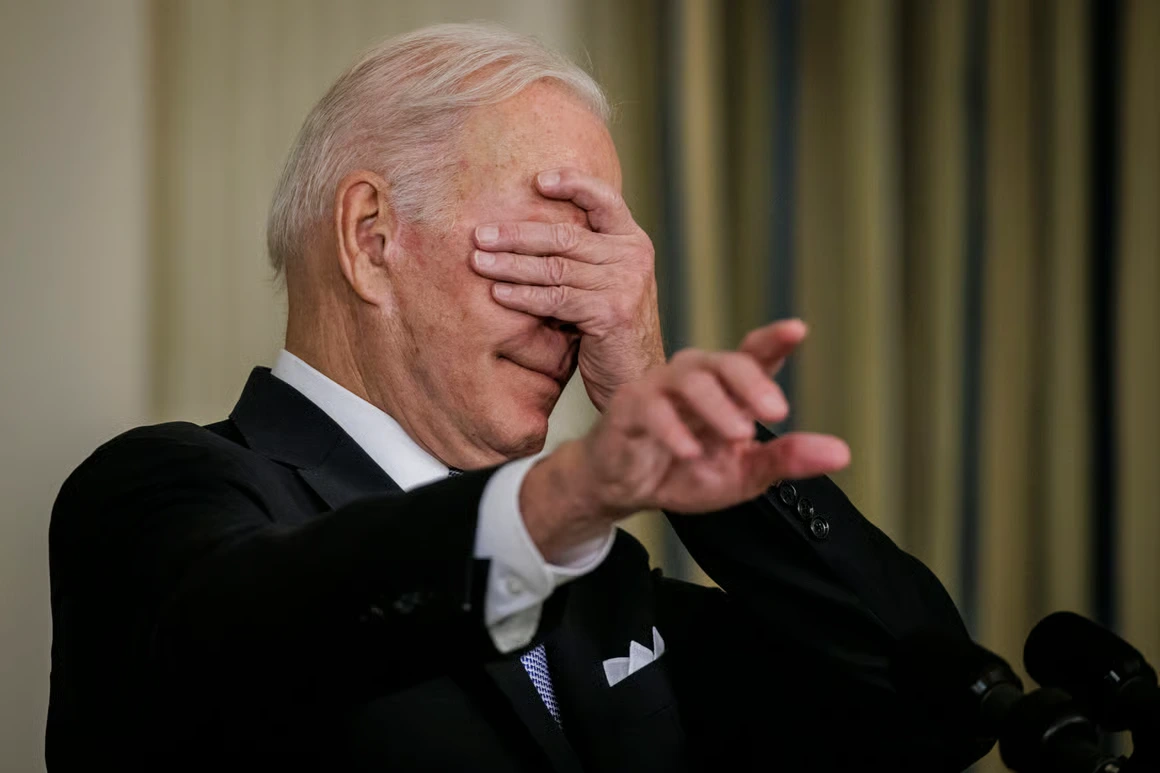
During a segment of one of the conversations, Biden claimed to have notes from an earlier period without anyone being aware of the facts
The ''Oversight Project'' argues that the magnitude of the potentially classified information disclosed in the conversations is much greater than previously known. The group pointed out that the censored parts of the audios could correspond to discussions about sensitive information and questioned why the public cannot know the full content of the recordings.
Jeff Clark, vice president of the group, directly accused Joe Biden of revealing secret information to a person who was not authorized to receive it and linked those actions to the economic benefits obtained by the former president through his memoirs. Clark stated that Americans demand accountability and questioned why Biden's lawyers had fought for so long to prevent the disclosure of the audios and transcripts.
The release of the audios could intensify the political debate over transparency and accountability in the Biden administration, especially in light of accusations that doubts about his memory and cognitive ability were minimized for years.