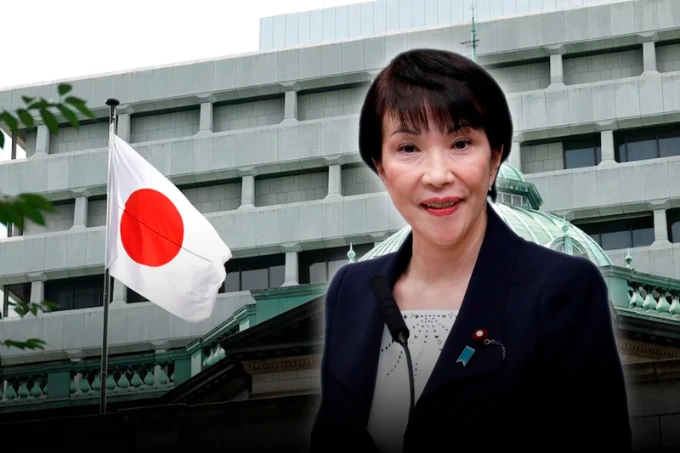

La Derecha Diario logoLa Derecha Diario logo
ESX logoInstagram logoYouTube logoTikTok logoFacebook
ARGENTINAUNITED STATESECUADORISRAELMEXICODERECHA DIARIO TV
  • ES
    XInstagramYouTubeTikTokFacebook
  • DERECHA DIARIO TV
  • Sections
  • ARGENTINA
  • UNITED STATES
  • ECUADOR
  • ISRAEL
  • MEXICO
  • URUGUAY
  • Countries
  • La Derecha Diario logoLA DERECHA DIARIO
  • La Derecha Diario México logoLA DERECHA DIARIO MÉXICO
  • La Derecha Diario Uruguay logoLA DERECHA DIARIO URUGUAY
  • La Derecha Diario Ecuador logoLA DERECHA DIARIO ECUADOR
  • La Derecha Diario Israel logoLA DERECHA DIARIO ISRAEL
  • La Derecha Diario Estados Unidos logoLA DERECHA DIARIO ESTADOS UNIDOS
  • Topics
  • GUERRA EN IRÁN
  • The Newspaper
  • QUIENES SOMOS
  • AUTORES
  • PUBLICIDAD
  • DONAR

Japan considers raising interest rates amid inflationary pressure

Japan considers raising interest rates amid inflationary pressure
Imagen de Editorial Team
porEditorial Team
Argentina

The Bank of Japan would keep rates at 1% while assessing new hikes due to rising inflation and the weakness of the yen

Add La Derecha Diario on
Share:

The Bank of Japan (BOJ) is set to keep its benchmark interest rate unchanged at 1% during its monetary policy meeting that will conclude this Friday, although it is expected to adopt a firmer tone to leave open the possibility of further hikes in the coming months. The institution faces increasing inflationary pressure driven by the weakness of the yen, rising import costs, and strong global demand linked to the artificial intelligence sector.

The decision comes amid a context of high economic uncertainty due to the war in the Middle East and its potential effects on energy prices. Although recent signs of moderation in oil impact have reduced the risk of an immediate inflation shock, the Japanese central bank (BOJ) remains concerned about the possibility that rising production costs will eventually be passed on to consumers.

The BOJ governor, Kazuo Ueda, faces a delicate balance. On one hand, he needs to convey a sufficiently firm message to contain pressures on the yen and avoid markets interpreting that the central bank has abandoned its strategy of monetary normalization. On the other, he must avoid generating a confrontation with the government of Prime Minister Sanae Takaichi, whose administration has shown reservations about a too-rapid tightening of monetary policy.
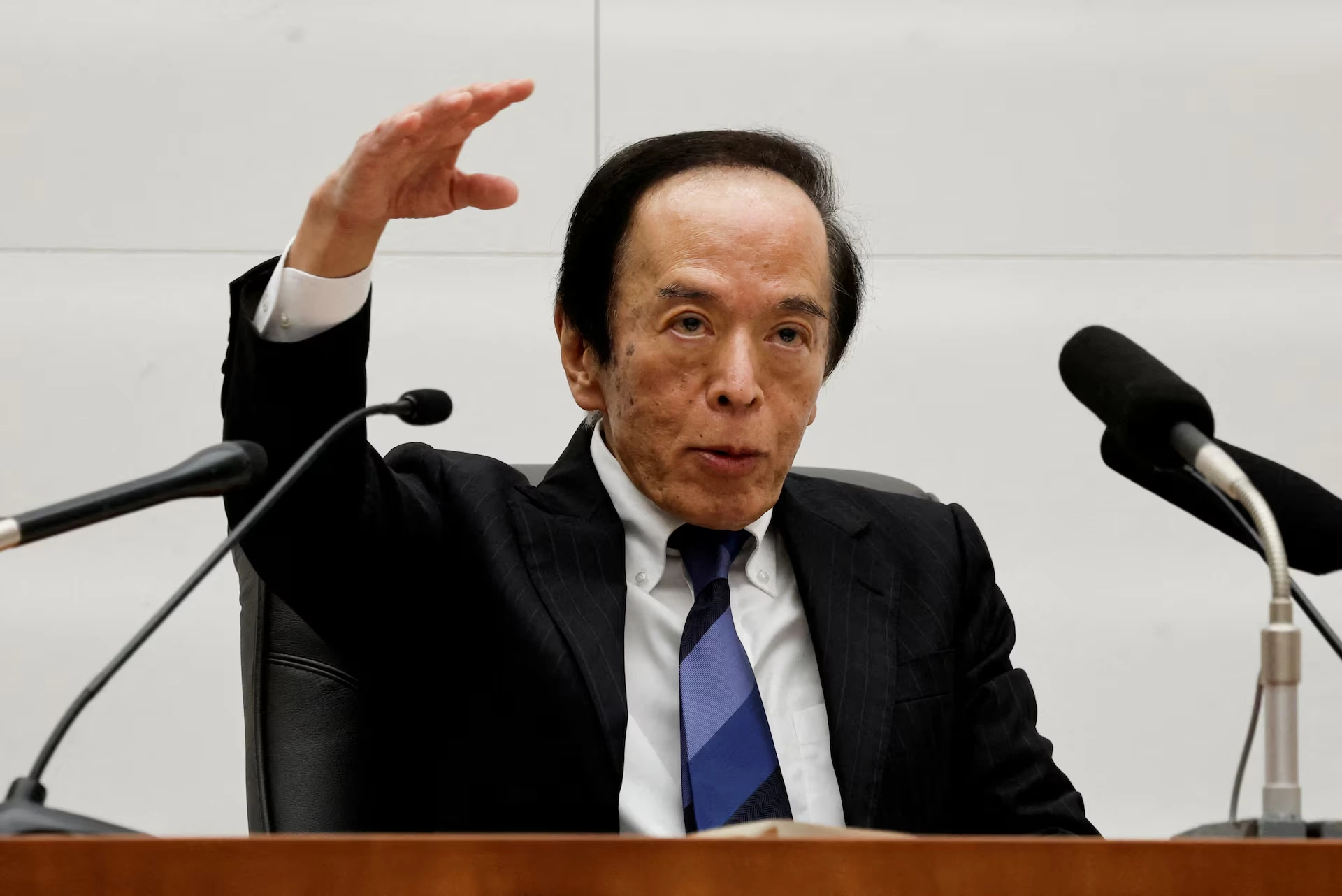
The director of the Japanese central bank must bring calm to the markets in the face of a strong weakening of the Yen

Banking sector analysts believe that the BOJ will likely maintain its assessment that the risks to inflation outlook are tilted to the upside. According to their estimates, the next rate hike could occur in December, although the timeline could be moved up to September or October if the central bank increases its concern over an excessive price rebound or if a persistent depreciation of the yen leads the government to consider a new hike inevitable.

The meeting will also be the first for Ayano Sato, who joined the BOJ board on June 30 as the second member appointed by Prime Minister Takaichi, considered an advocate of a more flexible monetary policy to support economic growth.

Markets will be particularly attentive to the central bank's quarterly economic outlook report and Ueda's statements after the meeting. According to media sources, the BOJ may revise its growth forecast for fiscal 2026 upward due to decreased fears of a severe impact from the war in the Middle East.

At the same time, the institution could lower its inflation forecast due to subsidies and the drop in oil prices compared to levels recorded in April. However, volatility in the energy market and rising import costs stemming from a weak yen could limit any downward revision.

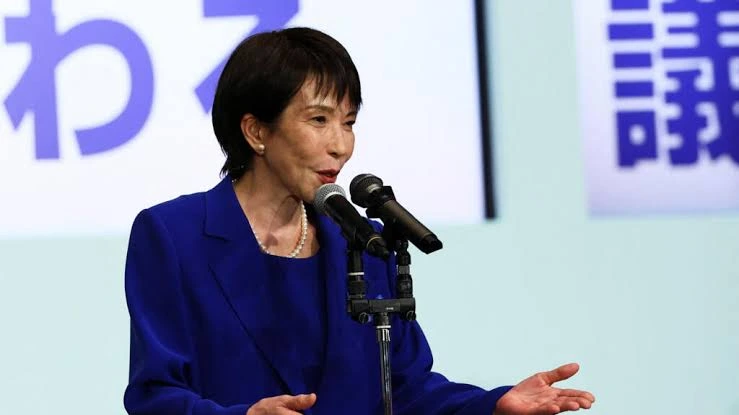
The war in the Middle East appears as one of the most relevant factors for economic uncertainty in Japan

The central bank may also indicate that both negative risks to growth and upside risks to inflation have decreased compared to three months ago. Nevertheless, it is expected to maintain its warning about the possibility of inflation exceeding its 2% target, especially after numerous companies announced new price increases for food and everyday products.

In April, the BOJ had forecast economic growth of 0.5% and a core consumer inflation of 2.8% for fiscal 2026.

Despite international uncertainty, arguments for new rate hikes are gaining strength. Some members more in favor of monetary tightening have called for accelerating the process to bring the benchmark rate closer to levels considered neutral for the economy.

Expectations for business inflation have also risen. The BOJ's Tankan survey showed that companies anticipate greater price pressures, while regional reports indicated that the conflict between the United States, Israel, and Iran is leading more companies to prepare for price increases during the second half of the year.

The Takaichi government seeks to implement a flexible monetary policy to boost economic growth

The weakness of the yen represents another challenge. The Japanese currency reached its lowest level against the dollar this month in four decades, as the rebound in oil prices and expectations of possible rate hikes in the United States strengthened the dollar.

The Takaichi government could become an additional factor of uncertainty, due to its bet on boosting growth through increased public spending and its intention for BOJ decisions to take into account official economic priorities.

In this scenario, upcoming inflation data will be crucial to determine when the next rate hike will occur. The BOJ seeks to keep its options open while assessing how much of the pressure generated by energy costs and the depreciation of the yen will ultimately be passed on to the Japanese economy as a whole.


La Derecha Diario logo
TwitterInstagramYouTubeTikTokFacebook
Derecha Diario TV

Nosotros

  • Quienes Somos
  • Autores
  • Donar

Privacidad

  • Protección de datos
  • Canales
  • Sitemap
  • RSS

Contacto

  • info@derechadiario.com.ar
PUBLICIDAD

Related news

Milei will attend Keiko Fujimori's inauguration in Peru and will receive an Honoris Causa from a prestigious university

Milei will attend Keiko Fujimori's inauguration in Peru and will receive an Honoris Causa from a prestigious university

Hundreds of pro-Palestine and pro-England accounts fueled the hate campaign against Argentina

Hundreds of pro-Palestine and pro-England accounts fueled the hate campaign against Argentina

The ice cream shop Lucciano's will invest USD 12 million and open 40 locations in Argentina

The ice cream shop Lucciano's will invest USD 12 million and open 40 locations in Argentina

New recordings of Democrat Joe Biden raise doubts about his handling of classified information

New recordings of Democrat Joe Biden raise doubts about his handling of classified information

They fired the woke CEO of Cracker Barrel after last year's disastrous progressive rebranding

They fired the woke CEO of Cracker Barrel after last year's disastrous progressive rebranding

Donald Trump demanded that the Senate keep sessions open until they pass the "SAVE America" law

Donald Trump demanded that the Senate keep sessions open until they pass the "SAVE America" law