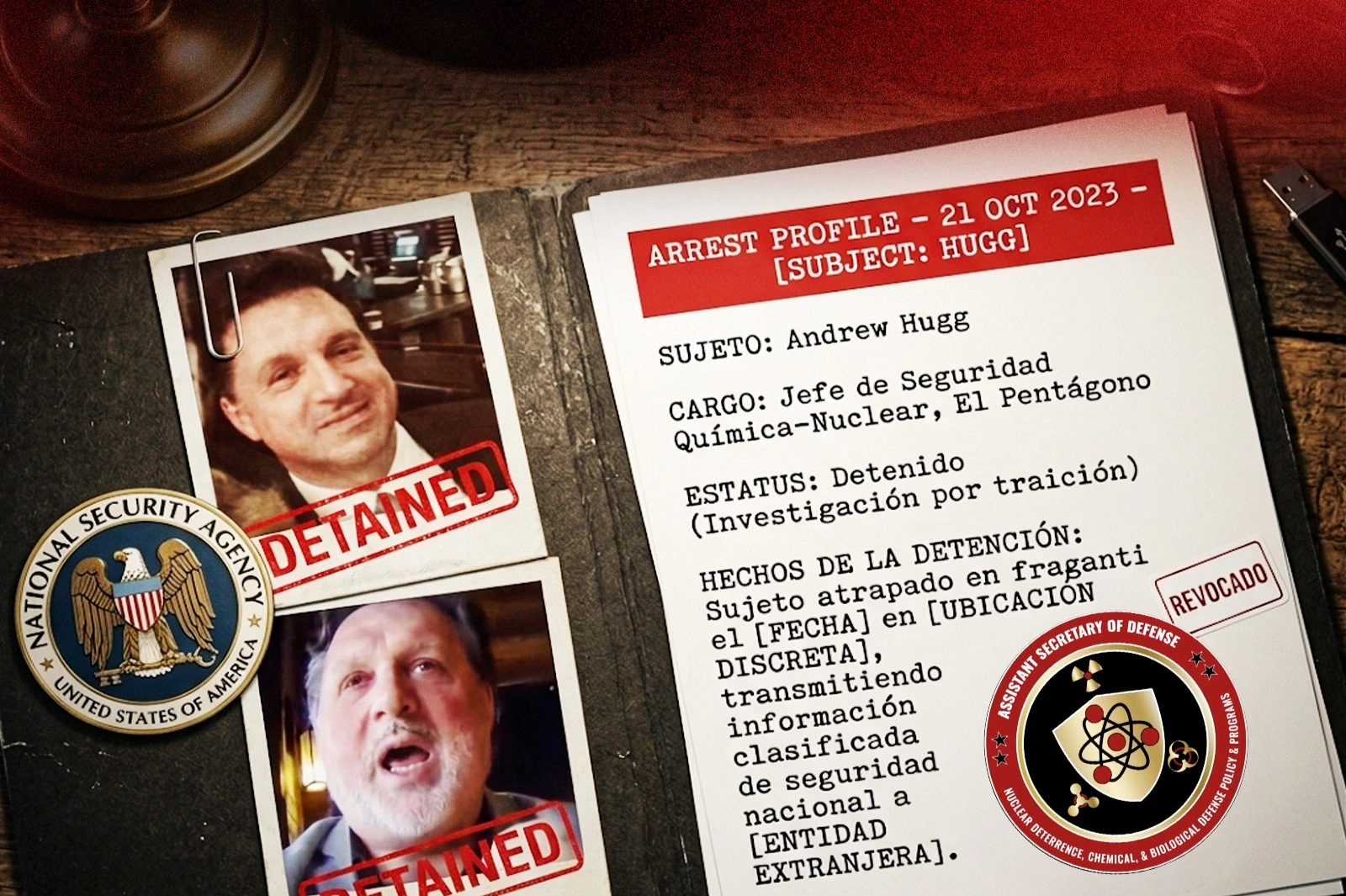
Andrew Hugg, a United States nuclear official, was identified in an independent report revealing strategic secrets
Nuevo
Agregar La Derecha Diario en
Compartir:
Andrew Hugg, identified in reports as an official responsible for chemical and nuclear safety in the United States, is at the center of a controversy after the release of a covert video in which he allegedly revealed sensitive information during a conversation in a restaurant. The material was published by “O'Keefe Media Group” and has raised concerns about the possible scope of the statements and the implications for national security
.
In the recording, Hugg, described as “'Chief of Nuclear Chemical Safety', appears talking to a person who later identified himself as an undercover journalist. During the conversation, the official would have addressed issues related to military capabilities, operations abroad and high-level strategic processes. Among the most sensitive statements, he argued that the United States would still possess nerve agents, a statement that, if confirmed, could contradict
international commitments on chemical weapons.
The material also includes references to military operations in Iran. In that context, Hugg would have acknowledged that U.S. air strikes caused the death of minors, calling it “collateral damage”. These statements, made outside institutional channels, have reactivated the debate on transparency in military actions and the management of information related to international conflicts
. Andrew Hugg, a US nuclear official, was filmed revealing sensitive information about military strategies Another controversial aspect is the apparent explanation of how decisions are made in real time about the use of strategic weapons, including nuclear capabilities.
Although the official states in the recording that the United States has no intention of using nuclear weapons, “we are not going to nuclear anyone”, the fact of discussing these processes in a public environment has been interpreted as a possible violation of security protocols
.
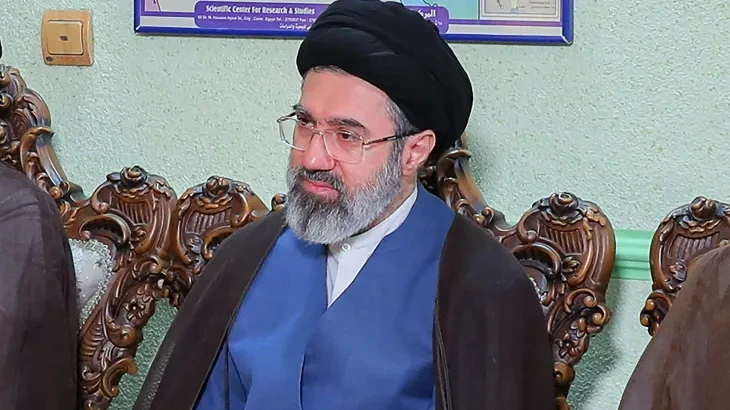
The conversation also addresses issues related to politics towards the Iranian leadership. Hugg has reportedly suggested that the United States could consider lethal action against Mojtaba Khamenei if it doesn't change its behavior. However, so far there is no official confirmation that this statement represents a real policy of the U.S. government.
The video also includes personal comments addressed to the undercover journalist, with references to alleged intelligence tactics and expressions considered inappropriate. This component has increased criticism of the official, questioning their professional judgment and behavior in informal environments
. Hugg revealed information about possible lethal actions against the dictator Mojtaba Khamenei
Following the publication of the material, the United States Army confirmed that Hugg was placed on administrative leave while an internal investigation is being carried out. Spokeswoman Cynthia O. Smith indicated that a comprehensive review is under way to determine the veracity of the statements and to evaluate if there were any violations of confidentiality or security regulations
.
The case has raised questions about control mechanisms within defense institutions and the possibility of sensitive information being disclosed outside appropriate channels. It has also reopened the debate on the role of undercover investigations in exposing potential institutional flaws, as well as their legal and ethical implications
.
The ongoing investigation will be key to clarifying the facts, determining responsibilities and establishing if classified information was compromised or if the statements correspond to personal opinions without official support. Meanwhile, the case continues to generate media and political attention surrounding American national security
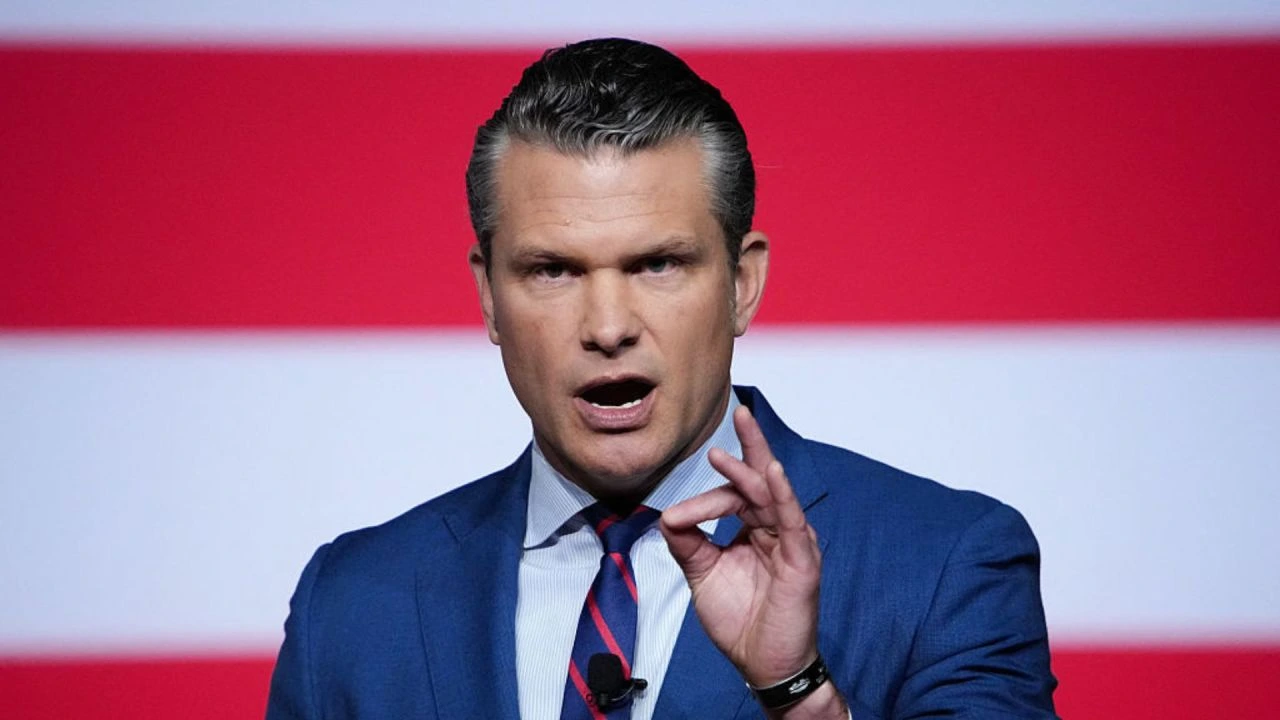
. The War Department announced that Hugg was placed on leave while an investigation is underway.