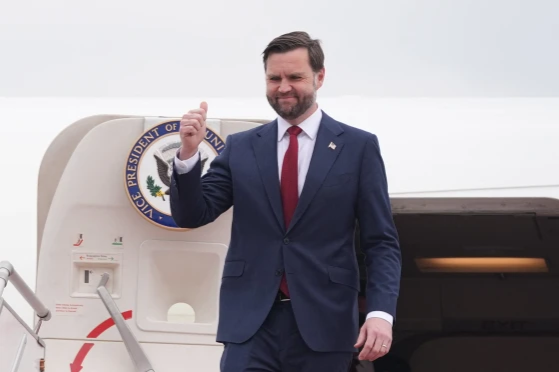
The vice-president referred to the Iranian refusal after 21 hours of negotiation.
Nuevo
Agregar La Derecha Diario en
Compartir:
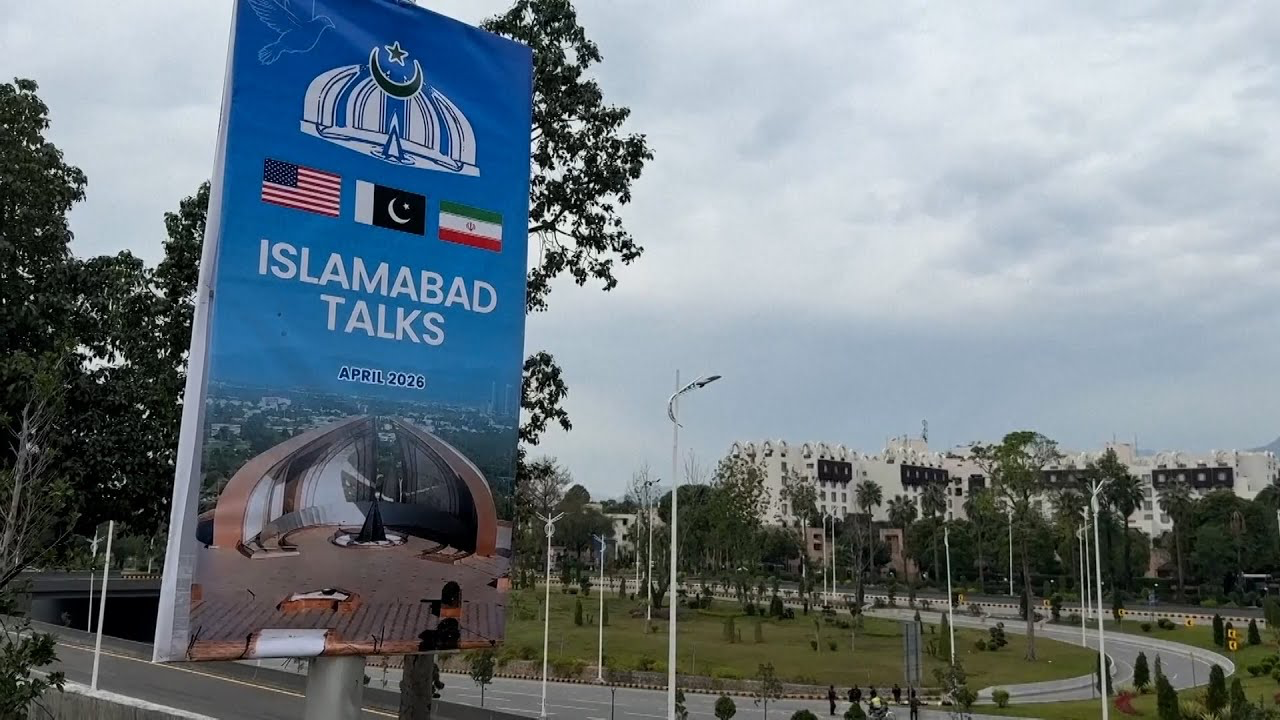
After more than 21 hours of talks in Pakistan - the highest-level direct negotiations between the United States and Iran since the 1979 Islamic Revolution - the Vice President of the United States, JD Vance, categorically stated that the Iranian regime refused to accept fundamental demands and American red lines.
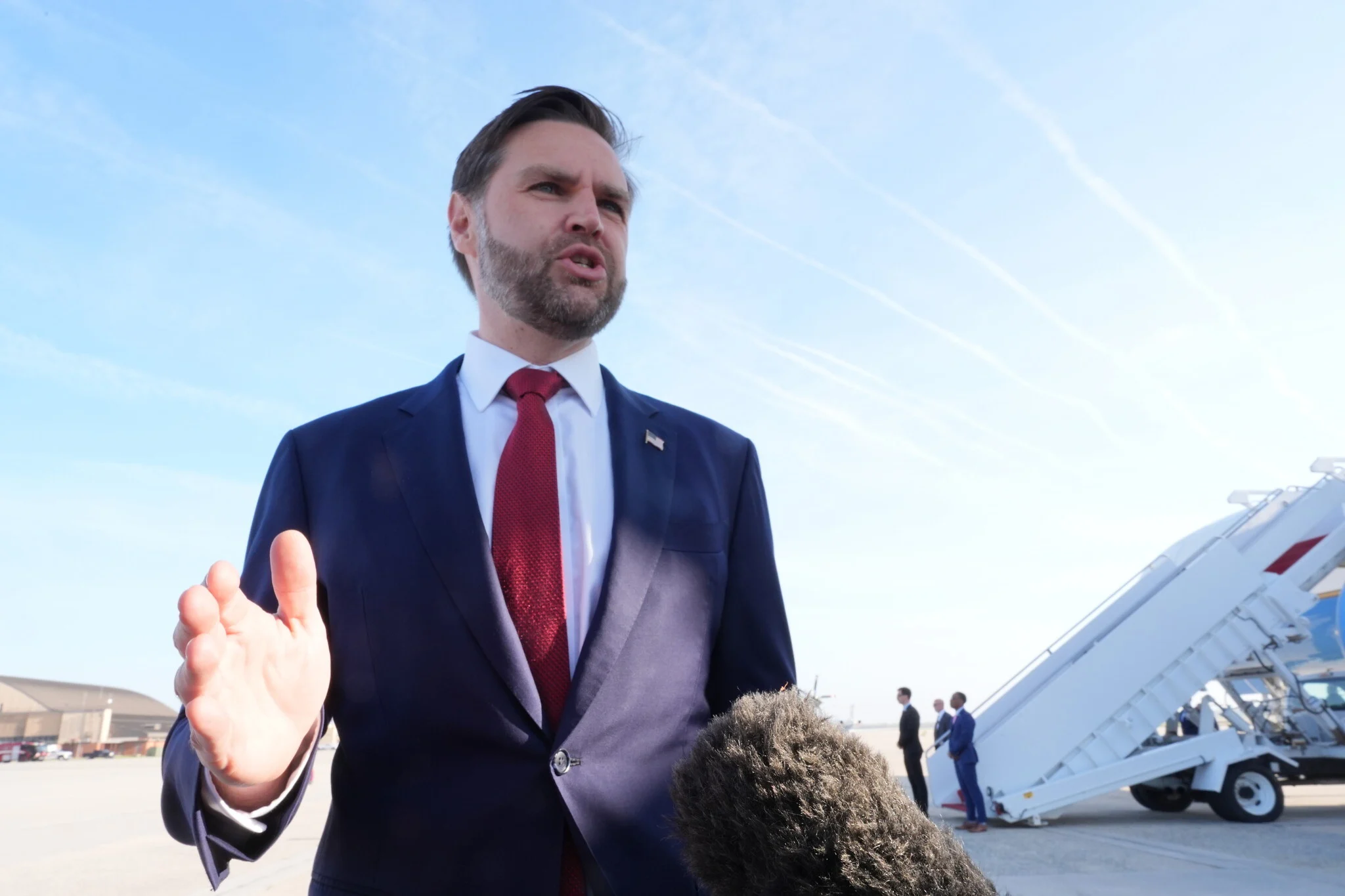
“We have been at this for 21 hours and have had a series of substantive discussions with the Iranians. That's the good news,” Vance said. “The bad news is that we haven't reached an agreement. And I think that's much worse news for Iran than it is for the United States of America.”
“So we returned to the United States not having reached an agreement”, was the phrase used by Vance in his press briefing.
“We have made it very clear what our red lines are, on what things we are willing to give in and on what things we are not, and we have expressed this as clearly as possible,” Vance said. “Iran may have chosen not to accept our terms.”
Although number two in the White House did not go into details, the Iranian regime refused to reach an agreement on certain terms. “But the simple fact is that we need to see an affirmative commitment that they will not seek a nuclear weapon, nor the tools that would allow them to obtain it quickly. That is the main objective of the President of the United States, and that is what we have tried to achieve through these negotiations,” said Vance
.
However, the vice president seems to remain optimistic that Iran will eventually return to the negotiating table under the weight of US economic and military pressure. The number two in command of the superpower considered that it is now up to the theocracy to reach an agreement that will end
the war. “Our red lines are not negotiable”: Vance spoke after failing to reach an agreement with Iran at the summit in Islamabad
Iran must commit not to developing a nuclear weapon
For the former senator from Ohio, a firm and verifiable commitment that the regime will never develop a nuclear weapon is a requirement for any lasting agreement. And because the regime refused to provide that guarantee, the sources say, this is what ultimately stalled progress
.
“The President told us: 'They must go there in good faith and do their best to get a deal. ' That's what we did and, unfortunately, we couldn't make any headway,” Vance said
.
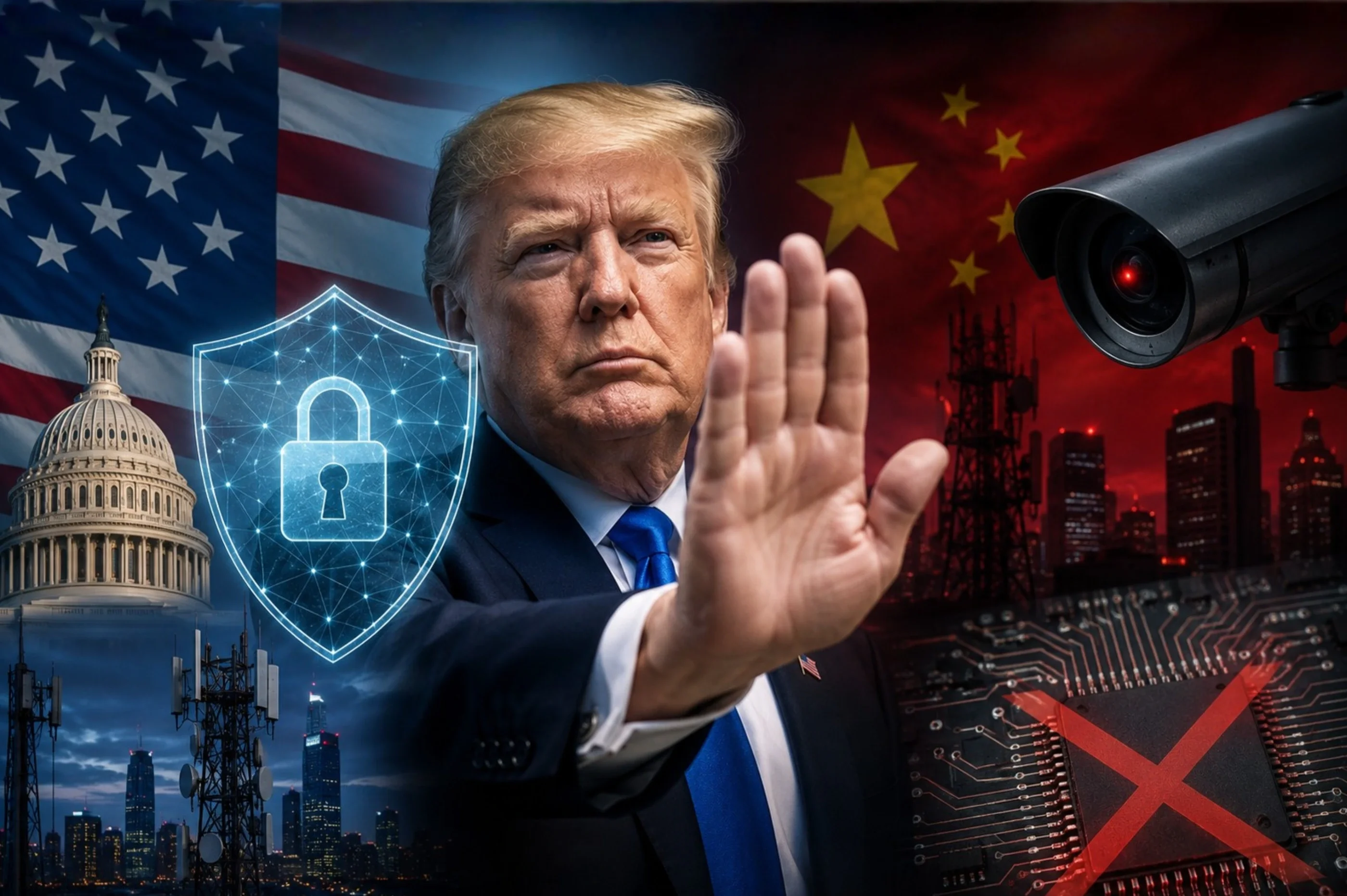
Trump warned of devastating consequences if the regime did not negotiate in good faith. In addition, the president had previously told reporters that China would face repercussions if it supports Iran's military efforts