The growing discontent of rural regions in California with the Democratic political dominance was once again evident this week, after two northern counties of the state moved forward with symbolic resolutions to support a Republican proposal that seeks to divide California into two separate states.
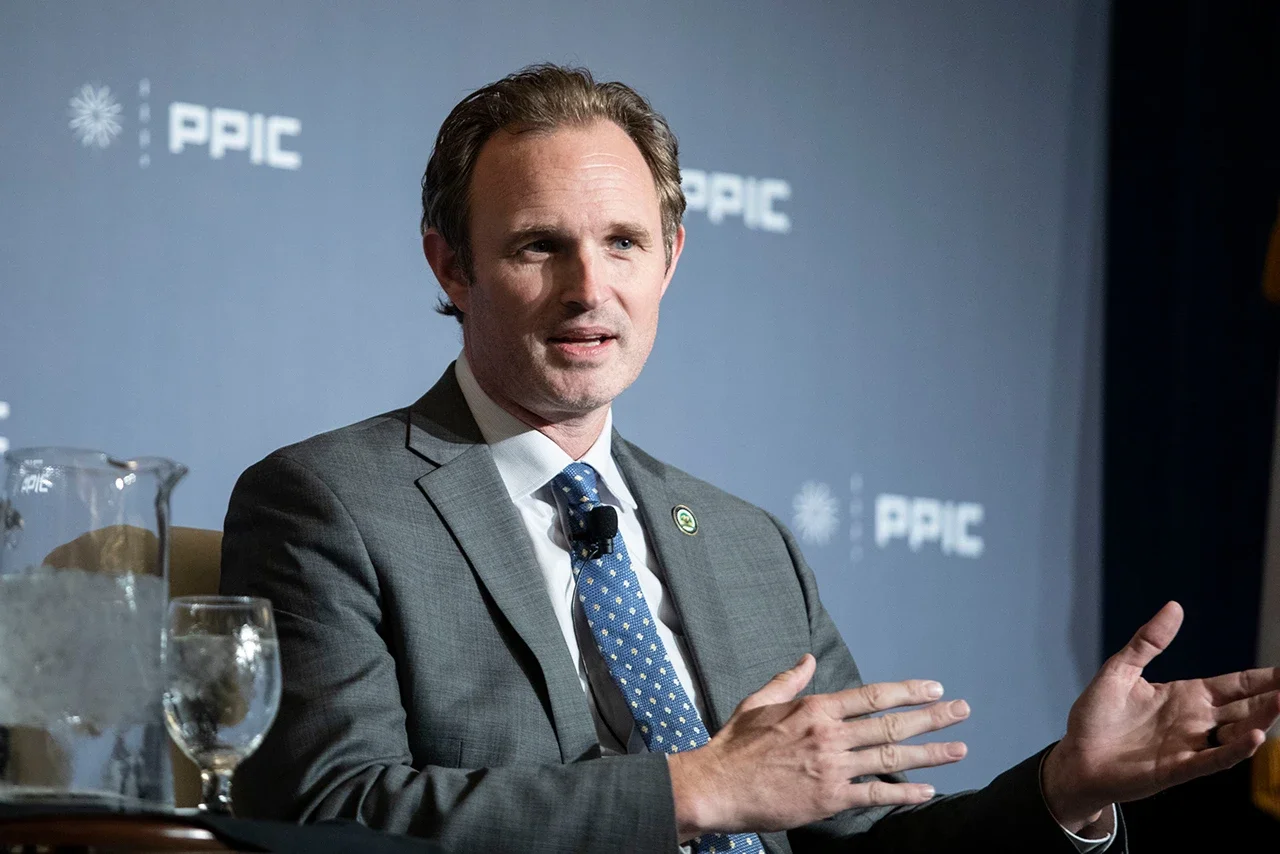
The Yuba County supervisors approved a resolution on Tuesday in support of the initiative led by Republican leader James Gallagher, while the neighboring Sutter County was set to debate and vote on a similar measure in the afternoon. Both territories encompass large rural areas north of Sacramento and are part of the conservative bloc that has long complained of feeling ignored by the state government controlled by Democrats.
The proposal emerged amid controversy over the redistricting promoted by Democratic Governor Gavin Newsom, accused by Republicans of politically favoring his party through a redesign of congressional maps.
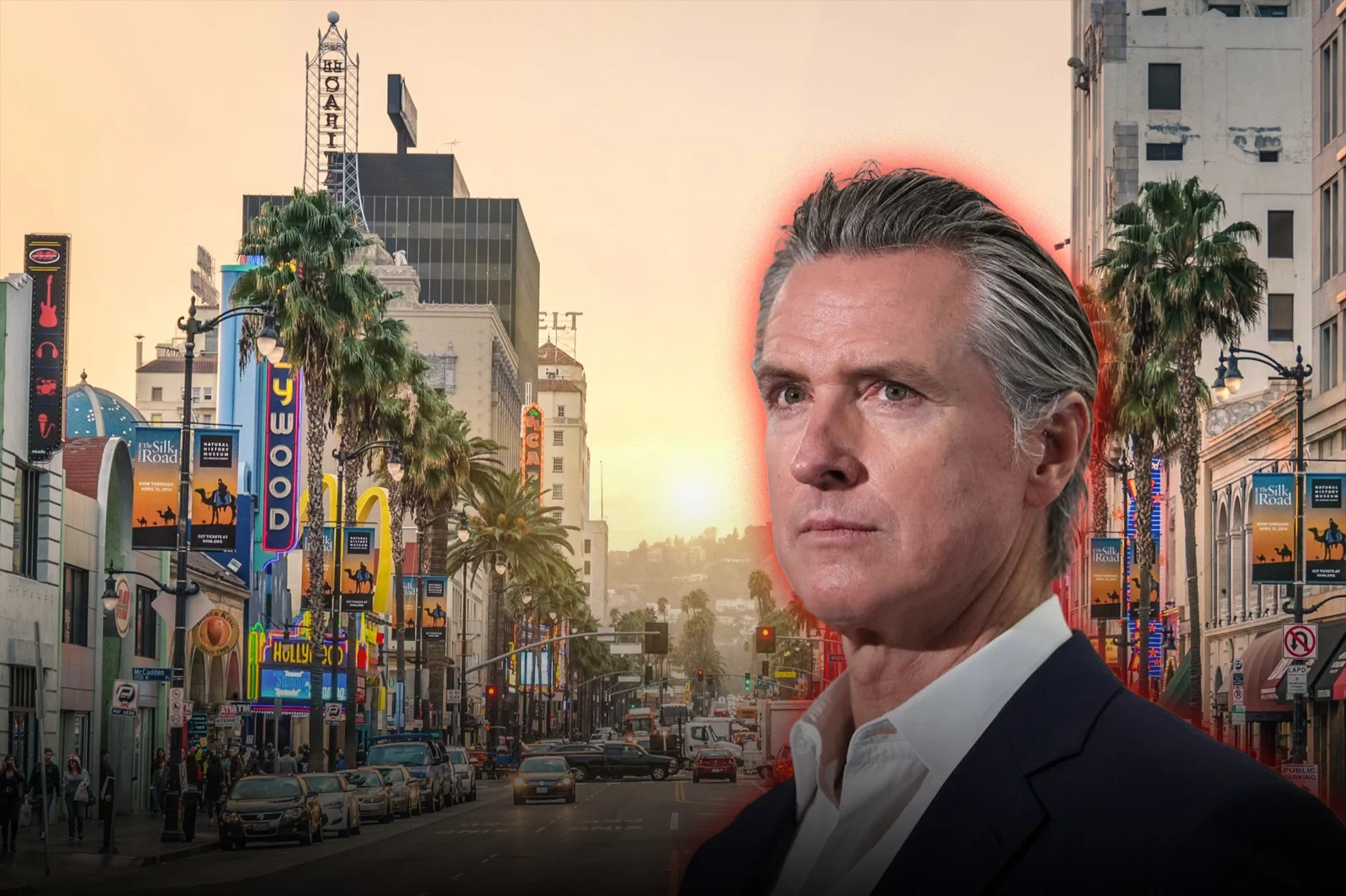
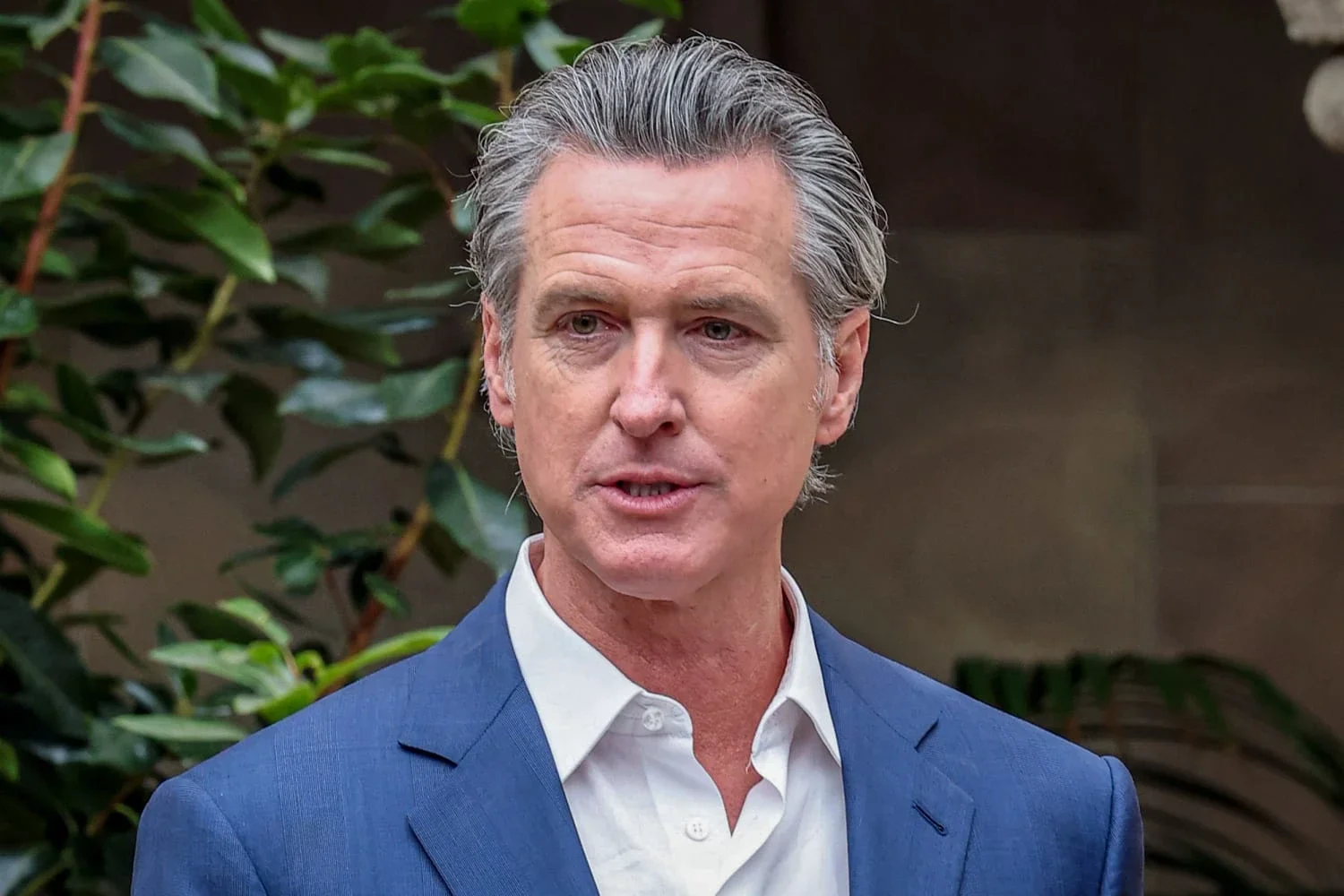
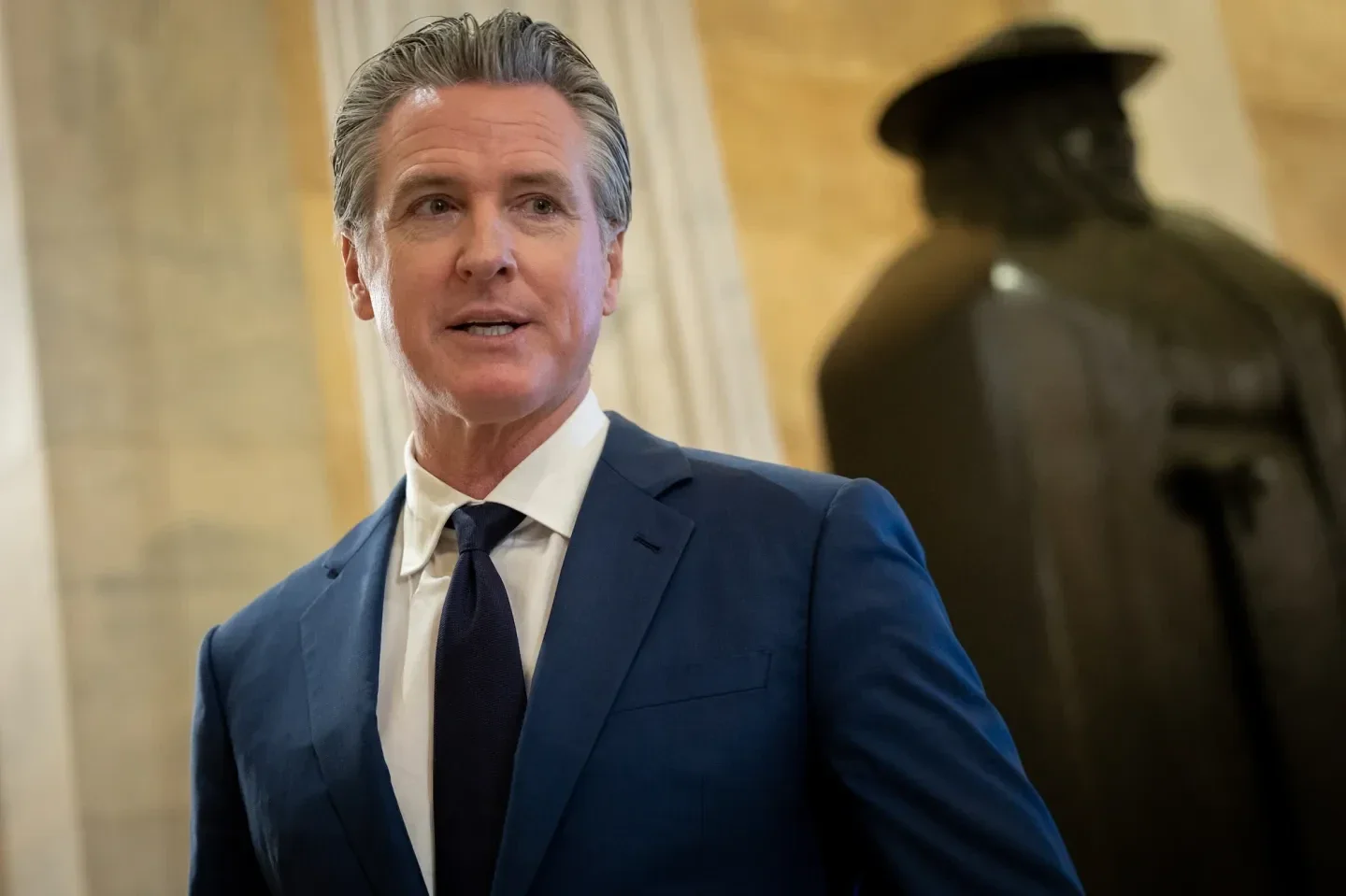
The Democratic governor of the state of California, Gavin Newsom, faced harsh criticism from rural sectors.
In light of this scenario, Gallagher presented a legislative initiative last year that proposes to divide California into two distinct states. According to the project, the 35 interior counties, including much of the rural north, the Sierra Nevada, the Central Valley, and the ''Inland Empire,'' would form a new state separate from the large coastal cities dominated by Democratic progressivism, such as Los Angeles and San Francisco.
''This morning I am saying: 'Gavin, let my people go,'' Gallagher stated during the proposal presentation. ''We want a better path and we can no longer accept a government that does not give us a voice''.
Although the initiative still has little chance of succeeding in a state legislature largely dominated by Democrats, the support expressed by Yuba and Sutter reflects the deep discontent that exists in many rural communities with the policies pushed from Sacramento.
Several Republican sectors in rural areas of California intensified efforts to split the Golden State into two different states.
Local leaders particularly questioned the economic management of Newsom's government and the use of public resources on projects considered costly failures. Yuba County Supervisor Andy Vasquez Jr. harshly criticized state spending and accused the Democratic administration of prioritizing urban interests while rural regions are left behind.
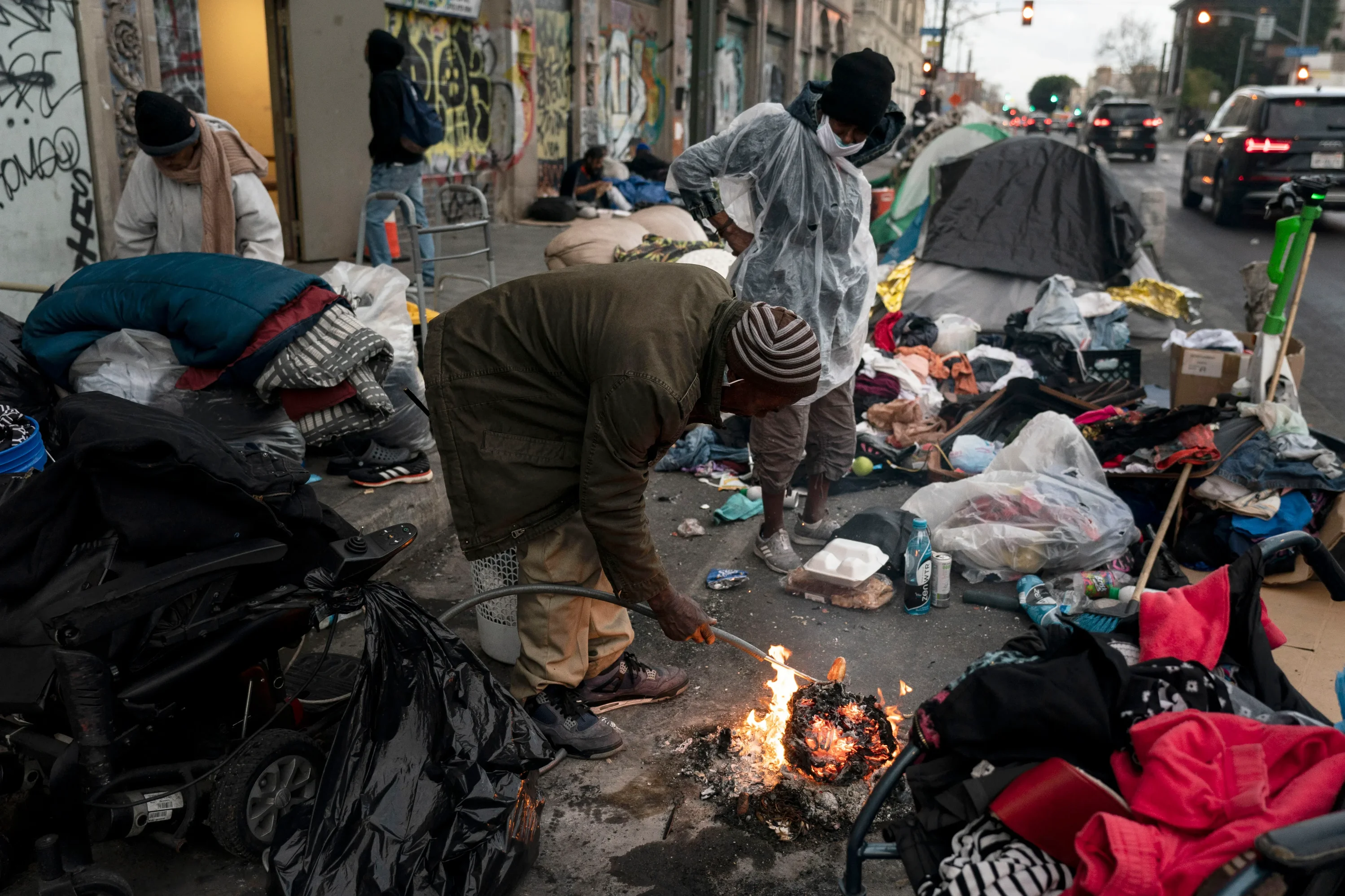
''If you look at the funds that Gavin Newsom has wasted, both on the high-speed train that goes nowhere and on the homelessness crisis, the level of corruption in this state is incredible,'' Vasquez stated. ''We are governed by San Francisco and Los Angeles. We have no choice''.
The criticisms reflect an increasingly deep divide between urban and rural areas of California. While coastal cities continue to support progressive policies, many agricultural communities and small towns feel that their needs are completely subordinated to the political agenda of the large metropolises.
The interior of the western state has criticized the influence that cities like Los Angeles and San Francisco have on political decisions.
Another Yuba County supervisor, Renick House, asserted that rural territories have been demanding a fairer distribution of the tax revenues they generate. He claimed that interior counties must spend enormous amounts of money on lobbying to obtain basic resources that they should receive automatically.
''Representation would be much better if we could have a state that truly represented rural counties, without having to spend millions and billions on lobbying to get what we should already receive,'' House stated.
The Republican proposal is also supported by the growing political weariness of Newsom among conservative and moderate sectors, who question his management in the face of issues such as the rising cost of living, insecurity, the homelessness crisis, and the exodus of businesses and families to states with lower taxes and regulations.
From the governor's office, they downplayed the initiative and labeled it as a political maneuver with no future. ''A person seeking to divide California does not deserve to hold public office in the Golden State,'' Newsom's circle previously stated. ''It's a political spectacle that will go nowhere''.
However, for many residents of inland California, the debate is no longer limited to a symbolic proposal. They assert that it represents a sign of the growing rejection of decades of Democratic dominance and an expression of frustration with a political system they consider increasingly distant from the rural reality of the state.
Despite the California Democratic government's attempts to downplay the efforts of rural sectors to gain independence, the residents of the interior already see these efforts as much more than a symbolic proposal.