In a unanimous decision, the ruling strengthens freedom of association and allows state subpoenas to be challenged in federal courts
Nuevo
Agregar La Derecha Diario en
Compartir:
The Supreme Court of the United States issued a unanimous ruling that significantly reinforces the protection of freedom of association under the First Amendment, finding that an investigation by the state of New Jersey against a pro-life resource center for pregnant women violated constitutional rights. The decision, adopted by 9 votes to 0, represents a victory for pro-life organizations and establishes clear limits to the capacity of states to demand sensitive information from ideological or religious groups
.
The case, “First Choice Women's Resource Centers v. Davenport,” pitted the organization “First Choice Women's Resource Centers”, a non-profit religious entity that offers services such as free ultrasound and support to pregnant women, but that does not perform abortions or refer to abortion clinics, against the then Attorney General of New Jersey, Matthew Platkin. The conflict arose when the state issued a subpoena requiring the organization to provide detailed data on approximately 5,000 donors, as part of an investigation into alleged
deceptive practices towards consumers.
The state measure was justified as part of an investigation into whether pregnancy centers could be misleading women seeking information about reproductive options. However, the organization argued that the requirement to disclose donor information violated their right to freedom of association and could dissuade people from supporting sensitive causes for fear of exposure
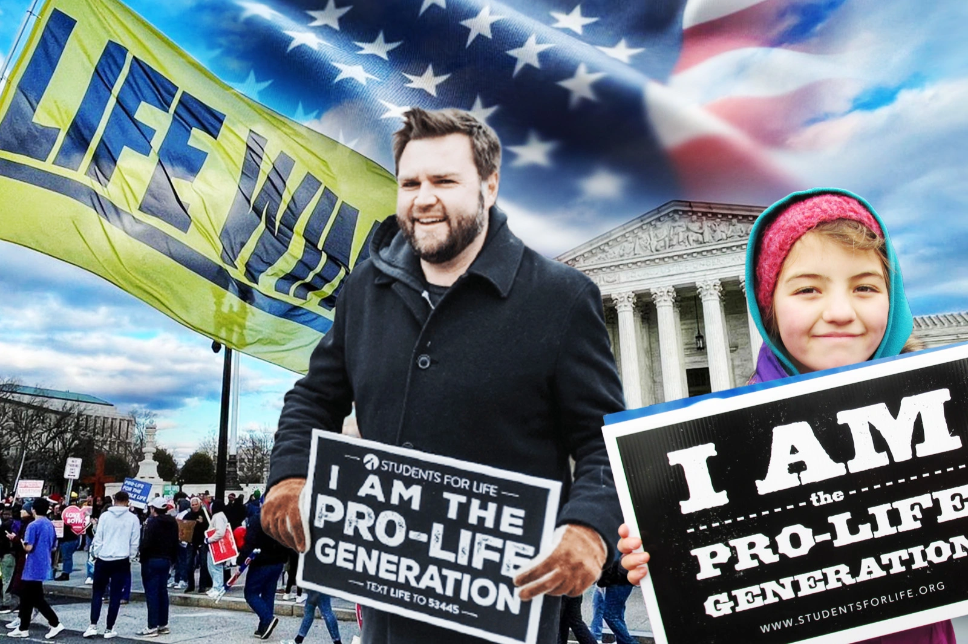
or retaliation. The former Democratic Attorney General of New Jersey sought to force pro-life organizations to hand over patient data
In his opinion, Judge Neil Gorsuch held that the state's order placed an unconstitutional burden on rights protected by the First Amendment. The court emphasized that even when information is requested only for government use and not for public dissemination, simply demanding it can have a dissuasive effect on citizen participation in
organizations with controversial positions.
One of the central elements of the ruling is the reaffirmation of the principle that freedom of association includes the right to maintain the confidentiality of an organization's members and donors. According to the Court, the possibility of the State accessing such information can inhibit the expression of minority or unpopular ideas, especially in polarized political or social contexts
.
The court also found that “First Choice” could directly challenge the subpoena in federal courts, without first exhausting the judicial process in New Jersey state courts, as the government maintained. This procedural point is relevant because it facilitates access to federal justice when potential constitutional violations are alleged, preventing plaintiffs from facing lengthy procedures that could aggravate
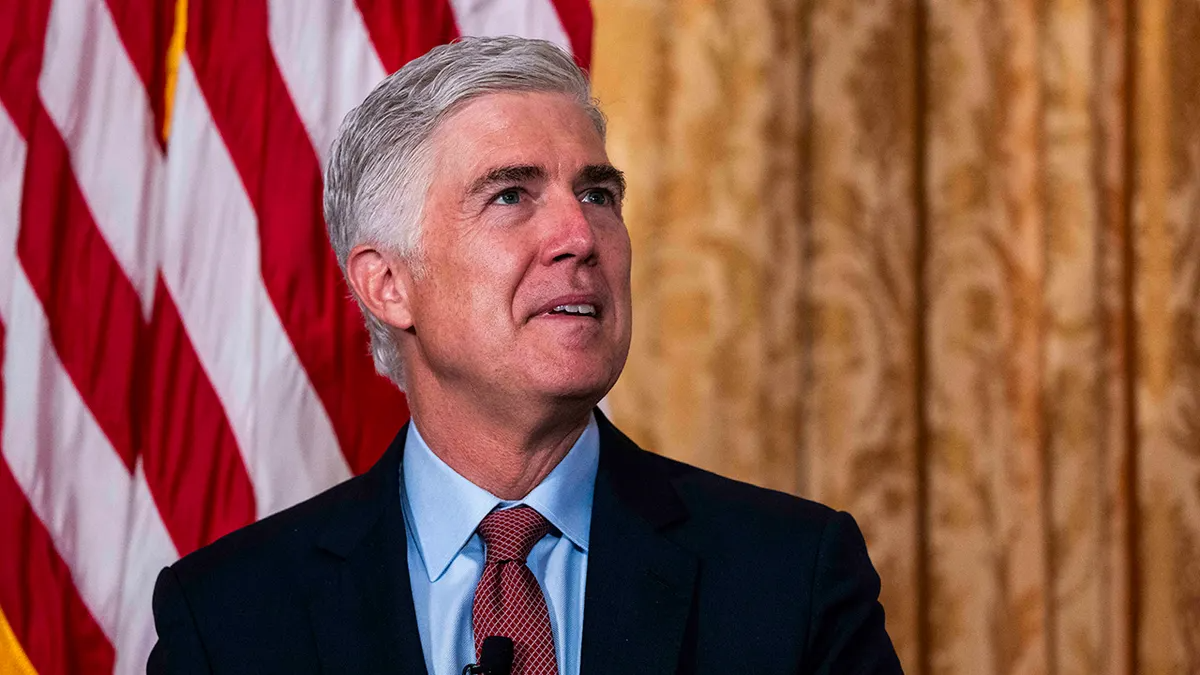
the harm to their rights. The Justice of the Supreme Court of Justice of the United States, Neil Gorsuch
In its reasoning, the Court compared the case to the historic precedent “NAACP v. Alabama”, which protected the right of the National Association for the Advancement of Colored People (NAACP) to keep the identity of its members secret in the face of pressure from the state of Alabama. In both cases, the judges emphasized that the forced exposure of affiliations or donations can have an inhibitory impact on participation in
constitutionally protected activities.
From a perspective favorable to the ruling, the decision reinforces the idea that the protection of associative privacy is a fundamental pillar of American democracy. Allowing the government to demand donor lists without strict justification could, according to this approach, open the door to abuses of power and indirect persecution of organizations with minority or unpopular ideological positions
.
In addition, the ruling sets an important limit to the actions of state prosecutors in investigations related to civil organizations. While states have the authority to investigate potential consumer fraud or deception, the Court made clear that such investigations must strictly respect constitutional rights and cannot be based on overly broad or intrusive lawsuits
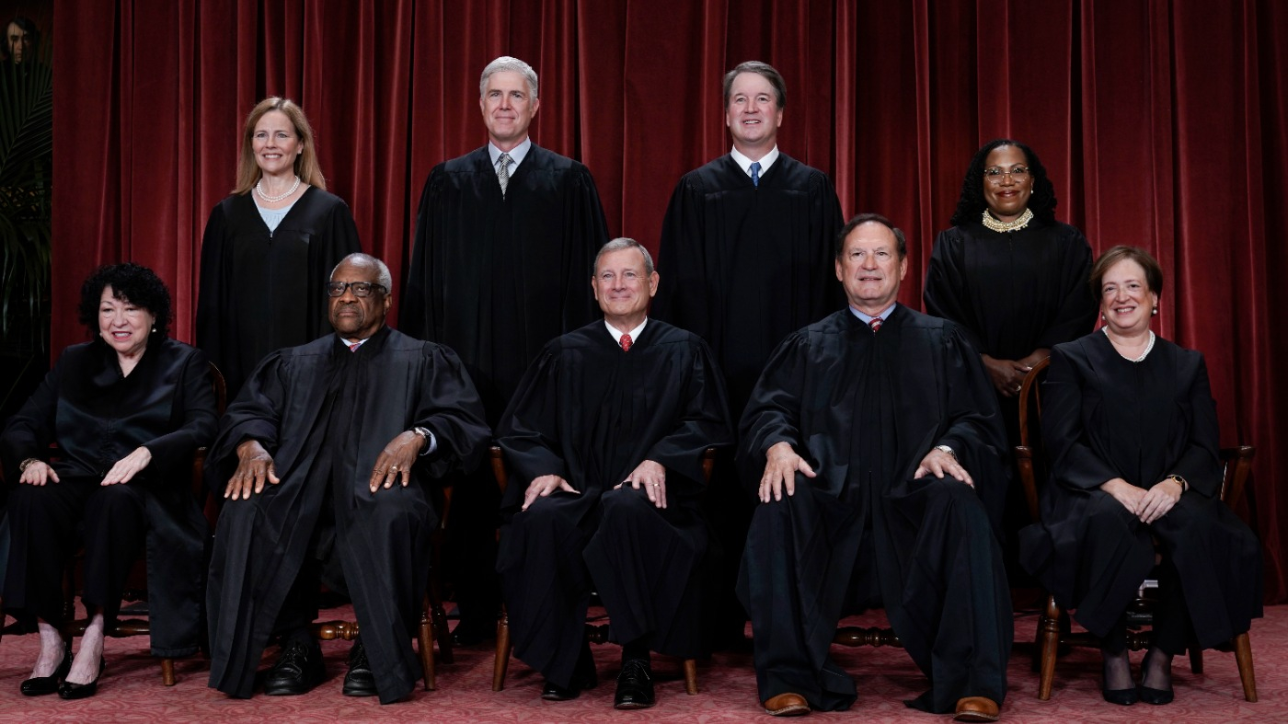
. The Supreme Court ruled in favor by a unanimous result of 9 votes in favor against none in opposition, giving an essential victory to pro-life organizations
Although the decision does not yet resolve the merits of the case, that is, whether or not the New Jersey investigation was legal in its entirety, it does allow “First Choice” to continue its lawsuit in federal courts, where it can challenge the subpoena
under more favorable conditions.
The unanimous Supreme Court ruling reinforces key precedents on freedom of association and privacy, while sending a clear signal about the limits of state power vis-à-vis civil organizations. It also establishes a legal framework that is likely to influence future similar cases, especially those in which regulatory interests of the State are confronted with constitutional rights of