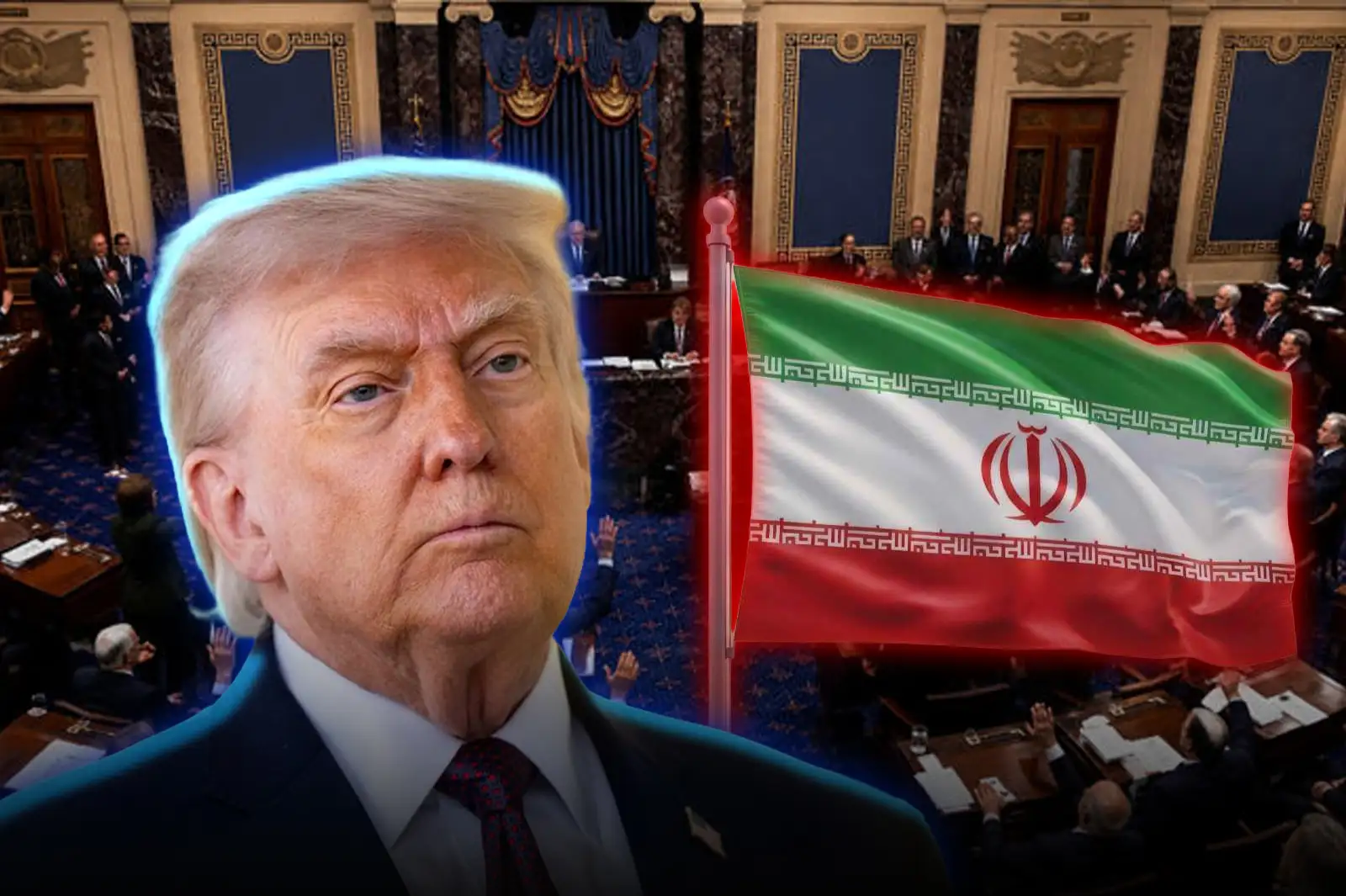
The United States Senate incorporated Iran into a bipartisan sanctions bill against Russia, a decision that reinforces President Donald Trump's strategy to increase economic pressure on Washington's adversarial governments and limit the funding sources of Moscow and Tehran.
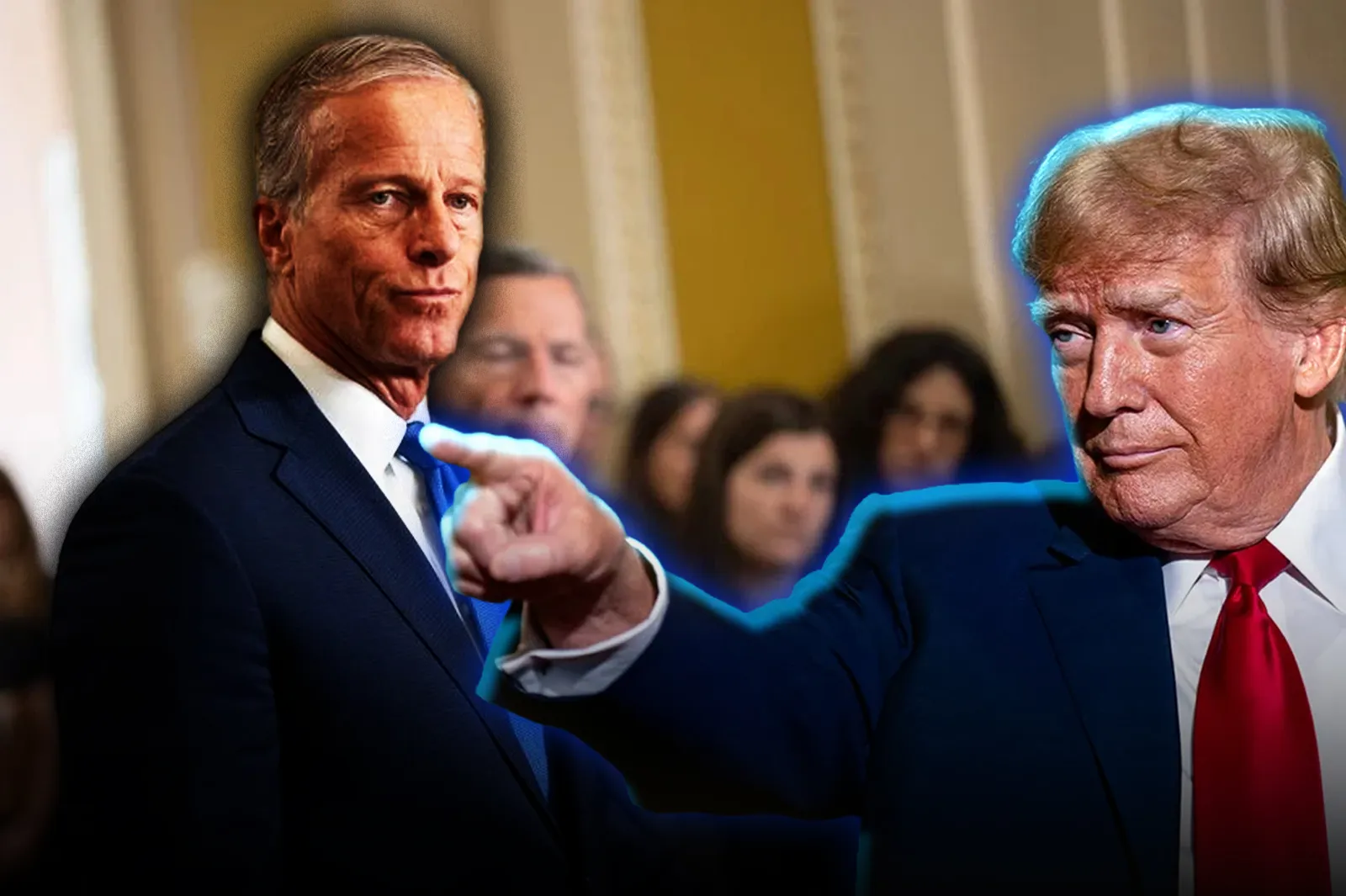
The Senate Republican majority leader, John Thune, confirmed on July 23 that the Iranian regime was added to the ''Lindsey Graham Sanctioning Russia Act of 2026'', an initiative that seeks to impose strong trade measures against the main buyers of oil, gas, and other Russian products.
''It was a late addition,'' Thune told reporters, explaining that the inclusion of Iran received sufficient support among lawmakers. The Republican senator noted that the United States has already maintained sanctions against Tehran for about three decades and stated that there is consensus in the Senate to move forward with the new legislation.
Thune also indicated that the Senate could approve the bill before the start of the legislative recess scheduled for August 7. The Republican leader stated that he is in talks with both Democratic and Republican senators to reach an agreement that would allow for expedited debate and voting on the initiative.
Following President Donald Trump's request, the U.S. Senate included Iran in the sanctions package against Russia
The advancement of the bill comes just days after Trump publicly urged the Senate to include Iran in the legislation. In a message posted on Truth Social on July 19, the president urged Republicans to incorporate the Iranian regime into the sanctions bill against Russia and reminded that this measure was part of the goals advocated by the late Senator Lindsey Graham.
''Republicans should add Iran to the sanctions bill against Russia,'' Trump wrote. ''That's what Lindsey wanted to do and it was going to happen.''
The legislation establishes tariffs of up to 100% on products from the five countries that buy the most oil and gas from Russia. The goal is to reduce the revenue that Moscow earns from its energy exports and increase the economic cost for governments that continue to acquire Russian resources.
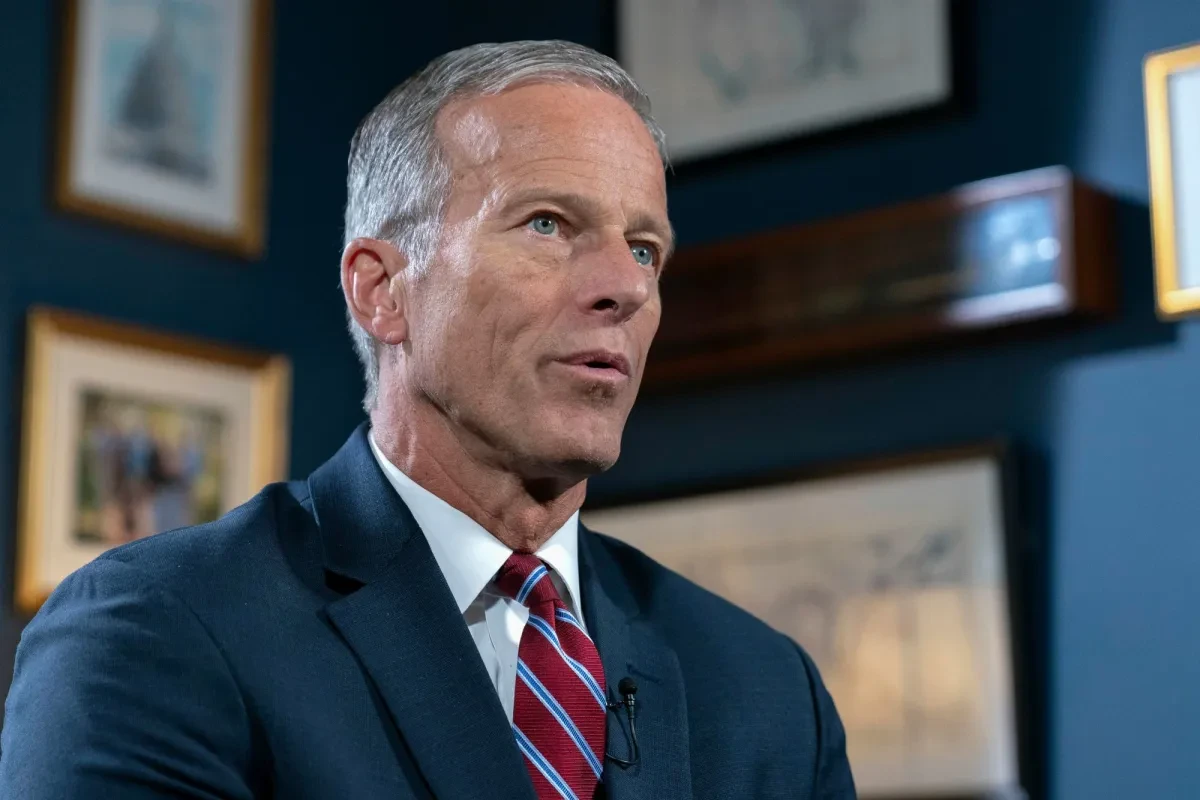
Republican Senator John Thune assured that the proposal received massive support from legislators of both parties
The current proposal represents a modified version of a bill originally introduced in 2025 by Lindsey Graham. The previous initiative did not advance beyond the Senate Banking, Housing, and Urban Affairs Committee, partly due to concerns about the scope of the sanctions and their potential impact on U.S. strategic allies.
The new text limits the application of the tariffs to the five largest buyers of Russian energy and provides greater flexibility for the president to suspend the measures when he deems it in the U.S. national interest. These changes helped garner broader support in the Senate and facilitated the building of a bipartisan agreement.
The bill now has more than 60 co-sponsors, as confirmed on July 21 by the office of Democratic Senator Sheldon Whitehouse. This support would allow surpassing the necessary threshold to prevent the legislation from being blocked by filibuster and increases the chances of it being put to a vote.
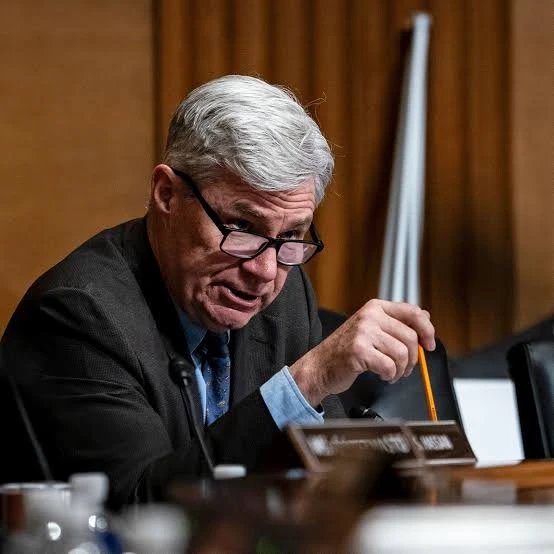
The environment of Democratic Senator Whitehouse assured that the bill already has more than 60 co-sponsors
The new version also seeks to honor the legacy of Lindsey Graham, who died on July 11. Senator Darline Graham, who was appointed to fill her brother's seat, and Democrat Richard Blumenthal formally presented the revised initiative on July 16.
Darline Graham stated that the approval of the bill would be a way to continue her brother's work on national security and would provide Trump with an additional tool to pressure Russia and seek an end to the war in Ukraine.
The incorporation of Iran also occurs amid escalating tensions between Washington and Tehran. The deterioration of relations followed the failure of a memorandum of understanding between the two countries and a series of military confrontations. The United States has conducted operations against Iranian targets for several consecutive days, while Tehran responded with attacks on U.S. bases in the Middle East.
The confrontations left four U.S. soldiers dead over the last weekend, according to the report included in the information released about the conflict. In this context, Trump warned on July 23 that he was considering a larger offensive against Iran.
Republican Senator Darline Graham stated that the presentation of the updated project is part of the efforts to honor the late Senator Lindsey Graham