
The new regional alliance against organized crime began to take shape this Tuesday in New York, where the United States and 14 other countries from Latin America and the Caribbean agreed to coordinate sanctions against 24 criminal organizations considered a common threat to the security of the hemisphere.
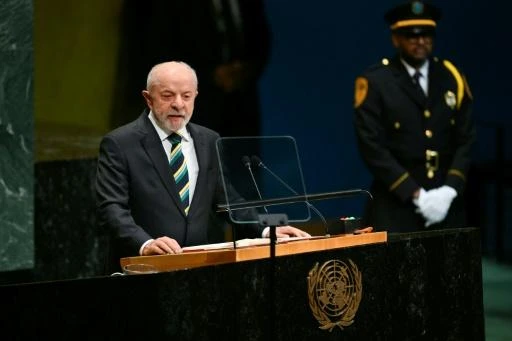
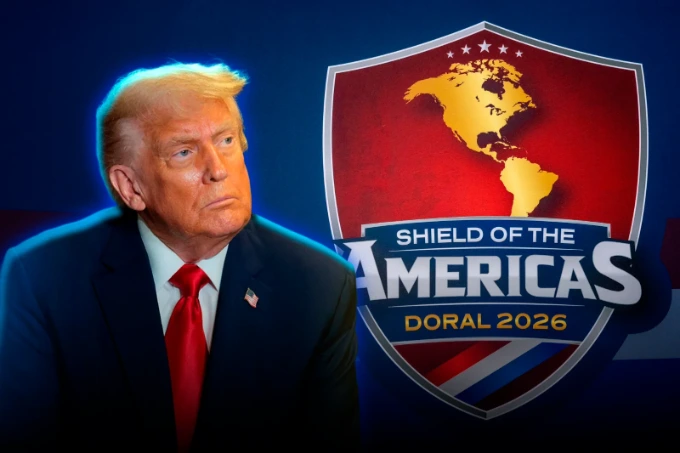
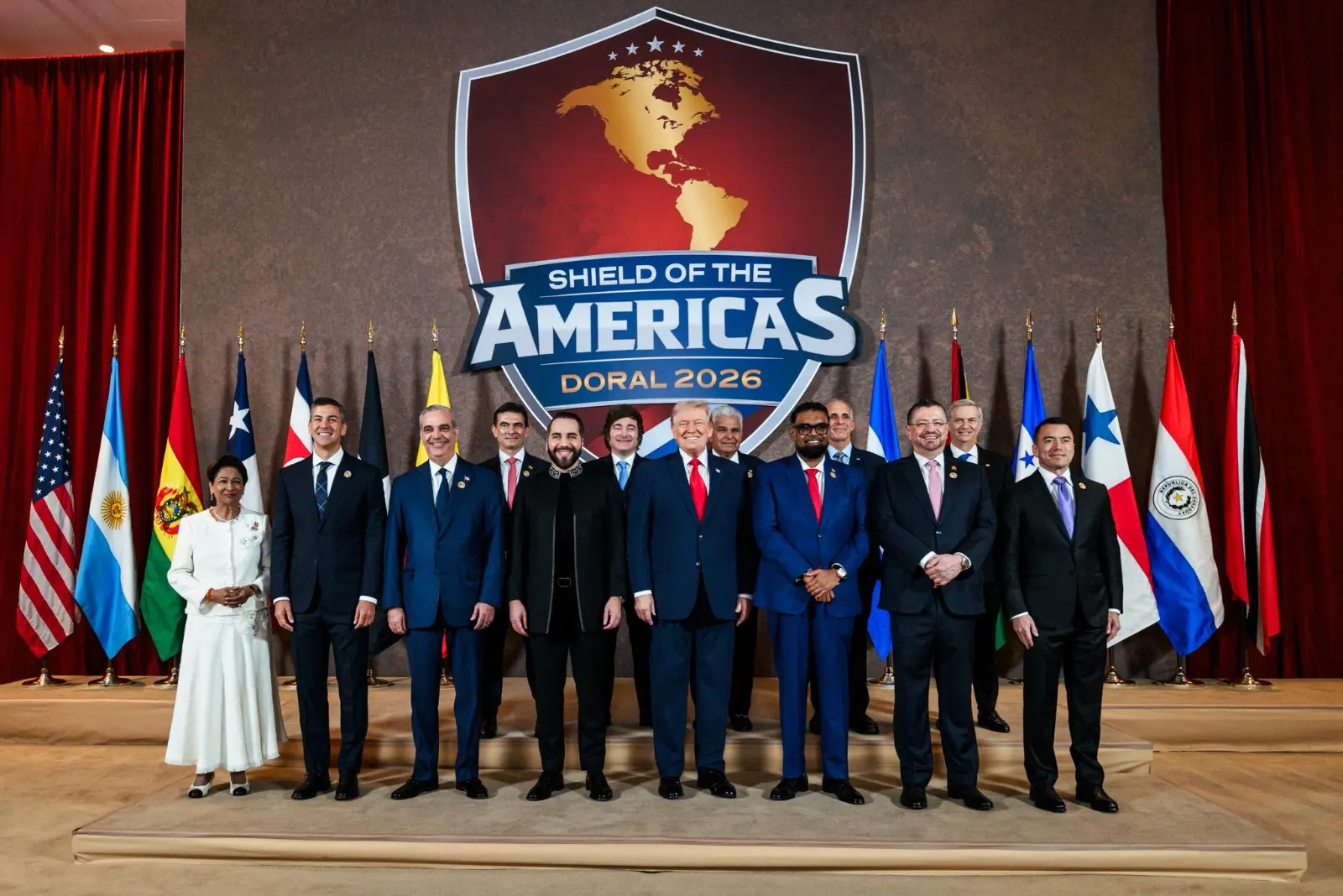
The agreement was announced during a meeting of the coalition ''Shield of the Americas'', promoted by the government of Donald Trump, in the context of the 81st General Assembly of the United Nations. The declaration establishes the intention to apply coordinated measures against groups linked to drug trafficking and other transnational criminal activities.
Among the proposed measures are asset freezing, immigration and visa restrictions for members, associates, and supporters of the identified organizations. The countries also proposed establishing criminal liability for those who deliberately provide material or logistical support to these groups.
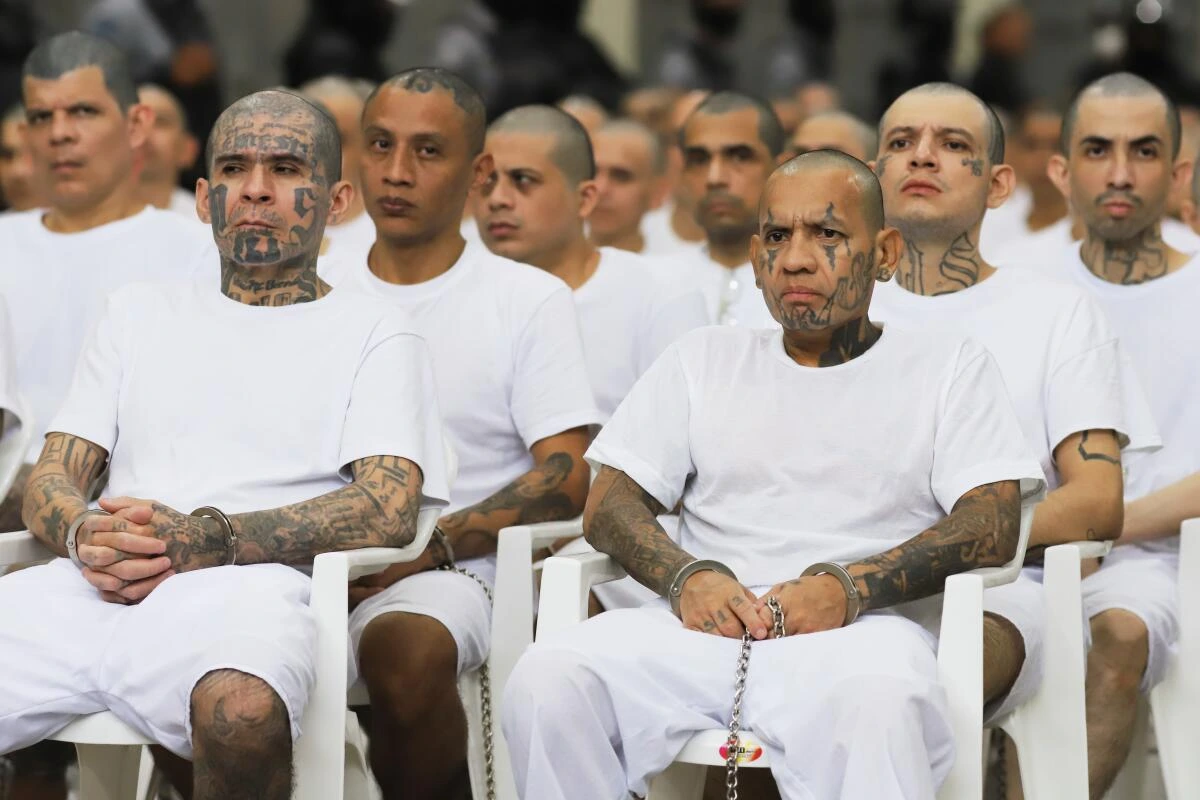
The list includes organizations such as Mara Salvatrucha (MS-13), the Tren de Aragua, the main Mexican cartels, the National Liberation Army (ELN), dissidents of the FARC, Primeiro Comando da Capital (PCC), Comando Vermelho, and Shining Path.
The 24 groups had already been included in U.S. sanctions lists, and several were designated by Washington as narco-terrorist organizations. With the new agreement, the Trump administration seeks to expand pressure beyond the measures adopted unilaterally by the United States and turn the fight against these networks into a coordinated strategy at the regional level.
Donald Trump toughens his stance against the cartels
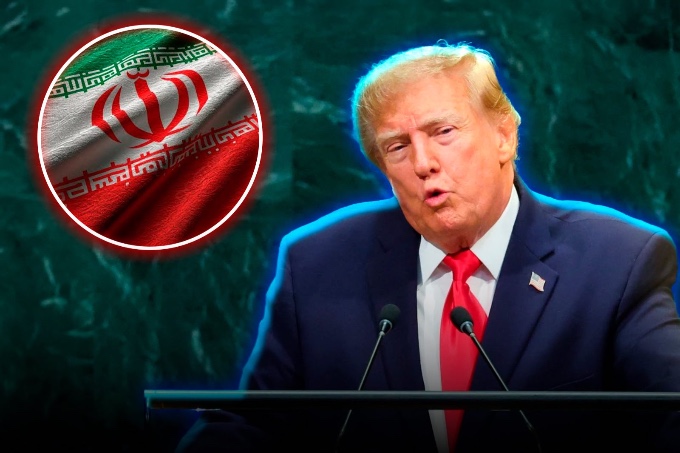
The announcement came hours after Donald Trump called for a stronger response against drug cartels at the UN General Assembly. The U.S. president described these organizations as ''the ISIS of the western hemisphere'' and warned that Washington will not allow criminal threats to gain ground in America.
Trump stated that the United States has superior military capability and that it is willing to use it when necessary to defend its interests and contribute to the security of the hemisphere.
The fight against the cartels has become one of the pillars of the security policy of his administration towards Latin America. Washington maintains that criminal organizations have expanded their operations across national borders and that their financial, logistical, and drug trafficking networks require a response that exceeds the individual capabilities of each country.