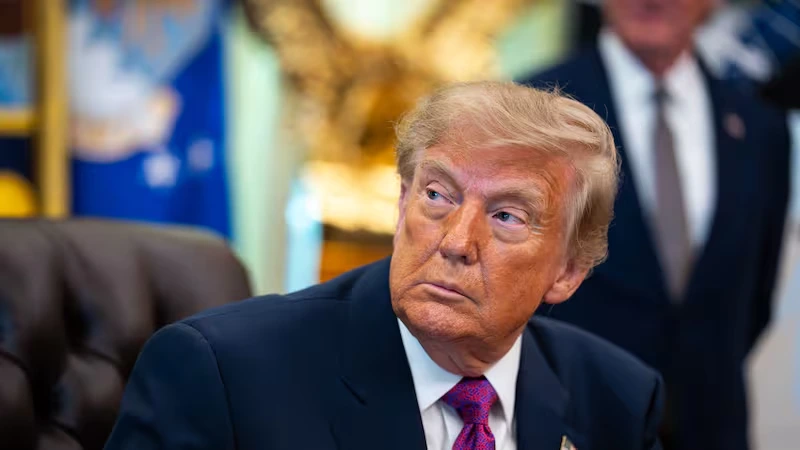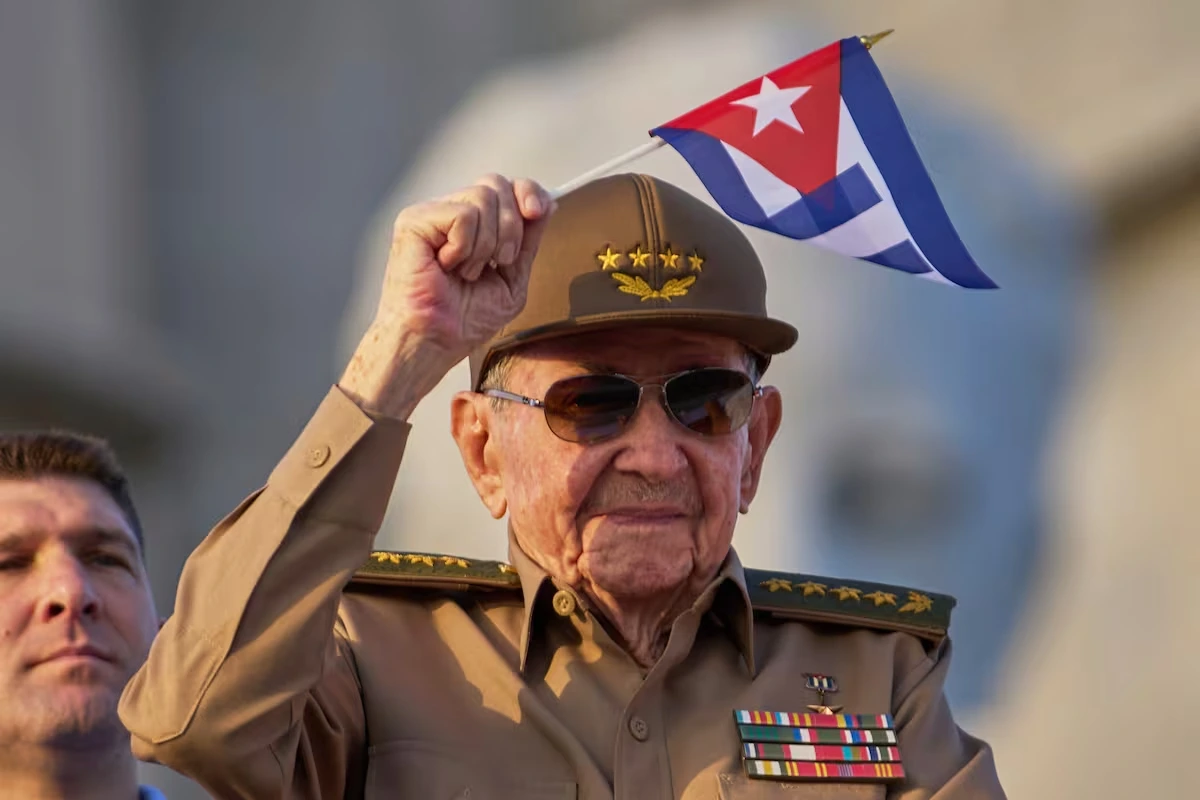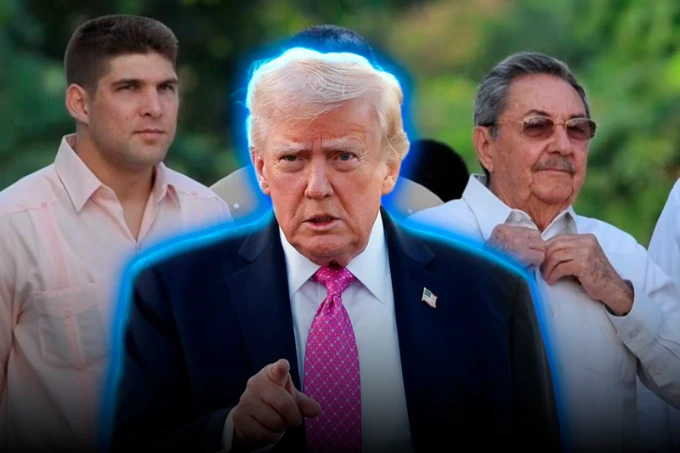

The United States reinforced its economic offensive against the communist regime of Cuba this Thursday with a new sanctions package that directly targets members of the Castro family and state entities deemed essential for the financial, energy, and extractive functioning of the dictatorship. The decision by the administration of President Donald Trump included Fidel Ernesto Castro Calis, grandson of Raúl Castro, in the list of Specially Designated Nationals (SDN), along with five organizations linked to strategic sectors of the Cuban economy.
The sanctions, announced by the Office of Foreign Assets Control (OFAC) of the Department of the Treasury, represent a new demonstration of Washington's strategy to increase pressure on the structures that allow the ruling elite to remain in power while the Cuban population faces a deep economic and social crisis.
Fidel Ernesto Castro Calis, born in 1995, is the son of Alejandro Castro Espín, one of Raúl Castro's sons and a figure historically linked to the island's security and intelligence agencies. His inclusion in the sanctions list expands the reach of U.S. measures toward the family and political environment of a dynasty that has dominated Cuba for decades.

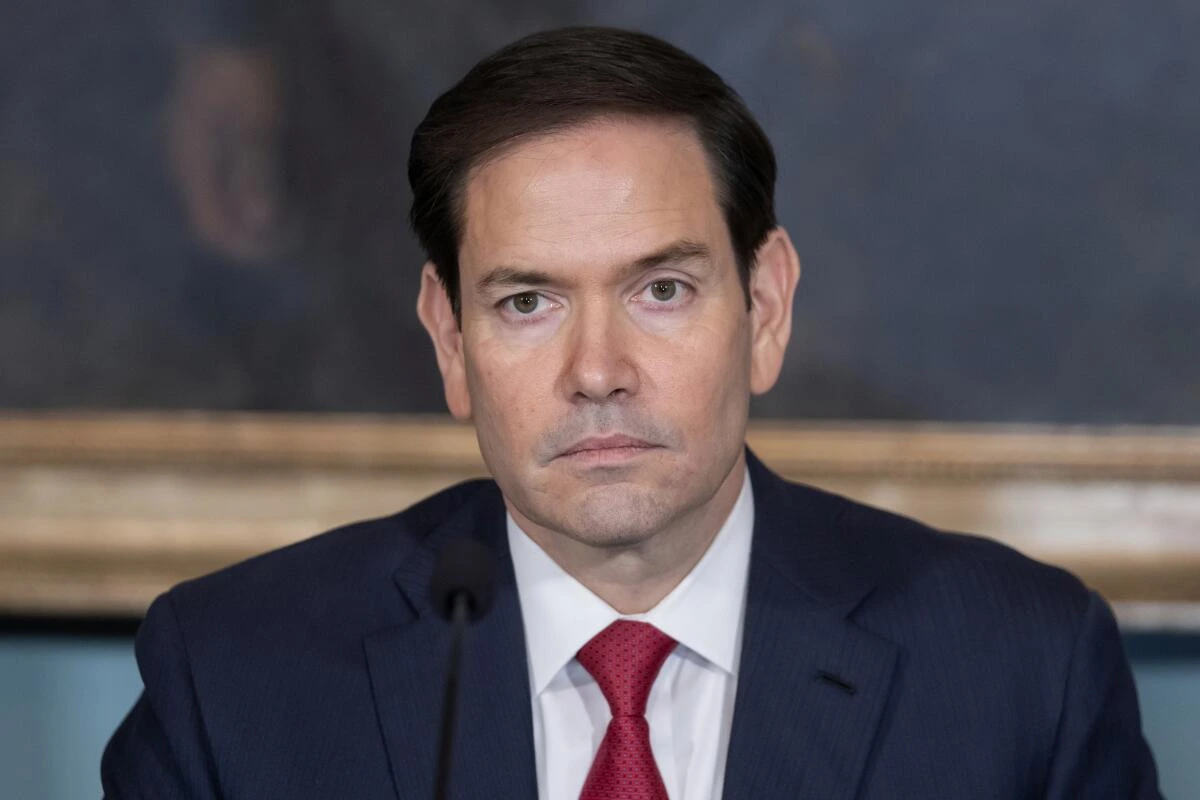
Secretary of State Marco Rubio emphasized that among the newly designated are not only Raúl Castro's grandson but also the Banco Exterior de Cuba and four entities related to the exploitation of natural resources and the country's energy reserves. The aim of the measure is to limit the ability of these structures to use the international financial system and generate resources that could ultimately strengthen the political and repressive apparatus of the regime.
The Banco Exterior de Cuba is a state institution based in Havana and linked to foreign trade operations and international transactions. Also included were Comercial Cupet S.A., dedicated to wholesale fuel trade; Abapet, related to the supply of machinery and equipment for the oil industry; Nicarotec, linked to support activities for the mining sector; and Cexni, a state-owned company dedicated to commercial operations related to the nickel industry.
The consequences of a designation on the SDN list can be significant. The assets of sanctioned individuals or entities under U.S. jurisdiction are blocked, while transactions with citizens, companies, and institutions of the United States are subject to strict restrictions. Furthermore, the impact can extend beyond U.S. borders, as many international financial institutions seek to avoid operations that could expose them to sanctions or restrictions within the U.S. financial system.
The Trump administration's strategy is based on a clear premise: pressure must be focused on those who benefit from the system, and not on the Cubans who suffer its consequences. For years, the regime has blamed sanctions for the island's problems, but Washington argues that the lack of freedoms, corruption, state control of the economy, and concentration of political power are central elements of the crisis affecting the country.