Marco Rubio reaffirms the Trump administration's strategy towards Cuba: more pressure on Havana and humanitarian aid from the US directly to the Cubans
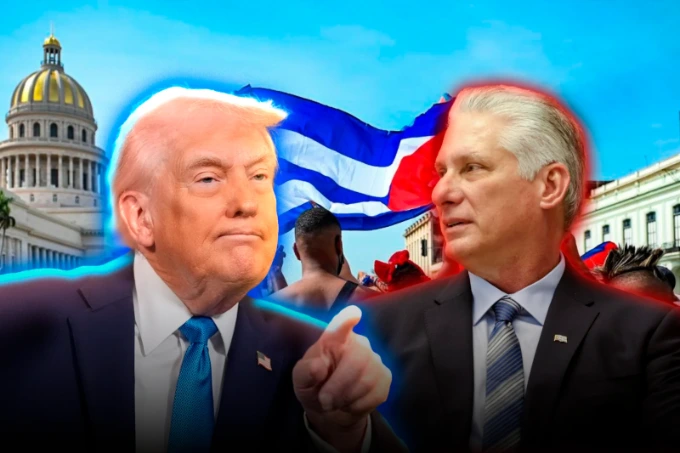
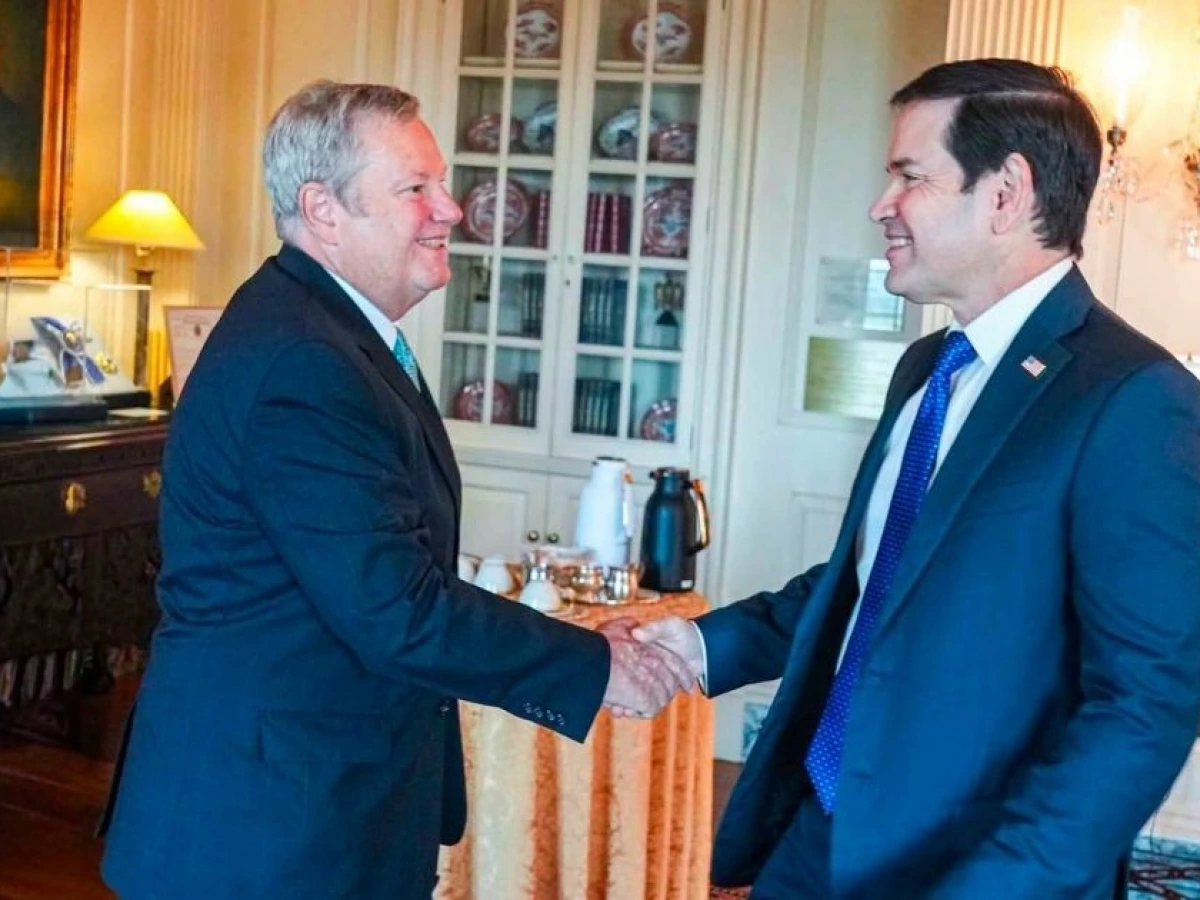
The U.S. Secretary of State, Marco Rubio, met this Monday in Washington with the head of the U.S. diplomatic mission in Cuba, Mike Hammer, to discuss the situation on the island and review the progress of the humanitarian assistance program promoted by the administration of President Donald Trump. The meeting took place at a time when Washington is maintaining a strategy of increasing pressure on the regime of Miguel Díaz-Canel, while seeking to ensure that aid reaches the Cubans affected by the crisis.
During the meeting, Hammer provided Rubio with an update on the conditions in Cuba and on the implementation of the U.S. commitment of $100 million in humanitarian assistance. The Trump administration has opted to distribute these resources outside of the structures controlled by the Cuban state, arguing to prevent the regime from appropriating the funds or using them to strengthen its political and economic apparatus.
Washington plans to work with Caritas and other trusted organizations to distribute the assistance. The strategy also aims to prevent resources from ending up under the control of GAESA, the business conglomerate linked to the Cuban armed forces that occupies a central position in strategic sectors of the island's economy.
Secretary of State Marco Rubio met with the head of the diplomatic mission in Cuba to review humanitarian assistance to Havana
The decision reflects one of the main characteristics of Trump's policy towards Cuba: combining a firm stance against the regime with measures aimed at directly helping the population. Instead of handing over resources to the authorities in Havana, the U.S. administration seeks to ensure that benefits reach families and communities facing economic difficulties and shortages of basic goods.
The U.S. diplomatic representation also highlighted Washington's support for the aspirations of Cubans to live "in freedom and with dignity." The message aligns with the Trump administration's position that the Cuban crisis cannot be resolved simply through assistance to the government, but rather requires political and economic changes that allow for greater freedom for the population.
Assistance began to materialize during the second half of the year through shipments directed to vulnerable families. The packages include basic food, hygiene products, and items aimed at facilitating access to drinking water, as well as other necessary goods to meet essential household needs.
The system designed by Washington contemplates that part of the funds will be managed through structures related to the Catholic Church, while another part will be channeled through non-governmental organizations selected by the United States. In this way, the Trump administration attempts to reduce the regime's ability to intervene in the distribution process.
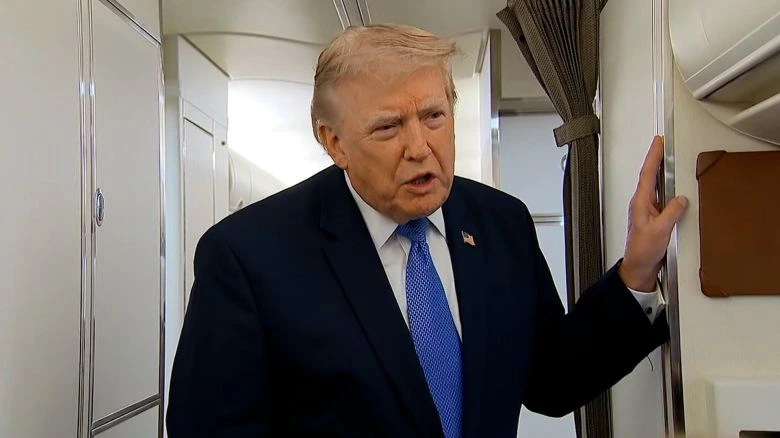
The government of President Donald Trump assured that they will partner with Caritas and other trusted organizations, completely excluding GAESA
The meeting also took place within a broader strategy to increase pressure on Havana. Rubio has made it clear that the United States does not intend to relax its measures while the Cuban dictatorship does not undertake economic and political transformations. The Secretary of State has also warned that the island will not be able to use alternative mechanisms to evade U.S. sanctions.
"What we are trying to teach them is that there are no escape valves," Rubio stated previously, making it clear that Washington will respond to any attempt to circumvent the restrictions imposed by the United States. The official also dismissed the notion that the U.S. strategy will simply disappear over time and noted that the situation will continue during the remainder of the current administration.
Trump's policy has intensified following the loss of energy and financial support that Cuba received from Venezuela. Rubio presented this change as a break from a dynamic that for years allowed the Cuban regime to maintain external support while Washington maintained more limited pressure.
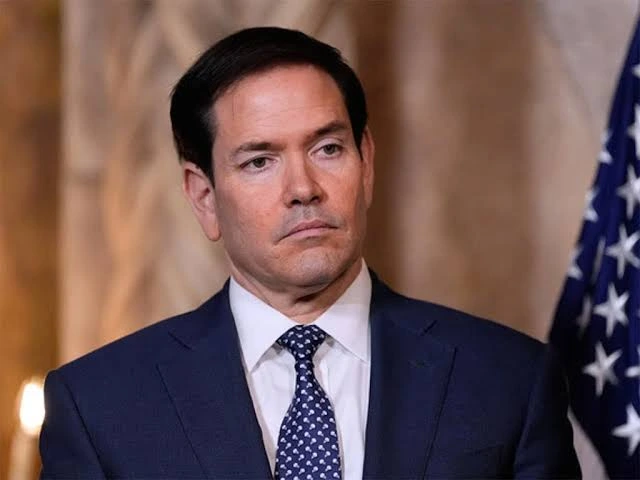
Marco Rubio assured that the United States will respond decisively to any attempt by the Cuban dictatorship to circumvent the restrictions imposed by Washington
In parallel, the United States has imposed new sanctions against Cuban officials and entities linked to the military and economic apparatus. From the perspective of the Trump administration, these measures aim to reduce the resources available to the structures that sustain the regime and, at the same time, increase the incentives for Havana to accept reforms.
The meeting between Rubio and Hammer thus allowed for a review of two fundamental components of the U.S. strategy: maintaining sustained pressure on the Cuban government and ensuring that U.S. assistance reaches citizens directly, preventing the regime from benefiting from it.